
Food traditions do more than preserve recipes. They hold onto climate knowledge, seasonal rhythms, religious customs, and local identity, which is why some practices that seem unusual from the outside are still very much alive.
Hákarl in Iceland
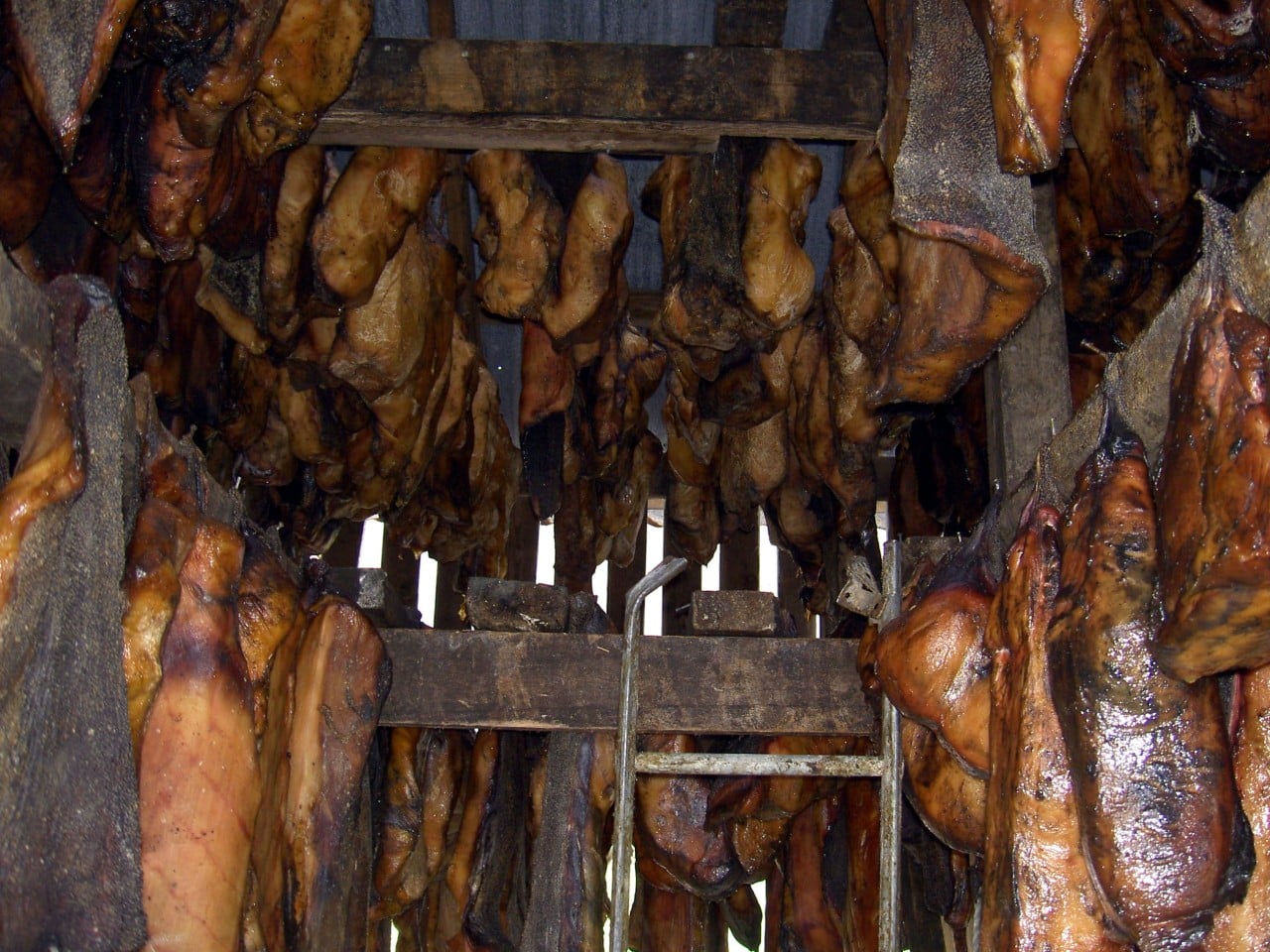
Few foods say more about survival than hákarl, the traditional Icelandic preparation of Greenland shark. Fresh shark meat is toxic because it contains high levels of urea and trimethylamine oxide, so Icelanders developed a process that makes it safe to eat through fermentation and drying.
The shark is first buried or pressed so liquids can drain away, then hung to dry for weeks or months. The result is a pungent food with a strong ammonia aroma and a chewy texture. It is still eaten today, especially during the midwinter festival Þorrablót, where older preserved foods are served as part of a cultural celebration.
For many Icelanders, hákarl is less about daily eating and more about continuity. It reflects a time when nothing edible could be wasted, and difficult landscapes demanded practical skill as much as taste.
Sardinian casu martzu
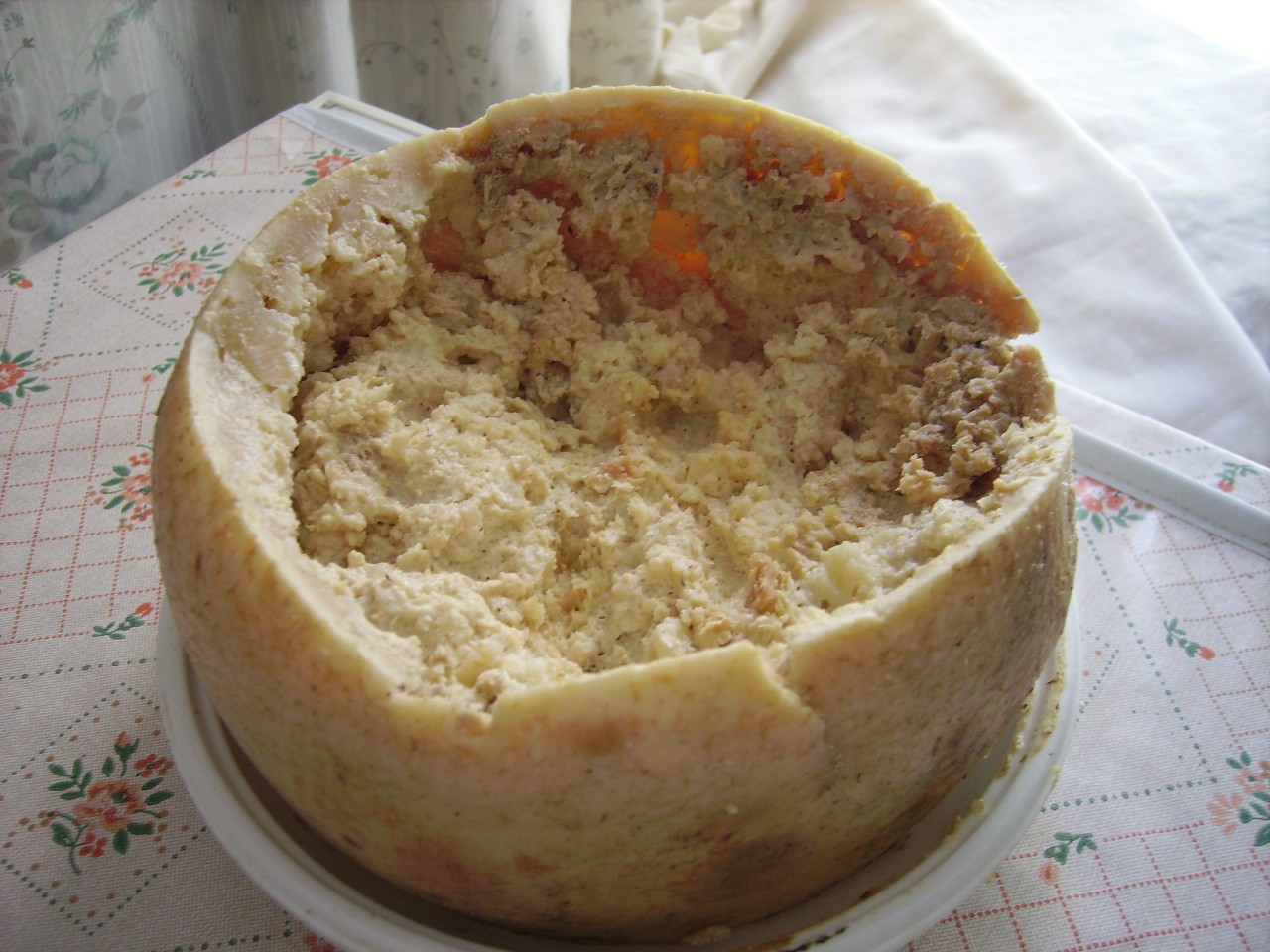
Casu martzu is one of Sardinia's most debated traditional foods, and its name literally means "rotten cheese" in Sardinian. It begins as pecorino cheese, then cheese flies are allowed to lay eggs inside it, and the larvae help break down the fats into an exceptionally soft, spreadable texture.
What makes it famous is also what makes it controversial. The cheese is traditionally eaten while the larvae are still alive, a sign that the product is fresh by local standards. Health authorities have challenged its sale over food safety concerns, but the tradition has not disappeared from Sardinian life.
For supporters, casu martzu is not a stunt food. It represents pastoral heritage, small scale sheep farming, and local knowledge passed between generations in rural communities.
Onyado tea with butter in Tibet
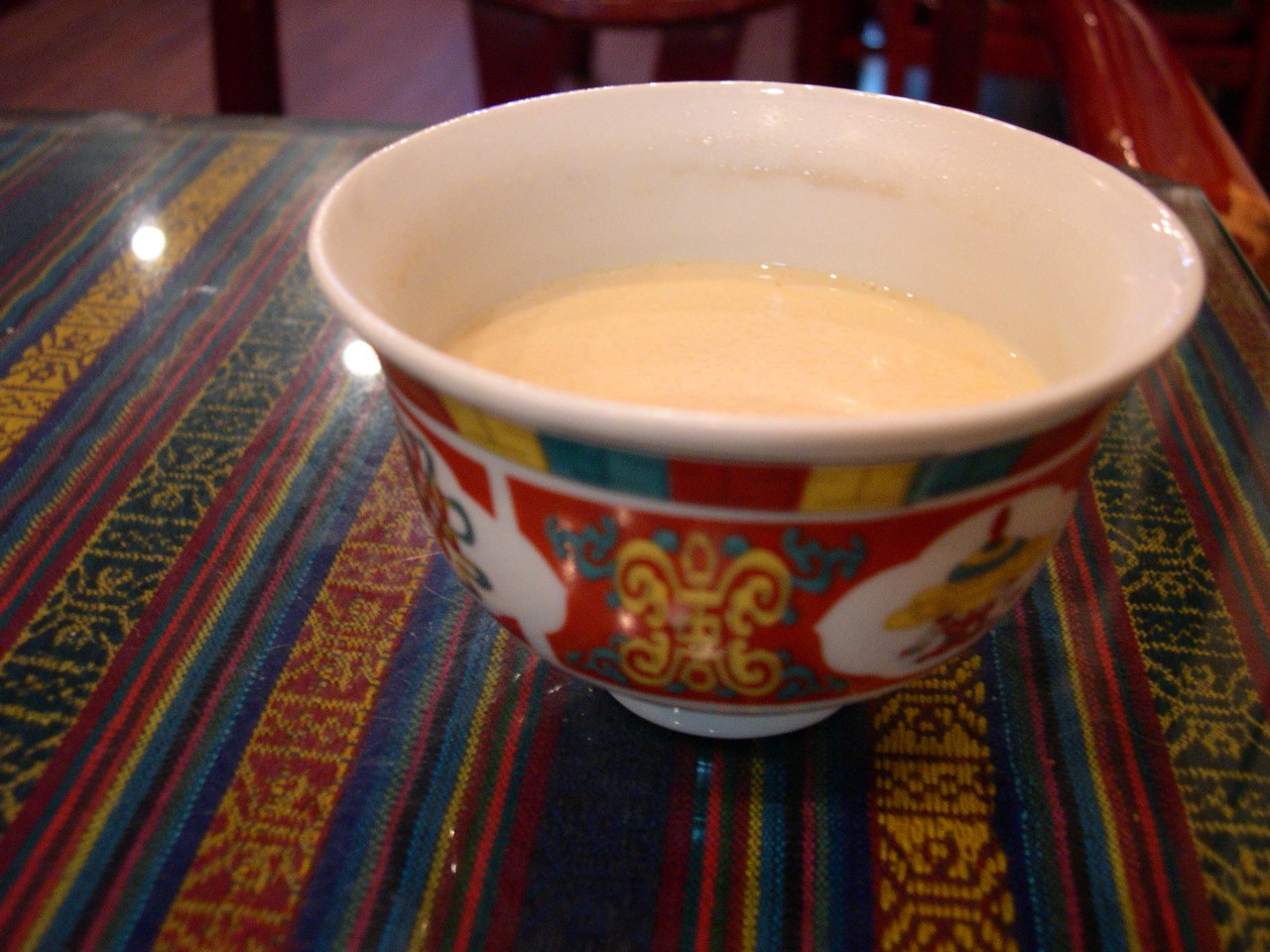
At high altitude, food traditions often develop around endurance, and Tibetan butter tea is a clear example. Known more widely as po cha, it is made by churning tea with yak butter, water, and salt, creating a warm, savory drink that provides calories and hydration in a cold mountain climate.
Unlike sweet milk tea served elsewhere, this version is substantial enough to feel almost like a light meal. In Tibetan homes, monasteries, and social gatherings, it is offered repeatedly to guests, and refilling a bowl is a common sign of hospitality and respect.
Its staying power comes from usefulness as much as custom. Yak butter is local, tea has long moved across Himalayan trade routes, and the drink still suits everyday life on the plateau.
Fugu in Japan
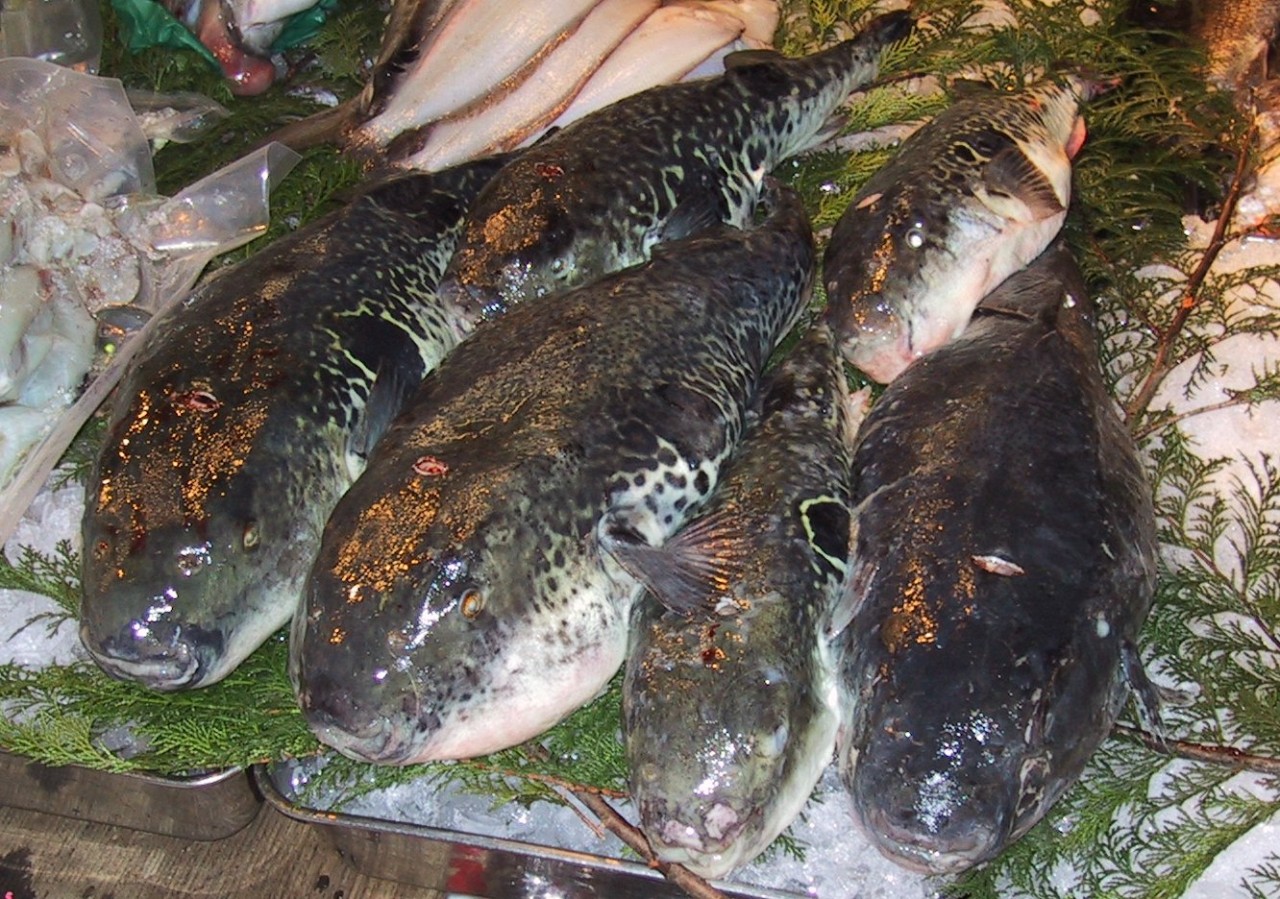
Some traditions survive because they are tied to mastery, and fugu is one of the clearest examples. This Japanese delicacy, made from pufferfish, can be deadly if prepared incorrectly because parts of the fish contain tetrodotoxin, a potent neurotoxin.
That danger is exactly why its preparation is tightly regulated. In Japan, chefs must train and qualify before they can legally prepare and serve fugu. Diners value not only the clean, delicate flavor, but also the discipline and precision behind the meal.
Fugu remains part of the culinary landscape in specialist restaurants, especially in colder months. More than a thrill, it is a tradition built on trust, technique, and a long national respect for highly skilled food craft.
Māori hāngi in New Zealand
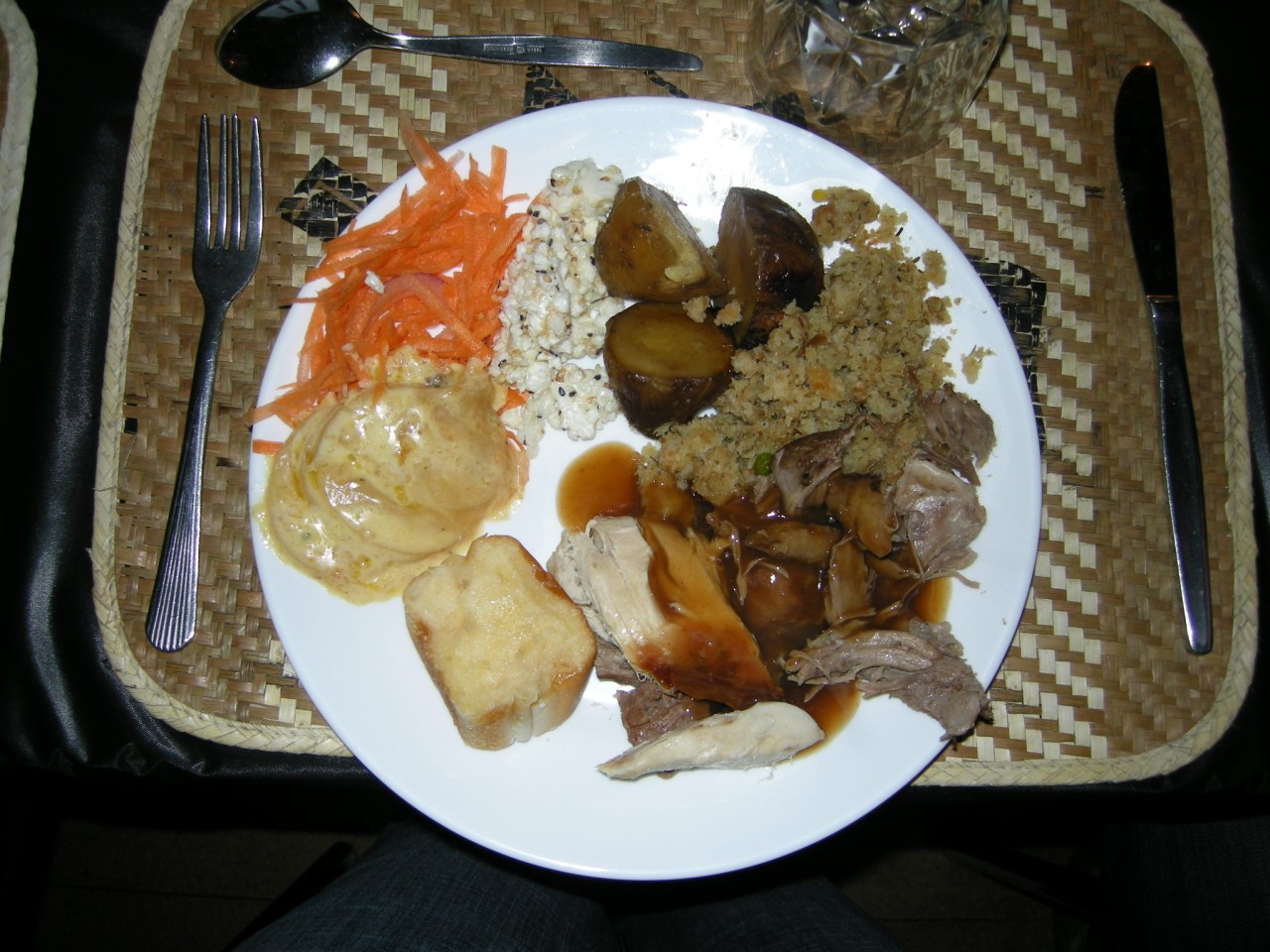
A hāngi is as much an event as it is a meal. In this Māori cooking method from New Zealand, meat and vegetables are placed in baskets or wrapped, then lowered into a pit with heated stones and covered so the food slow cooks underground.
The method produces gentle smoky flavors and very tender textures. Common ingredients include lamb, chicken, pork, potatoes, kūmara, and pumpkin, though the exact mix varies by family and community gathering.
Hāngi is still used for celebrations, fundraisers, and important communal occasions. Its continued life comes from the fact that it brings people together physically, since preparing the fire, pit, stones, and food is a shared task rather than a solitary act.
Mexican escamoles
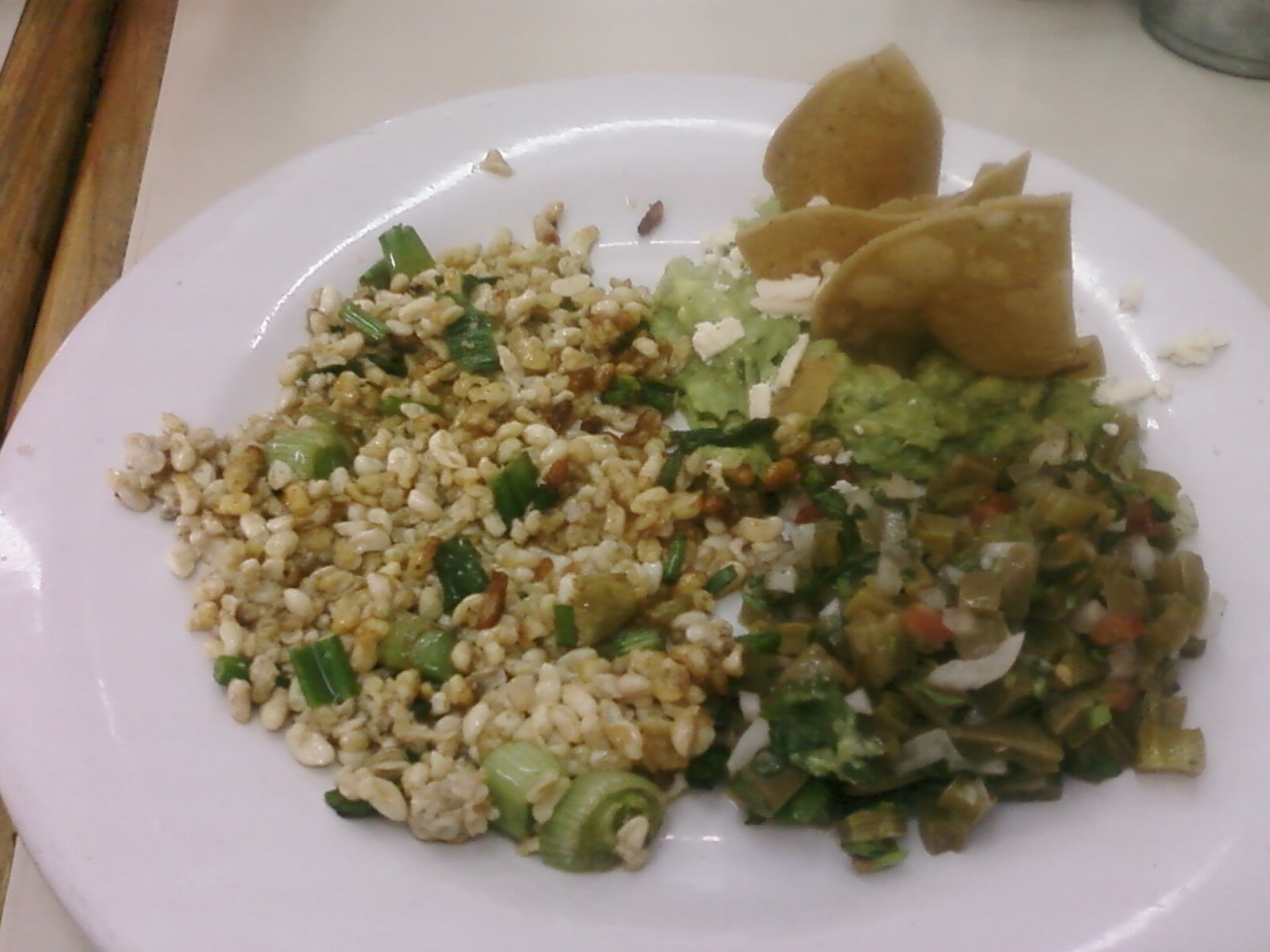
Escamoles are often called "insect caviar," but in central Mexico they are part of a much older food tradition. These edible ant larvae, usually harvested from the roots of agave or maguey plants, were eaten long before Spanish colonization and remain valued for their soft texture and nutty, buttery taste.
Harvesting them is labor intensive and seasonal, which helps explain both their rarity and their high price in some markets and restaurants. Cooks often serve them sautéed with butter or oil, garlic, and epazote, then spooned into tacos or folded into simple dishes that let the flavor stand out.
Their survival reflects continuity in Indigenous food knowledge. Escamoles are not a novelty in the regions where they have long been part of the local table.
Polynesian umu feast
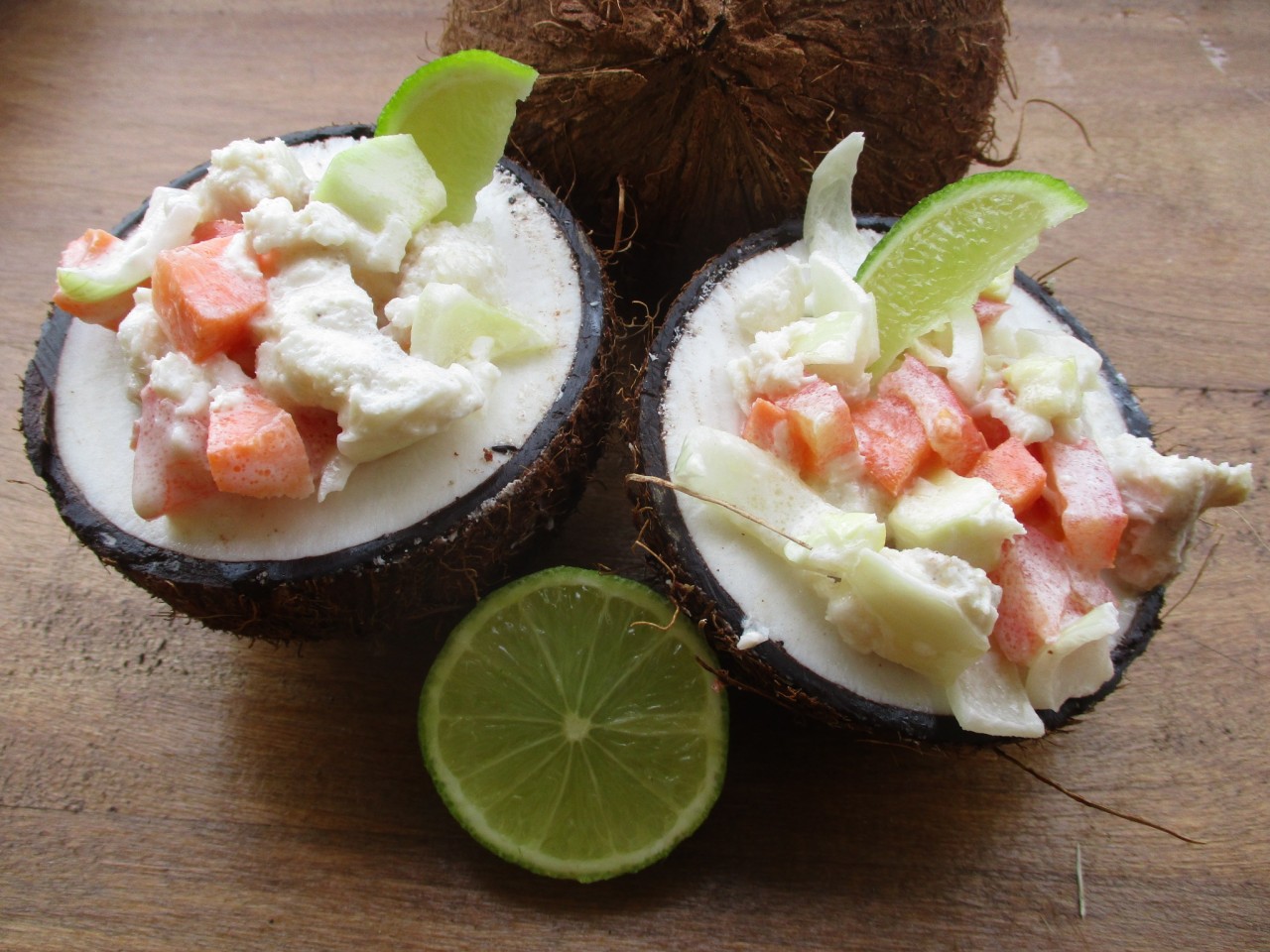
Across parts of Polynesia, earth oven cooking remains central to feasts, family events, and ceremonial life. The oven is known by different names, including umu in Samoa, and the method relies on heated stones, covered layers of food, and trapped steam to cook large quantities slowly and evenly.
Typical ingredients can include taro, breadfruit, fish, pork, and coconut based preparations. Because the process can feed many people at once, it suits the collective style of eating that marks weddings, church events, and holiday gatherings across the region.
What keeps the umu alive is not nostalgia alone. It still works extremely well for major communal meals, and it turns cooking into a visible, shared public act rather than something hidden in a kitchen.
Ethiopian coffee ceremony
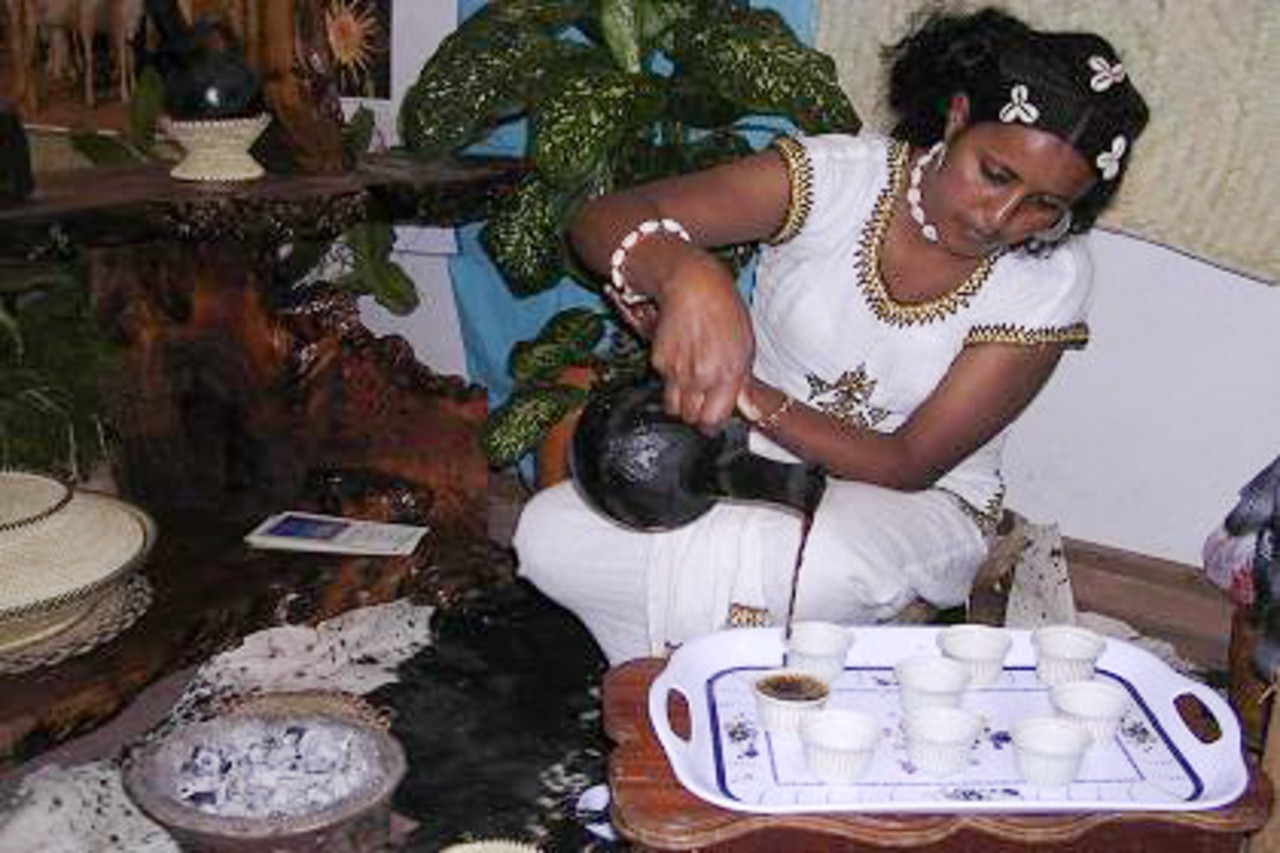
Some food traditions endure because they organize social time, not just eating. The Ethiopian coffee ceremony is one of the clearest examples, transforming roasted coffee into a ritual of hospitality that can last well beyond the time needed to brew a cup.
Green coffee beans are roasted in front of guests, ground, and brewed in a jebena, the traditional clay coffee pot. The coffee is typically served in several rounds, and the ceremony may also include incense and snacks such as popcorn.
This practice remains active in homes and communities because it creates space for conversation, respect, and routine connection. In that sense, the ceremony preserves more than flavor. It protects a way of being together.



Leave a Reply