
Savory, smoky, peppery, rich: those flavors do not belong only to meat. A growing group of vegan snacks uses mushrooms, soy, seitan, pea protein and bold seasoning blends to recreate the taste and texture many people expect from jerky, bacon and barbecue chips.
Louisville Vegan Jerky Co. Smoky Carolina BBQ
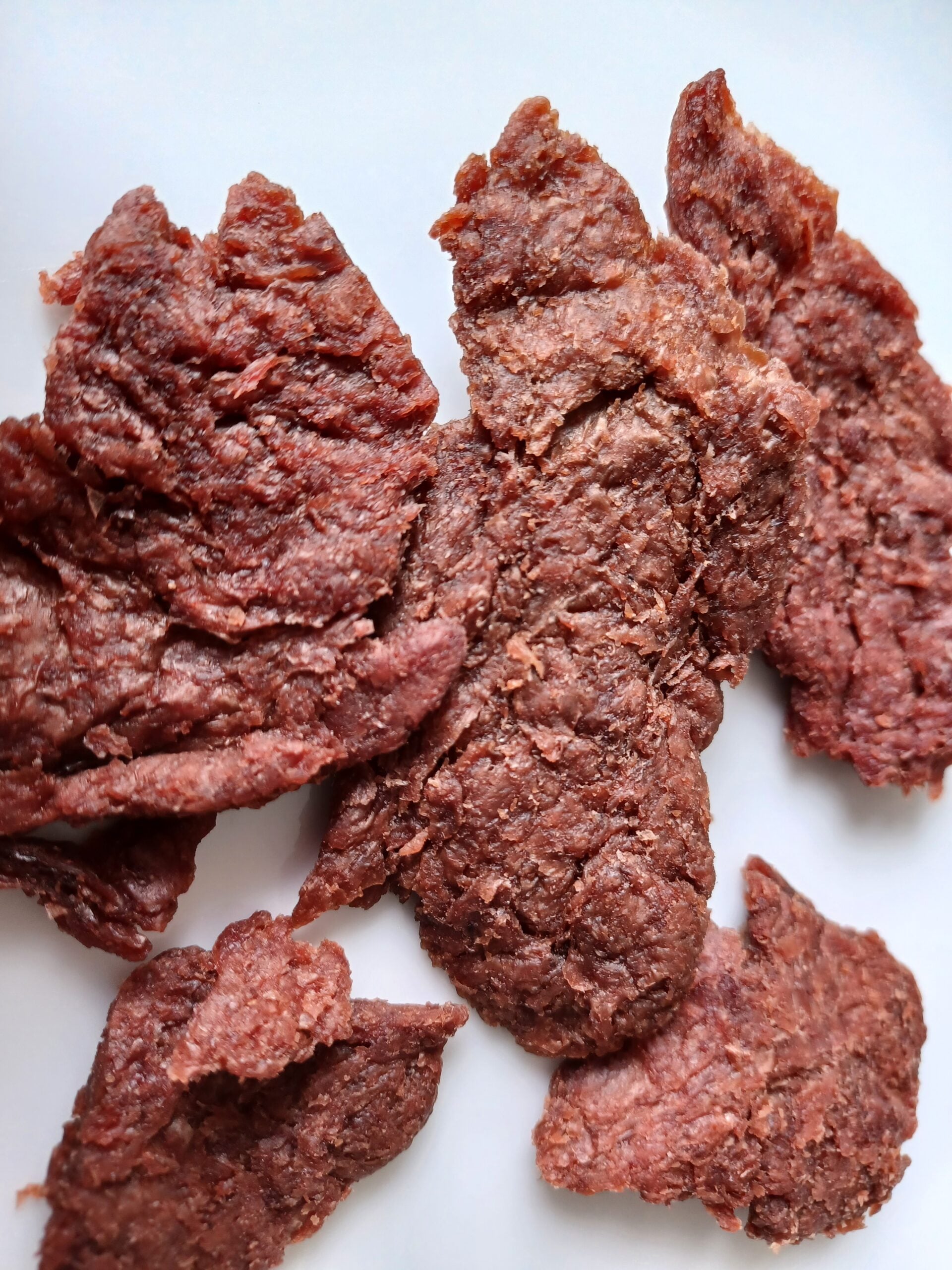
Some vegan snacks try to taste healthy first and meaty second. Louisville Vegan Jerky Co. goes the other direction, leading with smoke, sweetness and chew. The company makes its jerky from textured soy protein, which gives it the fibrous bite people usually expect from traditional jerky.
Its Smoky Carolina BBQ variety layers brown sugar, tomato, vinegar and spices into a distinctly Southern-style profile. The result is a snack that feels substantial rather than airy or crisp, which matters if the goal is to mimic meat. That dense chew is part of why vegan jerky has become one of the easiest entries for meatlike snacking.
Because it is shelf-stable and easy to photograph in strips or torn pieces, it also works well in a gallery about meat-flavored vegan foods. A bag beside a wooden cutting board or road-trip setup instantly signals what readers are looking at, while the caption can carry the surprise: no animal ingredients required.
Primal Spirit Thai peanut seitan jerky
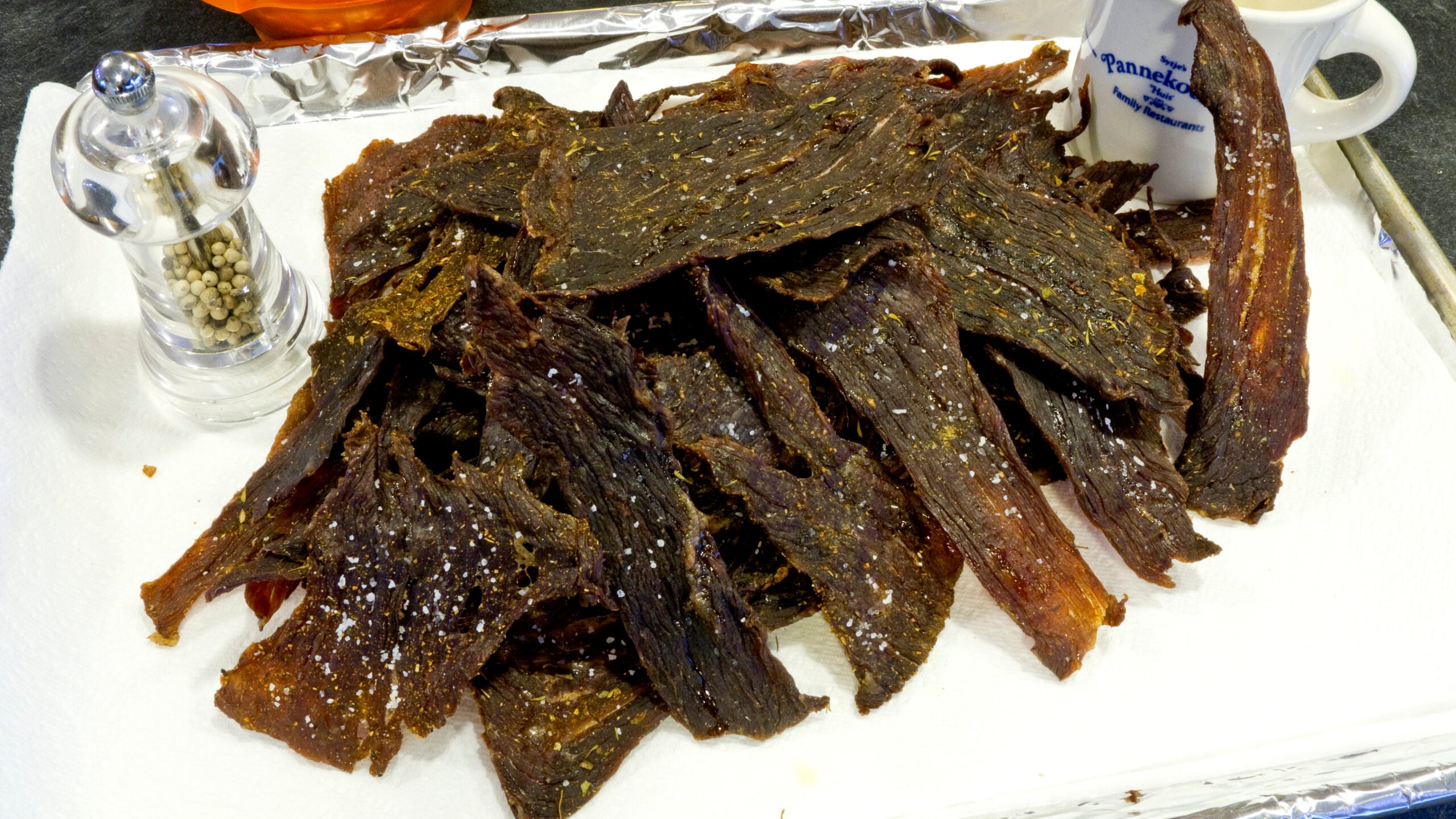
Jerky does not have to taste like a smokehouse to read as meaty. Primal Spirit's Thai Peanut jerky proves that a savory, protein-rich chew can also lean sweet, nutty and spicy. This product is made with seitan, a wheat protein known for its dense texture and ability to hold onto seasoning.
That base matters because texture often decides whether a meat-inspired snack feels convincing. Seitan has a firm pull that can come across as closer to sliced meat than many puffed or brittle snacks. In this case, peanut, soy sauce and spice do the flavor work, while the wheat protein supplies the bite.
It is a useful reminder that "meat-flavored" does not always mean bacon or beef. Sometimes it means the full package of umami, heft and satisfying chew. A close-up photo of glossy jerky pieces with peanuts or chili nearby would clearly match the subject and make the flavor direction immediately legible.
Outstanding Foods PigOut pigless bacon chips
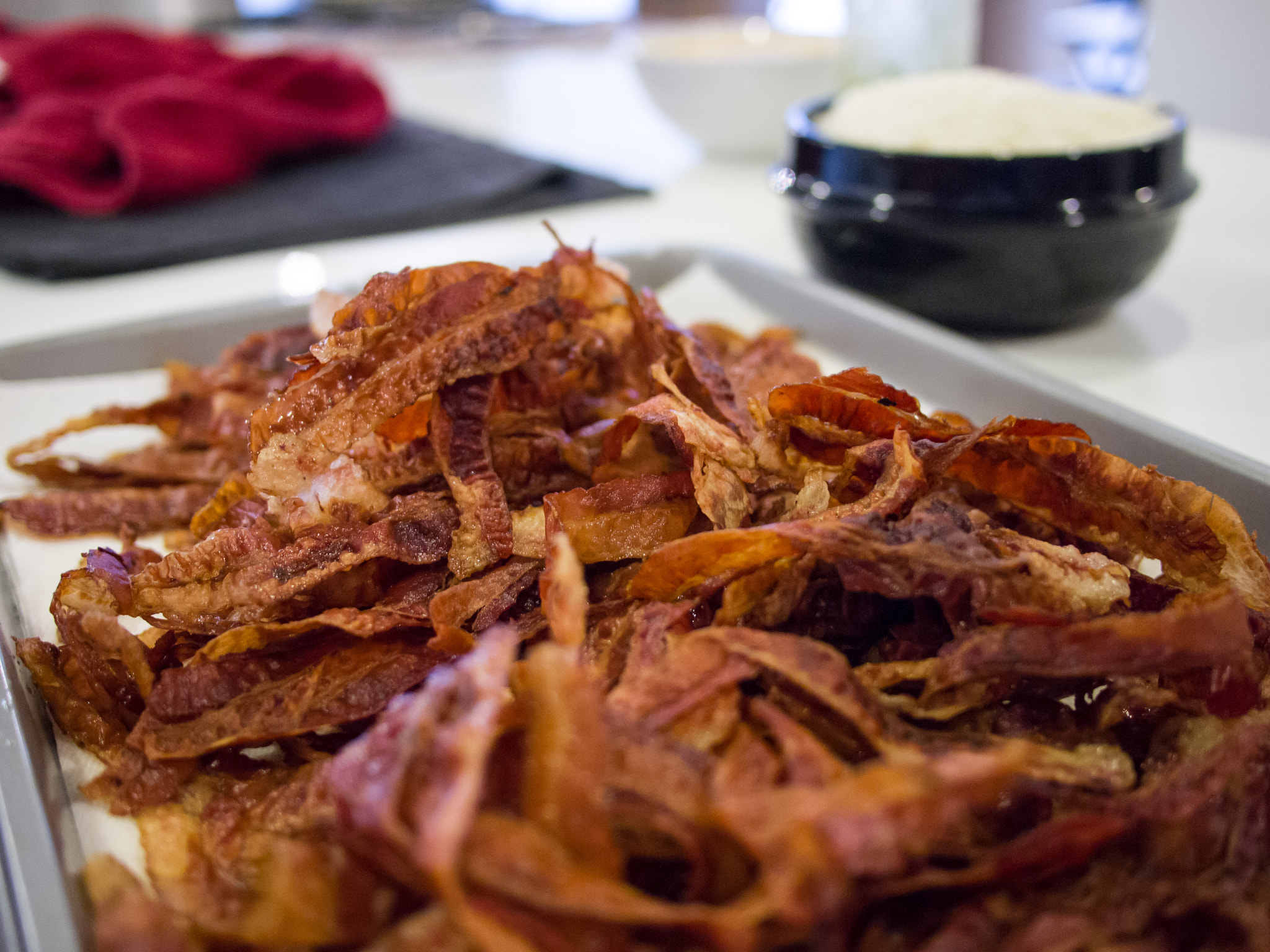
If one snack on this list is built to make the point quickly, it is pigless bacon chips. Outstanding Foods names the flavor right on the bag, and the product is designed to echo bacon's salty, smoky appeal in a crunchy form. Instead of pork, the chips are made from plant ingredients including pea protein.
The format is different from a strip of bacon, but the flavor cues are familiar. Smoke seasoning, salt and a rich savory finish do most of the heavy lifting. That approach reflects how many meat-inspired vegan snacks work in practice: they recreate the experience people crave, not a perfect copy of the original food.
These chips are especially photographable because the bag branding and curled crisps communicate the concept at a glance. For a general audience, that matters. The image can promise a bacon-style snack, while the caption explains the twist, that the meaty flavor comes from seasoning design and plant-based protein instead.
Shiitake mushroom jerky
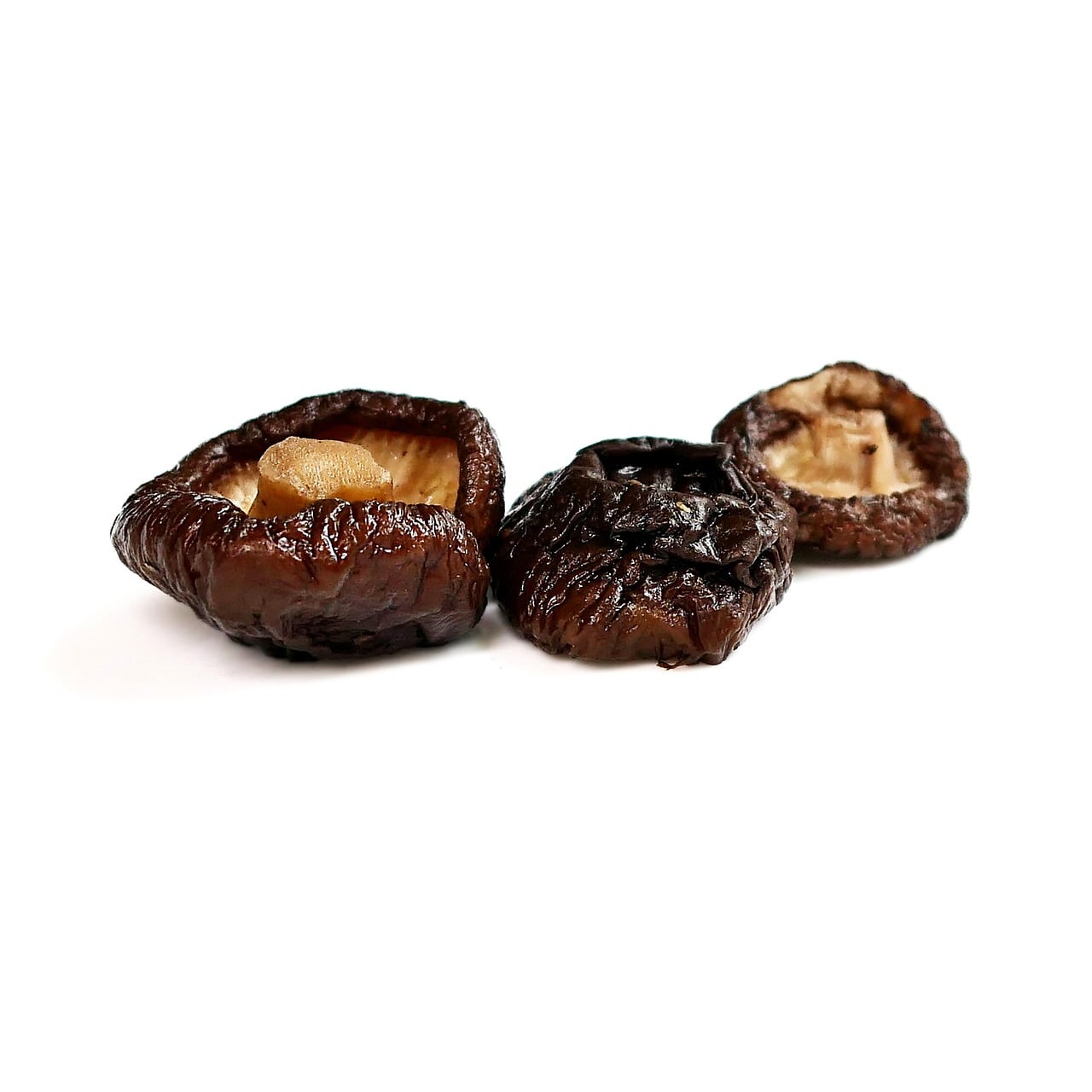
Mushrooms have long been a shortcut to deep savory flavor, and shiitake is one of the clearest examples. Its naturally umami-rich taste gives vegan snack makers a head start before smoke, soy sauce or black pepper even enter the recipe. When dried and seasoned, shiitake strips can land surprisingly close to jerky.
The appeal here is not only flavor. Shiitake also has a slightly springy texture that becomes pleasantly chewy once dehydrated. That makes it a strong candidate for people who want a whole-food-based snack that still scratches the same itch as meat jerky.
Many smaller brands sell mushroom jerky in cracked pepper, teriyaki and barbecue styles, but the core idea stays the same. A bowl of dark, glossy mushroom jerky or a package labeled mushroom jerky would photograph beautifully. It also gives readers a useful insight: umami can come from fungi just as easily as from meat.
Beyond Meat jerky original
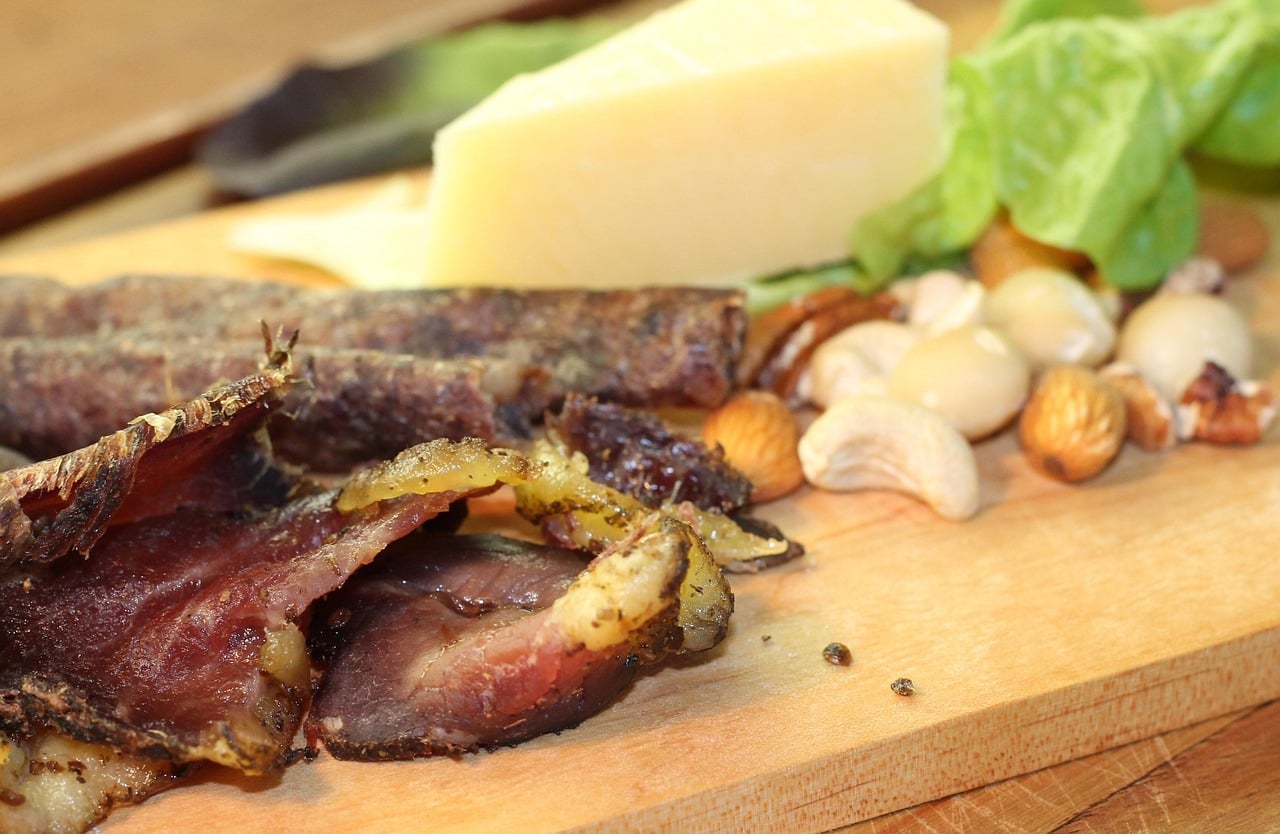
A familiar burger brand moving into jerky helped show how mainstream this category had become. Beyond Meat Jerky was developed with plant-based protein and sold in flavors such as Original, offering a beef-jerky-style snack from a company many shoppers already knew from the refrigerated aisle.
That familiarity matters because vegan meat-flavored snacks often win first on convenience, not ideology. If a shopper trusts a brand and understands the format, trying a plant-based jerky becomes less of a leap. The flavor profile here stays close to the classic lane, salty, lightly smoky and built around a chewy bite.
For a gallery, this is a useful midpoint item because it bridges niche vegan products and mass-market recognition. A simple product shot can do the visual work fast. The caption then supplies the context, that meat-style snacking has moved well beyond specialty stores and into mainstream packaged food.
Beanfields cracklins
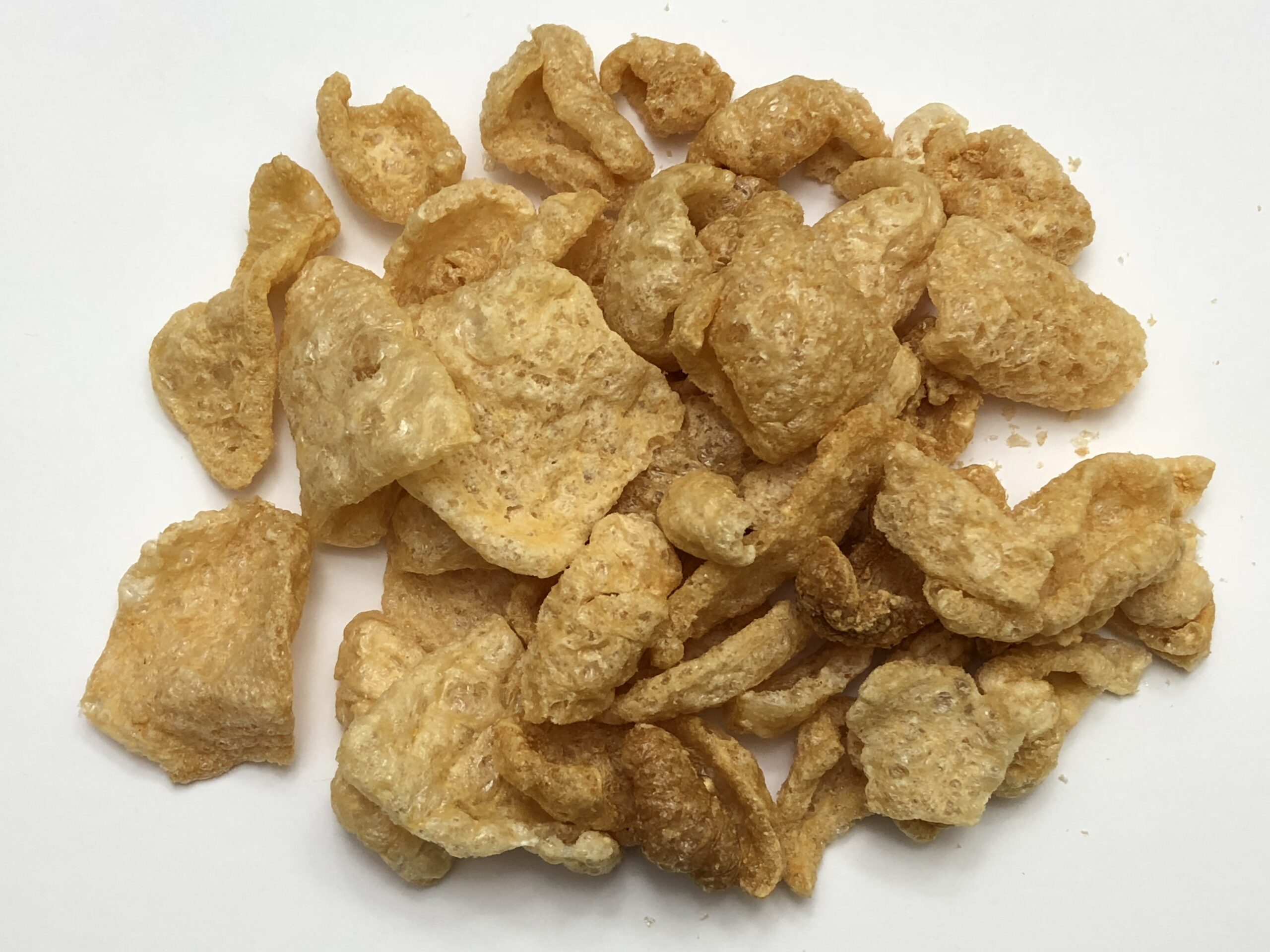
Cracklins usually suggest pork skin, heavy crunch and intense seasoning. Beanfields created a vegan version that plays with that same idea using beans and plant-based ingredients. The point is not to duplicate fried pork skin exactly, but to deliver a loud, savory, crunchy snack in the same flavor family.
This kind of product shows how broad the category has become. Some snacks imitate sliced meat, while others chase the snack-food experience linked to meat. In cracklin-style snacks, texture is everything. The audible crunch and dense shape do much of the work before the seasoning even lands.
That makes Beanfields cracklins a smart inclusion because it expands the gallery beyond jerky and bacon. Visually, a pile of puffed cracklin-style chips or a branded bag would be easy for readers to read in one glance. Editorially, it reinforces the bigger point: plant-based snacks can mimic more than one kind of meaty craving.
Barbecue jackfruit chips
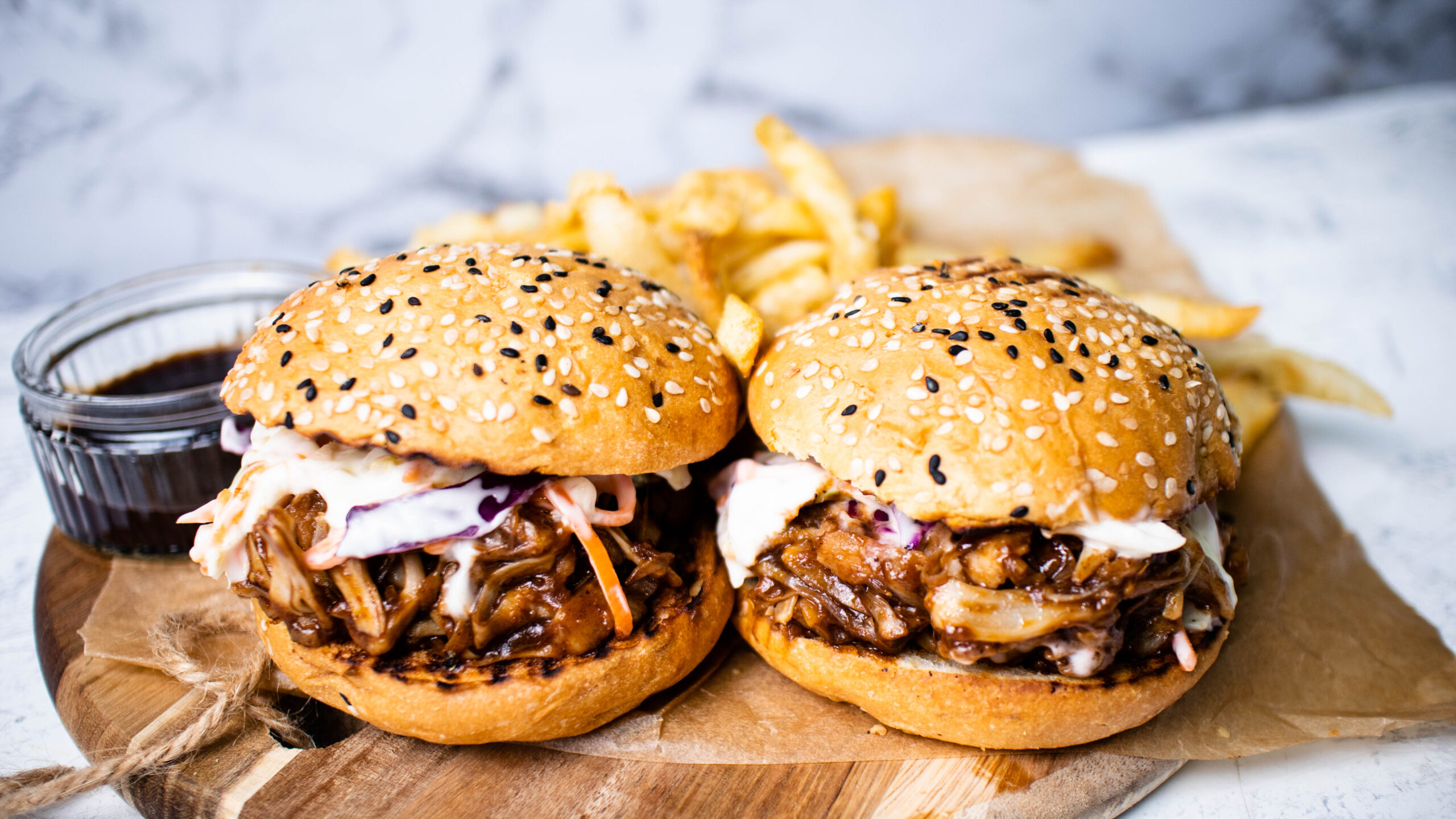
Jackfruit is best known as a meat substitute in sandwiches and tacos, but it also appears in snack foods with bold barbecue seasoning. Its value comes from structure. Young jackfruit naturally shreds into strands, which is why it is often compared to pulled pork in savory dishes.
In chip or dried-snack form, that association still helps. Once smoke, paprika, sugar and salt enter the mix, the flavor turns squarely toward barbecue. Even when the final texture is crisper than pulled meat, the taste cues can still feel familiar to anyone who likes smoky snack foods.
This is also one of the more visually interesting options for a gallery because the ingredient itself looks distinctive. A photo showing jackfruit pieces beside barbecue-seasoned chips would help tell the story clearly. Readers get a concrete takeaway: some vegan meatlike snacks start with produce, not only soy or wheat protein.
Bacony coconut chips

The fastest way to make a snack read as bacon is often not shape but seasoning. Coconut chips have become a favorite base for that trick because their thin, curved pieces crisp up well and hold onto smoke, salt and sweetness. The result can deliver a clear bacon-style impression despite being made from coconut.
This kind of snack works because bacon flavor is more than one note. It is smoke, sweetness, salt and a toasted finish all at once. When those elements are balanced carefully, the brain fills in the rest. That is why bacony coconut chips often surprise people even though the ingredient list sounds unlikely.
They also make for a strong closing slide because the contrast is so sharp. Coconut is not a food most people connect with savory meat flavors, yet the transformation can be striking. A close-up of reddish brown coconut flakes in a snack bowl would end the gallery on a smart, memorable note.



Leave a Reply