
The stretch from Thanksgiving to Christmas is made for drinks that feel a little more special than your usual weeknight pour. These eight classics cover cozy hot cups, party punches, and creamy after-dinner sippers, with enough variety to suit nearly every kind of gathering.
Mulled wine
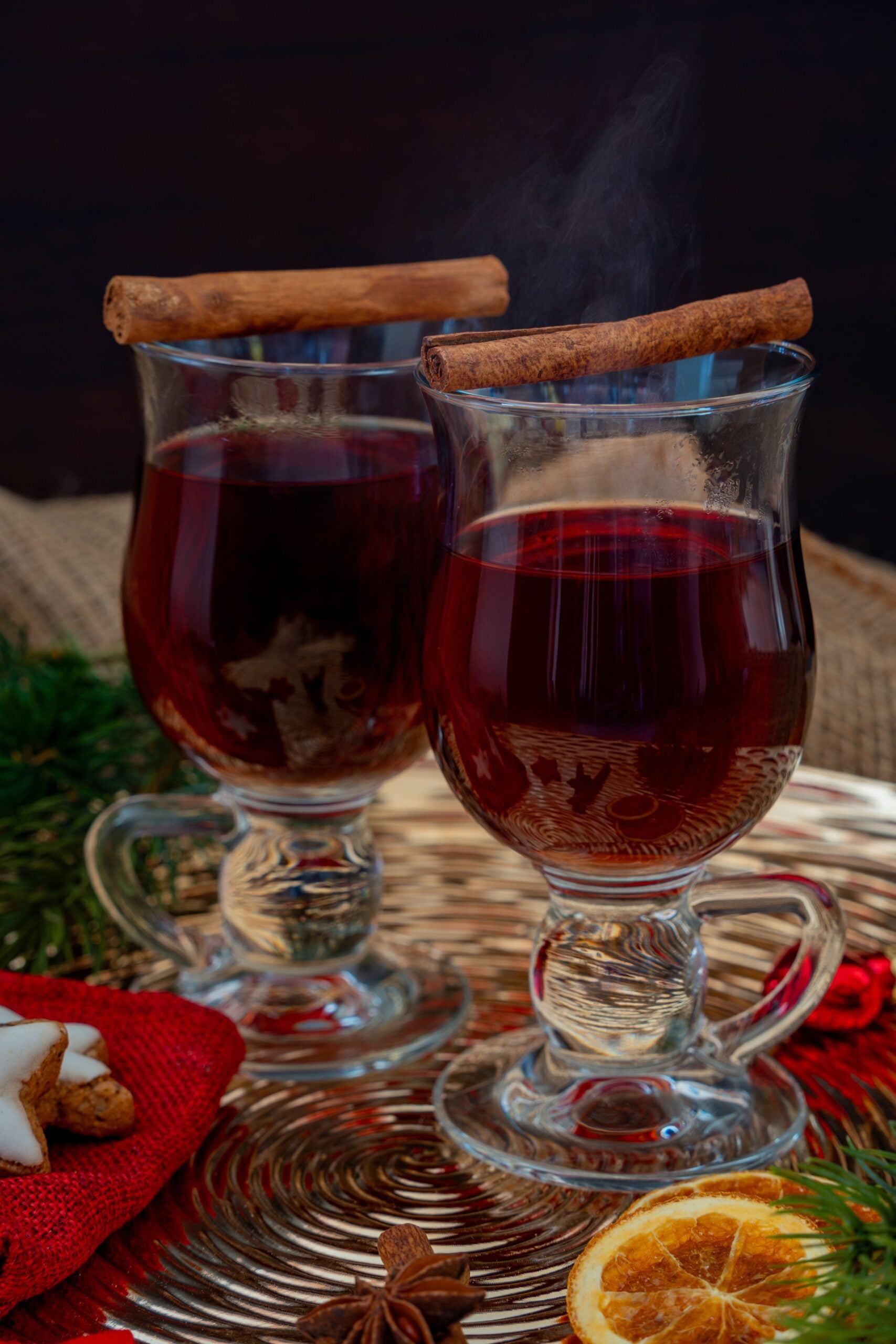
Mulled wine is one of the easiest ways to make a house smell like the holidays. Red wine is gently warmed with spices such as cinnamon, cloves, and star anise, often with orange slices and a little sugar or honey to round it out.
The drink has deep European roots, especially in winter markets across Germany, Austria, and the United Kingdom. Heating wine with spices dates back centuries, and the formula still works because warmth softens the tannins in red wine while citrus and spice add lift.
For a good version at home, the key is low heat. Wine should be warmed, not boiled, or the alcohol and more delicate aromas cook off. It is a natural fit for open-house gatherings because it can sit in a slow cooker and stay ready for guests who arrive in waves.
Hot toddy
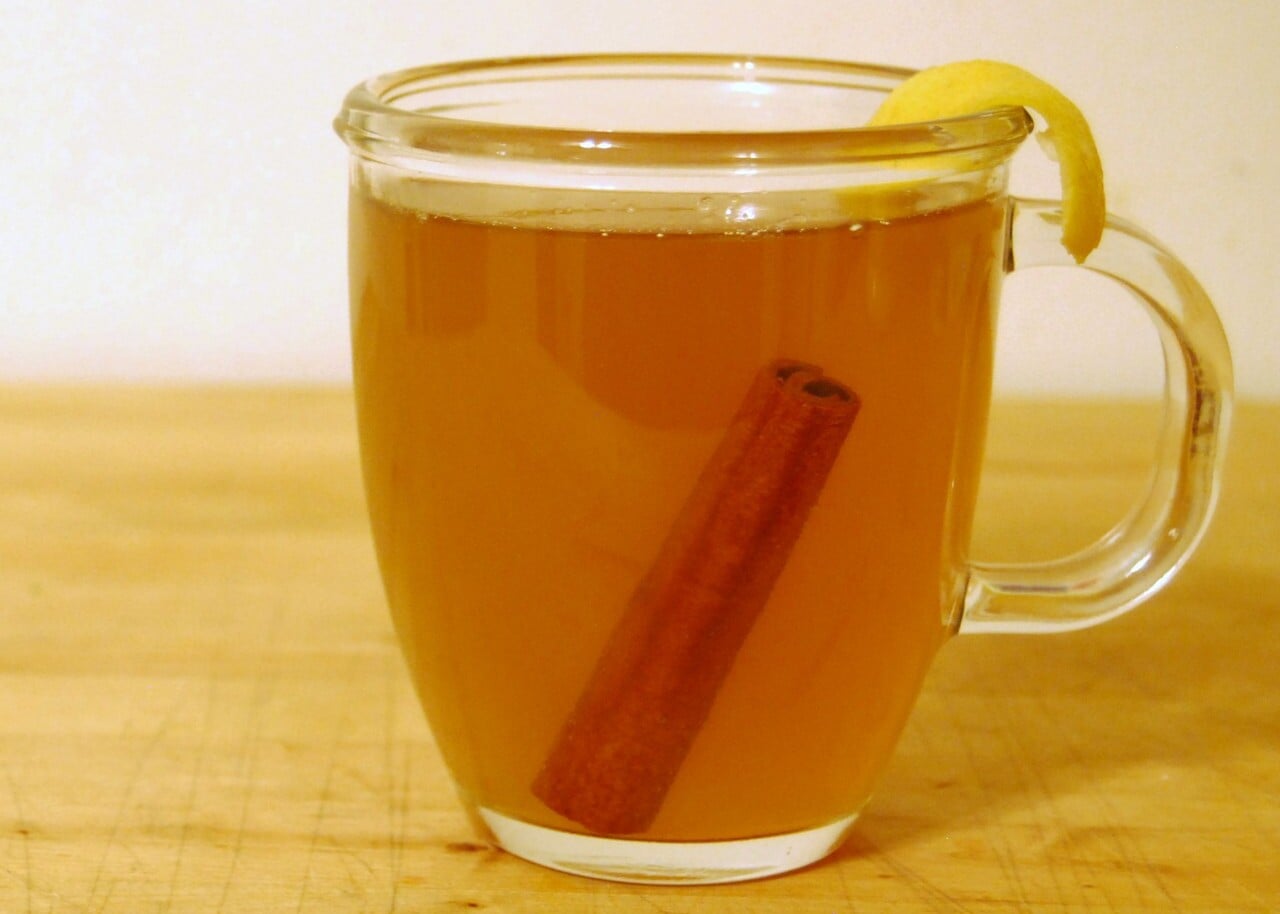
A hot toddy feels practical as much as festive, which is part of its appeal. The classic build is simple: whiskey, hot water, honey, and lemon, with optional spices like cinnamon or cloves.
Its exact origin is debated, but the drink has long been associated with cold-weather comfort in the United States and Britain. What makes it work is balance. The spirit brings warmth, lemon adds brightness, and honey smooths everything into something easy to sip slowly.
This is also one of the most flexible holiday drinks. Bourbon adds vanilla and caramel notes, while Scotch can make the drink smokier and drier. Served after a long day of shopping, travel, or outdoor decorating, it lands in that sweet spot between soothing and celebratory.
Eggnog
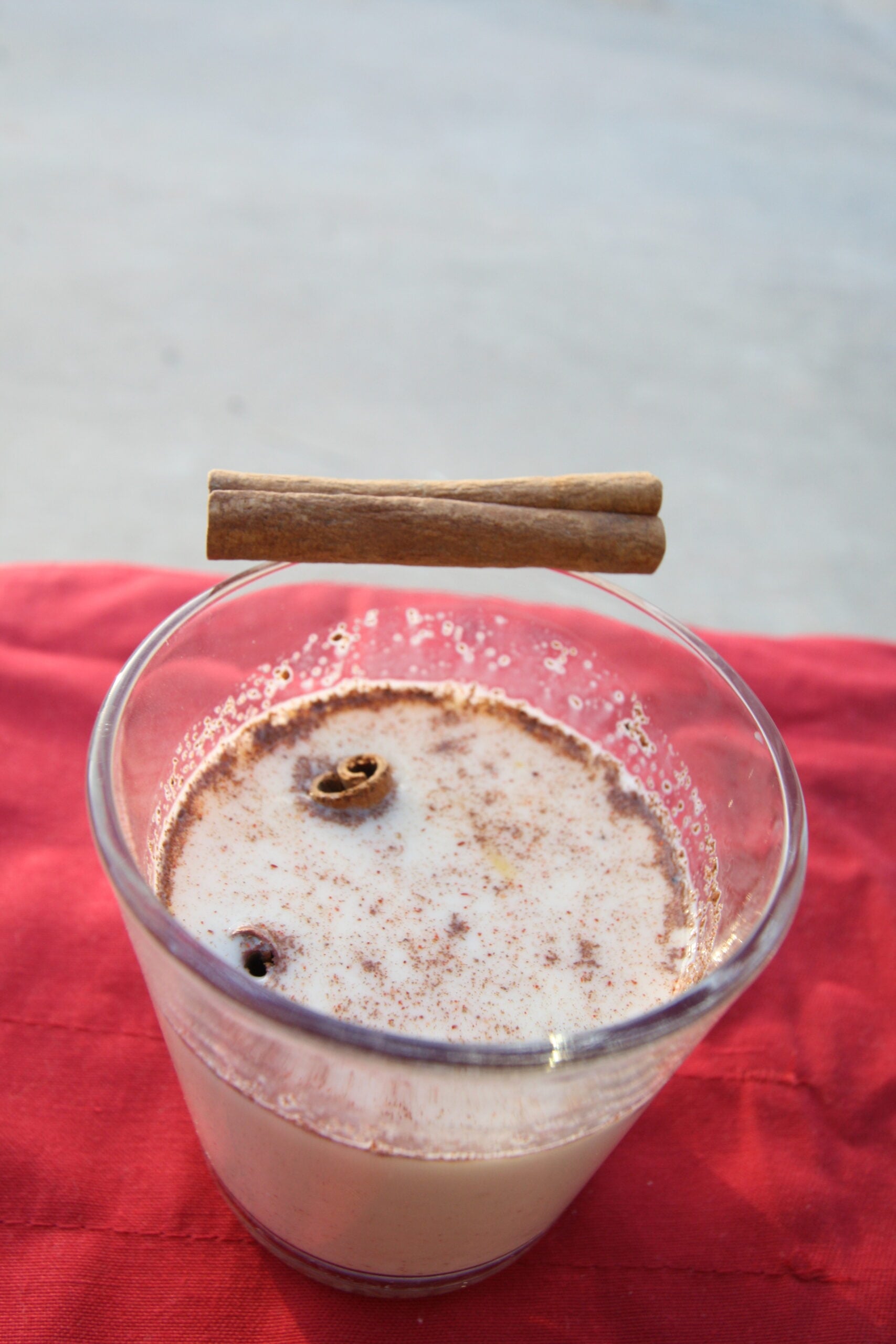
Eggnog is the richest drink on the holiday table, and that is exactly why people keep coming back to it. Traditional versions combine milk, cream, sugar, eggs, and warming spices such as nutmeg, with rum, bourbon, or brandy often added for an adult pour.
In the United States, eggnog has become closely tied to Christmas, but its roots trace back to older European milk punch traditions. The texture is the point. Good eggnog should feel velvety rather than heavy, with spice that supports the custardy base instead of overpowering it.
Store-bought cartons make it convenient, but homemade versions offer more control over sweetness and thickness. It shines in small glasses after dinner, when a full mug of something hot might feel like too much. A light dusting of fresh nutmeg on top does more for aroma than almost any other finishing touch.
Apple cider
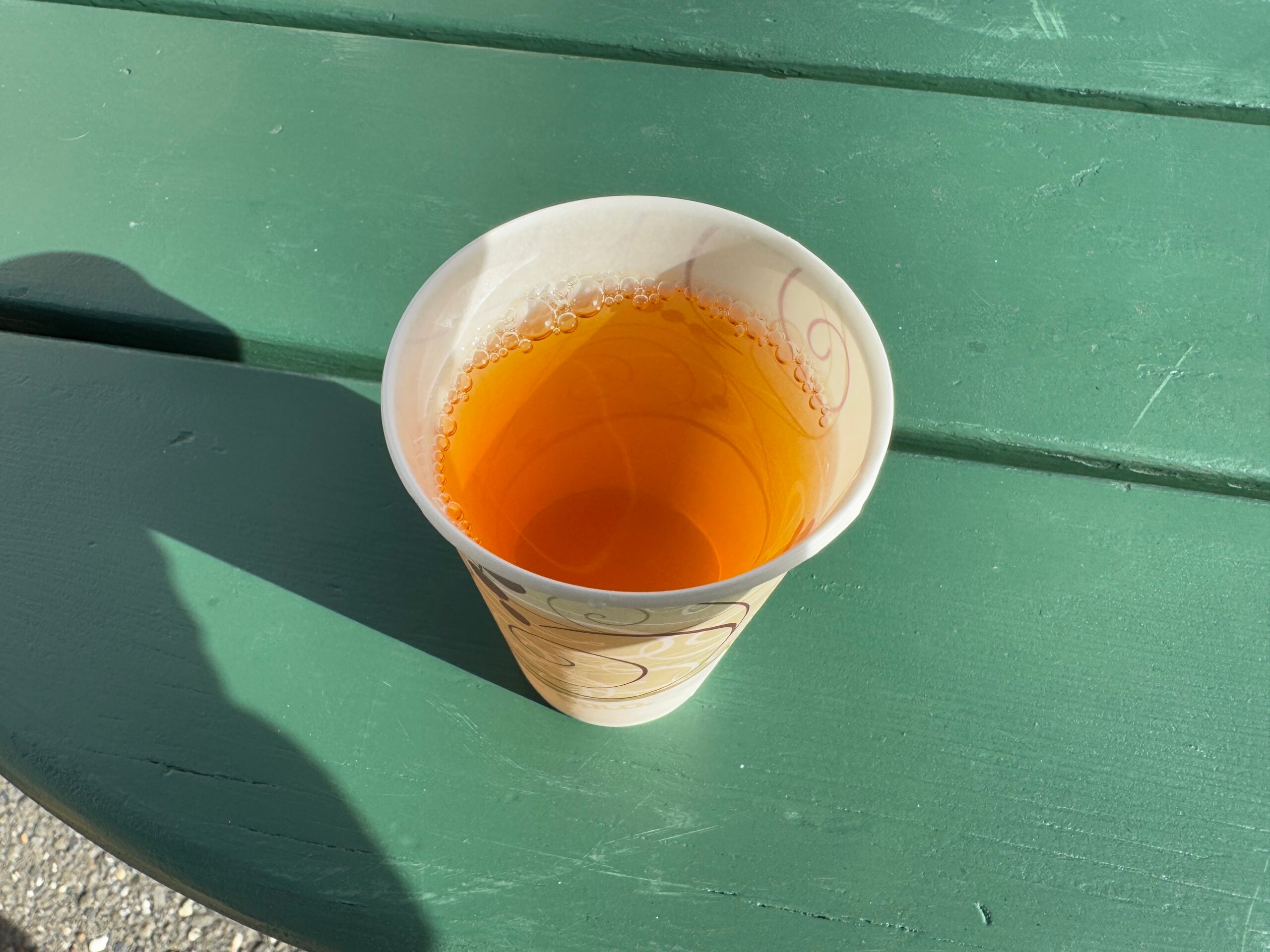
Apple cider is the drink that bridges late fall and early winter better than almost any other. Served cold, it feels tied to orchards and Thanksgiving weekends. Served hot, it moves effortlessly into Christmas territory.
In the United States, cider usually means unfiltered apple juice, which keeps more apple solids and gives the drink its cloudy look and fuller flavor. When warmed with cinnamon sticks, cloves, ginger, or orange peel, it becomes a crowd-pleasing nonalcoholic option that still feels festive enough for a party.
It is also one of the easiest drinks to customize. A splash of rum or bourbon turns it into something more cocktail-like, while cranberries or pomegranate can sharpen the flavor and deepen the color. For family gatherings with mixed ages and tastes, cider often ends up being the first pot to empty.
Coquito
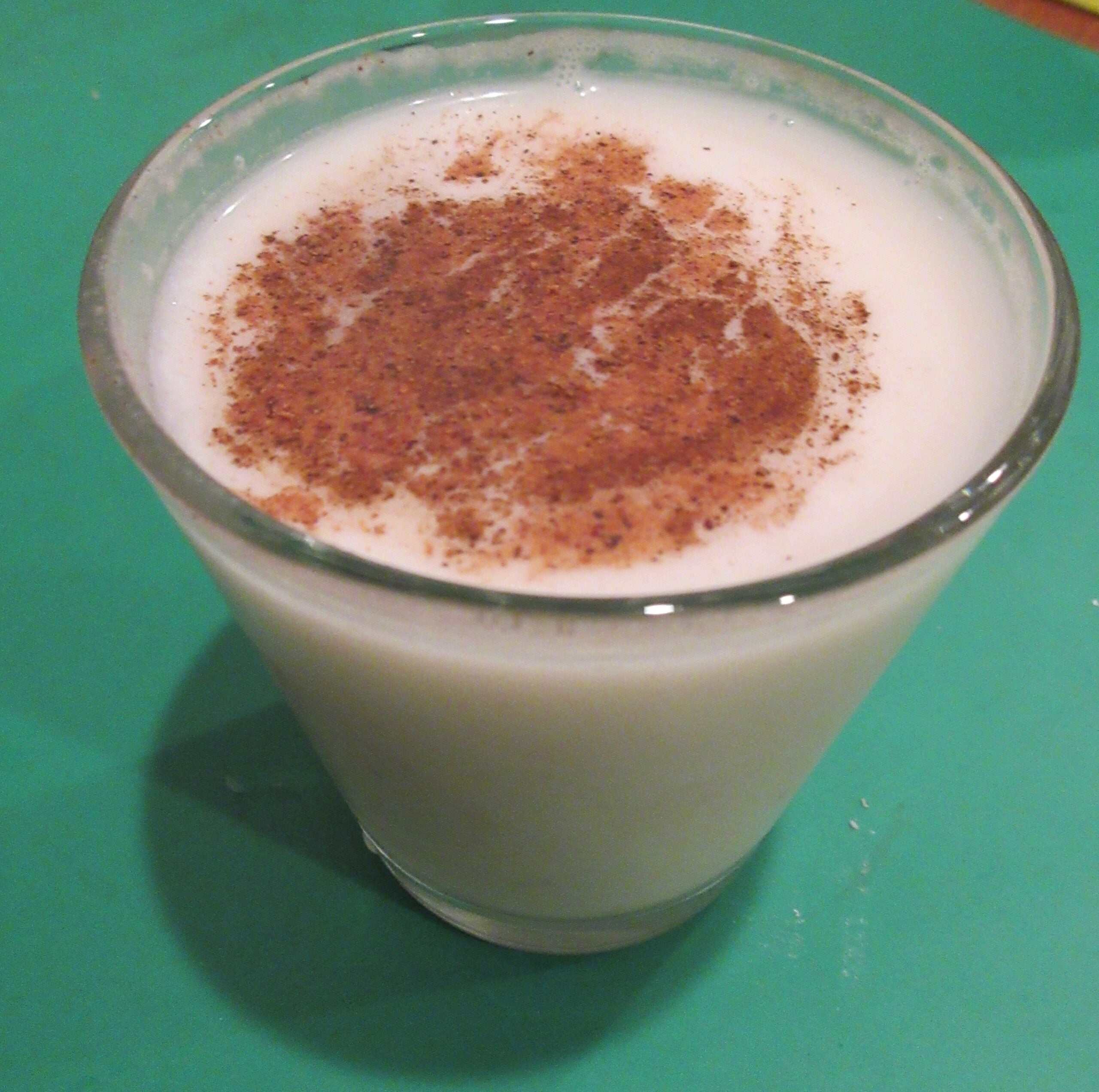
Coquito brings a different kind of holiday richness, one built around coconut rather than dairy alone. The Puerto Rican drink is often made with cream of coconut, coconut milk, sweetened condensed milk, evaporated milk, rum, and spices such as cinnamon.
Its name means "little coconut," and it is a staple of Christmas celebrations in many Puerto Rican households. Compared with eggnog, coquito is usually silkier and more aromatic, with the coconut carrying the spice in a way that feels both tropical and wintry.
Recipes vary widely from family to family, which is part of the drink's charm. Some versions are thicker, some stronger, and some lean harder on clove or vanilla. Chilled and poured into small glasses, it works especially well as a dessert drink when the table is full of cookies, flan, or spiced cakes.
Hot chocolate
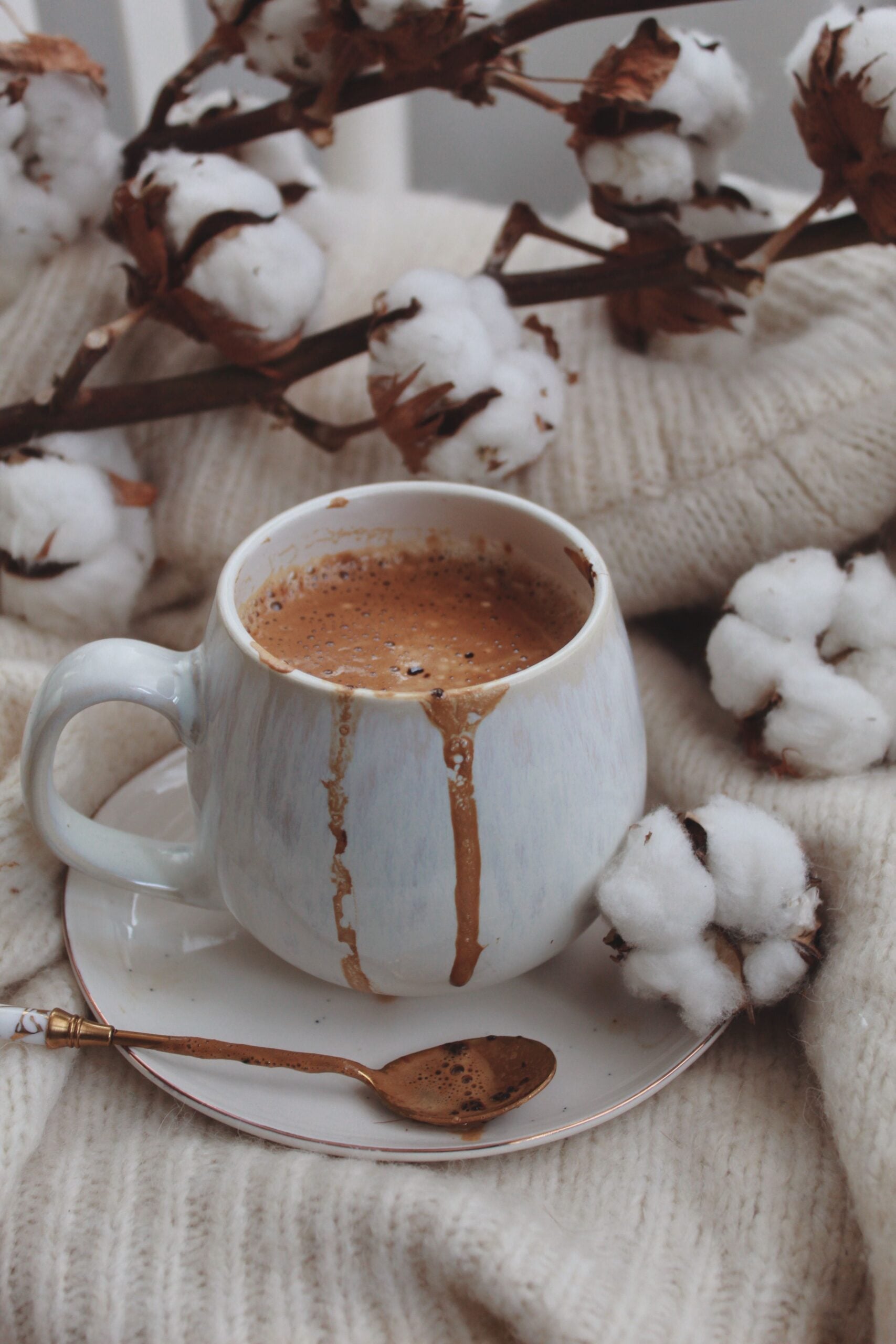
Hot chocolate earns its place on a holiday drinks list because it works for nearly every age and every kind of occasion. At its best, it is made with real chocolate or cocoa, milk, and just enough sugar to keep the flavor deep rather than flatly sweet.
The style can shift dramatically. A darker version with bittersweet chocolate feels more grown-up, while a softer milk chocolate base leans nostalgic. Toppings also change the mood, from marshmallows and whipped cream to peppermint, cinnamon, or a pinch of chile for extra warmth.
This is one of the few drinks that can anchor a whole holiday moment on its own. It suits tree decorating, movie nights, cookie baking, and cold evenings when guests want something comforting but alcohol-free. Few beverages cross generations this easily and still feel genuinely festive.
Poinsettia cocktail
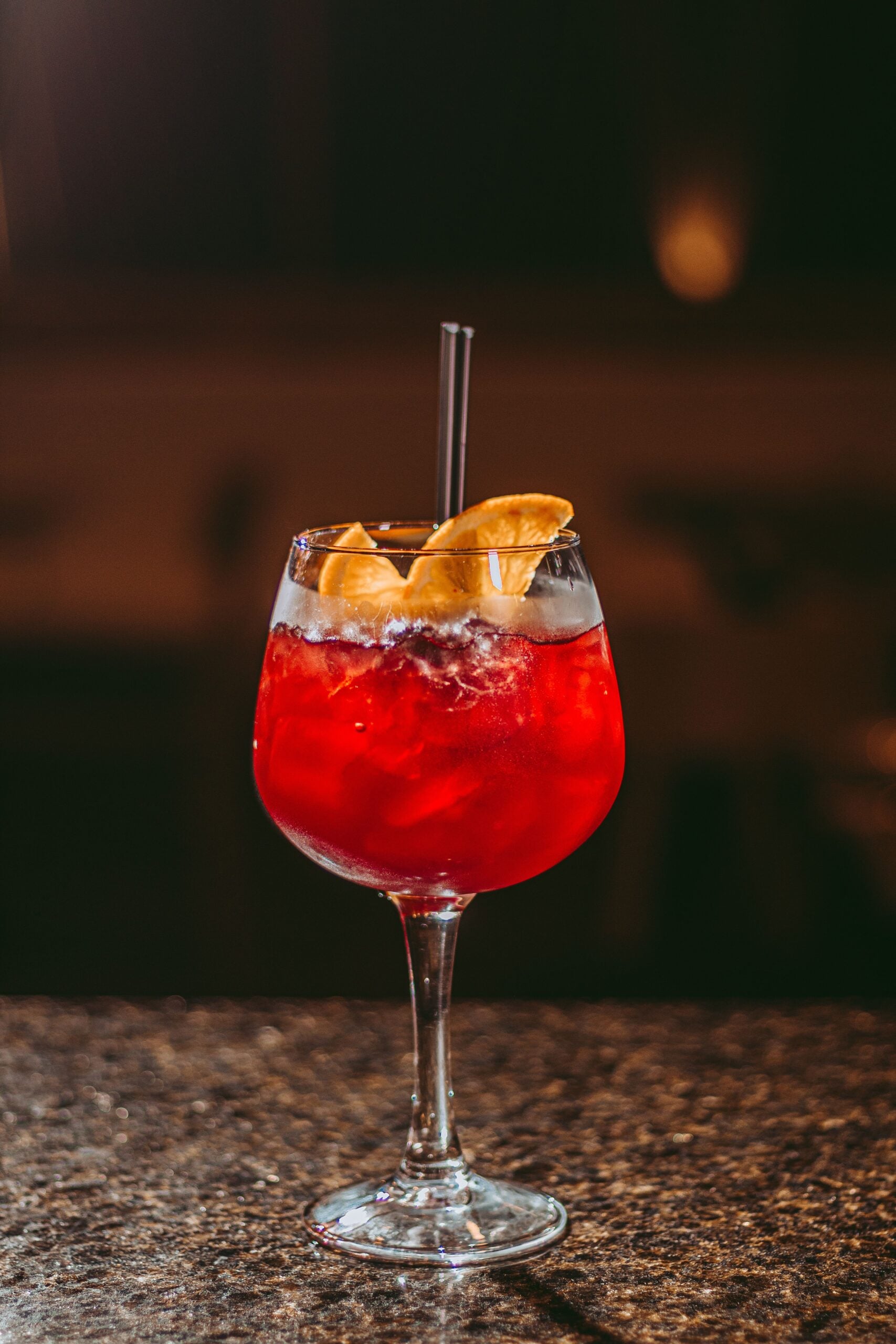
The poinsettia cocktail brings sparkle to a season that can otherwise lean heavy and creamy. Usually made with sparkling wine, cranberry juice, and an orange liqueur such as Cointreau, it is bright, tart, and light enough to serve before a big holiday meal.
Its appeal is not just the color, though the ruby hue certainly helps at Thanksgiving and Christmas parties. The flavor profile also makes sense for entertaining. Bubbles keep it refreshing, cranberry gives it seasonal character, and orange adds a clean citrus note that stops the drink from tasting too sharp.
Because it is simple to assemble, the poinsettia is useful for hosts who want something festive without setting up a full bar. It can be poured by the glass or scaled for a small crowd, and it offers a welcome contrast to richer foods like stuffing, ham, creamy dips, and butter-heavy desserts.
Wassail
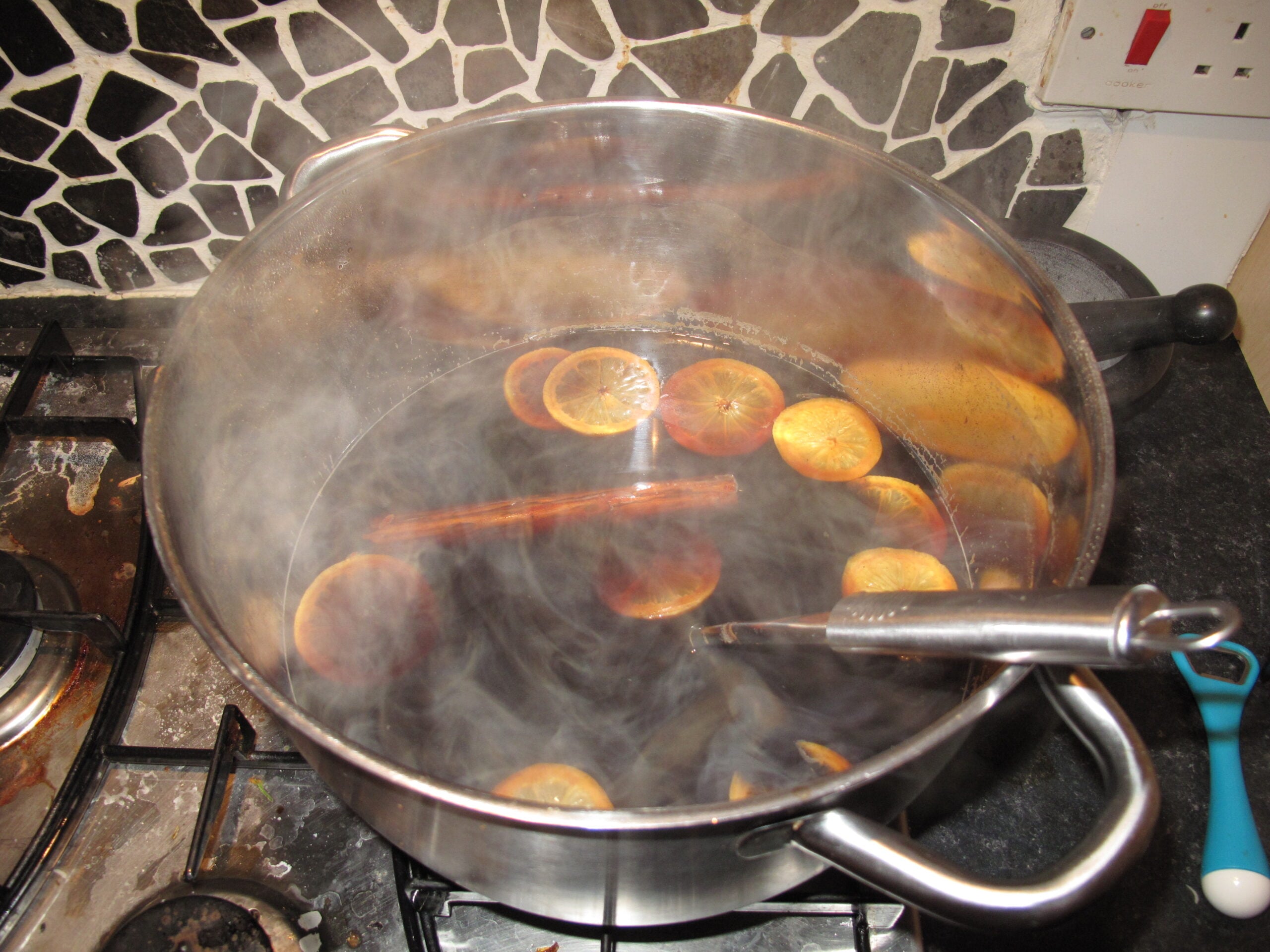
Wassail closes the season on a more old-fashioned note. The term has been used for both a hot mulled drink and the tradition of sharing good wishes, especially in parts of England where wassailing was linked to communal singing and orchard celebrations.
Modern wassail recipes often combine apple cider with citrus, cinnamon, cloves, ginger, and sometimes ale, sherry, or brandy. That mix gives it more depth than plain spiced cider, with layers of fruit, tannin, and spice that feel built for long evenings and large batches.
What makes wassail memorable is its sense of occasion. It tastes familiar enough for nearly anyone to enjoy, but it still carries a bit of historical character that sets it apart from more common party drinks. As a final cup on a December night, it feels warm, generous, and entirely in season.

Leave a Reply