
Holiday food in Canada has always reflected migration, regional cooking and the practical need to feed a crowd in winter. Some dishes that once showed up regularly at Christmas and New Year's are now rare, even though they helped define festive meals for generations.
Tomato aspic

There was a time when a shimmering tomato aspic looked perfectly at home on a holiday buffet. This savoury gelatin salad, often made with canned tomato juice, celery, onion and a mould, was a mid-century favourite in Canada as well as the United States.
Its popularity owed a lot to convenience culture. Gelatin recipes appeared widely in community cookbooks, newspaper food pages and company pamphlets through the 1950s and 1960s, when moulded salads signaled effort and polish. At Christmas, the bright red colour also made it feel suitably festive.
What changed was taste. As richer hot dishes replaced chilled buffet salads, aspic started to read as old-fashioned rather than elegant. Today it survives mostly as a curiosity, but it once represented a very specific holiday ideal: organized, decorative entertaining for a full house.
Jellied salads with cottage cheese

A holiday table in many Canadian homes once included a ring mould filled with gelatin, crushed pineapple, canned fruit or cottage cheese. These salads were especially common when church suppers, family potlucks and make-ahead entertaining shaped festive menus.
Part of their appeal was economy. Canned fruit, packaged gelatin and dairy stretched easily to feed a crowd, and the finished dish could be prepared well before guests arrived. In prairie and small-town kitchens, that mattered during a season already crowded with baking and roast preparations.
They faded for the same reason many mid-century salads did. Changing ideas about freshness and texture made sweet, wobbly side dishes less desirable beside turkey, ham or tourtière. Even so, older Canadian cookbooks show how central they once were to holiday hospitality.
Plum pudding
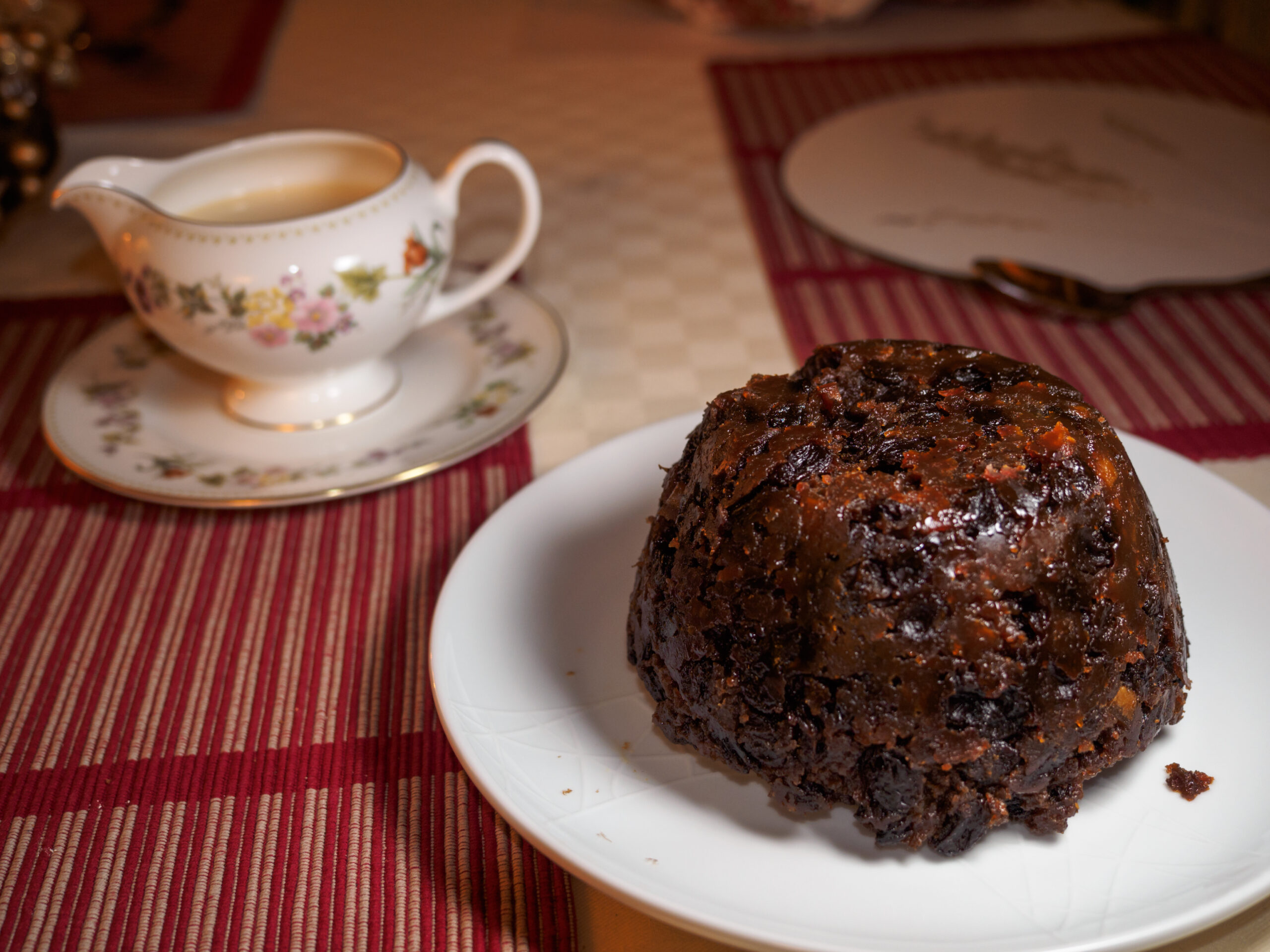
For many families, Christmas did not feel complete without a dark, dense plum pudding brought to the table flaming. Despite the name, traditional versions often contained no fresh plums at all, relying instead on dried fruit, suet, breadcrumbs, spices and long steaming.
The dish came to Canada through British culinary traditions and held on strongly in English Canadian households. It was especially associated with Christmas dinner and often made weeks in advance, which helped flavours deepen over time. Coins or charms were sometimes tucked inside, continuing a custom with roots in Britain.
Plum pudding faded as fewer households committed to labor-intensive desserts with suet and extended steaming times. Lighter sweets and store-bought options were easier. Still, for generations it was one of the clearest signs of a British-style Canadian Christmas.
Mincemeat pie
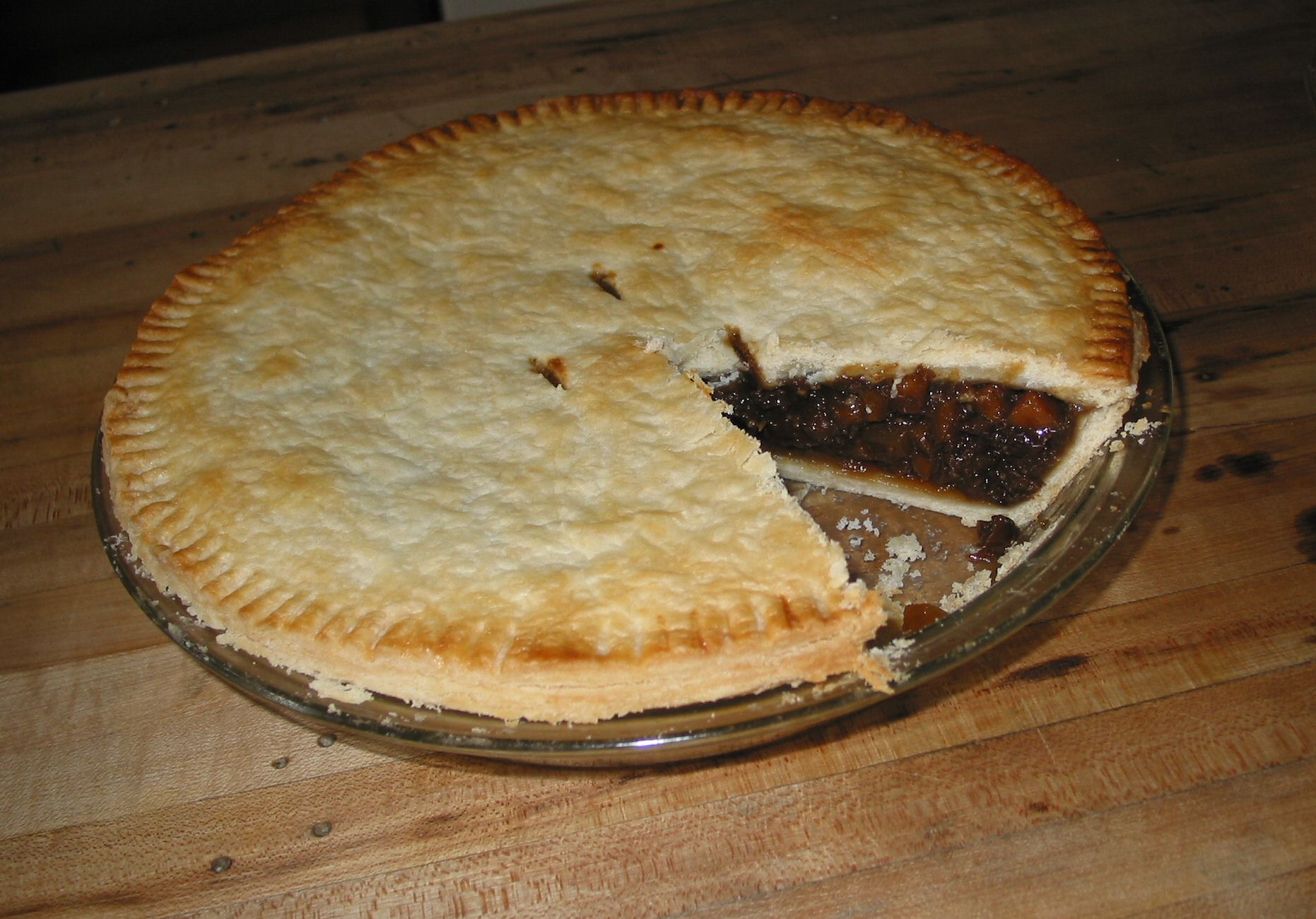
Mincemeat pie used to be a standard sight during the holiday season, especially in homes with British roots. Traditional mincemeat combined chopped dried fruit, spices, sugar and beef suet, and older recipes could also include meat, reflecting the dish's medieval origins.
By the 20th century, many Canadian home cooks were using sweeter meatless versions, often from jars or family recipes. It remained a fixture at Christmas because it kept well, tasted festive with cloves and cinnamon, and paired naturally with winter baking traditions.
Its decline came gradually. As palates shifted, younger diners often found the filling too dense or too heavily spiced, and the word "mincemeat" itself could confuse people expecting something savoury. What was once a holiday staple is now more likely to appear as a nostalgic specialty.
Boiled tongue
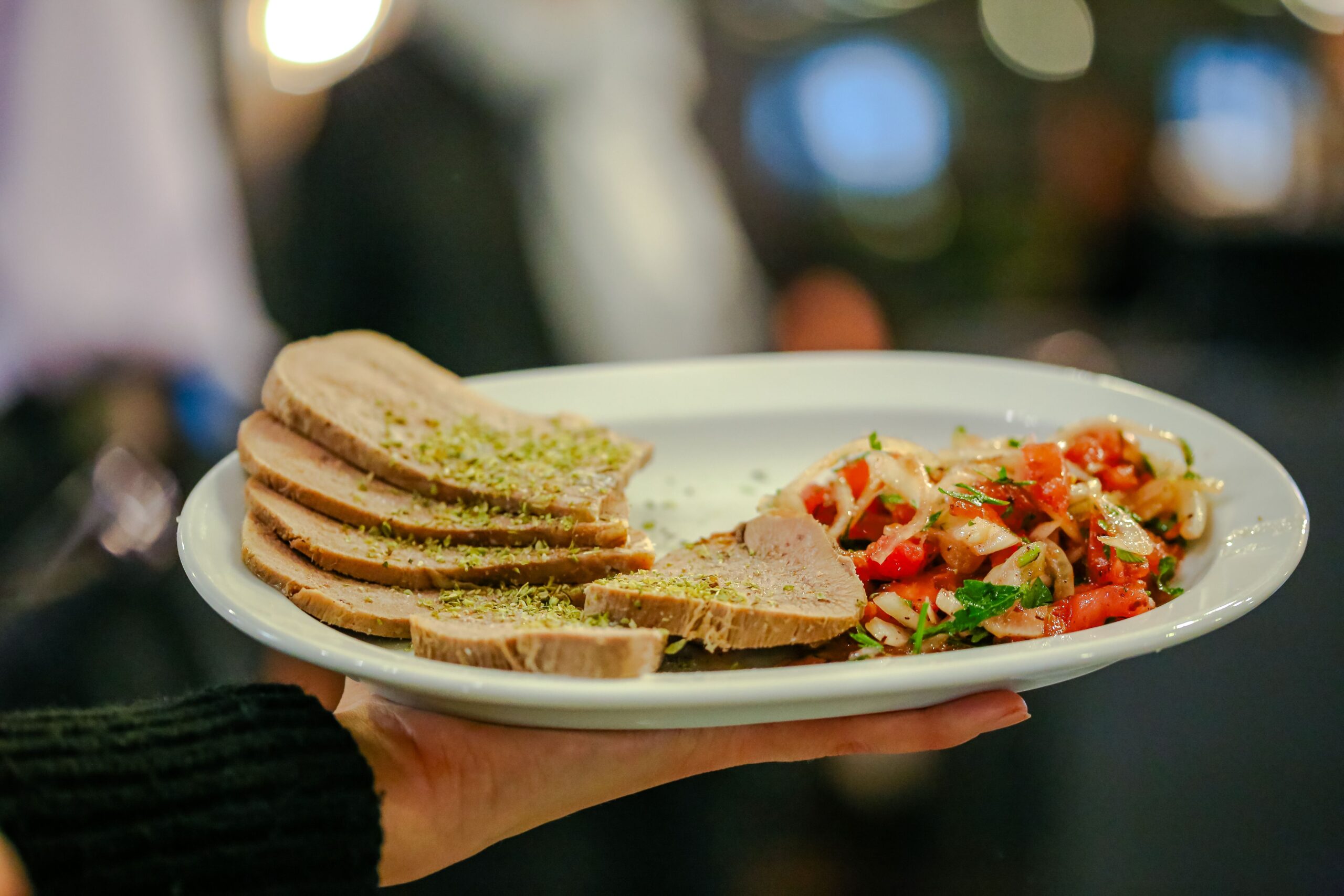
Few dishes better capture an older holiday table than boiled tongue, sliced thin and served cold or warm. Beef tongue was once valued for thrift and flavour, and in many households it appeared at Christmas or New Year's among the cold cuts, pickles and relishes.
This was practical celebratory cooking. Before today's abundance of premium cuts, using the whole animal was common, and tongue could feed many people once cooked, peeled and pressed. On a buffet, it offered variety next to ham, roast meats and salads.
Its disappearance has a lot to do with changing comfort levels around offal, meaning organ meats and less familiar animal parts. As mainstream shopping habits narrowed, dishes like tongue moved from ordinary holiday fare to niche tradition. Yet older menus show it was once served with pride.
Oyster stuffing
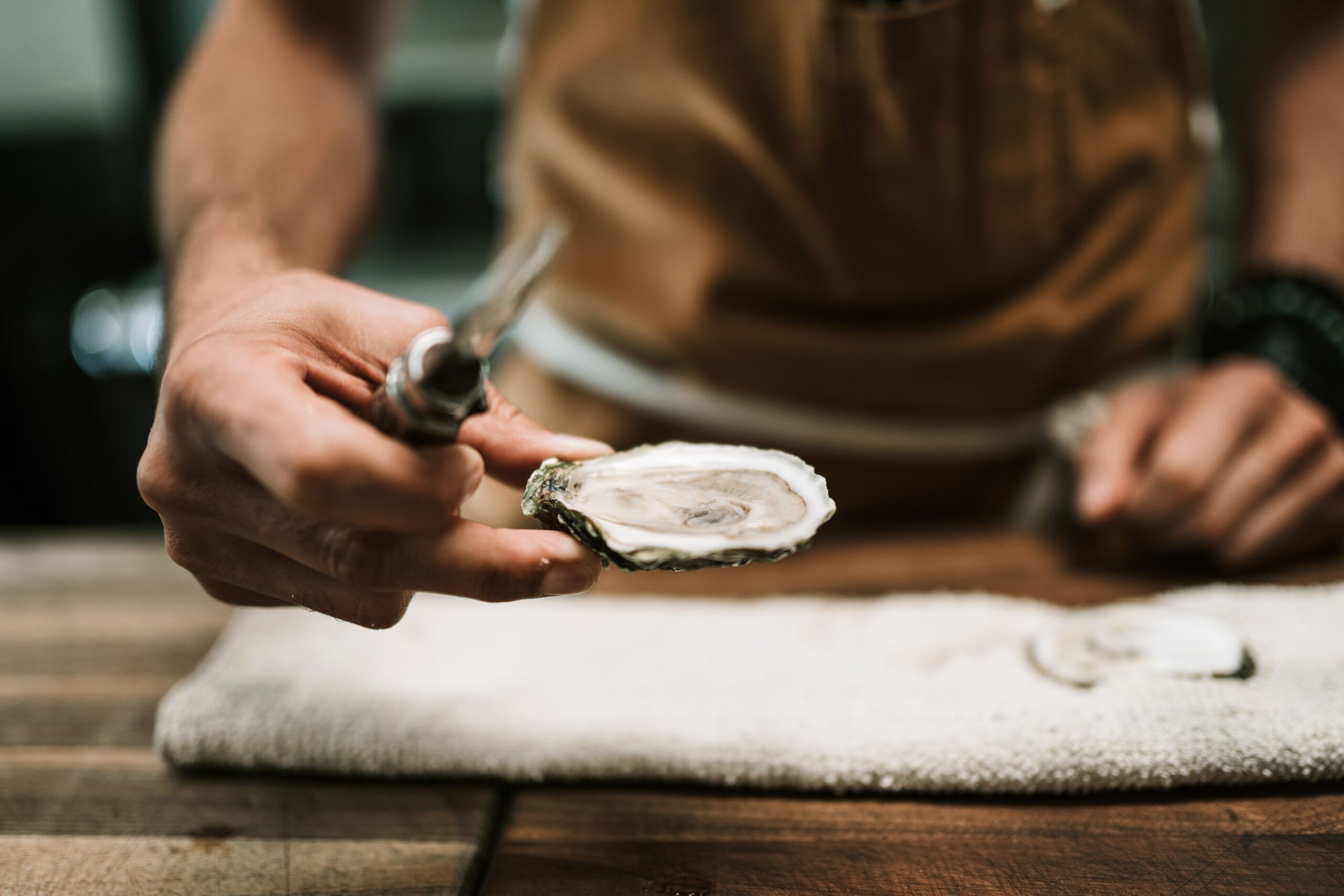
Oyster stuffing sounds extravagant now, but it was once a recognized holiday dish in parts of Canada, especially in households shaped by British and Maritime foodways. Oysters were commonly packed in tins or shipped inland, making them more accessible for special occasions than many people assume today.
The stuffing usually paired breadcrumbs, onion, herbs, butter and chopped oysters, adding briny richness to turkey. In an era when festive meals carried strong regional identities, seafood in stuffing marked a link to coastal trade and older English cooking traditions.
It declined as stuffing preferences simplified and oysters became less routine in home cooking. For many modern diners, the combination sounds unusual. Historically, though, it fit perfectly into a Christmas meal that treated preserved or transported seafood as a prized winter ingredient.
Mock chicken
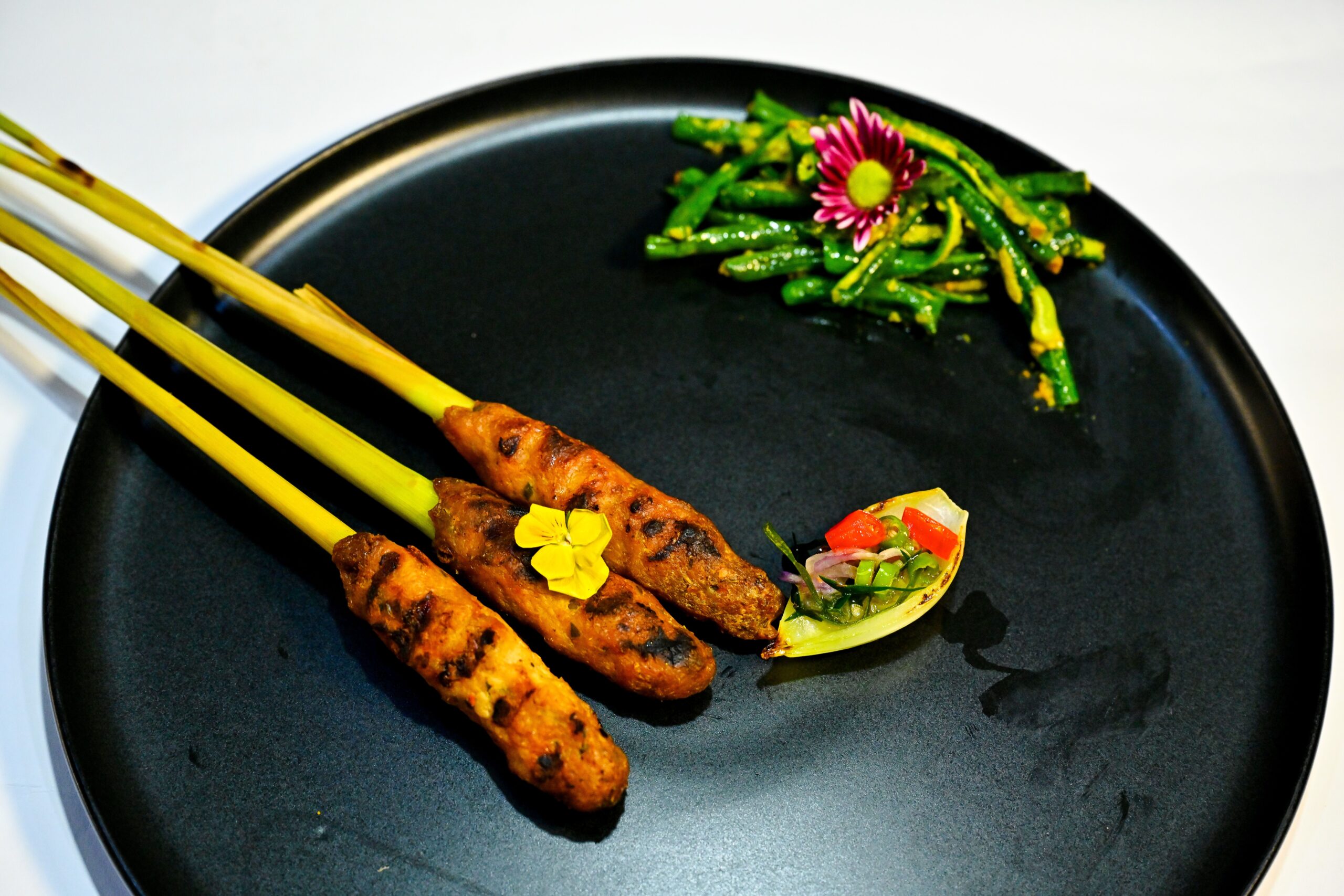
Mock chicken was never really chicken. In older Canadian cookery, the term often referred to a loaf or baked dish made to imitate the flavour or role of a more expensive meat, using veal, pork, breadcrumbs or seasonings in economical combinations.
That made it useful for holidays in households trying to stretch a budget without giving up the formality of a special meal. Community and household manuals from the late 19th and early 20th centuries include many "mock" recipes, showing how strongly thrift shaped celebratory cooking.
As incomes rose and food distribution improved, imitation dishes lost some of their appeal. People no longer needed to disguise economical ingredients to create a feast. Mock chicken survives mostly in historical recipe collections, but it speaks clearly to the resourcefulness behind older Canadian holiday tables.
Figgy duff
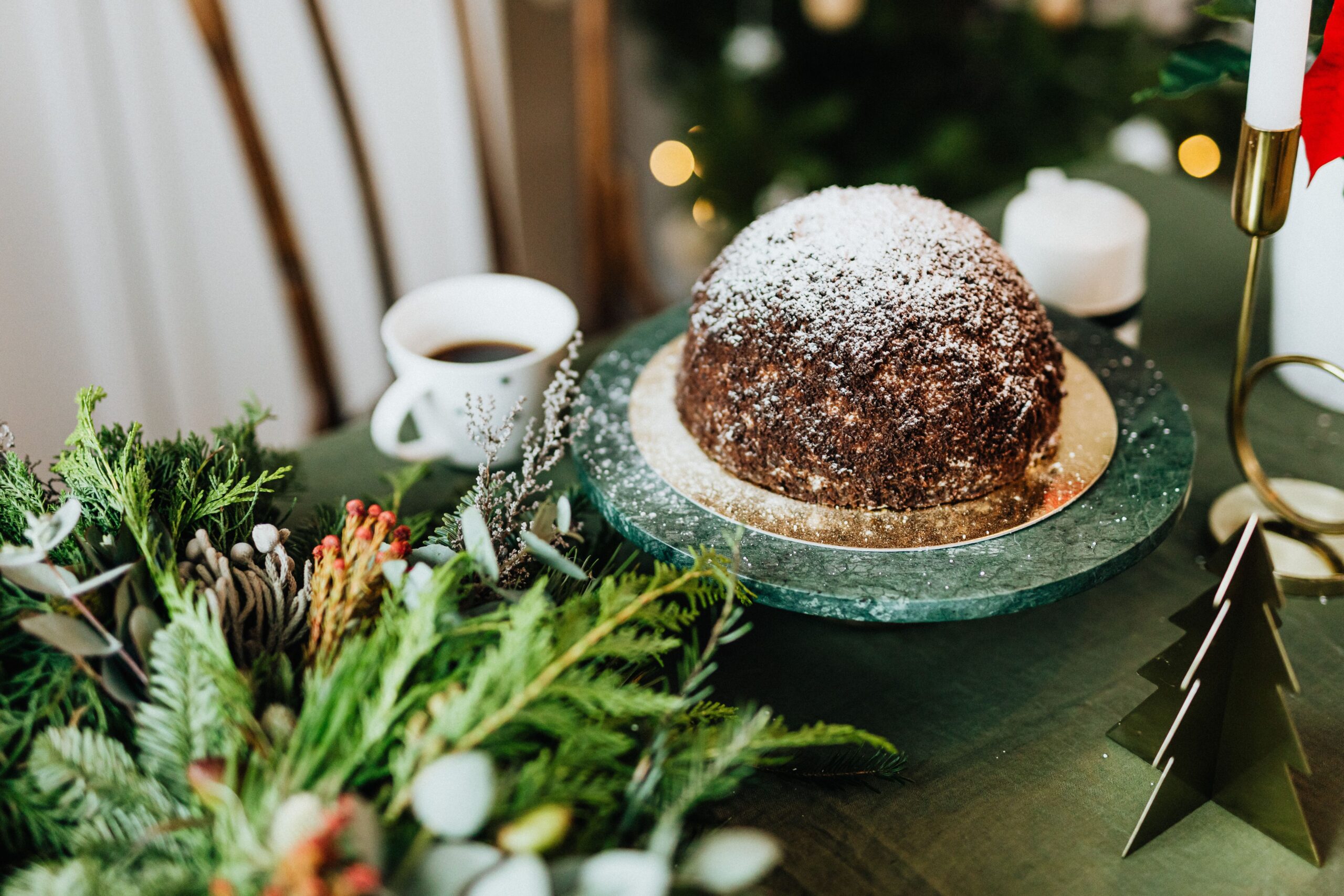
In Newfoundland and Labrador, figgy duff long held a place at special meals, including winter celebrations. Despite the name, it traditionally contains raisins rather than figs. The dish is a boiled pudding, often made with flour, molasses, butter and dried fruit, then served with a sweet sauce.
Its roots reflect the province's British and Irish influences, along with the practical use of shelf-stable ingredients in a cold climate. A pudding that could be boiled and served hot made sense in kitchens where hearty, sustaining desserts were part of festive eating.
Outside the region, figgy duff never became a mainstream Canadian holiday dessert, and even within Newfoundland and Labrador it is less common than it once was. But as a closing note in Canada's holiday food story, it shows how local traditions can endure even as national tastes move on.


Leave a Reply