
Wartime rationing changed the Canadian dinner table in quiet but lasting ways. What people could buy, bake, or spread on toast suddenly became part of the national war effort.
Butter Was One of the Most Closely Watched Staples

Few foods felt more essential to Canadian households than butter. It was a daily staple for bread, baking, and cooking, which made it one of the most noticeable rationed items when limits tightened during the war.
Canada introduced butter rationing in 1943 as supply pressures grew and military needs increased. Civilian demand had to be balanced against shipments for service members, Britain, and other Allied destinations, so the government moved to cap domestic purchases.
Ration books and coupons controlled how much families could buy, and shortages often made store visits frustrating. Even when people had coupons, some shops ran short, especially in smaller communities or during seasonal dips in production.
The result was a shift in household habits. Cooks scraped pans more carefully, used drippings or preserves in place of butter, and reserved it for baking or the table rather than everyday frying.
Sugar Became a Symbol of Wartime Sacrifice

Sugar rationing touched nearly every kitchen because sugar sat at the center of preserving, baking, tea, and desserts. Limiting it was not just about sweetness. It was about controlling a highly traded commodity needed across the Allied world.
Canada began rationing sugar in 1942, and every person, including children, received an allotted amount through coupon books. The measure was designed to prevent hoarding and keep access more equitable while shipping lanes and international supply chains remained under stress.
The restriction hit home canning season especially hard. Families who normally preserved berries, peaches, or jams in large batches had to plan carefully, reuse every grain wisely, and sometimes reduce the scale of their winter food stores.
Creative substitutions followed. Housewives' columns and government guidance promoted molasses, corn syrup, and less-sweet recipes, showing how rationing influenced not only shopping but also the flavor of wartime home cooking.
Tea Was Limited Despite Its Place in Daily Life

Tea carried deep cultural weight in Canada, especially in homes shaped by British traditions. It was more than a beverage. It was tied to hospitality, routine, comfort, and morale during years of uncertainty and separation.
Because much of the tea supply came through vulnerable shipping routes, wartime transport disruptions affected availability. Protecting cargo space for military essentials meant everyday imports faced tighter control, and rationing became a practical response to a global logistics crisis.
For many households, reduced tea supplies changed familiar rituals. Pots were brewed weaker, leaves were reused, and serving tea to guests became a more deliberate act rather than an automatic social habit.
The rationing of tea also showed how the war reached beyond food calories and into emotional life. When even a simple cup was restricted, Canadians felt the conflict not just in policy but in the rhythm of the home.
Coffee Also Came Under Wartime Controls

Coffee may seem ordinary now, but during the war it was vulnerable because Canada depended heavily on imported supplies. Any disruption in shipping, warehousing, or allocation could quickly ripple into grocery shelves across the country.
Although rationing and control measures varied over the course of the war, coffee was among the foods whose availability became restricted by wartime management. Households were encouraged to avoid waste and make precious pantry items stretch further.
People responded in practical ways. Some brewed weaker pots, others blended coffee with substitutes, and many treated an extra cup as an unnecessary luxury rather than a casual part of the day.
This mattered because coffee had become a workday fuel for factory labor, office routines, and farm life. Limiting it highlighted the tension between maintaining civilian morale and directing resources toward victory overseas.
Meat Was Rationed to Balance Fairness and Supply
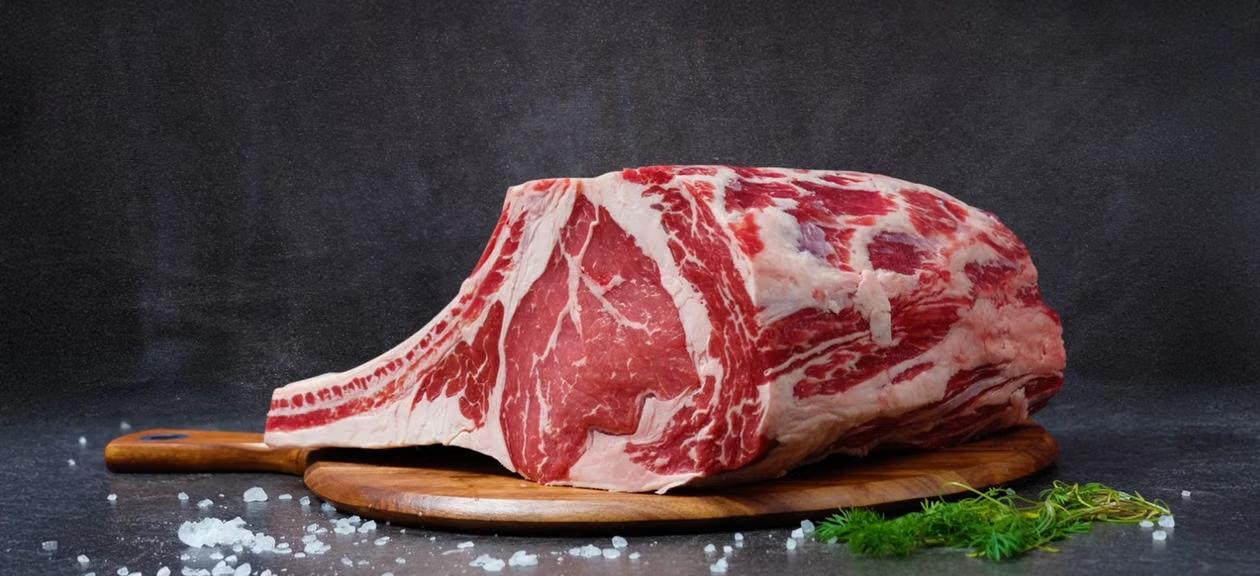
Meat rationing reflected a blunt wartime reality: protein was essential, but supplies had to be managed carefully. Armed forces, export commitments, and domestic consumers all relied on the same agricultural system, creating unavoidable pressure.
Canada introduced meat rationing in 1943, using coupons to limit purchases and spread available supply more evenly. The goal was not simply scarcity management. It was also to discourage panic buying and reinforce a sense of shared sacrifice.
Families adjusted by changing meal patterns. Stews, soups, casseroles, and dishes built around smaller amounts of meat became more common, while bones, fat, and leftovers were used with remarkable efficiency.
Butchers and grocers became key interpreters of the rules, often advising customers on economical cuts and weekly limits. In that sense, rationing reshaped not only menus but also the relationship between communities and local food sellers.
Bacon Was Restricted Even in a Pork-Producing Country
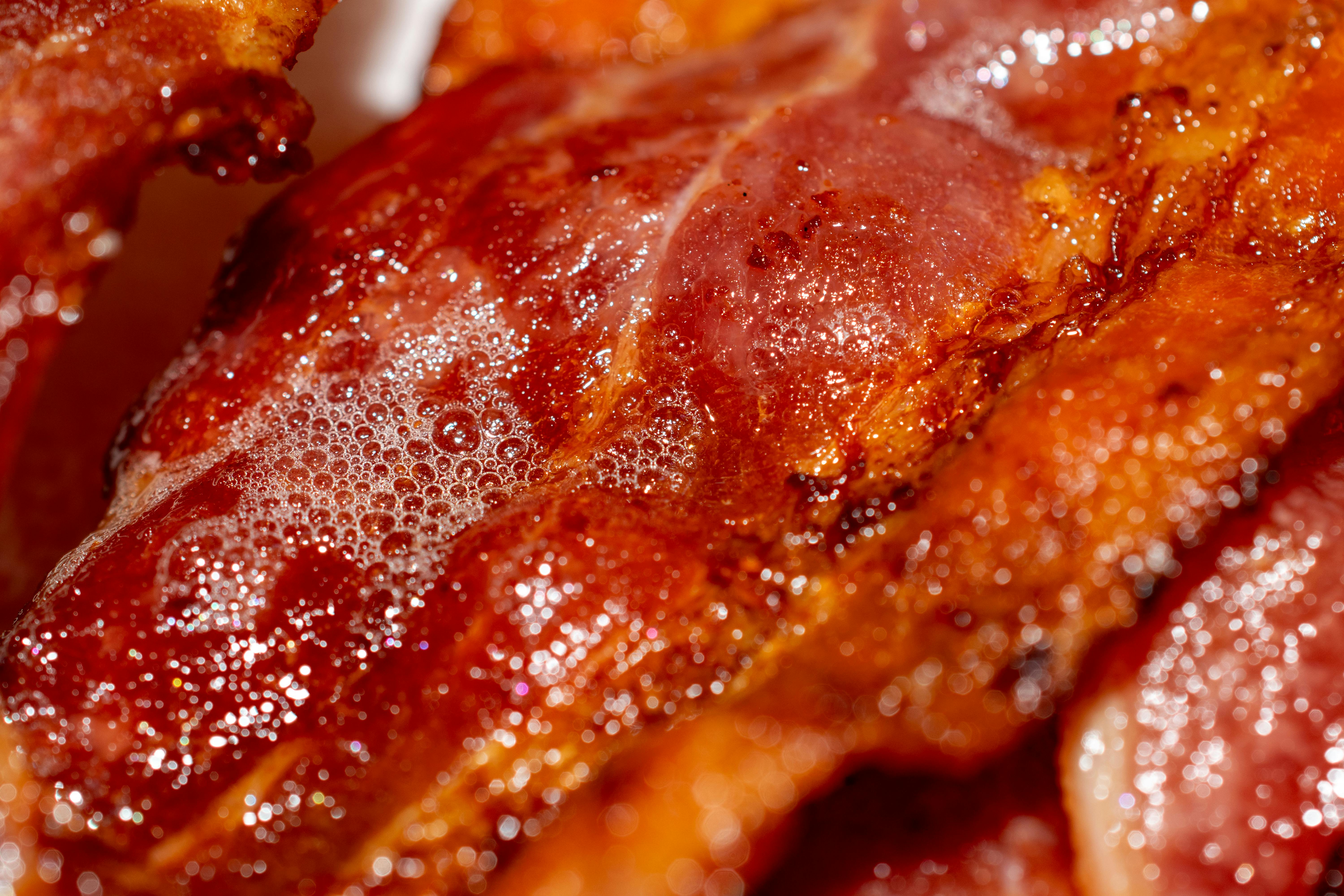
Bacon held a special place in Canadian diets, yet wartime demand made it far from guaranteed. Despite Canada's strong agricultural base, pork products were heavily tied to military provisioning and overseas food support, particularly for Britain.
That international obligation mattered enormously. Canadian bacon and cured pork were valuable exports within the Allied supply system, so domestic shoppers often had to accept limits even while living in a country known for livestock production.
In practical terms, households stretched breakfast meats by serving smaller portions or saving bacon for weekends and special meals. Rendered fat was rarely wasted and often became a useful cooking medium for potatoes, vegetables, or bread frying.
Bacon rationing exposed an important truth about wartime food policy. National abundance did not automatically mean unrestricted household access when governments prioritized military needs and alliance commitments above ordinary consumer preference.
Cheese Faced Controls as Dairy Demand Intensified

Cheese was another dairy food affected by wartime pressure, though its rationing history was shaped by regional supply, export demand, and the broader need to channel milk into the most strategic uses possible. Butter often gets more attention, but cheese mattered too.
Milk could not be everywhere at once. If more cream and milk were directed toward butter, dried milk, or military needs, cheese production and civilian access could tighten, especially when transportation and processing capacity were under strain.
For consumers, cheese became something to use carefully rather than casually. A thick slice in a sandwich or generous grating over supper could feel extravagant when families were trying to make every rationed purchase count.
Its restriction also reveals how interconnected wartime food systems were. One pressure point in dairy production could shape several products at once, reminding Canadians that rationing was a chain reaction, not a single-item problem.
Canned Foods Were Managed Because Shelf Stability Mattered

Shelf-stable food became strategically important during the war because it traveled well, stored easily, and supported both civilian preparedness and military provisioning. That made canned goods especially sensitive within a tightly managed wartime food economy.
Not every canned product was rationed in the same way, but many were affected by controls, shortages, or limited availability as factories, metals, transport, and agricultural output were redirected. Tin, labor, and processing capacity were all part of the equation.
Canadian households noticed this when favorite canned fruits, vegetables, or meats disappeared intermittently from shelves. Shoppers learned to buy seasonally, preserve food at home when possible, and remain flexible about what ended up on the plate.
In the end, rationing taught Canadians to think of food as a national resource rather than merely a personal purchase. These eight foods show how the war transformed ordinary eating into a daily act of discipline, adaptation, and collective effort.



Leave a Reply