
It is hard to imagine butter, jam, or sugar as controlled goods. Yet during WWII, the Canadian government treated many familiar foods as strategic resources.
Sugar

Sugar was one of the first foods Canadians felt disappear into wartime control. It mattered not only for tea and baking, but also for preserving fruit at home, making industrial foods, and supplying military rations.
Canada introduced sugar rationing in 1942, and each person received coupons that limited weekly purchases. The Wartime Prices and Trade Board oversaw distribution, while retailers had to follow strict recordkeeping rules. Hoarding was not simply frowned upon. It could be prosecuted because stockpiling undermined equal access and threatened supply management.
The pressure on sugar came from several directions at once. Shipping lanes were under strain, Caribbean supply chains were vulnerable, and wartime manufacturing competed with household demand. In many homes, recipes changed quickly, and desserts became smaller, simpler, or reserved for special occasions.
People adapted in practical ways. Housewives stretched preserves, substituted corn syrup or honey when available, and saved coupons carefully. Sugar became a daily reminder that total war reached right into the kitchen, turning an ordinary sweetener into a controlled national asset.
Butter
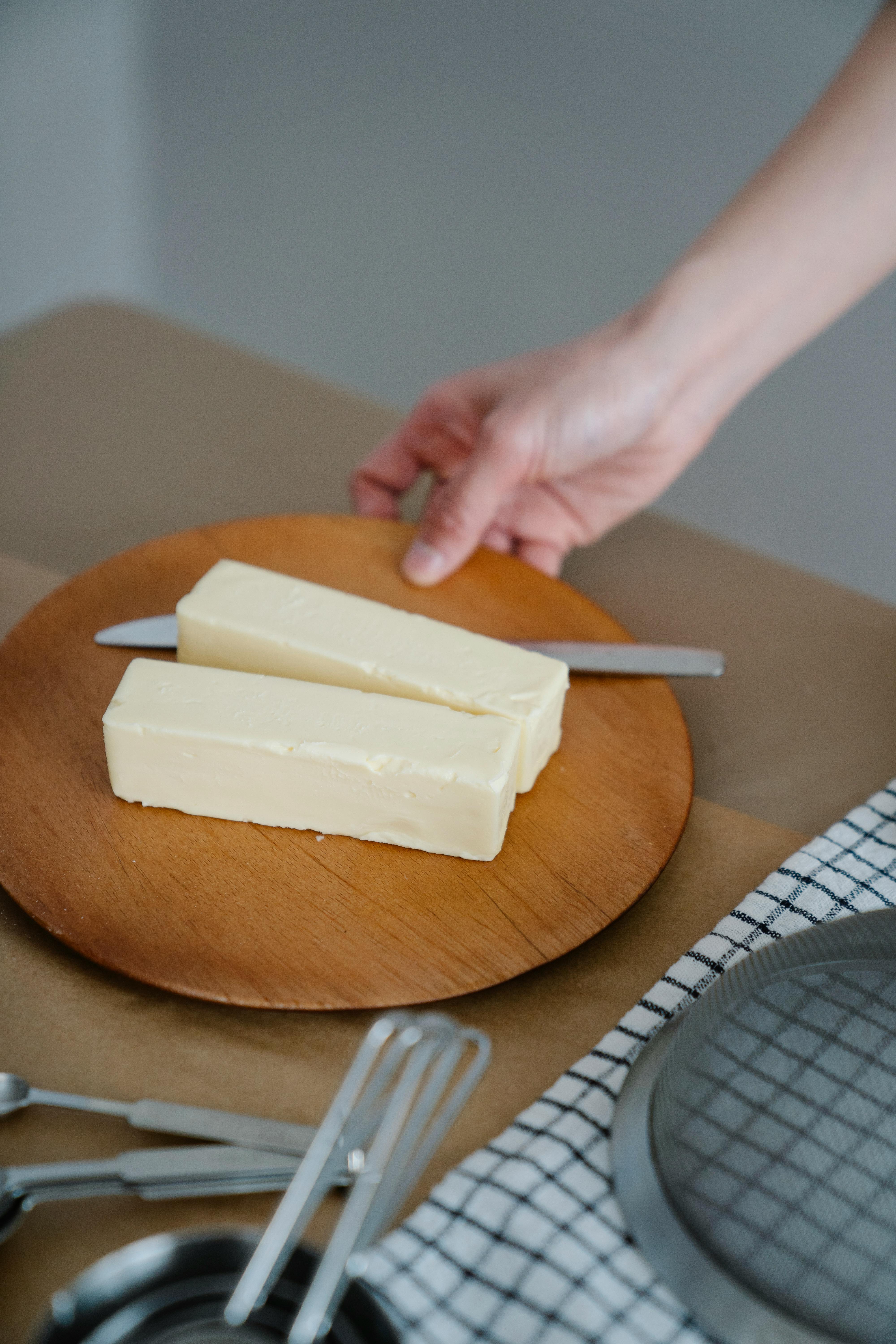
Butter rationing shocked many households because it was deeply tied to everyday meals. Toast, baking, frying, and sandwiches all depended on it, which made even modest restrictions feel personal.
In Canada, butter came under rationing as demand outpaced what could be comfortably supplied to civilians after military and export needs were considered. Officials wanted to stabilize prices and prevent wealthier consumers from buying far more than others. Making private stockpiles could be treated as an offense because rationing only worked if limits were broadly respected.
The issue was not that Canada lacked dairy expertise. The problem was wartime allocation. Butterfat had to be directed carefully, refrigeration and transport faced bottlenecks, and shipping food to Britain remained a priority under the larger Allied food strategy.
Families responded by scraping plates cleaner and using drippings, lard, or margarine substitutes where possible. Margarine itself had a complicated history in Canada and was restricted for years in several provinces, which made butter shortages feel even sharper. Few foods better captured the tension between abundance on farms and limits on the home table.
Tea

Tea seems almost too modest to classify as a regulated wartime commodity. But for Canadians, especially those with British roots, it was a comfort drink with enormous cultural weight.
Rationing tea was tied to imperial supply realities. Much of the tea consumed in Canada moved through vulnerable shipping routes, and enemy attacks on merchant fleets made imports less predictable. Once rationed, tea purchases were controlled by coupon, and accumulating extra quantities beyond legal limits could count as hoarding.
The emotional effect was larger than the item itself might suggest. Tea structured daily routines, hospitality, and morale. Limiting it meant changing habits that felt stable even during crisis, and many households began brewing weaker pots or reusing leaves in ways that would have seemed unthinkable before the war.
Storekeepers had to be careful as well. They could not simply set aside favored amounts for loyal customers without risking violations. Tea rationing showed how the state monitored not only calories and commodities, but also the comforting rituals that helped people endure long years of uncertainty.
Coffee
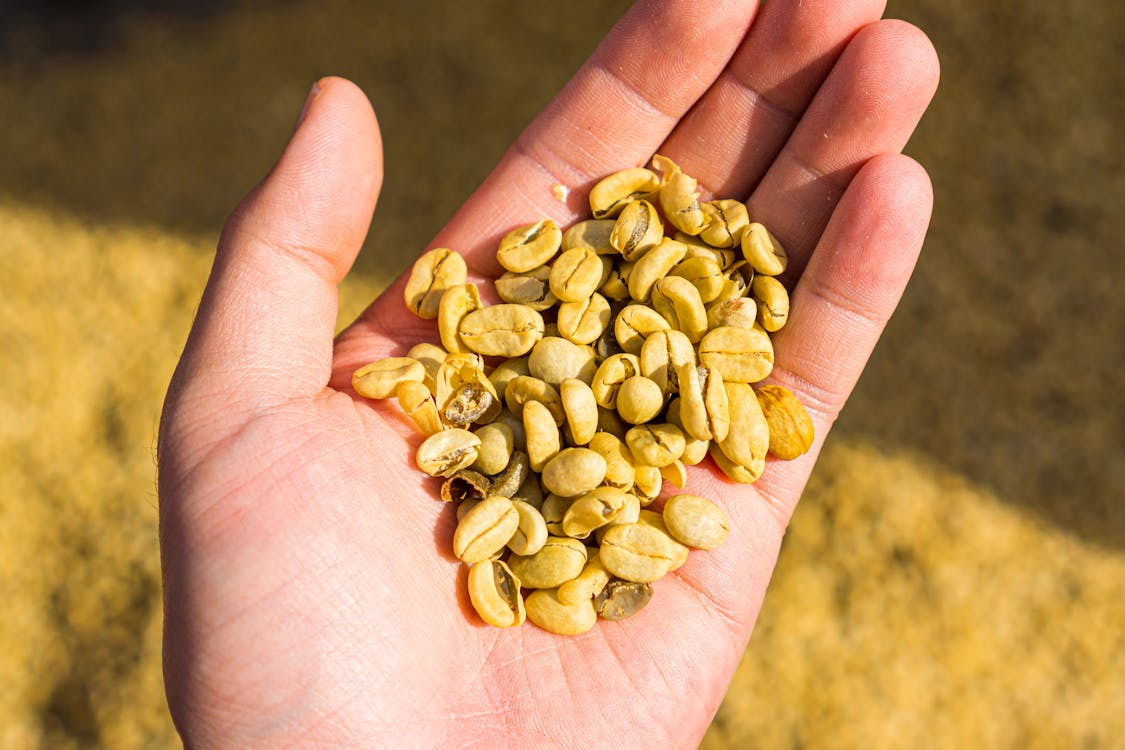
Coffee carried a different wartime story than tea, but it became just as sensitive. Its supply depended heavily on imports, and wartime transport strains made regular civilian access far less certain.
Canada moved to ration coffee as authorities tried to balance fair distribution with uncertain arrivals. The goal was to prevent panic buying, sharp price spikes, and the kind of back-room stockpiling that favored people with cash and connections. Under wartime regulations, hoarding staple goods like coffee could trigger fines or prosecution.
The shortage changed social life in subtle ways. Restaurants watched portions, homes brewed smaller batches, and hosts became more selective about when to offer a full cup. Some people mixed coffee with substitutes to stretch it further, though many considered the flavor disappointing.
Coffee rationing also revealed how global the Canadian pantry had become by the 1940s. A breakfast table in Winnipeg or Halifax depended on shipping networks stretching deep into Latin America and across contested seas. Wartime scarcity exposed that international dependence with unusual clarity.
Meat

Meat rationing touched one of the most central parts of the wartime diet. It was nutritionally important, symbolically tied to prosperity, and heavily demanded by armed forces at home and overseas.
Canada rationed meat in the later war years as pressure grew to channel supplies efficiently. Beef, bacon, and other cuts could not simply flow to whoever could pay most. Coupon systems and controlled retail practices were meant to keep distribution orderly, while anti-hoarding rules stopped consumers from filling iceboxes beyond permitted levels.
The case for control was practical. Troops required steady protein supplies, Britain depended on imported food, and processors had to meet military contracts first. Even in a food-producing country, slaughter capacity, refrigerated transport, and export commitments created tight domestic conditions.
Consumers adjusted by changing what they bought and how they cooked. Cheaper cuts, stews, organ meats, and meatless meals became more common. Wartime cookbooks and newspaper columns often framed these substitutions as patriotic rather than purely economical, helping households see sacrifice as contribution.
Jam

Jam may seem like a luxury, but in wartime Canada it occupied a complicated space between comfort food and preserved necessity. It used precious sugar, yet it also helped households store fruit and avoid waste.
Because sugar was rationed, jam production and purchase were affected almost automatically. Commercial jam makers had to work within allocation rules, and home canners often planned the season around whatever sugar coupons allowed. Excessive stockpiling could draw official attention because it signaled misuse of rationed ingredients.
This was especially difficult in fruit-growing regions. Families surrounded by berries or orchard crops still needed legal access to sugar to preserve them properly. The result was a strange wartime contradiction: abundance in the garden could not always be turned into jars on the shelf without permission and paperwork.
Jam rationing also hit morale. A spoonful on bread gave children familiarity and adults a sense of normal domestic life. Limiting it showed that rationing was not confined to obvious wartime staples. It reached into the sweet, homemade foods that made scarcity easier to bear.
Canned Fruits and Vegetables

Canned produce became strategically important because it was shelf-stable, portable, and essential for both military provisioning and civilian planning. In wartime, anything that stored well automatically carried more value.
Canadian authorities monitored canned foods through broader price controls, allocation systems, and anti-hoarding rules designed to stop panic buying. If families bought far beyond ordinary needs, they disrupted local supply and made shortages look worse than they were. Officials viewed such behavior as unfair and potentially illegal under wartime regulations.
The demand was easy to understand. Cans offered security against uncertain deliveries, bad weather, and sudden gaps on store shelves. They also supported urban households without gardens, making them especially important in cities where fresh produce was less flexible than in rural areas.
Shoppers learned to buy carefully and seasonally. Many relied more on local fresh vegetables when available and saved canned goods for winter or emergencies. The episode shows how wartime governments valued durability almost as much as nutrition, because a food that kept well could serve both the front and the home front.
Cheese
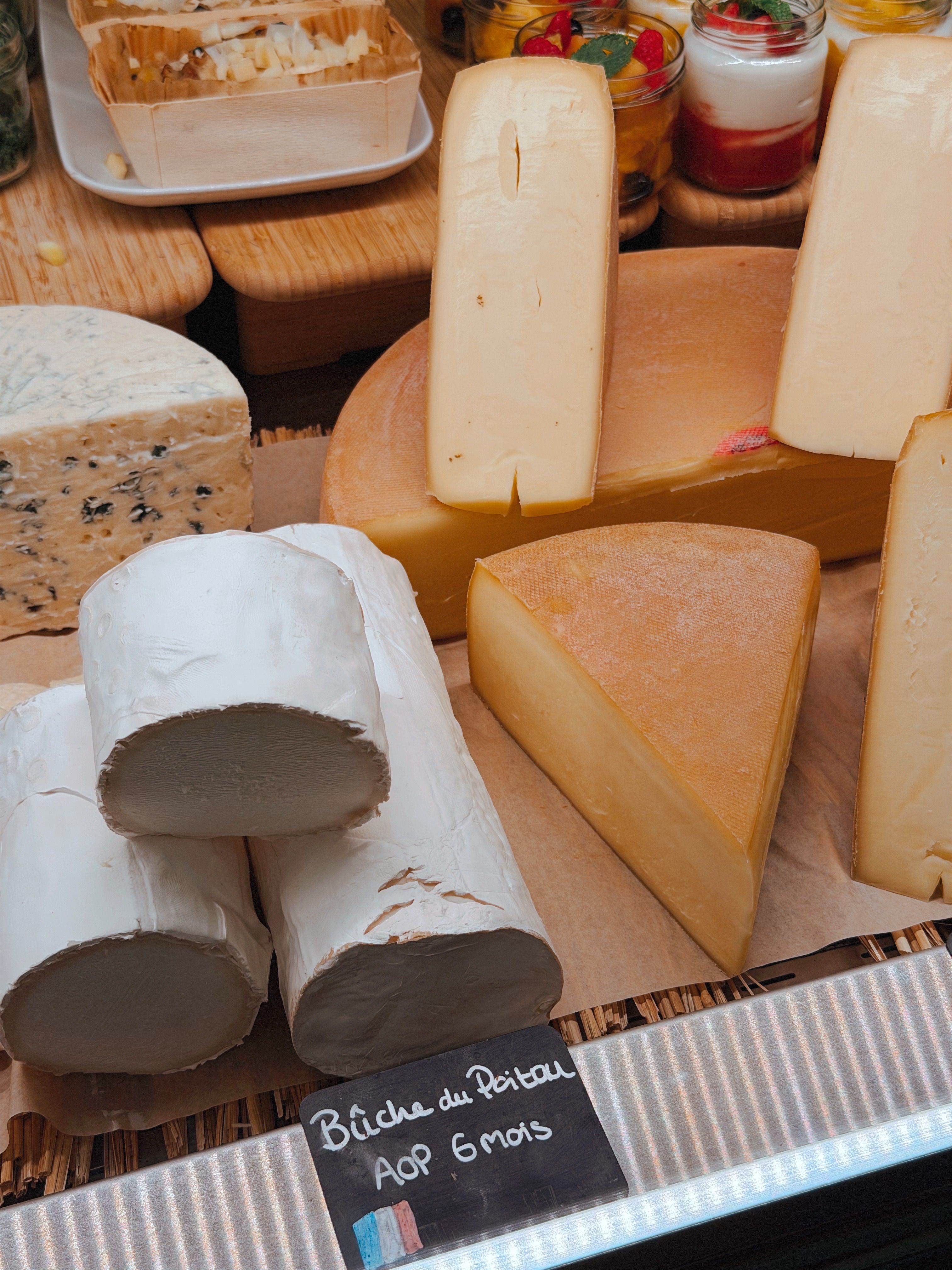
Cheese rarely leads public memory of rationing, yet it was a serious wartime food. It was dense in calories and protein, traveled relatively well, and fit military logistics better than many fresh products.
Canada had strong dairy production, but cheese still became part of wider wartime controls because Allied demand was intense. Exports to Britain mattered, military needs remained high, and domestic distribution had to be managed carefully. In that environment, hoarding cheese was not harmless thrift. It interfered with a tightly balanced food system.
Different kinds of cheese were not affected equally, and regional supply could vary. Still, the broader message to consumers was clear: buy what your ration or local allocation allowed, not what your pantry space could hold. That principle sat at the heart of wartime food law.
For many households, cheese became a flexible stand-in when meat was scarce, which increased pressure on supply even more. Sliced thin on bread, grated into casseroles, or stretched into sauces, it proved how adaptable rationed foods could be. That adaptability is exactly why the government watched it so closely.




Leave a Reply