
Canada's food reputation is usually sweet, cozy, and familiar. But beyond the postcard staples, there is a stranger side of the national menu that can stop visitors in their tracks.
Poutine
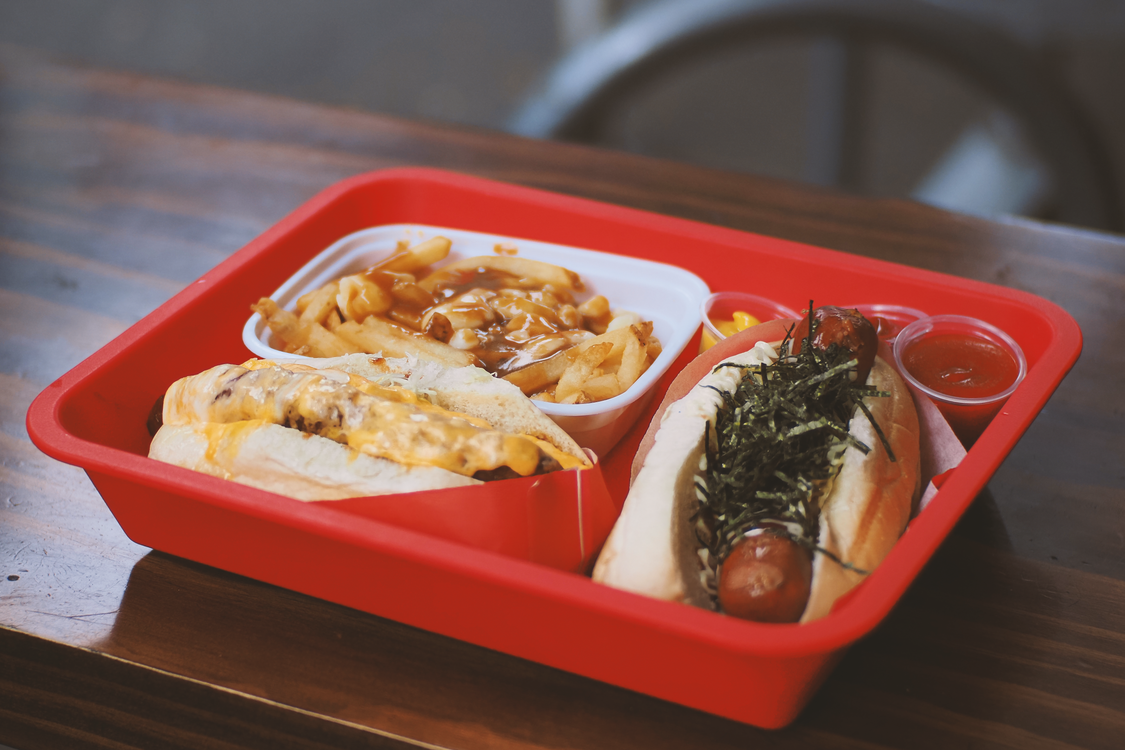
At first glance, poutine looks simple enough: fries, cheese curds, and gravy. For many tourists, the problem begins when they realize Canadians are serious about it, not joking. The mix can appear heavy, soggy, and strangely messy to anyone expecting crisp fries served neatly on the side.
Its roots trace back to rural Quebec in the 1950s, where casse-croûtes turned humble ingredients into comfort food with staying power. The defining feature is fresh cheese curds that squeak against your teeth, a texture many first-timers find bizarre. Yet that squeak is exactly what purists want.
Regional versions now include smoked meat, foie gras, pulled pork, and even butter chicken. According to Canadian food historians, its rise from roadside snack to national icon says a lot about the country's willingness to celebrate practical, working-class food. Tourists may hesitate, but one bite often explains its appeal.
Tourtière
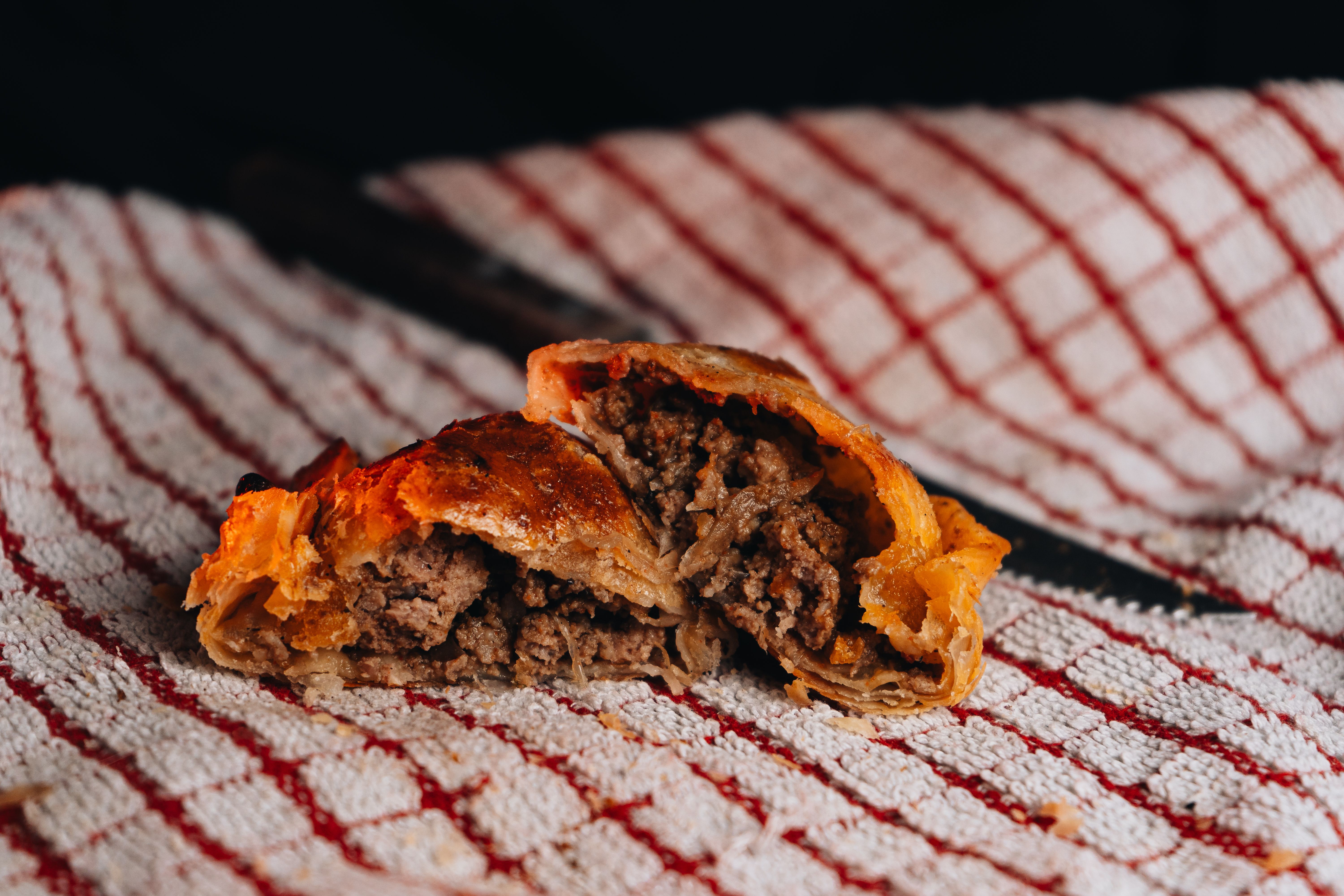
Tourtière can look harmless, like any savory meat pie cooling in a bakery window. Then visitors learn that traditional versions may contain a dense blend of pork, veal, beef, game, or organ-rich cuts, all seasoned in ways that feel old-world rather than familiar.
This dish is especially tied to Quebec, where it appears at Christmas and New Year celebrations as a marker of family continuity. Recipes vary sharply by region. The Saguenay-Lac-Saint-Jean version is deeper, chunkier, and slower-cooked, while Montreal styles are usually finer-textured and more spice-forward.
To tourists used to flaky pies with obvious fillings, tourtière can seem oddly compact and intensely meaty. But that density is part of its purpose. It was historically practical winter food, designed to nourish households through cold months, and its lasting popularity reflects the endurance of French Canadian culinary tradition.
Kraft Dinner

Few foods confuse outsiders more than the near-mythic status of Kraft Dinner. Tourists may expect Canadians to champion artisanal local cooking, only to discover that boxed macaroni and cheese has become a cultural shorthand for nostalgia, affordability, and student survival.
Canada has long ranked among the world's heaviest per-capita consumers of the product. That matters because the dish is not merely eaten in emergencies. It has entered everyday identity, from dorm rooms and hockey arenas to family kitchens where people customize it with hot dogs, ketchup, canned tuna, or chili flakes.
What shocks visitors is not the product itself, but the enthusiasm around it. In many countries, boxed pasta is treated as convenience food and little more. In Canada, it carries emotional weight, shaped by marketing, habit, and decades of acceptance as a comfort staple with almost no social stigma.
Jellied Moose Nose
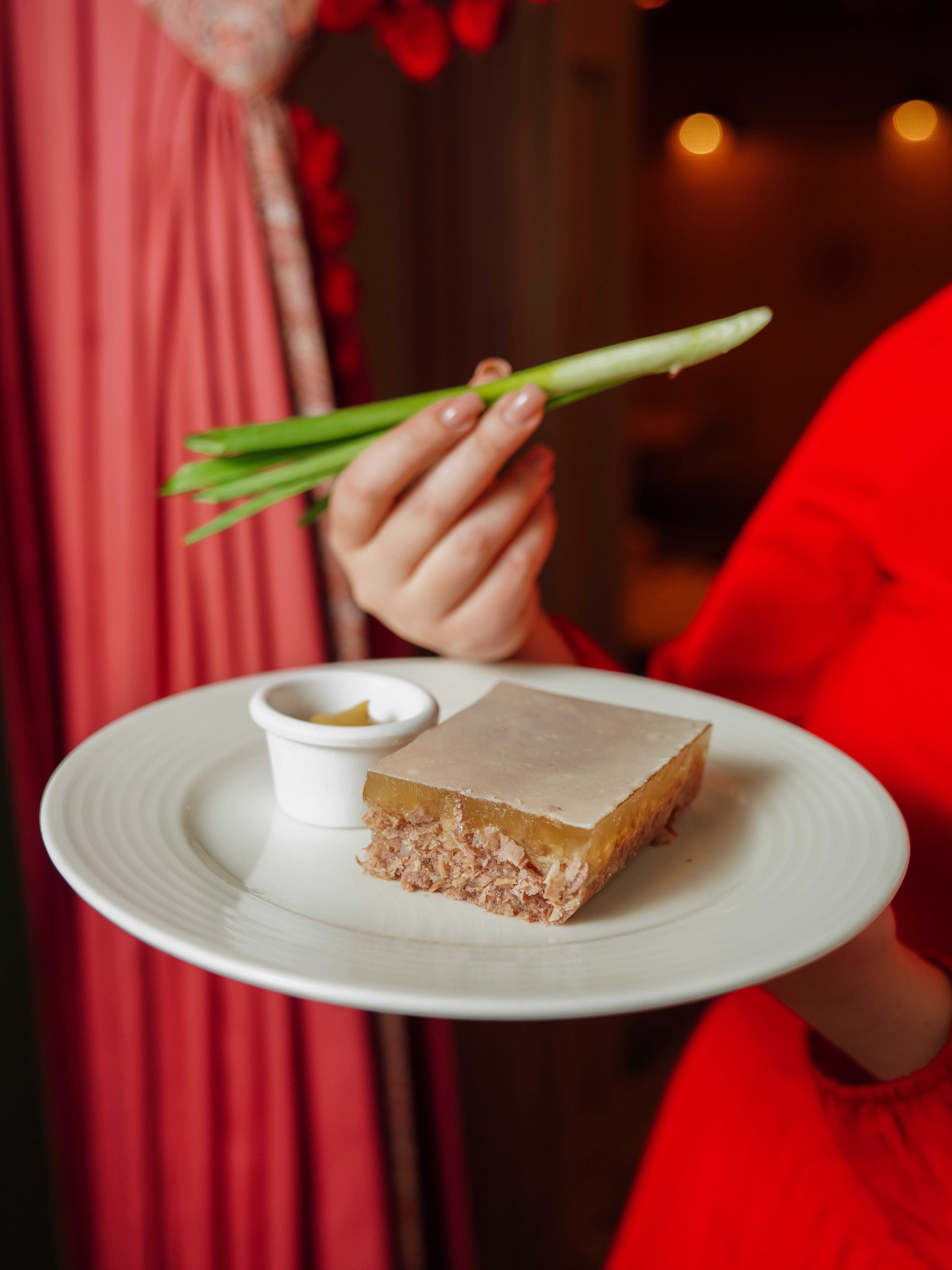
This is the dish that often ends food conversations cold. Jellied moose nose, found mainly in northern and Indigenous-influenced culinary contexts, uses the nose and upper snout of a moose, simmered, trimmed, sliced, and set into a gelatin-rich loaf.
To many tourists, the visual alone is enough to trigger refusal. The texture is soft, dense, and slightly springy, with layers of dark meat, fat, and natural collagen. It does not resemble mainstream North American meat dishes, which is exactly why it is often treated as a culinary dare by outsiders.
That reaction misses the deeper story. In remote regions, using the whole animal has long been tied to respect, survival, and practicality. Dishes like this developed where hunting mattered and waste was unacceptable. What seems shocking to visitors can reflect a food ethic rooted in land knowledge rather than novelty.
Seal Flipper Pie

Few Canadian dishes unsettle tourists faster than seal flipper pie. Associated most closely with Newfoundland and Labrador, it is exactly what the name suggests: a savory pie made with seal flippers, often soaked, simmered, and baked with onions and rich seasoning.
The strongest resistance usually comes before tasting. Visitors bring ethical concerns, unfamiliarity with seal harvesting, and a deep discomfort with marine mammal meat. Even among Canadians, it is a highly regional food rather than a broad national staple, and its reputation is shaped as much by politics as by flavor.
Locals who defend it point to long-standing coastal food traditions and the realities of isolated living. Historically, seal provided meat, fat, and materials in harsh climates. The dish survives because, for some communities, it represents heritage and self-reliance, not shock value. For tourists, though, it remains a major psychological barrier.
Hákarl-Like Fermented Fish? No, Meet Stinkheads
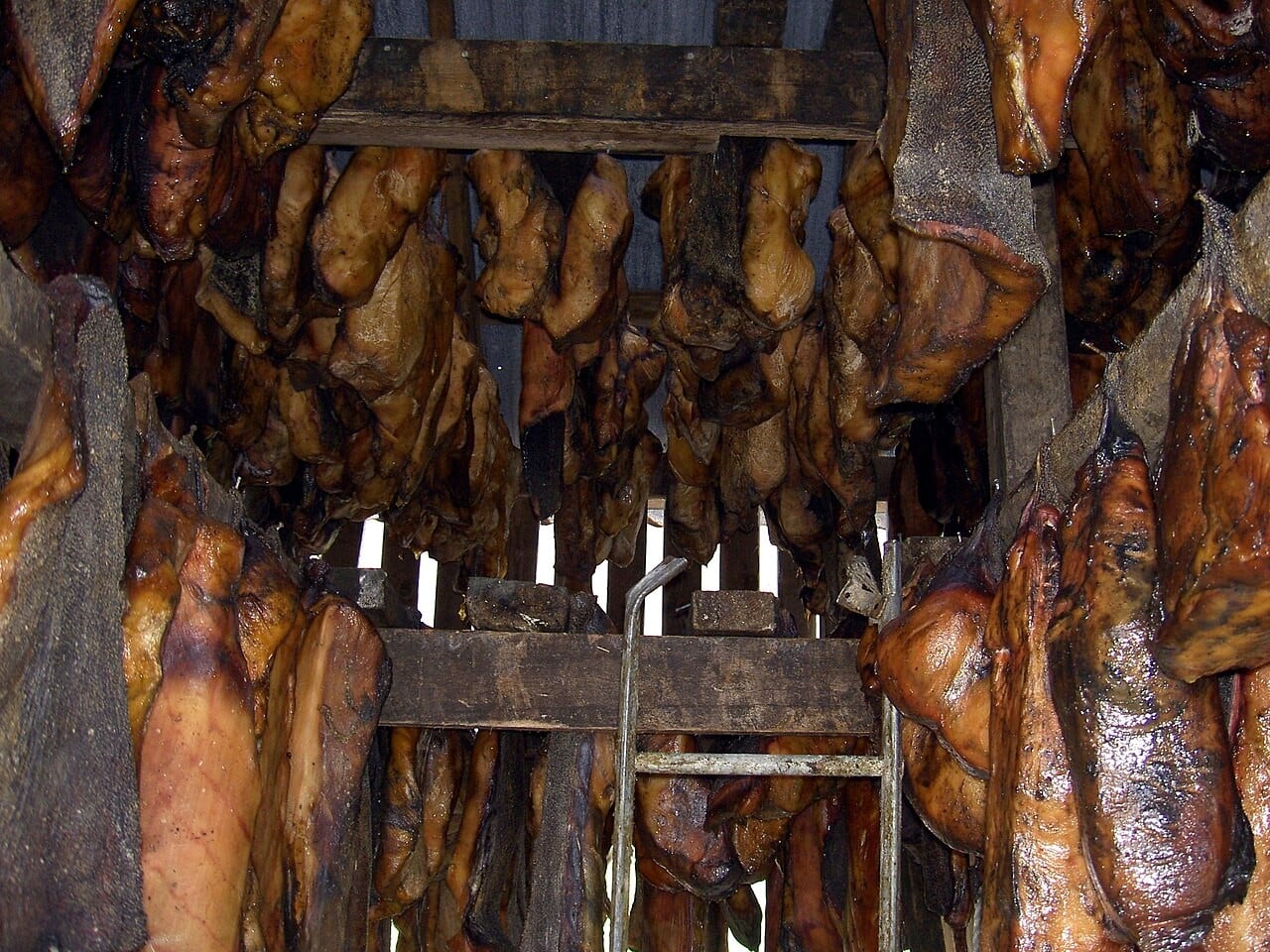
Canada has its own version of fermentation that can clear a room for the unprepared. In parts of the North, "stinkheads" refers to traditionally fermented fish heads, often from salmon, prepared through controlled aging methods developed over generations.
The smell is the first obstacle, and it is powerful. Tourists who recoil are reacting to intense fermentation compounds that signal spoilage in most modern food systems. In traditional contexts, however, fermentation was a preservation strategy that also changed flavor, texture, and nutritional availability in places where fresh food was seasonal.
This is not everyday fare for most Canadians, but it remains culturally important in some Indigenous communities. Treating it as disgusting misses the sophistication involved in safe preparation and inherited food knowledge. Outsiders may say "absolutely not," yet the dish reflects adaptation to environment in a way supermarket culture rarely understands.
Donair

A donair may look close enough to a gyro or kebab to seem safe. Then the sweet sauce arrives. Halifax's famous donair typically features spiced beef shaved from a vertical spit, tucked into pita, and drenched in a white sauce made from condensed milk, vinegar, and garlic.
That sugar-garlic combination surprises many tourists expecting a yogurt-based or tahini-style condiment. The result is messy, rich, and aggressively flavorful, often spilling down hands and wrappers after only a few bites. It can feel excessive, especially late at night when it is most commonly eaten.
Yet the donair is one of Canada's clearest examples of immigrant food becoming something entirely local. Inspired by Turkish döner and adapted in Nova Scotia, it evolved into a regional identity marker. What seems wrong to first-timers is exactly what loyal fans consider the point of the whole dish.
Maple Taffy on Snow
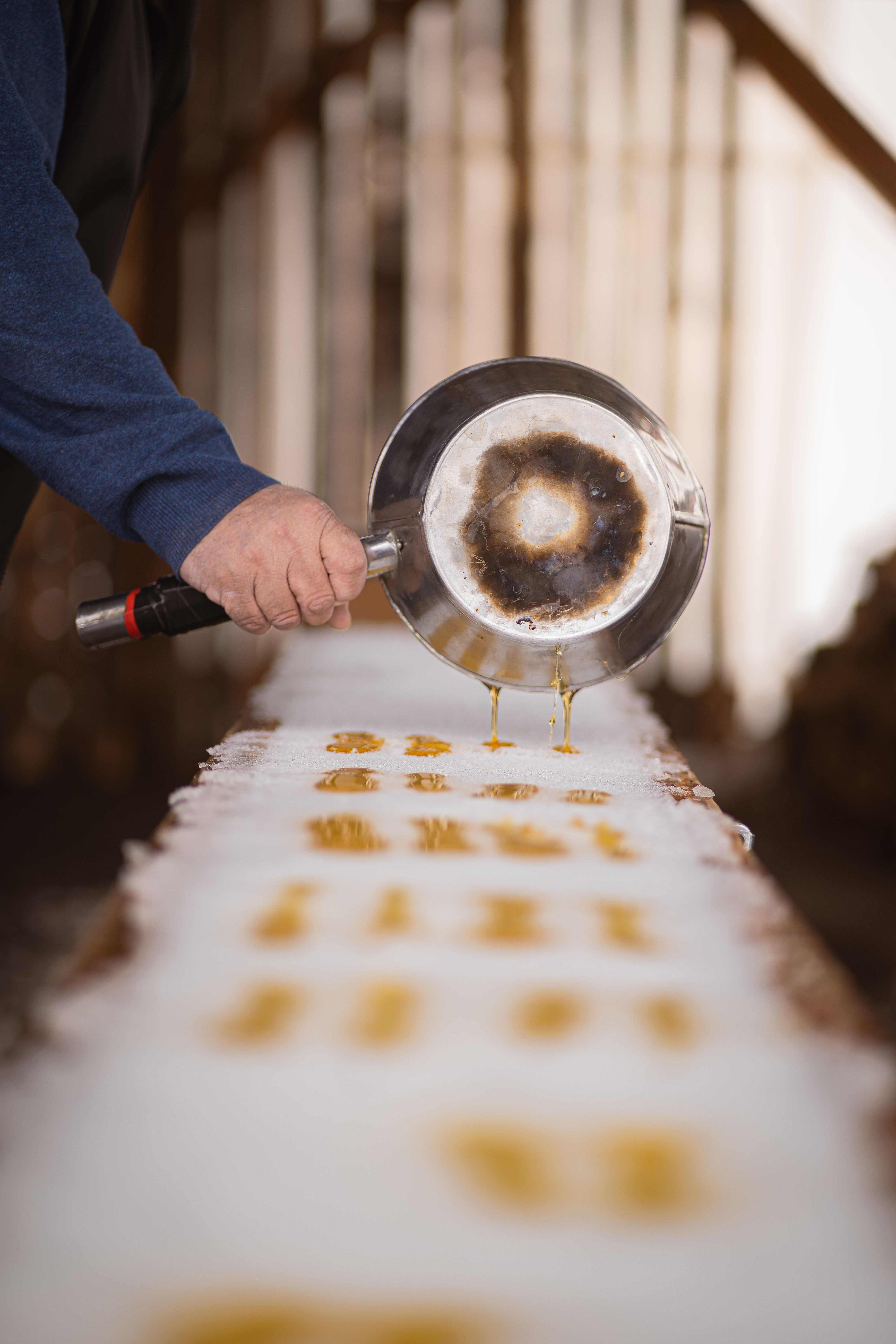
This may be the gentlest item on the list, but tourists still sometimes recoil once they see how it is made. Hot maple syrup is poured directly onto clean snow, where it firms into a sticky ribbon that is rolled onto a wooden stick and eaten immediately.
The hesitation usually comes from the snow itself. Visitors from warmer climates may find the idea unsanitary or childish, even though the practice is typically done in controlled outdoor settings during sugar shack season. The texture is also unusual, somewhere between caramel, soft toffee, and taffy.
In Quebec and other maple-producing regions, this is not a gimmick but a ritual linked to spring thaw and syrup production. It turns climate into part of the cooking process, which is part of its charm. Tourists may hesitate at first, but this is one strange Canadian food that usually wins them over.



Leave a Reply