A sandwich does not need to be stacked sky-high or loaded with expensive ingredients to feel special. Often, the difference between a rushed bite and a meal worth pausing for comes down to texture, balance, and a little strategy. These easy upgrades can make even the most basic sandwich taste more thoughtful, more satisfying, and far less forgettable.
Start with better bread

A sandwich feels more substantial the moment the bread has character. Instead of defaulting to soft, thin slices, try sourdough, ciabatta, a seeded roll, pita, or a hearty wrap that brings its own flavor and texture to the table. According to dietitian-led sandwich guidance, changing the bread is one of the fastest ways to break out of a boring routine.
Bread also does practical work. If your filling is moist, choose something drier or denser so it holds up instead of collapsing halfway through lunch. A sturdy loaf, toasted bun, or thicker roll gives the sandwich structure, which makes every bite feel neater, more balanced, and much more worth sitting down for.
Build in one bold flavor

A plain sandwich usually is not suffering from a lack of ingredients. It is suffering from a lack of personality. One strong flavor, whether that is sharp cheddar, smoked gouda, pickled onions, horseradish, pesto, or guacamole, can wake up everything else without making the sandwich complicated.
This works because contrast creates interest. Mild turkey suddenly tastes better with a tangy spread. Basic ham becomes more memorable next to mustard with some bite. Even a vegetable sandwich feels fuller when herbs, seasoning, or a punchy sauce run through it. You do not need five fancy additions. You just need one element that makes the whole sandwich taste intentional.
Add color that actually brings texture

Color does more than make a sandwich look prettier on the plate. Bright ingredients often bring freshness and crunch, which are exactly what keep a sandwich from tasting flat. Think shredded purple cabbage, spinach, grated carrot, cucumber, roasted red peppers, scallions, or microgreens. The visual appeal is immediate, but the textural payoff matters even more.
A good sandwich should not feel monochrome in flavor or mouthfeel. Soft bread, soft meat, and soft cheese can blend into one note fast. Crisp vegetables break that up and make the filling feel lively. As many sandwich experts suggest, aiming for at least two vivid colors is a simple rule that makes the final result feel fresher and more complete.
Use heat to create contrast

Even a simple sandwich can feel restaurant-worthy when warm and cool elements meet in the same bite. Toasted bread with cold lettuce, melted cheese over sliced meat, or a warm fried egg tucked into a fresh roll all create the kind of contrast that makes a humble lunch feel more deliberate.
You do not need a panini press or elaborate recipe to get there. A quick toast, a brief broil, or warming leftovers before assembling is often enough. Heat sharpens aroma, softens cheese, and wakes up flavors that can seem muted straight from the fridge. That little bit of temperature contrast makes the sandwich feel less assembled and more composed.
Layer it so it stays crisp
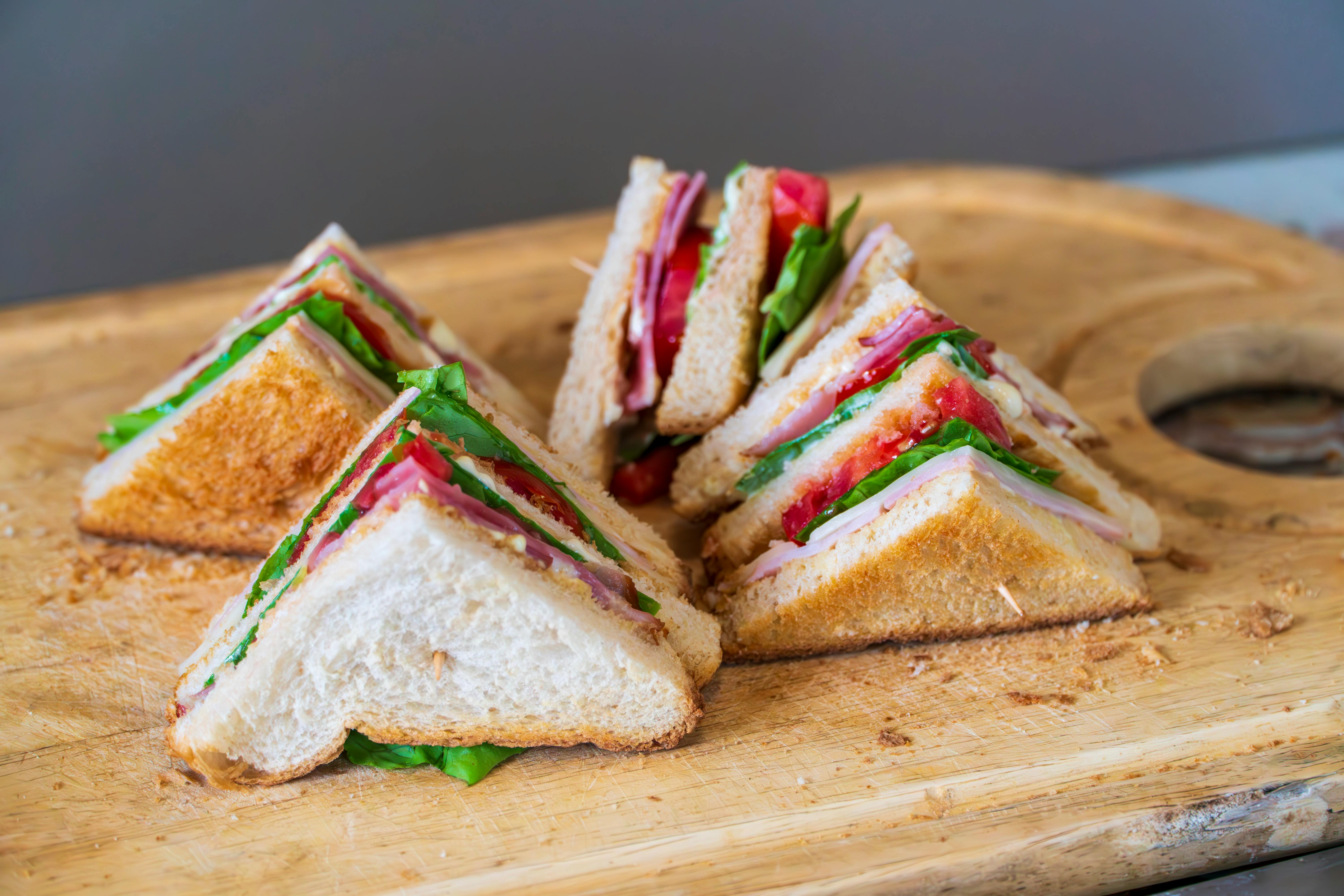
Nothing ruins the mood faster than bread that goes soggy before the first real bite. Smart layering is a quiet upgrade, but it changes the entire eating experience. Wet ingredients like tomatoes or juicy fillings should sit between sturdier layers such as cheese, meat, or greens, which help protect the bread.
If you are making the sandwich ahead, assembly timing matters just as much. Keeping very fresh ingredients separate until you are ready to eat preserves both texture and flavor. Swapping especially watery items for sturdier choices like shredded cabbage, cucumber, fennel, or blotted roasted peppers can also help. A sandwich that holds together neatly always feels more satisfying and more polished.
Treat leftovers like a planned filling
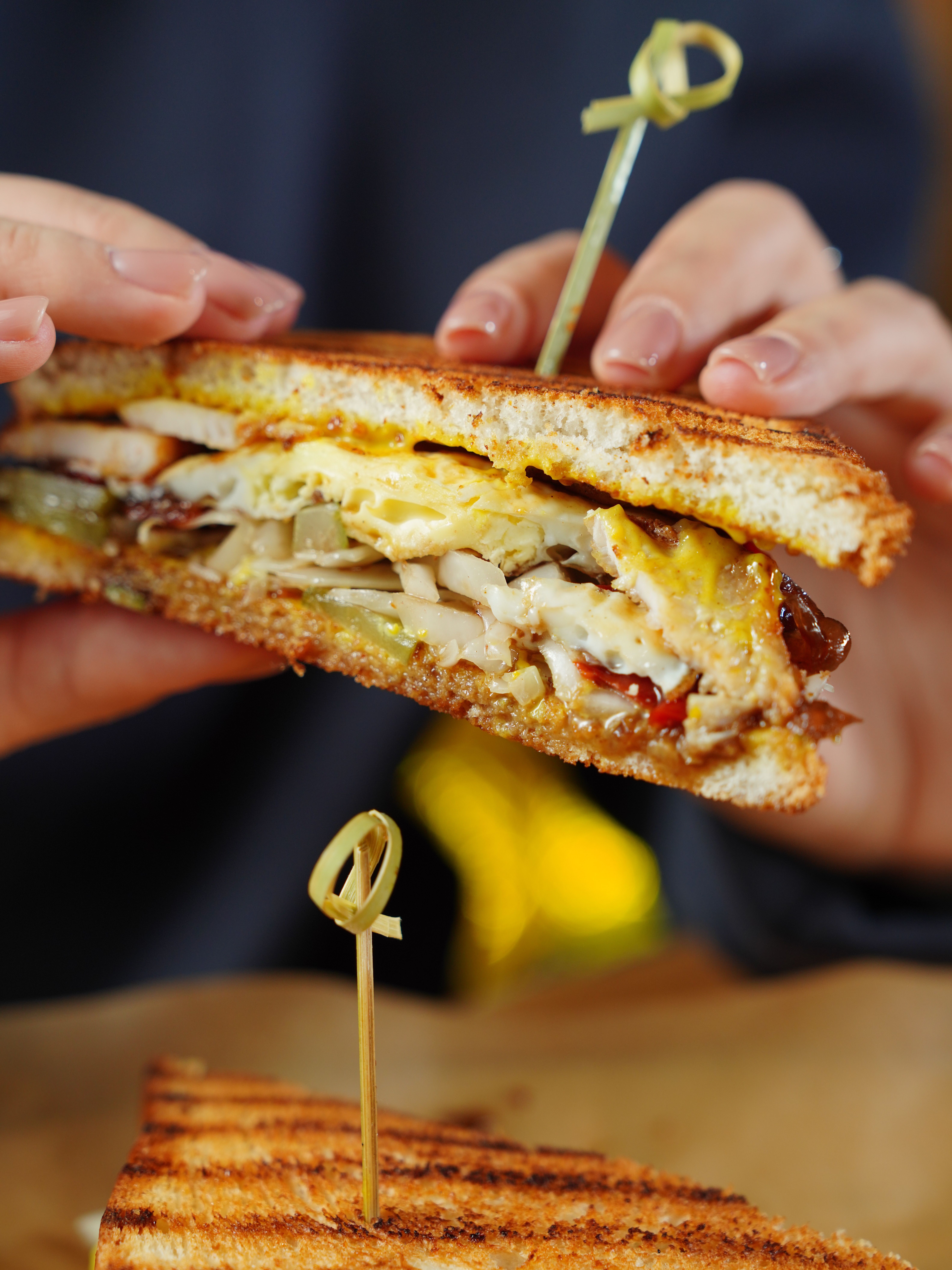
One of the easiest ways to make a sandwich feel substantial is to build it around something that already tastes like dinner. Grilled chicken, leftover meatballs, roast vegetables, pulled pork, salmon, or eggplant parmesan bring the kind of seasoned depth that deli basics often cannot match on their own.
This is where a sandwich stops feeling like a fallback and starts feeling clever. Leftovers already have flavor, and often a bit of richness, so the sandwich needs less extra work. A toasted bun, a handful of greens, maybe a swipe of sauce, and you have a meal that feels intentional. Reinventing last night's dinner this way is efficient, but it also tends to taste genuinely better.
Mix creamy, crunchy, and fresh

The sandwiches people remember usually have a satisfying mix of textures. Creamy mayo, egg salad, tuna salad, avocado, or soft cheese can be excellent foundations, but they need contrast. That is where toasted bread, crisp greens, sliced cucumber, cabbage, pickles, or even a crackly crust step in and keep the sandwich from feeling heavy.
A good rule is to look for at least three textures in every build. Something soft, something crisp, and something fresh usually does the trick. This balance makes a modest sandwich feel complete without adding much cost or effort. When every bite has a little give, a little crunch, and a little brightness, the whole thing tastes more finished.