
Technology is becoming one of the quieter forces behind Canada's foodservice industry, working behind the scenes rather than taking centre stage. From digital ordering and smarter scheduling to inventory software and AI-powered tools, restaurants are using technology to handle everyday pressures more efficiently. These systems can help operators control costs, manage labour, reduce waste and make service smoother, giving food businesses more room to grow without simply adding more staff or hours.
Digital Ordering Cuts Friction

Online ordering has become more than a convenience for customers. Restaurants can use digital menus and ordering systems to handle pickup, delivery and even dine-in orders without relying entirely on staff to take them manually. Restaurants
Canada notes that Canadian diners increasingly expect seamless, digital-first experiences, particularly younger customers. When ordering is easier, restaurants can serve more customers through the same channels while collecting useful information about what people actually buy.
Smarter Scheduling Helps Control Labour

Scheduling software can quietly make a major difference when labour costs are high. Instead of relying on spreadsheets or guesswork, operators can use technology to match staffing levels with expected demand and adjust schedules accordingly.
Restaurants Canada has identified labour costs as one of the industry's biggest pressures, while its Ontario submission specifically points to scheduling and labour-management software as a way technology can improve efficiency and help restaurants manage costs.
Inventory Software Helps Reduce Waste

Food costs are another area where technology can directly affect the bottom line. Inventory-management systems can track what comes in, what gets used and what needs replenishing, giving operators better information before they place another order.
Restaurants Canada specifically identifies inventory software as a tool that can help drive food-cost savings and reduce waste. For businesses working with narrow margins, knowing where ingredients are going can be just as valuable as increasing sales.
AI Is Moving Into Everyday Operations
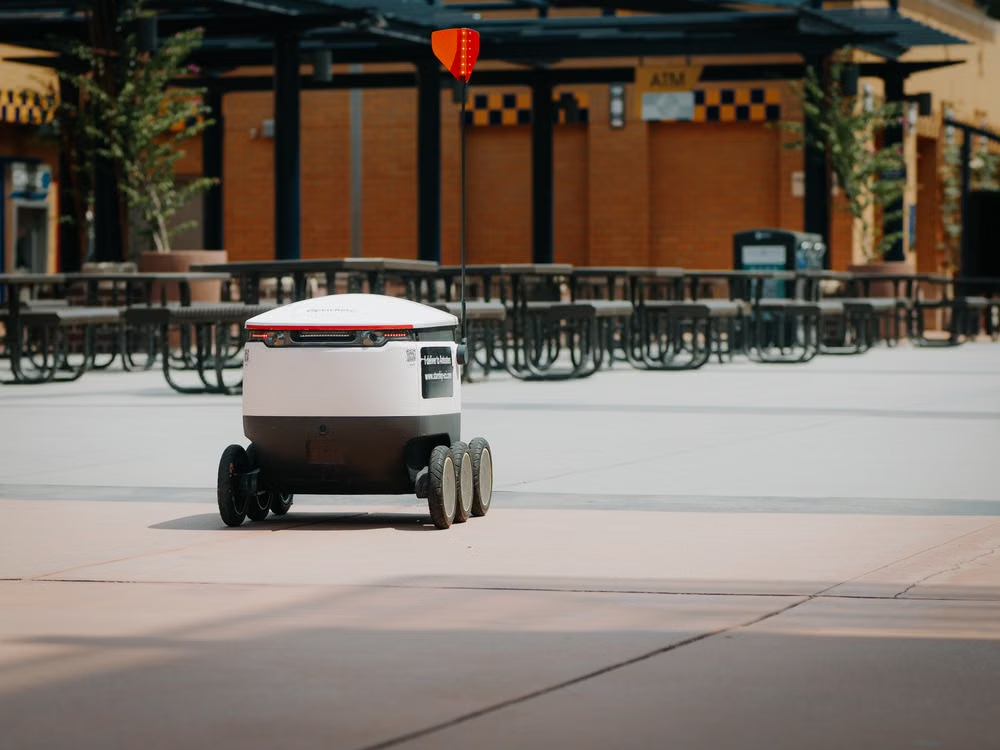
Artificial intelligence is beginning to appear in practical foodservice tasks rather than just futuristic experiments. Potential uses include customer interactions, workforce management and decision-making, while Restaurants Canada has highlighted AI-driven workforce management as part of the industry's technological evolution.
The appeal is straightforward: if software can handle repetitive tasks or help managers make faster decisions, employees can spend more time on work that requires human judgment and interaction.
Modern POS Systems Do More Than Take Payments
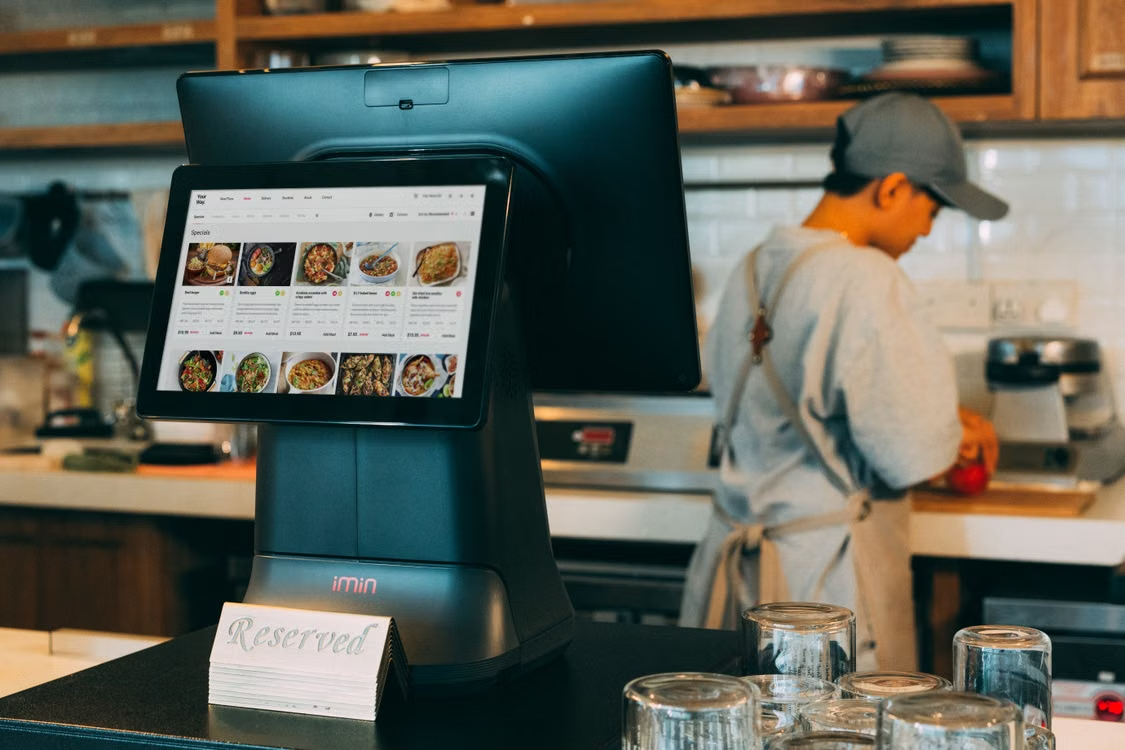
A modern point-of-sale system can become an information hub for a foodservice operation. Beyond processing payments, today's systems can connect with ordering, reporting and other operational tools, helping owners see what is selling and where the business is performing.
Restaurants Canada identifies modern POS systems among productivity-enhancing investments available to Ontario businesses, alongside digital menus and reservation systems. The value is not the screen itself, but the information it makes easier to use.
Technology Can Improve the Customer Experience
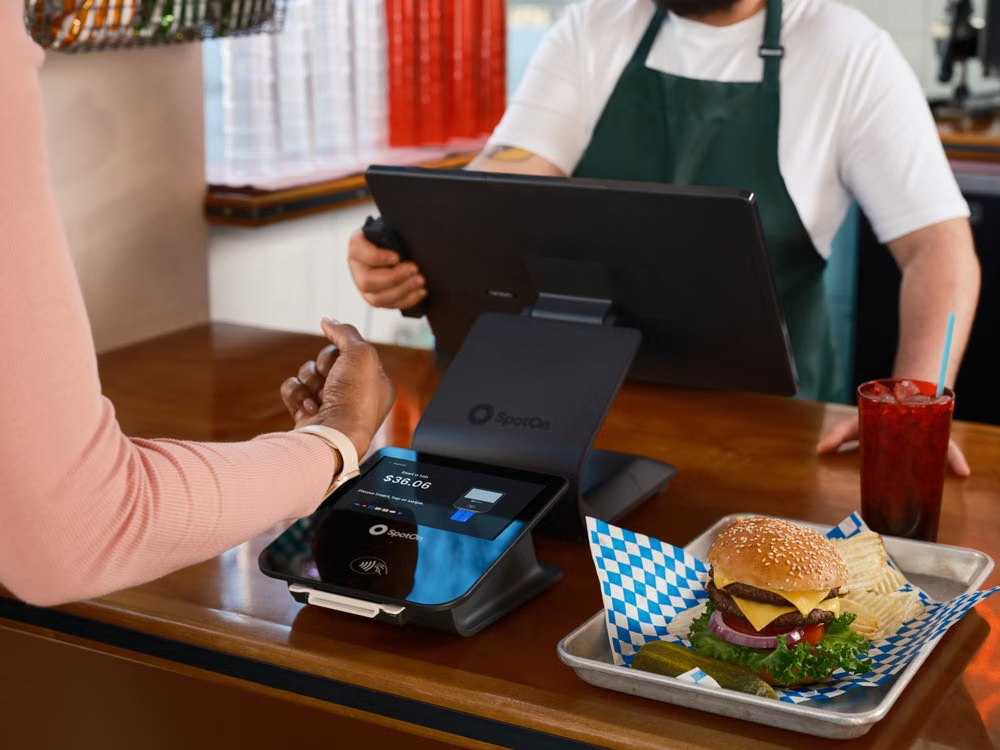
Technology can also remove small points of friction that affect how customers experience a restaurant. Digital menus, mobile ordering, reservation systems and faster payment options can make interactions more convenient without eliminating the human side of hospitality.
Restaurants Canada says technology works best when paired with a strong digital presence and social-media engagement, rather than being treated as a replacement for service. The goal is a smoother experience, not simply more screens.
Automation Can Help When Staff Are Short
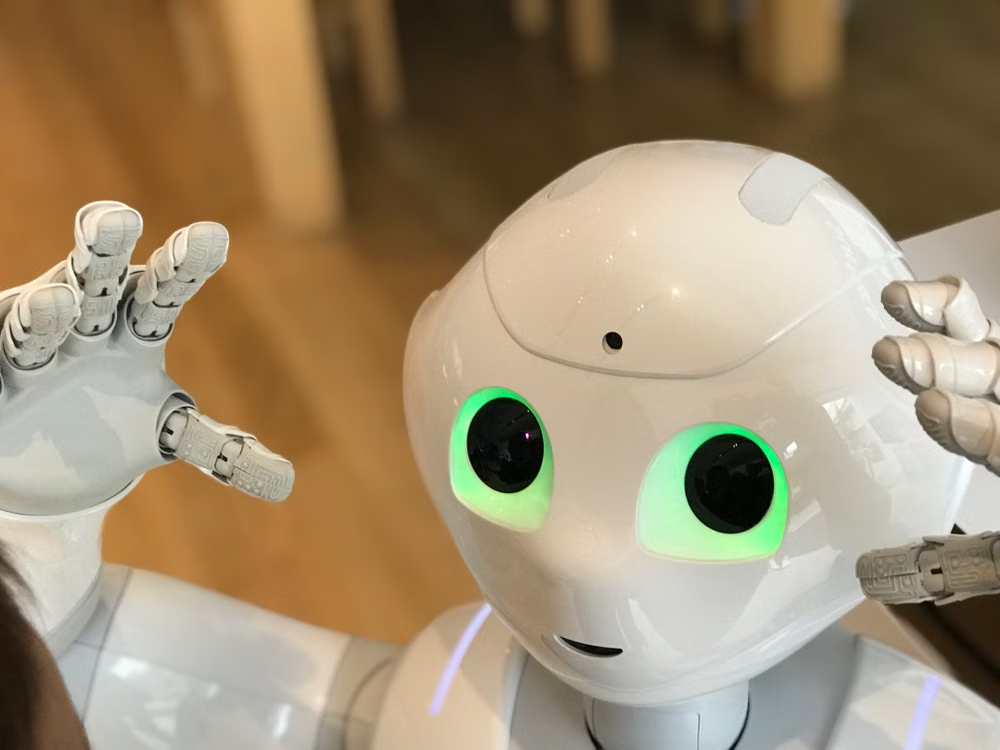
For Canadian foodservice operators facing persistent staffing challenges, automation can fill specific gaps without replacing an entire workforce. Restaurants Canada says labour productivity in the restaurant sector declined over the past decade and has called for greater investment in automation and technology. Its research also cites a KPMG finding that 74% of consumers want to see automation in at least one restaurant area when the business is not fully staffed.




Leave a Reply