
Grocery prices remain a major pressure point for Canadian households, and the response has been practical rather than flashy. Across the country, shoppers are changing what they buy, where they shop and how they use food at home to make each dollar go further.
Buying more store brands

One of the clearest shifts is toward private label products, often called store brands. These items usually cost less than national brands, and the savings can add up quickly on basics like pasta, canned tomatoes, cereal, yogurt and frozen vegetables.
Loblaw has said its No Name line has seen strong demand during periods of food inflation, a sign that shoppers are actively trading down to lower priced options rather than leaving the category altogether. That pattern fits broader consumer behavior reported by major grocers and market researchers in Canada.
The appeal is not just price. Many shoppers now see store brands as reliable staples rather than a compromise, especially for pantry items where branding matters less. In a tight budget, choosing a cheaper house brand across several categories can lower a weekly bill without changing eating habits very much.
Shopping at discount grocers
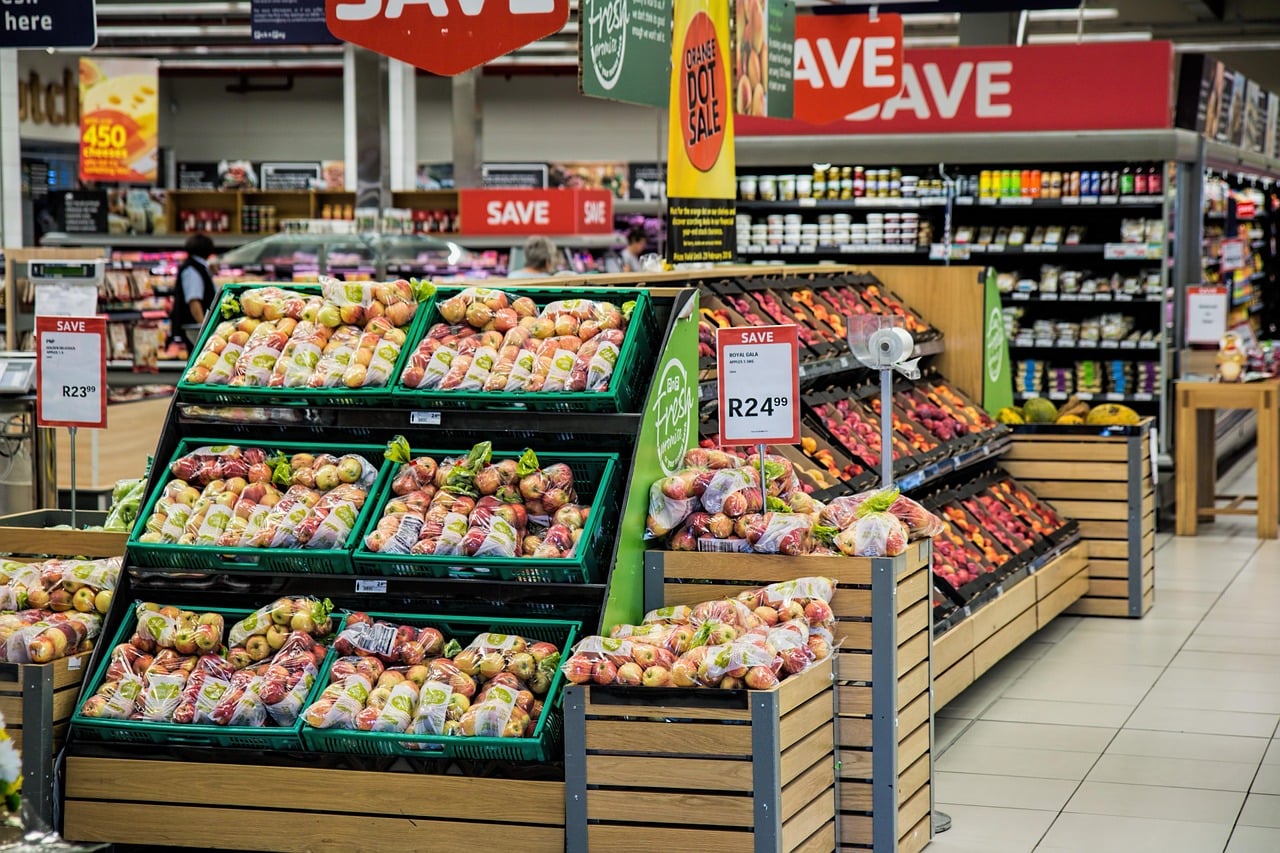
Another common adjustment is choosing discount banners more often. Stores such as No Frills, FreshCo, Food Basics, Maxi and Walmart have become even more important to budget-minded shoppers looking for lower shelf prices and aggressive flyer promotions.
This move reflects a simple reality. When food inflation stays elevated, households often switch stores before they give up entire items. Discount formats are built around that need, with leaner displays, fewer service extras and a strong focus on price-sensitive staples.
Statistics Canada has tracked years of unusually high food price growth, and that has helped push more consumers toward lower cost retailers. The practical result is visible in many communities, where shoppers are splitting trips between a discount store for essentials and another grocer only for specialty items they cannot find elsewhere.
Planning meals around flyers and deals

For many families, the weekly flyer has become a meal-planning tool. Instead of deciding on meals first and shopping second, people are doing the reverse, building dinners around what is discounted that week.
That can mean choosing chicken when beef is expensive, using in-season produce when imported items spike in price, or stocking up on freezer-friendly foods during temporary promotions. The strategy works best when shoppers stay flexible and avoid paying full price for items that regularly go on sale.
Consumer advocates in Canada have long recommended unit pricing and flyer comparisons as simple ways to cut costs. The habit may sound old-fashioned, but it remains effective. A household that bases even half its weekly meals on sale items can reduce spending without relying on extreme couponing or major lifestyle changes.
Cooking more from scratch

High prices for prepared meals and convenience foods are pushing more people back to basic cooking. A pot of soup, a tray of roasted vegetables or a batch of rice and beans can often feed several people for less than the cost of heavily processed alternatives.
Scratch cooking also gives households more control over waste. Ingredients can be reused across multiple meals, such as roast chicken turning into sandwiches, soup or pasta. That kind of overlap matters when every purchase has to work harder.
The shift is not always about elaborate home cooking. Often it is about a few lower cost building blocks, including dried lentils, oats, eggs, potatoes and carrots. These foods have remained central to budget cooking advice because they are versatile, widely available and relatively affordable sources of calories and nutrition.
Freezing food and using leftovers better

One of the most overlooked ways to manage grocery costs is simply wasting less food. In Canada, households throw out edible food for many reasons, including overbuying, poor planning and forgetting what is already in the fridge.
Freezing is a practical answer. Bread, meat, berries, shredded cheese and many cooked meals can be portioned and frozen before they spoil, which extends value and reduces the need for extra shopping trips. Leftovers can also become planned lunches rather than accidental waste.
This approach matters because avoiding waste is like creating savings from food already purchased. A discounted family pack is only a bargain if it gets eaten. Canadians trying to stay on budget are increasingly treating storage, labeling and leftover planning as part of the grocery strategy, not an afterthought.
Buying less meat and stretching proteins

Protein is often one of the most expensive parts of the cart, so many households are changing how they use it. Some are buying less beef, choosing chicken when it is on sale, or using smaller portions in stir-fries, soups and pasta dishes.
Others are stretching animal protein with beans, lentils or tofu. That does not always mean becoming vegetarian. It can be as simple as adding lentils to ground meat for tacos or chili, which lowers cost while keeping meals filling.
This kind of substitution has been encouraged by dietitians and food budget experts for years, but it becomes more attractive when meat prices rise faster than shoppers can absorb. It is a practical example of how Canadians are adapting by changing proportions, not just products.
Using loyalty points and price matching

The final strategy is less about what people buy and more about how they pay. Loyalty programs, digital offers and targeted coupons are playing a bigger role in grocery budgeting, especially for shoppers willing to track promotions closely.
Price matching also remains useful where stores allow it. Bringing a competitor's advertised price to the checkout can help shoppers stay in one store while still capturing a better deal on selected items. The exact policy varies by retailer, so results depend on where people shop.
On their own, points and price matches may not transform a grocery bill. Combined with discount shopping, meal planning and lower waste, they become part of a larger system. That is the pattern across Canada right now, with households relying on many small adjustments instead of one perfect fix.




Leave a Reply