
Few desserts look more straightforward than a butter tart. Yet behind that glossy filling sits one of Canada's most argued-over food histories.
The butter tart was never born in one clear place

Many people want the butter tart to have a neat hometown, but the record refuses to cooperate. Ontario usually receives top billing because the first widely cited printed recipe appeared in The Women's Auxiliary of the Royal Victoria Hospital Cookbook in Barrie in 1900. That fact matters, but it does not settle the case.
Cookbooks only show when someone wrote something down, not when a food first existed in kitchens. Home bakers across rural Canada often passed recipes orally or in handwritten notebooks that never reached print. Food historians have long warned that a publication date can make one community look like an origin point when it may simply be the first surviving witness.
The tart's ingredients also complicate ownership claims. Butter, sugar, eggs, and pastry were pantry staples across British North America in the 19th century. A recipe using those basics could have emerged independently in several places, especially in farm households where cooks relied on inexpensive fillings and adaptable doughs.
Its roots are tangled up with older British and French traditions
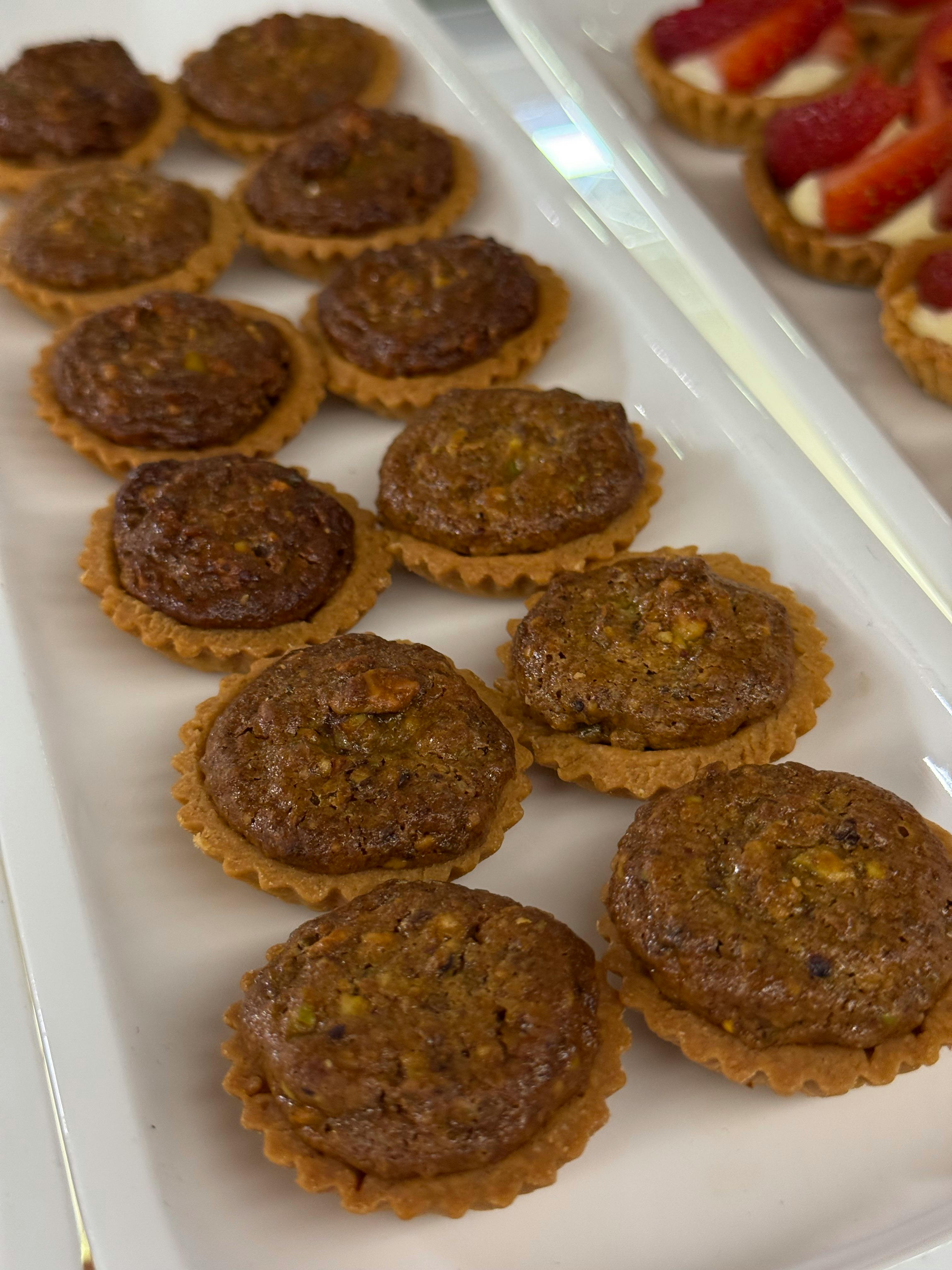
The butter tart did not appear out of nowhere. Scholars who study North American baking often connect it to a family of older pies and tarts from Britain, including treacle tart, sugar pie, and open-faced custard-like pastries. These were not identical, but they created a culinary template for a small shell filled with a rich, sweet mixture.
French influence matters too, especially in regions shaped by French Canadian cooking. Tarte au sucre, or sugar pie, has deep roots in Quebec and uses many of the same building blocks: butter, sugar, cream or eggs, and pastry. The butter tart may be best understood not as a single invention, but as a local adaptation shaped by several inherited traditions.
That mixed ancestry helps explain why arguments over its "true" lineage persist. Foods created through migration rarely have one inventor. They evolve as settlers swap ingredients, adjust to climate and cost, and bake according to habit rather than doctrine.
The filling debate reflects class, thrift, and access to ingredients
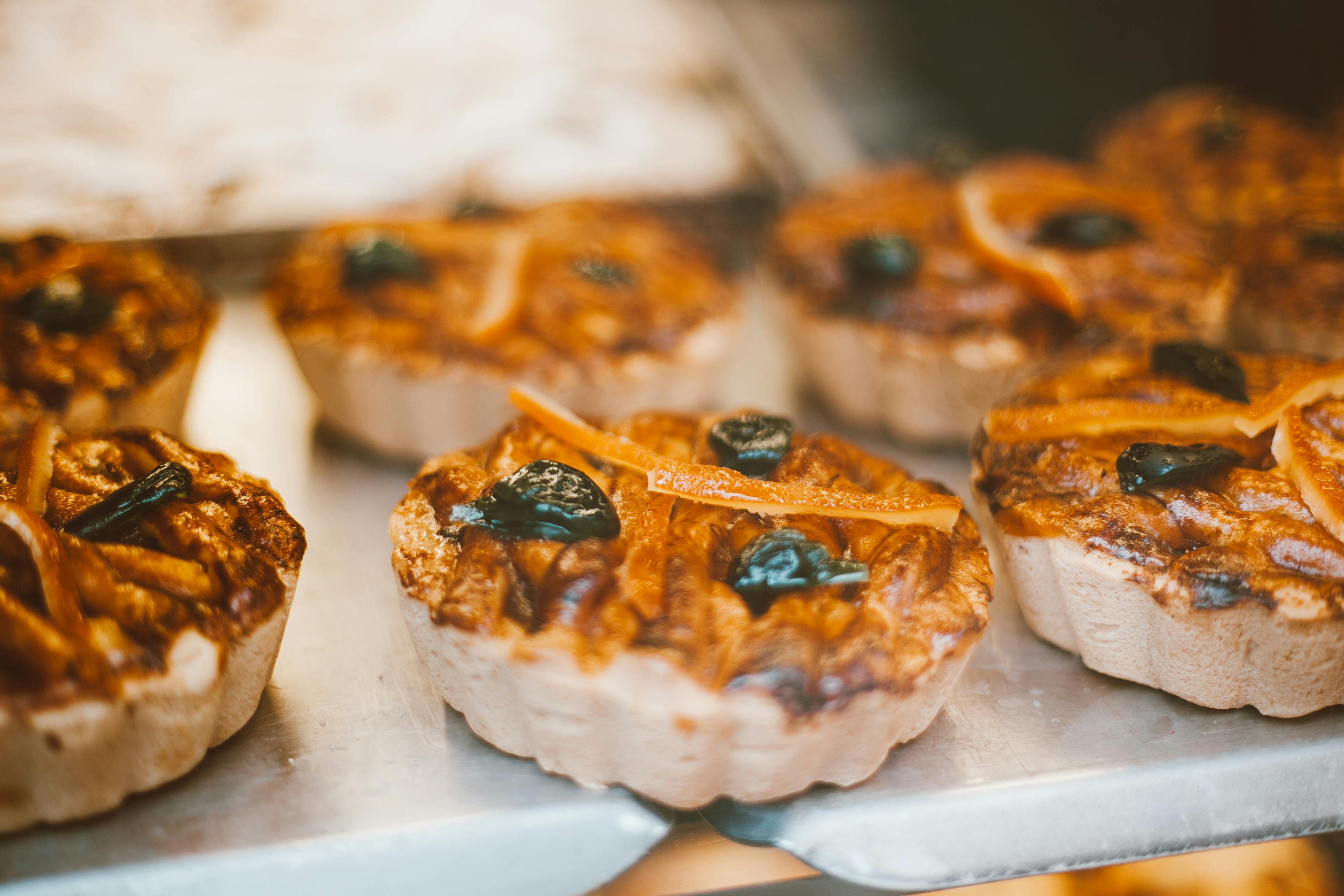
Ask Canadians what belongs in a butter tart and the conversation quickly becomes emotional. Raisins divide households, pecans have their defenders, and some bakers insist the filling should be plain. This sounds like a matter of taste, but historically it also reflects economics and availability.
Dried fruit was useful in farm kitchens because it stored well through winter and added texture to otherwise simple sweets. Nuts, by contrast, could signal regional preference or greater access to purchased ingredients. In many older community cookbooks, cooks adapted fillings to what was affordable, local, or already in the pantry rather than following a rigid national standard.
Even the runny-versus-firm dispute tells a historical story. A looser filling may point to one ratio of syrup, sugar, eggs, or butter, while firmer versions reflect different methods and expectations. What later became a cultural argument began as practical home baking, shaped by fuel, ovens, ingredients, and habit.
Women's community cookbooks preserved its history more than elite chefs did

The butter tart survived in print largely because ordinary women documented domestic cooking. Hospital auxiliaries, church groups, women's institutes, and local charities produced community cookbooks across Canada from the late 19th century onward. These collections captured what people actually made, not just what fashionable urban kitchens considered refined.
That distinction is important. Elite culinary writing often overlooked humble sweets associated with farmhouse thrift and everyday entertaining. Community books, by contrast, treated the butter tart as standard fare, placing it beside pickles, pies, preserves, and practical cakes used for guests, holidays, and fundraising tables.
As a result, the tart's paper trail is unusually democratic. Its history comes less from famous chefs than from committee-assembled recipe pages, stained index cards, and repeated local printings. For historians, that makes the butter tart a rare window into women's unpaid labor and the way culinary memory was archived outside professional institutions.
Ontario claimed the tart, but other regions helped shape it

Ontario dominates the modern butter tart story for good reason. It has the best-known festivals, bakery trails, and tourism branding built around the pastry. Towns across the province have turned the tart into heritage marketing, and that visibility has reinforced the idea that Ontario not only popularized it but wholly owns it.
But visibility is not the same as exclusivity. Quebec's sugar pie tradition clearly intersects with the tart's development, and prairie baking culture embraced similar fillings in pies, squares, and small pastries. Maritimes cooks also worked within the same British-derived dessert traditions, even if the exact butter tart label was less central to local identity.
Regional ownership debates often reveal more about modern branding than historical certainty. Once a dish becomes symbolic, provinces naturally compete for cultural credit. The butter tart's spread across multiple communities suggests a broader shared evolution rather than a single, clean provincial invention.
Industrial food culture changed what people think a butter tart is

For much of its early life, the butter tart was a home-baked item with wide variation. Then bakeries, packaged mixes, and supermarket versions standardized expectations. By the late 20th century, many Canadians encountered butter tarts through commercial products whose sweetness, shell size, and texture were engineered for consistency and shelf appeal.
That shift narrowed the public idea of authenticity. A mass-market tart often has a predictable shape and a controlled filling set, which can make older homemade versions seem unusual even when they are historically closer to the original diversity. Food historians regularly note this pattern: industry freezes one version of a traditional food and labels it familiar.
Commercialization also raised the tart's profile nationally. What had once been strongly local and seasonal became more portable and recognizable. Ironically, the same market forces that flattened its variation also helped turn it into a contested heritage object worth defending.
The butter tart argument is really about Canadian identity
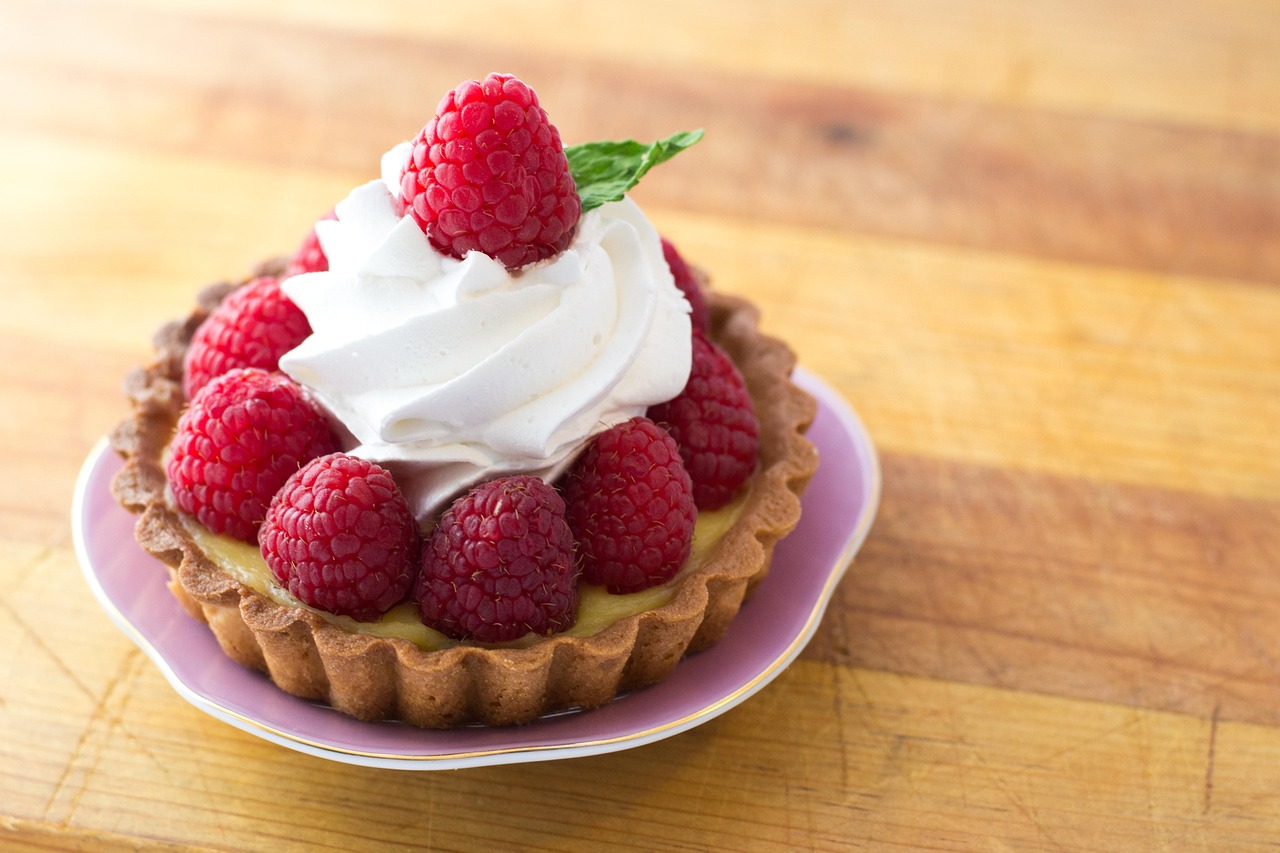
At first glance, the fight over butter tart history seems minor. In reality, it touches major questions about how Canada defines itself through food. Unlike dishes with one obvious founder or tightly documented origin, the butter tart reflects settlement, adaptation, regional overlap, and the blurred line between British, French, and local culinary habits.
That makes it a powerful national symbol. Historians of Canadian food often emphasize that many "classic" dishes are composites shaped by migration, scarcity, and domestic improvisation. The butter tart fits that pattern almost perfectly, which is why people keep arguing over whose version is oldest, purest, or most authentic.
Its contested history may be the very reason it endures. A dessert with unresolved origins invites participation, memory, and loyalty. Every bakery case and family recipe becomes part of the evidence, and every disagreement keeps the butter tart alive as both a sweet and a story.

Leave a Reply