
Space food was never just about eating. It was about survival, engineering, and protecting crews in one of the most hostile environments humans have ever entered.
Keeping Food Safe Without Refrigeration
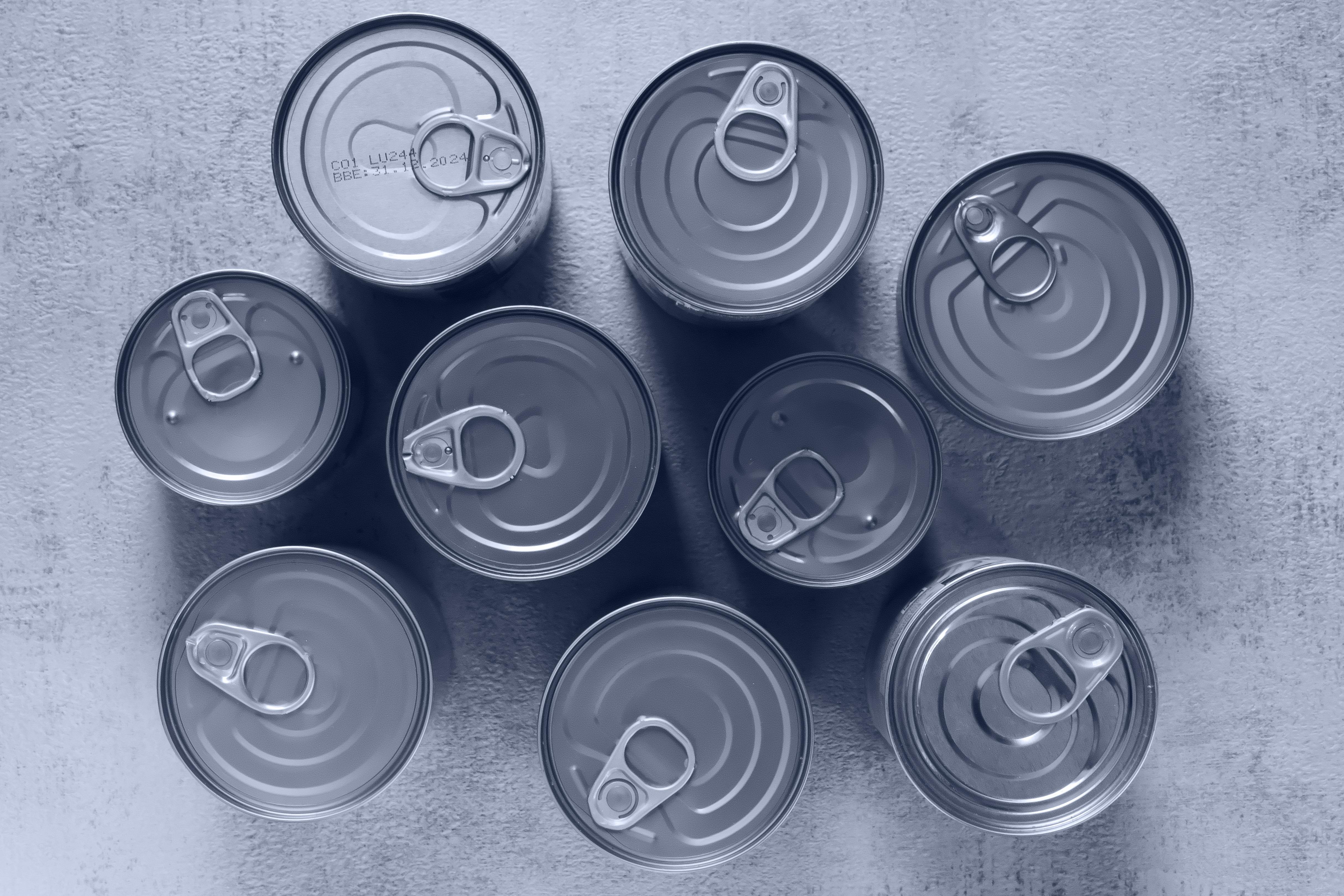
The first obstacle was brutally simple: food spoils. Early spacecraft had almost no room for refrigerators or freezers, so NASA needed meals that could survive launch, storage, and flight without becoming dangerous.
That pushed scientists toward shelf-stable methods such as freeze-drying, thermal stabilization, and vacuum sealing. Freeze-dried foods lost water, which slowed microbial growth and cut weight at the same time. Thermostabilized items, similar to canned foods, used heat to kill bacteria and extend safe storage.
Safety standards had to be tighter than ordinary packaged food on Earth. In orbit, foodborne illness is not just unpleasant, it can compromise an entire mission. According to NASA's food safety protocols, every item had to be tested for microbial stability, chemical changes, and performance after vibration and temperature stress.
Stopping Crumbs and Floating Bits
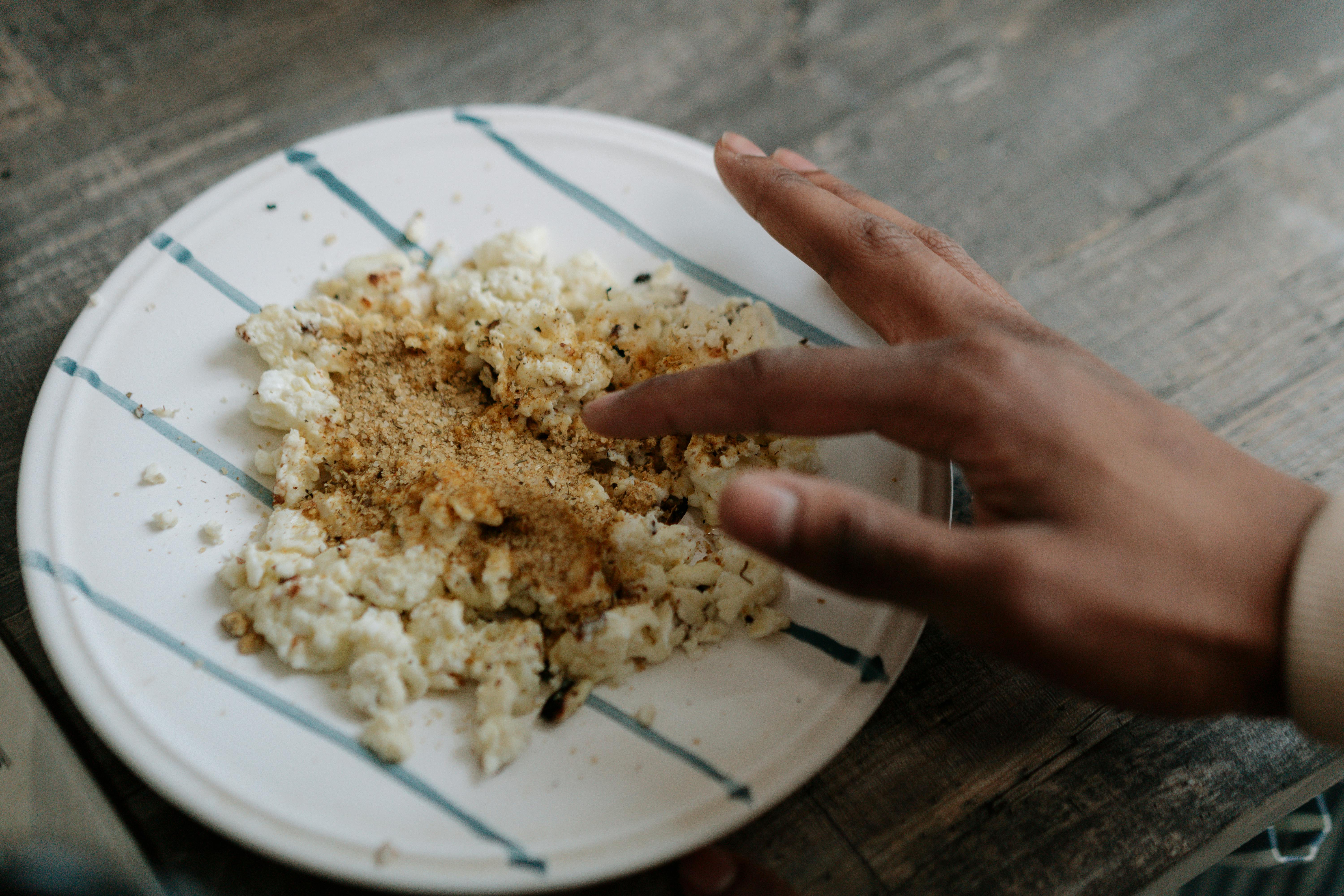
A tiny crumb becomes a big problem in microgravity. On Earth, it falls to the floor. In space, it can drift into an astronaut's eyes, lodge in vents, or interfere with sensitive electronics.
That is one reason the famous image of astronauts eating regular bread never became standard practice. NASA moved toward tortillas because they shed fewer particles than sliced bread. Cracker-like foods were limited, and many snacks were reformulated to stay cohesive when bitten.
The issue went beyond neatness. Spacecraft cabins depend on fans, filters, switches, and connectors that were never meant to swallow loose food debris. Designing low-crumb, bite-stable foods was as much an engineering fix as a culinary one, and it remains part of menu planning on the International Space Station.
Making Food Light Enough to Launch

Every kilogram launched into space costs money, fuel, and payload capacity. Long before taste entered the discussion, NASA had to reduce the mass and volume of food enough to fit within strict mission limits.
Water was the obvious target because it adds weight fast. Freeze-dried meals became useful not only for preservation but for logistics, since astronauts could rehydrate them onboard. Compact packaging also mattered, especially in Mercury, Gemini, and Apollo capsules where space was measured in inches, not comfort.
Engineers had to think about the full chain, from warehouse to orbit. Food needed to survive rocket vibration, temperature swings, and handling without rupturing or bloating. Lighter meals also had to remain nutritionally complete, forcing NASA to balance mass savings against calories, protein, vitamins, and crew workload.
Delivering Complete Nutrition in a Harsh Environment

Astronauts do not just need calories. They need protein for muscle maintenance, enough iron without overload, controlled sodium, and steady intake of vitamins that may degrade during long storage.
Space also changes the body. Bone loss, fluid shifts, appetite changes, and muscle wasting all affect dietary planning. NASA researchers have spent decades studying how microgravity alters metabolism, and that work shaped menus for Skylab, the space shuttle, and today's station crews.
Modern space diets are carefully calculated to support performance and long missions. Nutrient stability is especially important because some vitamins decline over time, which matters for future journeys to the Moon or Mars. A meal that looks adequate on launch day may be less protective months later if its micronutrients break down.
Creating Packaging That Works in Microgravity
A normal plate and fork are not enough when nothing stays put. NASA had to create packaging that could be opened, handled, eaten from, and thrown away without making a mess inside a sealed spacecraft.
That led to pouches, cans, tubes, and later more flexible containers designed for rehydration and direct eating. Some foods needed one-way valves for injecting water. Others required labels, color coding, and fasteners so astronauts could identify meals quickly and anchor them during preparation.
Packaging also had to be safe itself. Materials could not shed fragments, leak chemicals, or puncture easily under stress. Waste mattered too, because empty containers take up room until disposal. Good space-food packaging solved several problems at once: hygiene, usability, storage, and trash control.
Making Food Taste Good When Senses Change
Taste does not behave normally in orbit. Many astronauts report that congestion-like fluid shifts make foods seem blander, much like eating with a stuffy nose on Earth.
That is why stronger flavors became more important over time. Hot sauce, salsa, garlic, and spicy seasonings often became favorites on the International Space Station. NASA learned that palatability was not a luxury but a mission factor because crews who dislike their food may eat too little.
Psychology plays a role as well. Familiar meals can relieve stress and support morale during confinement. Food became part of behavioral health, not just nutrition science. A satisfying menu helps preserve routine, comfort, and social connection, all of which matter when people live for months inside a metal laboratory circling Earth.
Planning for Long Missions and Diverse Crews
The final challenge was scale. Feeding a pilot for a short flight is very different from feeding an international crew for months, and future Mars missions will stretch that challenge even further.
Menus had to become more varied, culturally flexible, and less repetitive. NASA and its partners developed broader options, including thermostabilized entrées, rehydratable soups, seafood, rice dishes, and vegetarian items. Variety reduces menu fatigue, a real problem when people lose interest in meals they see too often.
Long missions also demand forecasting. Agencies must estimate shelf life, nutrient retention, crew preferences, resupply timing, and emergency reserves. What began as squeezing puréed food from tubes evolved into a sophisticated life-support system, proving that sending food to space required solving human needs and engineering limits at the same time.



Leave a Reply