
Canadian grocery bills are still punishing even careful shoppers. The fastest way to save money now is not buying less food, but buying fewer overpriced, low-value items.
Pre-cut produce is convenience with a premium attached
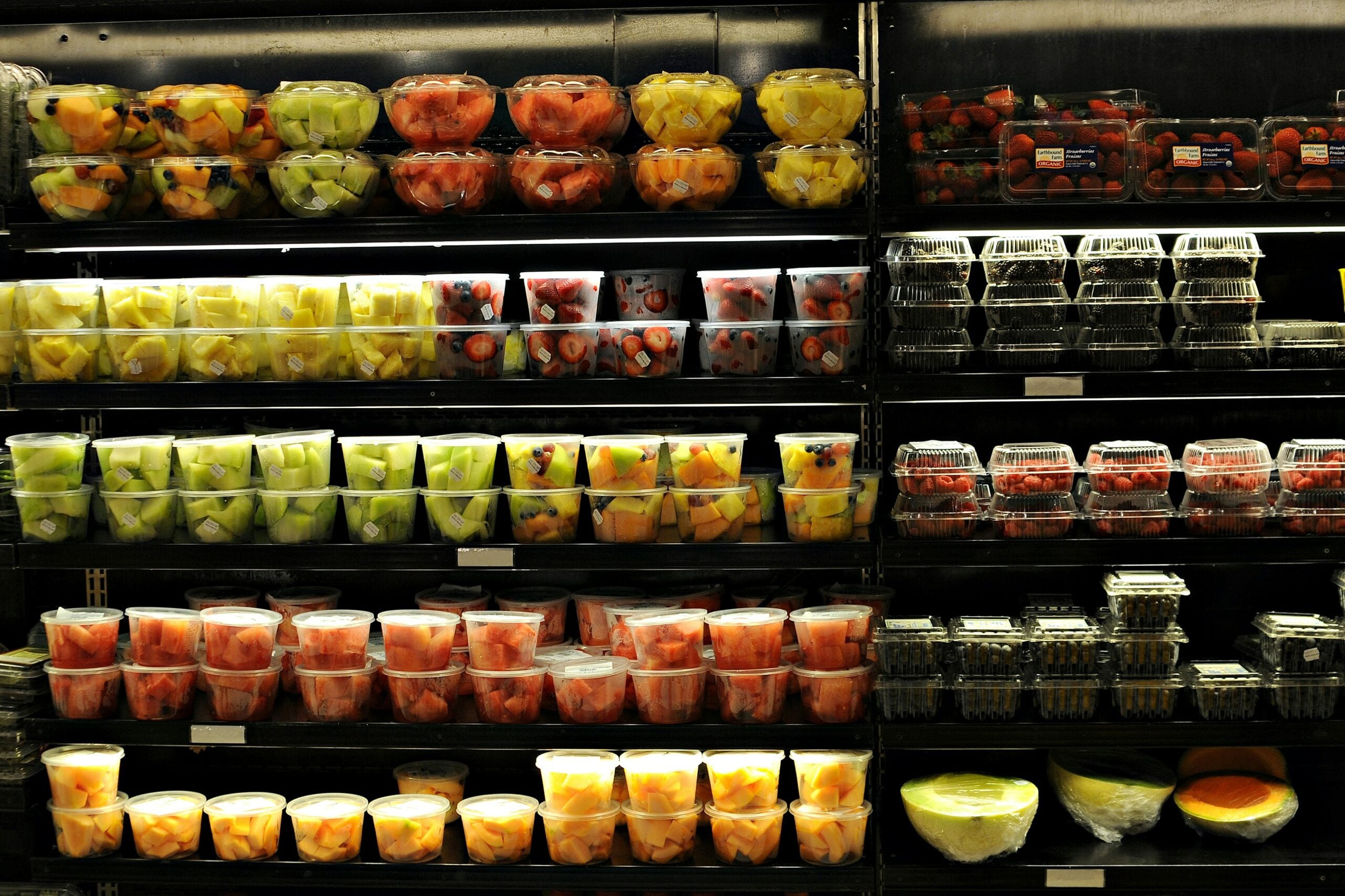
The produce aisle often hides one of the biggest markups in the store. Pre-cut melon, sliced mushrooms, cubed butternut squash, and bagged broccoli florets usually cost far more per kilogram than the whole version sitting a few feet away. You are paying for labor, packaging, and a shorter shelf life.
There is also a freshness problem. Once fruits and vegetables are cut, they lose moisture faster and spoil sooner. That means the "convenience" can become waste if you do not use it quickly. In a period when food inflation still matters, throwing out slimy stir-fry vegetables is an avoidable loss.
Buy whole produce instead, then do a quick prep session at home. A full cauliflower, whole carrots, onions, and potatoes usually stretch further across several meals. If you need convenience, frozen vegetables are the stronger backup because they are picked and packed quickly and tend to keep nutrients and value far better.
Bottled water is one of the weakest grocery spends

It is hard to justify paying grocery-store prices for water when most Canadians already have access to regulated municipal drinking water. Case after case of single-use bottles adds a surprising amount to the bill, especially for families, while also creating unnecessary plastic waste.
For many households, the real concern is taste, not safety. Minerals, chlorine notes, or older pipes can make tap water less appealing, even when it is still drinkable. That is why bottled water keeps selling, but it remains a costly solution to a problem that usually has a cheaper fix.
Buy a water filter pitcher or a faucet filter instead, along with a reusable bottle. Over time, the cost per litre drops dramatically. If you want sparkling water, a home carbonation system or refillable option can still come out cheaper than repeatedly buying multipacks.
Salad kits turn a basic side dish into an expensive habit
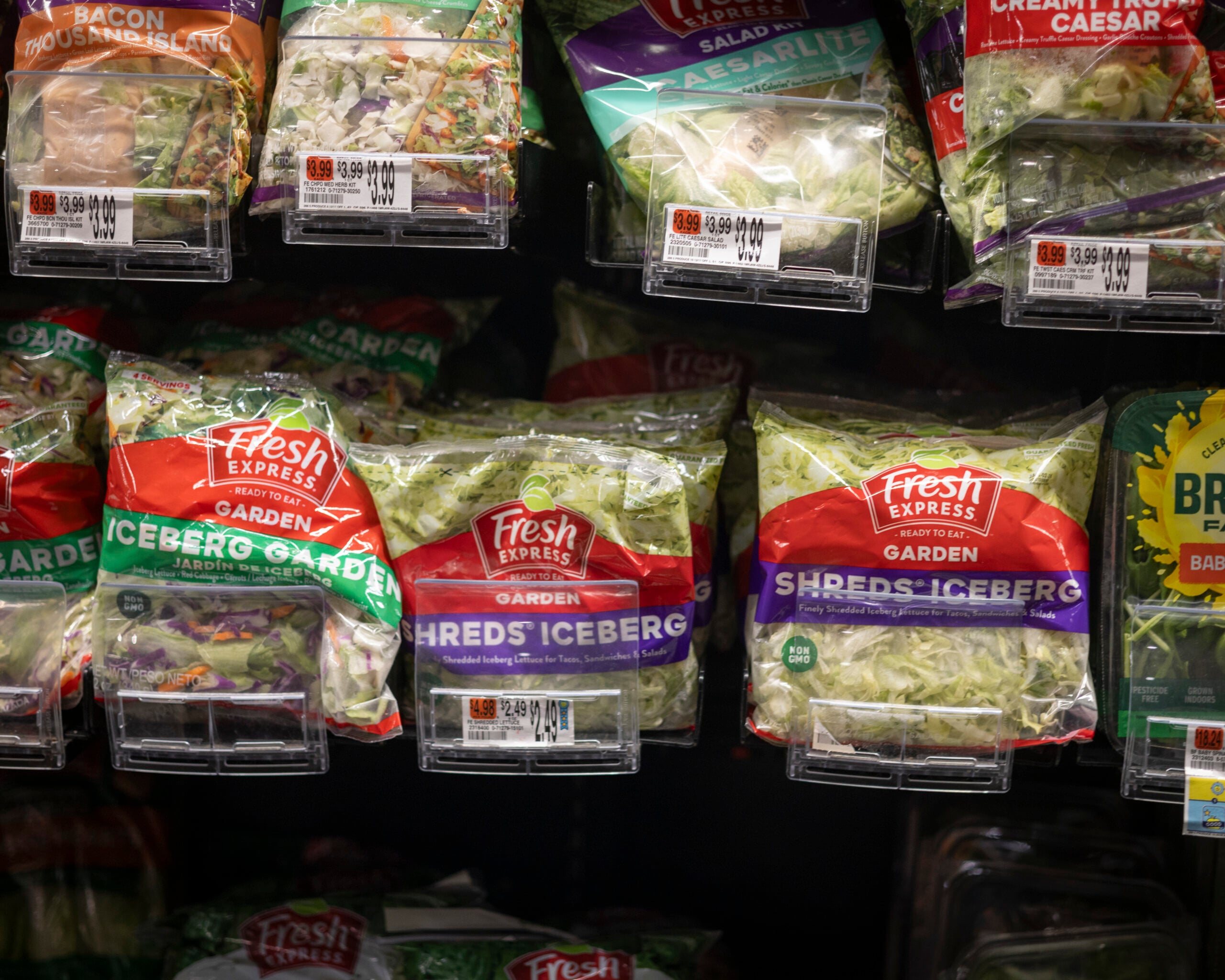
Salad kits look efficient, but they often cost far more than building the same bowl yourself. A small bag with lettuce, toppings, and dressing can equal the price of several heads of romaine or a large container of spring mix, especially in major Canadian cities where prepared foods carry steep margins.
They also spoil fast. Delicate greens wilt, dressing packets get used once, and toppings are rarely versatile beyond that single meal. If one ingredient turns, the whole kit feels wasted, which makes it a poor buy for smaller households or anyone not eating it the same day.
Buy sturdy greens and assemble your own combinations. Cabbage, romaine, carrots, cucumbers, and a simple homemade vinaigrette usually cost less and keep longer. Coleslaw-style mixes without dressing are another smart compromise because they are still convenient but far less overpriced than full salad kits.
Single-serve yogurt cups cost more and create more waste
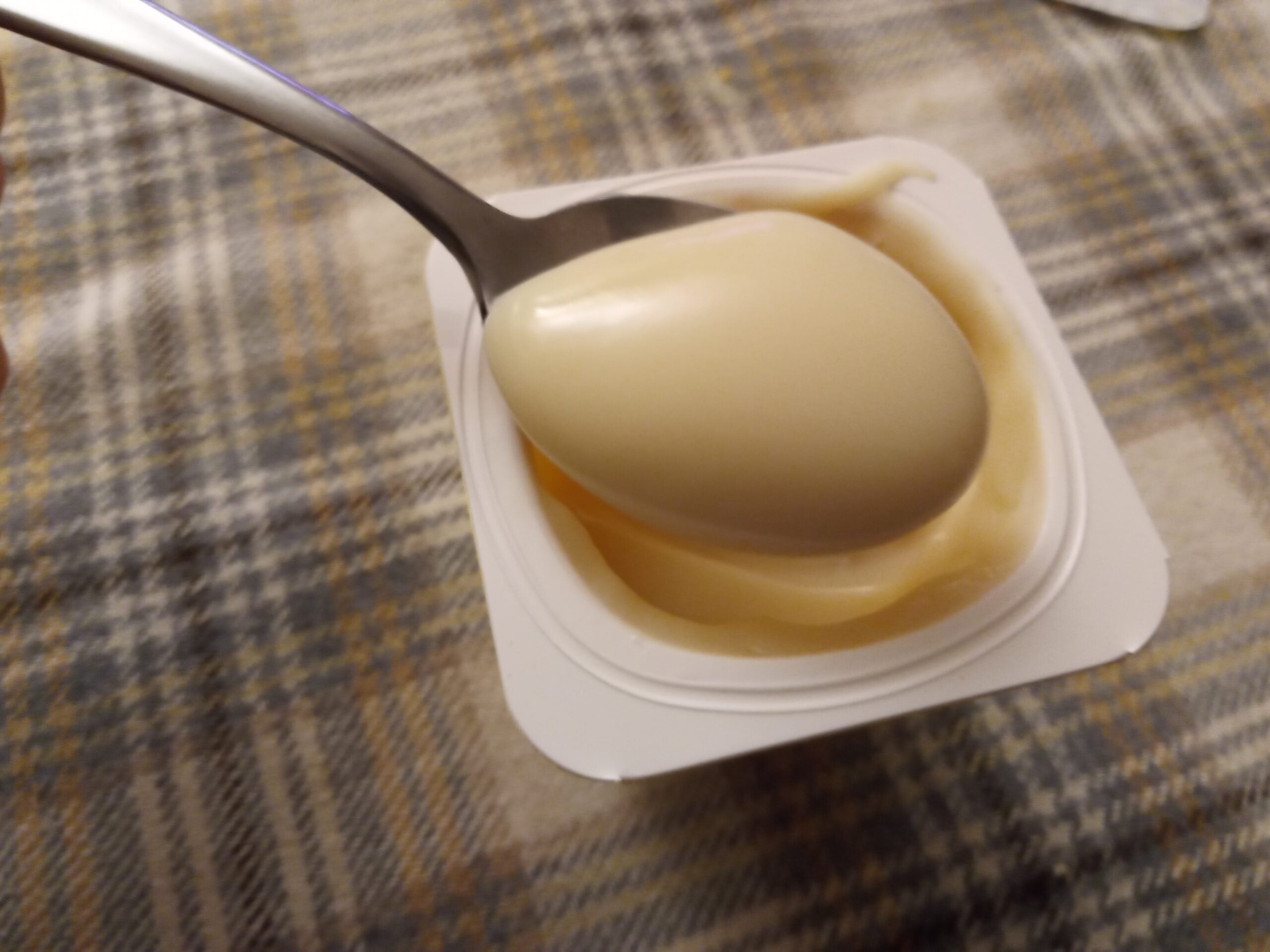
Those neat little yogurt cups seem harmless, but the price per 100 g is often much higher than a large tub. On top of that, single portions generate more packaging, which matters when grocery budgets and household waste are both under pressure.
They can also encourage buying dessert disguised as breakfast. Many flavored cups are high in added sugar and light on protein compared with plain Greek yogurt or skyr. For parents packing lunches, they feel practical, but the long-term cost difference becomes significant over weeks and months.
Buy a larger container of plain yogurt, then portion it yourself. Add frozen berries, oats, cinnamon, or a little maple syrup at home. If protein is the priority, plain Greek yogurt is usually the best value, and reusable containers make the lunchbox version just as portable.
Name-brand pantry staples are often not worth the markup
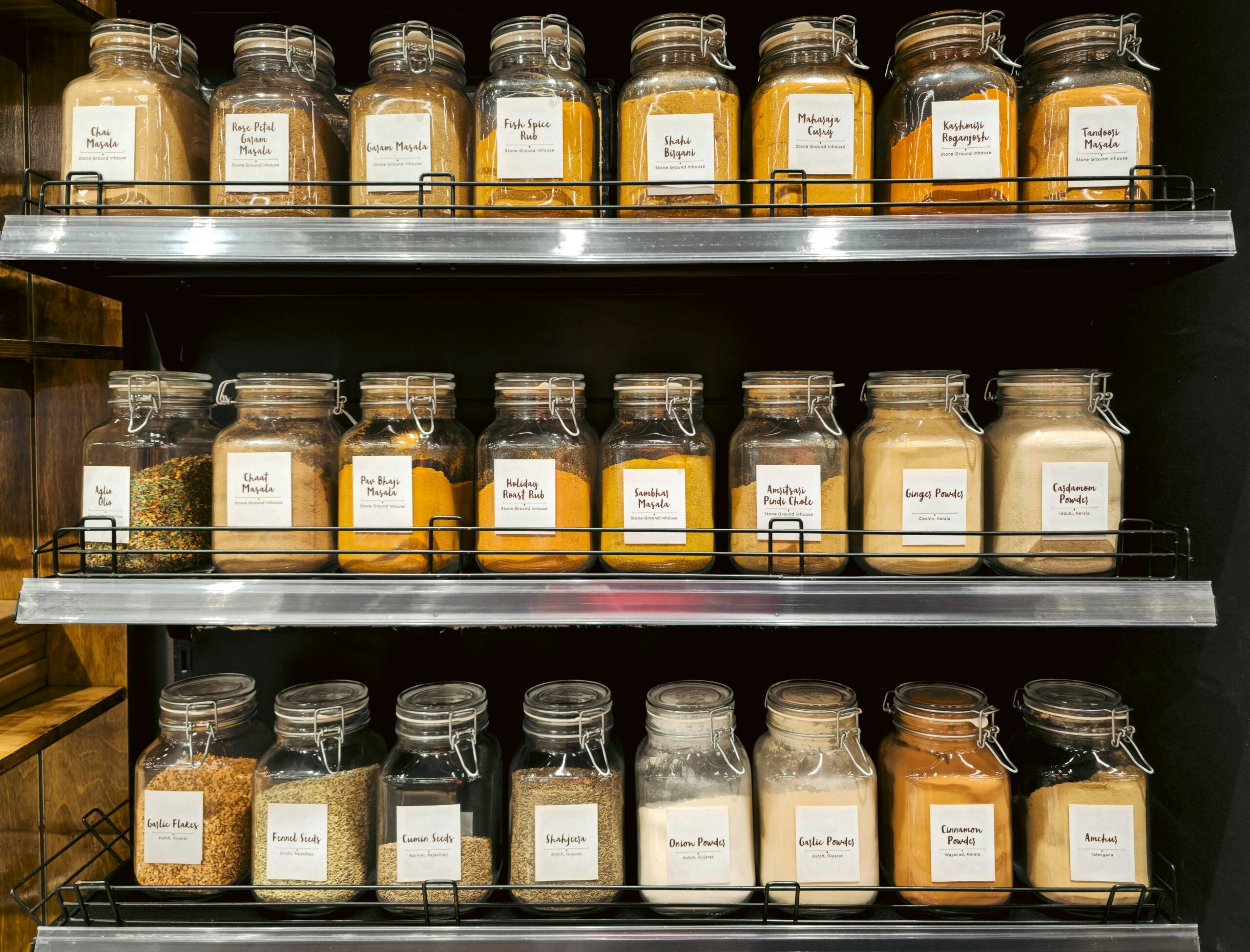
This is where habit quietly drains money. Many Canadians reach automatically for familiar labels on pasta, canned beans, flour, oats, rice, and peanut butter, even when store brands deliver nearly identical ingredients, nutrition panels, and cooking results.
Private-label quality has improved sharply over the last decade. In blind tastings and side-by-side cooking, plenty of generic staples perform just as well in soups, baking, sauces, and school lunches. The difference is that the lower shelf price can compound into meaningful monthly savings.
Buy store-brand basics first, then reserve brand loyalty for the rare items where taste truly changes the result. Good olive oil, certain cheeses, or a favorite coffee may deserve the splurge. Dry pasta, canned tomatoes, and black beans usually do not.
Out-of-season berries and imported produce can wreck the budget
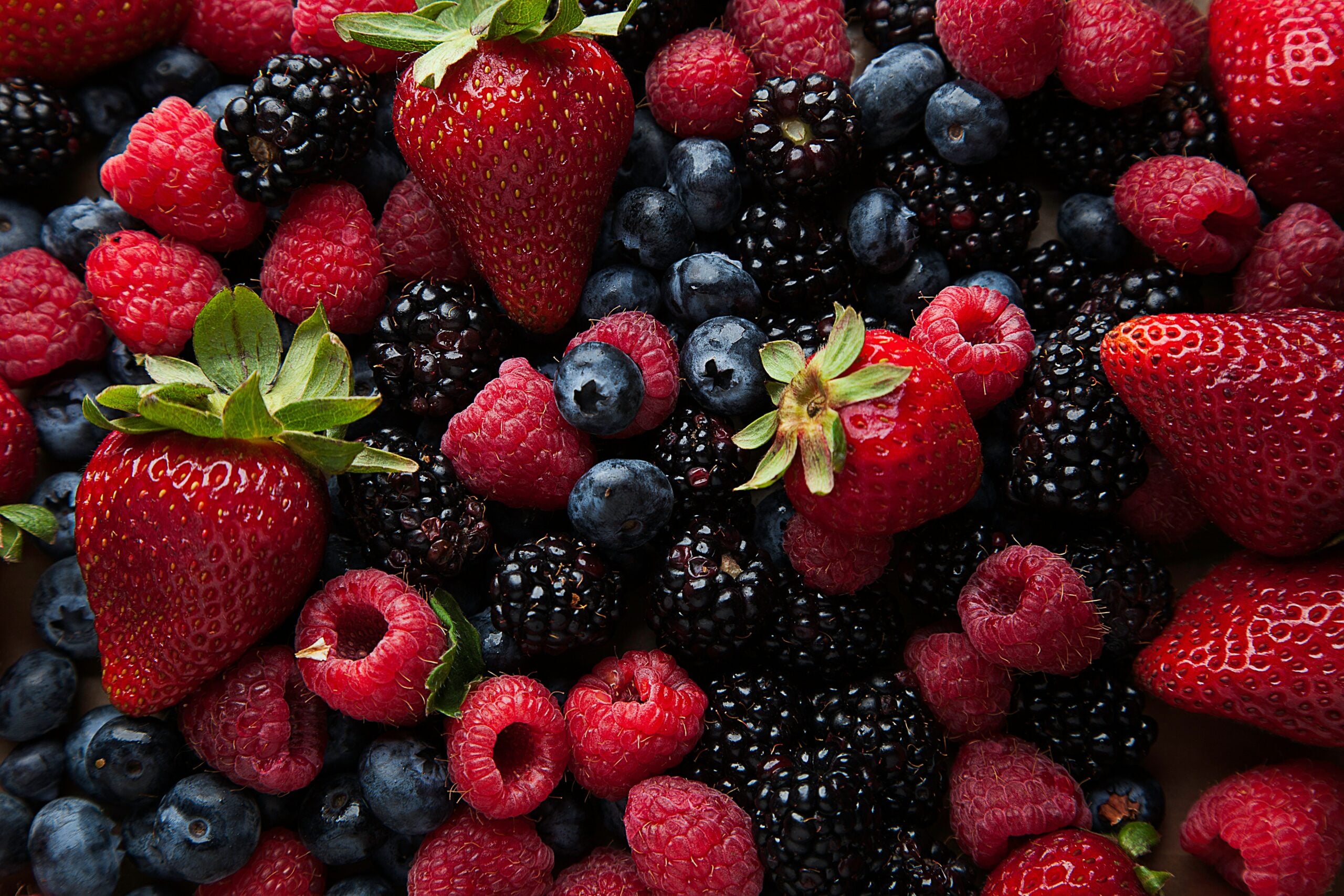
Few grocery items swing in price like berries in winter. Blueberries, strawberries, and raspberries shipped long distances often arrive expensive, less flavorful, and more fragile. You end up paying peak prices for fruit that may mold within days.
The same pattern applies to imported asparagus, grapes, and tender greens when Canadian growing conditions are poor. Transport, refrigeration, and weather disruptions all add cost. According to recurring food price tracking across Canada, produce remains one of the most volatile categories in the store.
Buy in-season produce whenever possible, and lean on frozen fruit the rest of the year. Frozen blueberries, strawberries, and mango often deliver better consistency for smoothies, oatmeal, and baking. Root vegetables, apples, cabbage, and squash are also dependable Canadian-friendly choices when prices tighten.
Ultra-processed snack packs feel cheap until you add them up
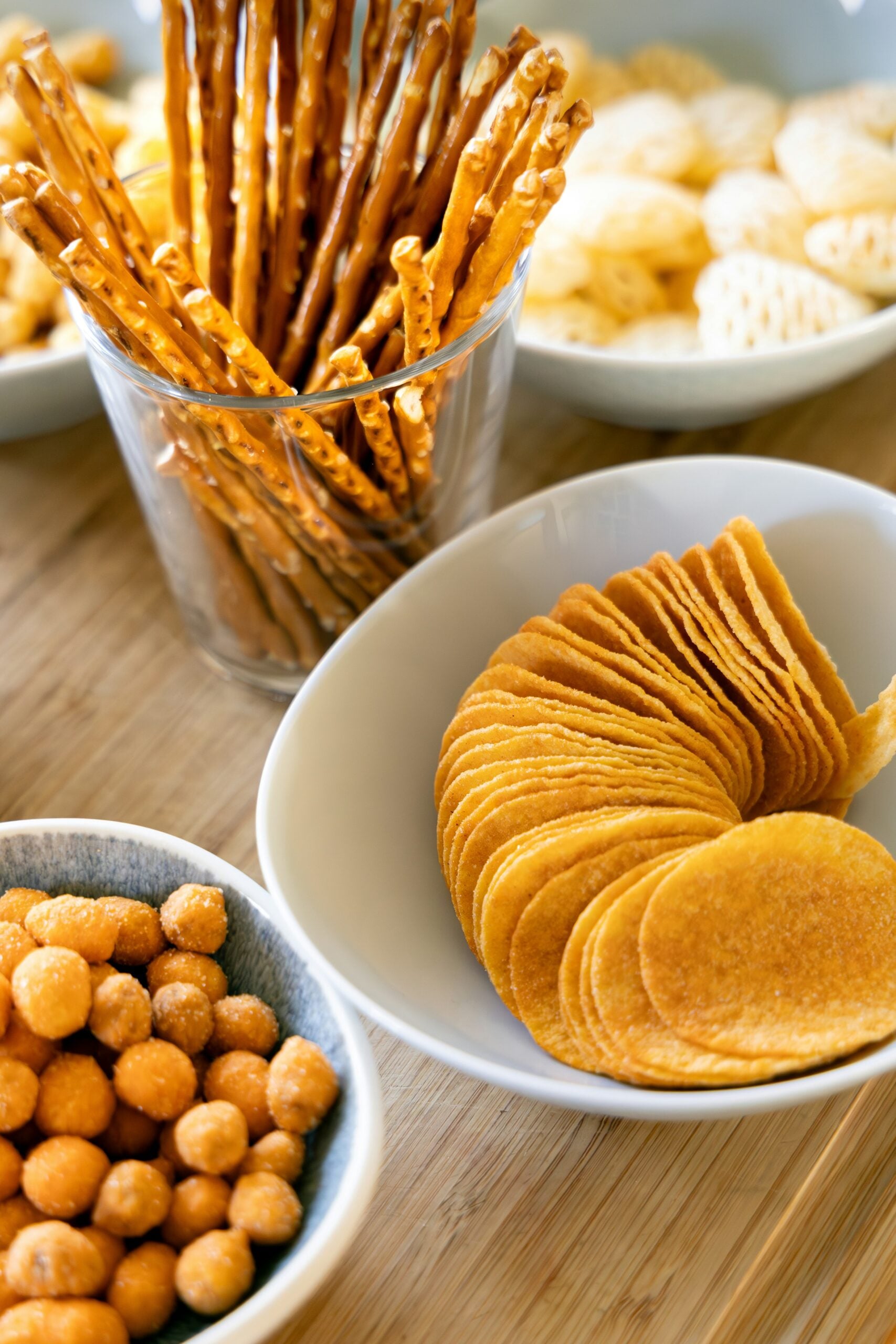
Snack packs, lunchbox crackers, mini cheese packs, and individually wrapped treats are designed for convenience, not value. They often carry some of the highest per-gram prices in the store while delivering less fullness and more sodium, sugar, and packaging.
They also disappear quickly. A family can burn through a week's worth of individually portioned snacks in a few days, then wonder why the grocery receipt climbed again. These products are excellent at creating repeat purchases because they solve a short-term need at a long-term premium.
Buy larger-format basics and portion them yourself. Crackers, block cheese, popcorn kernels, apples, roasted chickpeas, and nuts usually bring better value and more control over ingredients. A few reusable containers can turn the same idea into a much smarter routine.




Leave a Reply