
Coffee is still a daily ritual for millions of people, but it is no longer the automatic first choice for everyone. Rising prices, changing health goals, and new drink options are all giving longtime coffee habits real competition.
Higher prices at the coffee counter
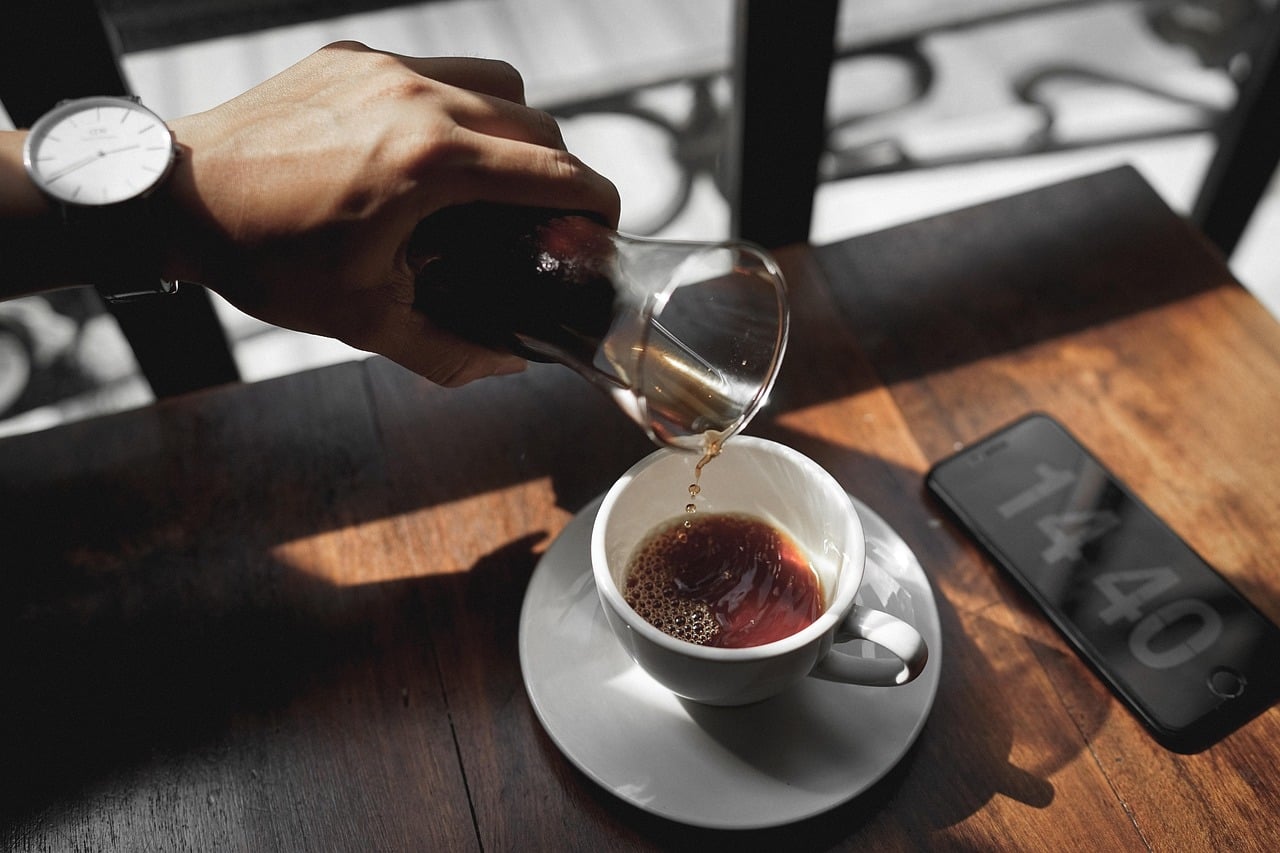
For many people, the first sign of coffee's changing status shows up on the receipt. A basic cup still exists, but café drinks with syrups, milk alternatives, and cold foam can quickly become a frequent expense.
The broader market has also been under pressure. Coffee prices have been affected by weather problems in major producing countries and by supply chain costs, which can push up prices for beans and prepared drinks alike.
That matters because coffee is often consumed every day, sometimes more than once. When a routine purchase starts to feel expensive, consumers tend to reconsider it, scale back, or replace it with cheaper options at home or with entirely different drinks.
Energy drinks and functional beverages
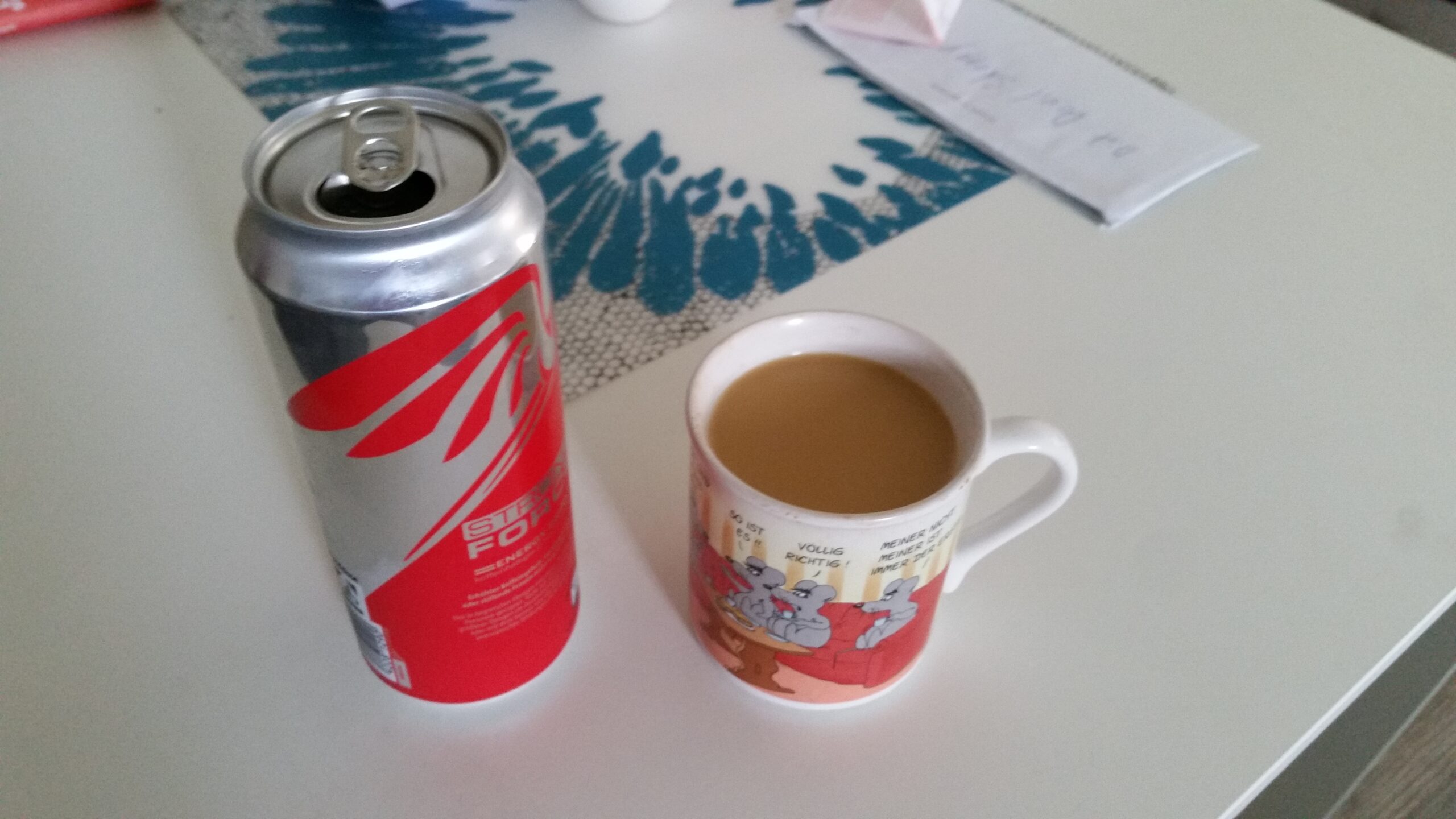
Coffee used to dominate the grab and go energy space, but it now shares that role with a crowded field of canned drinks. Energy drinks, sparkling caffeinated waters, and so called functional beverages promise alertness plus added ingredients like vitamins, electrolytes, or adaptogens.
That combination appeals to shoppers who want more than caffeine alone. Even if the science behind every ingredient claim varies, the marketing is simple to understand: one drink, several perceived benefits.
These products also fit modern convenience. They are portable, shelf stable, and often sold in gyms, vending machines, supermarkets, and convenience stores, which puts them directly in the path of consumers who may not want to wait in line for coffee.
People are watching their caffeine intake
A growing number of consumers are paying closer attention to how caffeine affects their bodies. For some, coffee can bring jitters, disrupted sleep, stomach irritation, or a midday crash, especially when intake climbs across multiple cups.
Health authorities have long advised moderation. The FDA says up to 400 milligrams of caffeine a day can be part of a healthy diet for most adults, but sensitivity varies widely from person to person.
That nuance matters. As more people track sleep, stress, and energy through watches and apps, they often connect poor rest or anxiety spikes with their coffee habits, then switch to lower caffeine drinks, half caf options, or herbal alternatives.
Tea offers variety and a gentler ritual
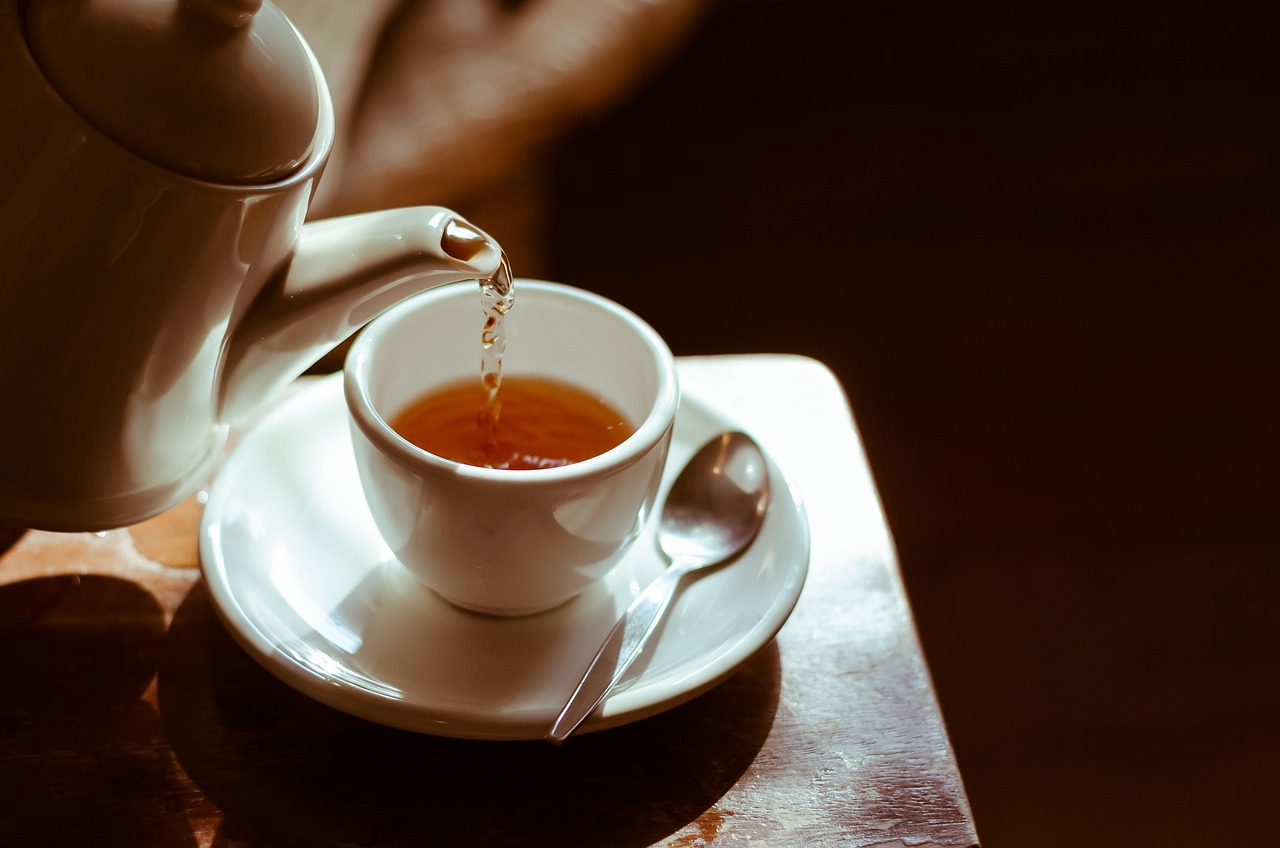
Tea is benefiting from a very different kind of appeal. Instead of delivering one familiar flavor profile, it offers a wide range of experiences, from black tea and matcha to rooibos, peppermint, and chamomile.
Some tea drinkers also like that many options contain less caffeine than coffee, while herbal teas may contain none at all. That makes tea easier to fit into afternoon and evening routines without the same concern about sleep disruption.
There is also a ritual aspect. Brewing loose leaf tea, whisking matcha, or steeping a calming blend can feel slower and more intentional than grabbing a rushed cup of coffee, which suits people trying to make their daily habits feel less hectic.
Younger consumers want new flavors

Taste culture has changed quickly, and younger consumers often move easily between categories. On one day that might mean cold brew, on another it could be boba tea, a fruit based refresher, kombucha, or a flavored sparkling drink.
Social media has helped accelerate that shift by turning beverages into visual trends. Color, texture, limited editions, and customization now play a major role in what gets attention and repeat purchases.
Coffee can still participate in that world, especially through iced and specialty drinks, but it is no longer the only star. It now competes in a broader beverage culture where novelty and personalization often matter as much as the caffeine itself.
Better home options reduce café dependence
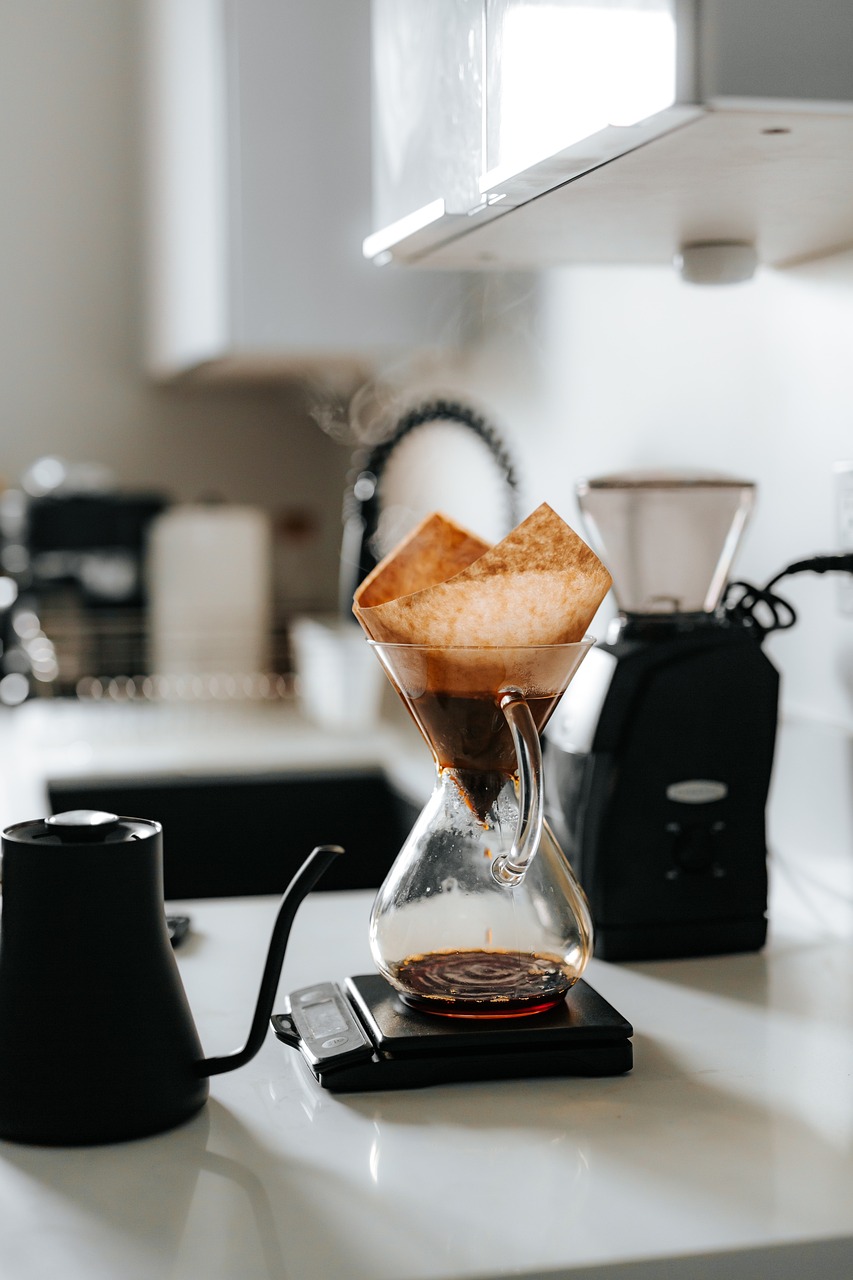
Coffee is not just competing with other beverages, it is also competing with itself. Better home brewing gear, from simple pour over kits to single serve machines and grinders, has made it easier for people to make satisfying coffee without visiting a café.
Retail shelves have also improved. Consumers can now find specialty beans, ready to drink cold brew, plant based creamers, and café style syrups in ordinary grocery stores, which narrows the gap between home and coffee shop quality.
When home preparation becomes easier and cheaper, the daily café run loses some of its hold. People may still love coffee, but they consume it differently, with fewer impulse purchases and more control over cost, strength, and ingredients.
Wellness trends favor alternatives
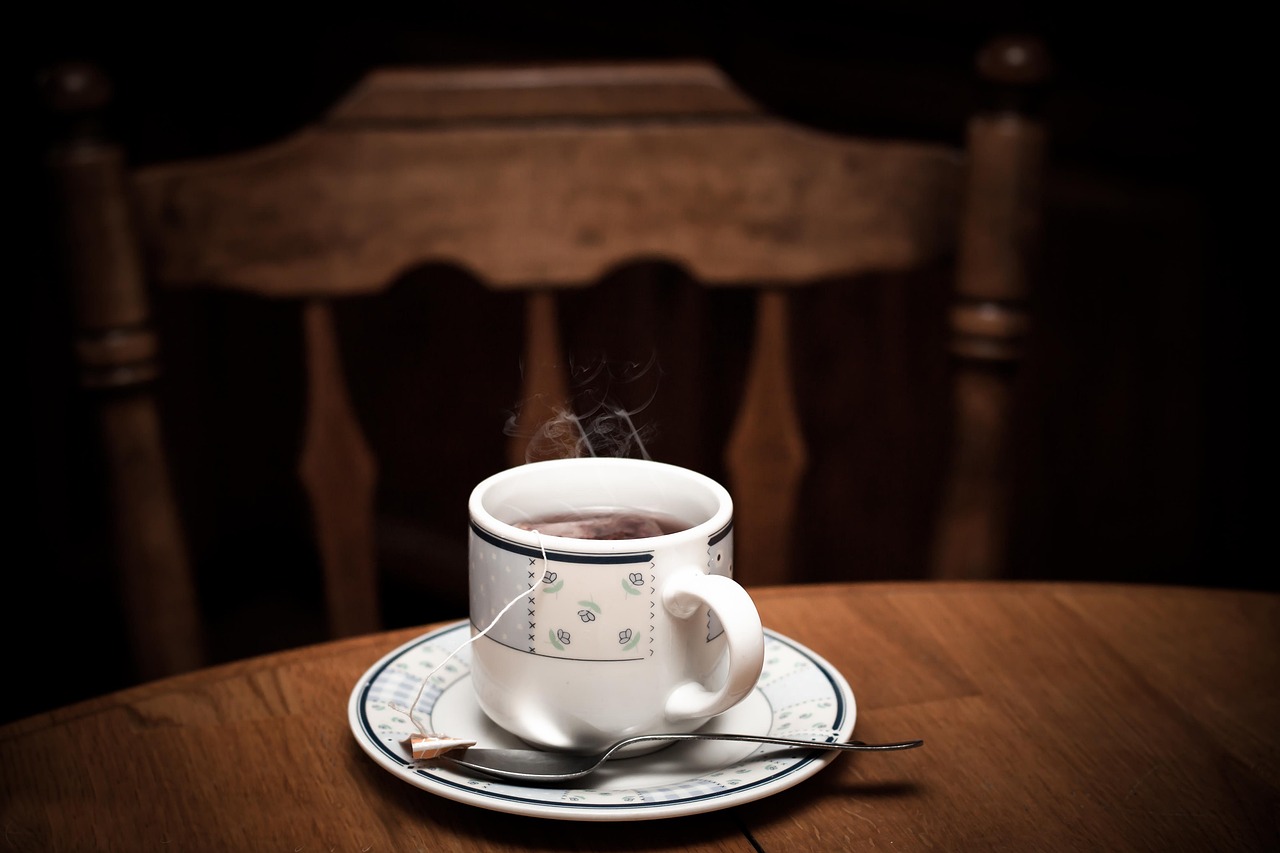
The strongest reason coffee is taking a backseat may be that wellness priorities are getting broader. Many consumers are trying to reduce sugar, improve hydration, support sleep, or avoid ingredients that feel harsh on an empty stomach.
That shift opens the door to alternatives such as decaf, herbal tea, mushroom based drinks, and low caffeine blends. Some people are not quitting coffee completely, they are simply moving it to a smaller role in the day.
In that sense, coffee is not disappearing, it is being repositioned. It remains popular, but it now sits inside a much wider drink landscape where health goals, budget, convenience, and curiosity all shape what ends up in the cup.



Leave a Reply