
Pumpkin season tends to get reduced to lattes and pie, but canned pumpkin and fresh pumpkin puree can do much more. These seven recipes show how pumpkin brings moisture, color and earthy sweetness to everything from breakfast to dinner and dessert.
Pumpkin bread
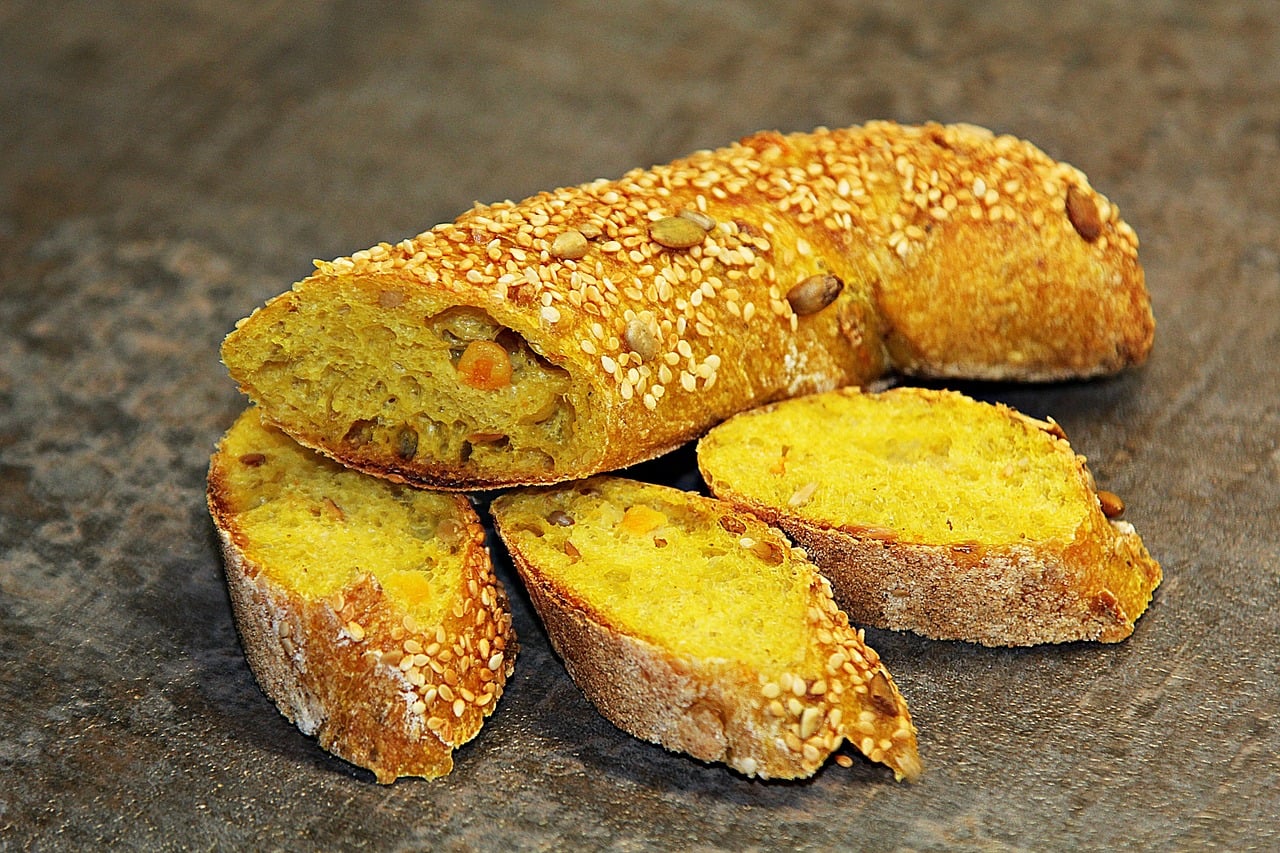
A good pumpkin bread earns its place by doing two jobs at once. It feels like a treat, but it is also practical, because pumpkin puree keeps quick breads moist for days.
Most versions build on pantry basics like flour, sugar, eggs, oil or butter, baking soda and warm spices such as cinnamon, nutmeg and cloves. Pumpkin adds body and tenderness without making the loaf heavy. That is why the crumb often stays soft longer than banana bread.
This is also one of the easiest pumpkin recipes to customize. Chopped pecans, walnuts, chocolate chips or dried cranberries all fit naturally, and the loaf freezes well once cooled and wrapped tightly.
Pumpkin soup
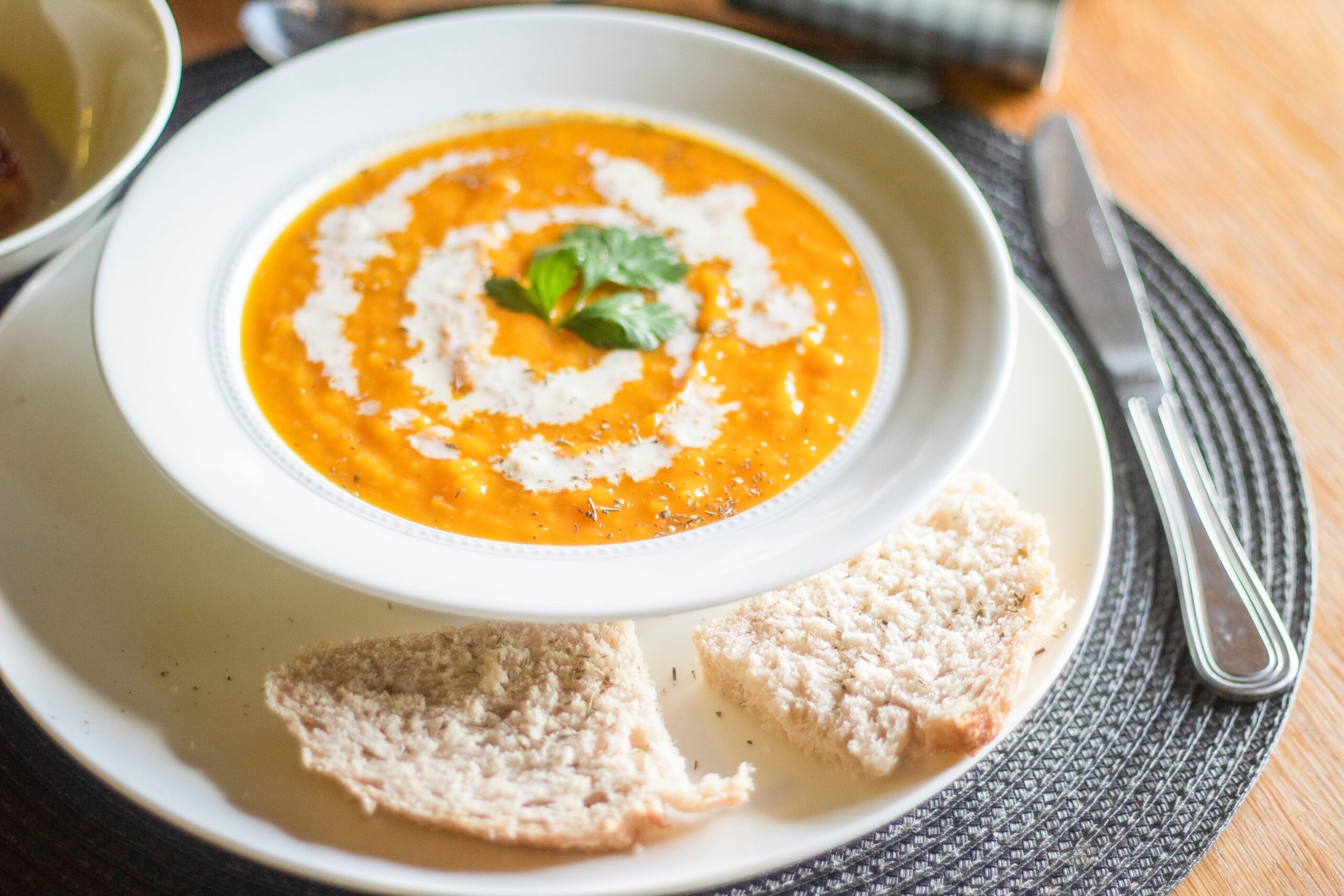
Pumpkin soup is one of the simplest ways to turn pumpkin into dinner. It works because the flesh blends into a naturally silky base, often without needing much more than broth, onion and a little cream or coconut milk.
Roasting the pumpkin first deepens its flavor and reduces excess water, which gives the soup a fuller taste. Garlic, sage, thyme and curry spices all pair well, depending on whether you want something classic or slightly more bold.
For a photographable finish, many cooks add toasted pumpkin seeds, a swirl of cream or a spoonful of yogurt. Those toppings are not just decorative, they add crunch and contrast to a dish that is otherwise smooth and mellow.
Pumpkin pie
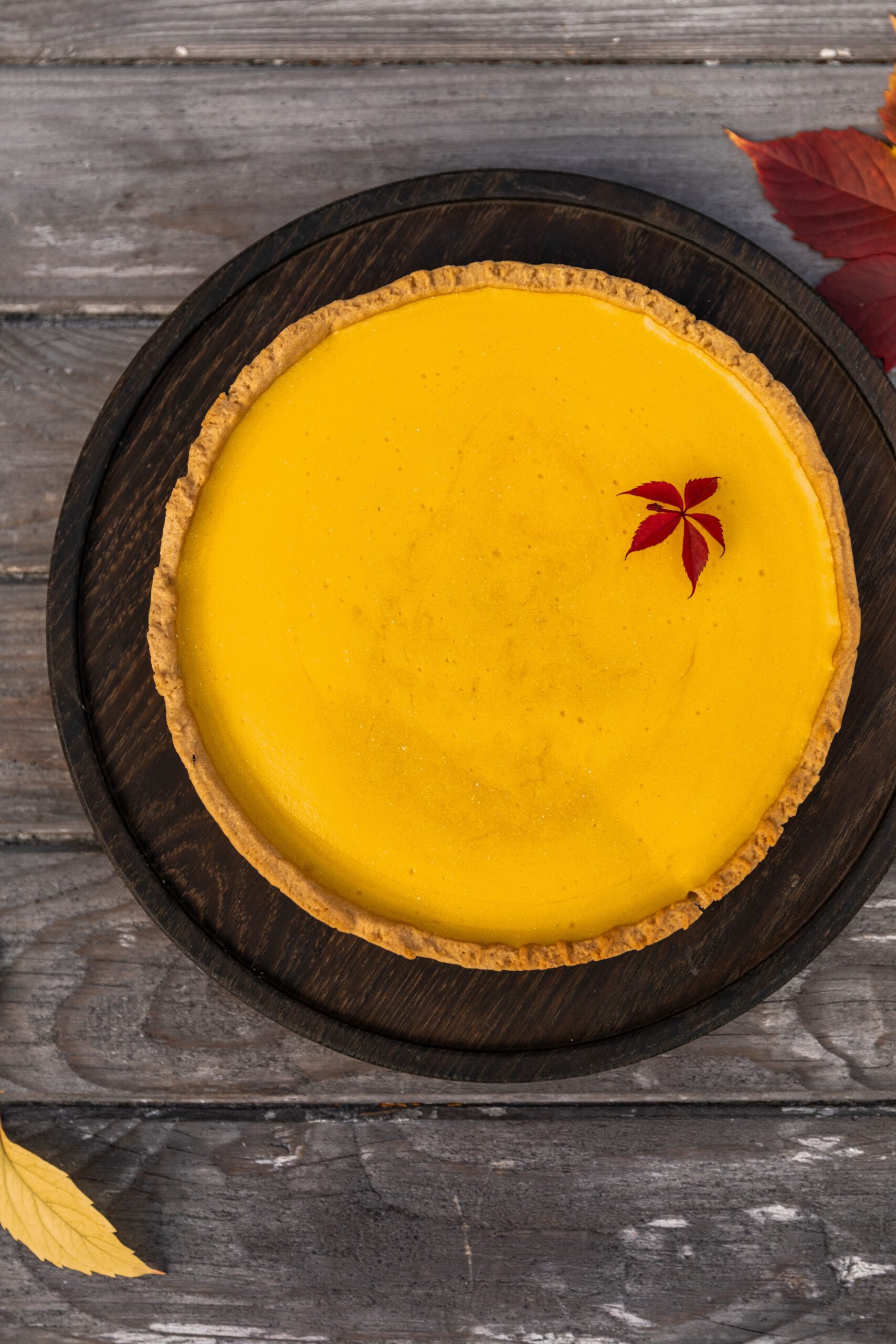
Pumpkin pie remains the standard for a reason. The filling balances pumpkin puree with eggs, sugar, milk or evaporated milk and a blend of spices, creating a custard that sets softly inside a crisp crust.
One useful detail is that pumpkin pie is usually better after it cools completely. That resting time helps the filling firm up and lets the spice flavors settle, so each slice cuts more cleanly and tastes more rounded.
Many bakers use canned pumpkin puree for consistency, while others prefer homemade puree for a fresher squash flavor. Either way, the most important step is avoiding extra moisture, which can leave the filling loose and the crust less crisp.
Pumpkin risotto
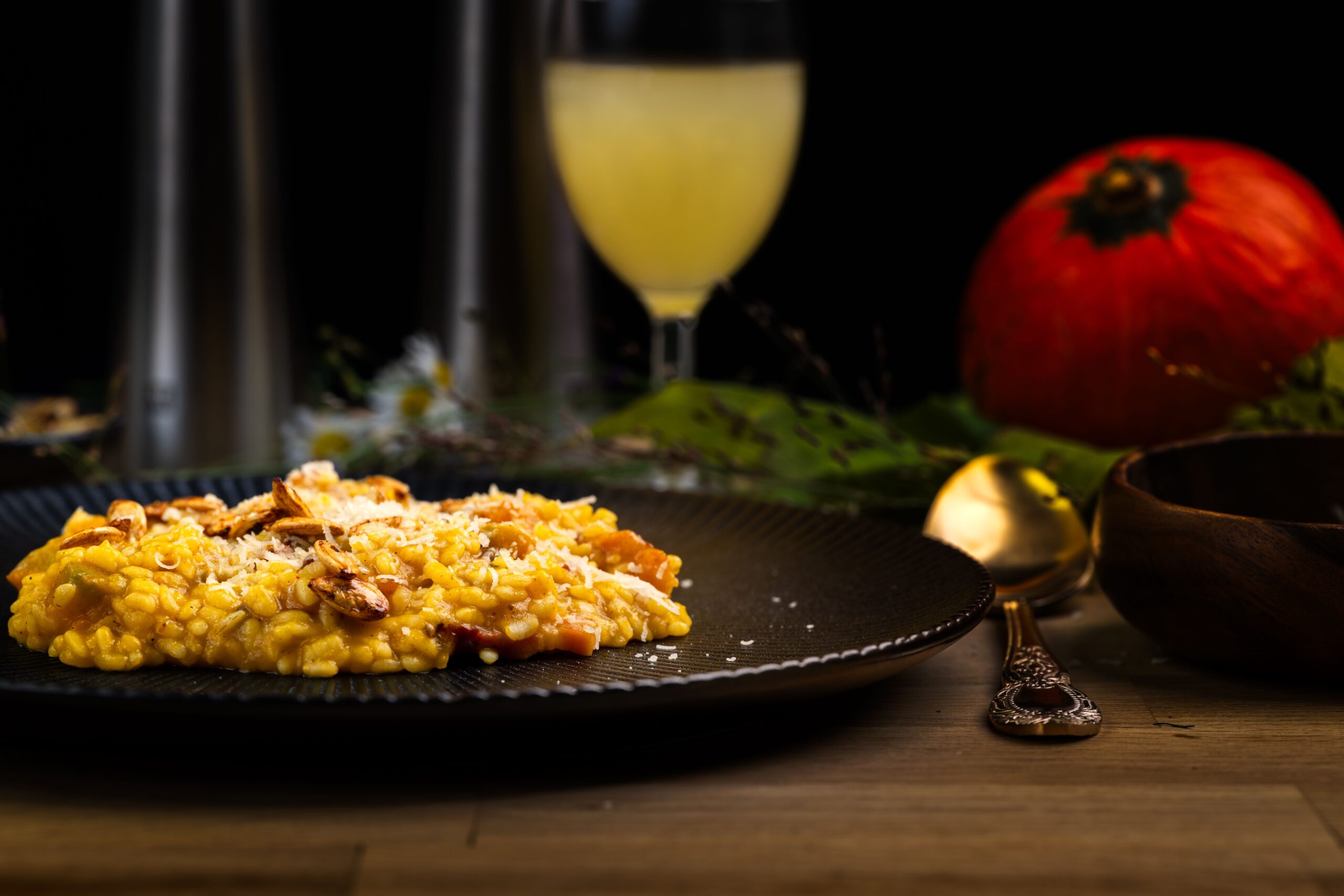
Pumpkin risotto shows how well pumpkin fits savory cooking. Stirred into arborio rice, pumpkin puree gives the dish color and richness while stock and Parmesan build the creamy texture risotto is known for.
The best versions do not rely on pumpkin alone. Onion or shallot lays the foundation, white wine adds brightness and herbs like sage bring a woodsy note that keeps the dish from tasting flat or overly sweet.
This is also a strong choice for a cool evening because it feels substantial without being heavy. Roasted pumpkin cubes on top add texture, and browned butter or crispy sage can turn a simple bowl into a dinner that looks restaurant-worthy.
Pumpkin pancakes
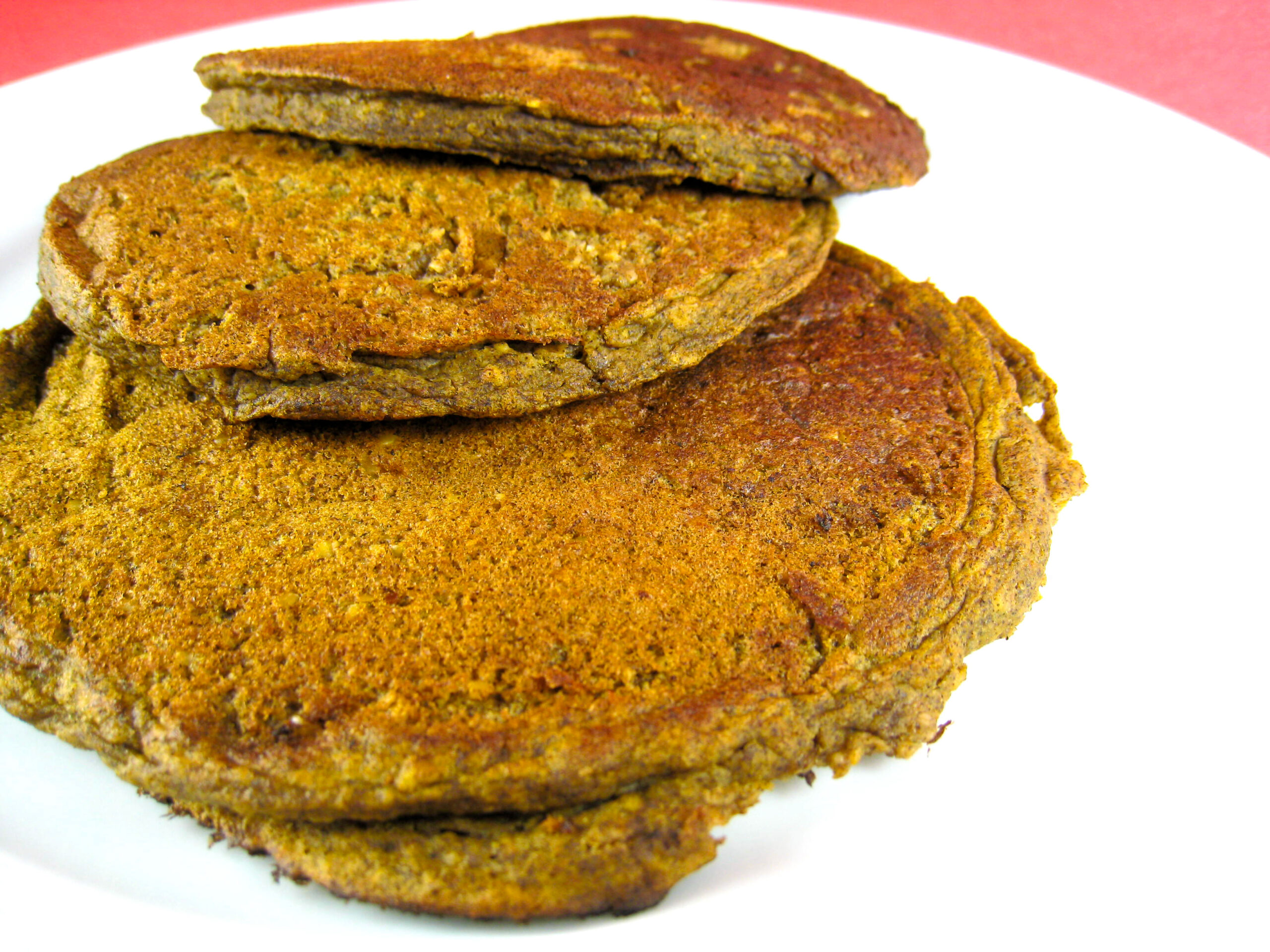
Pumpkin pancakes make a familiar breakfast feel seasonal without much extra work. A few spoonfuls of pumpkin puree in the batter add moisture and a warm orange color, while cinnamon, ginger and nutmeg give the stack its autumn flavor.
Because pumpkin thickens batter, the best recipes usually balance it with enough milk or buttermilk to keep the pancakes tender. The result should be soft and fluffy, not dense. Letting the batter rest briefly can also help it cook more evenly.
Maple syrup is the obvious match, but toasted pecans, sliced apples or plain Greek yogurt can make the plate more interesting. For busy mornings, the pancakes can be cooked ahead and reheated without losing much texture.
Pumpkin chili
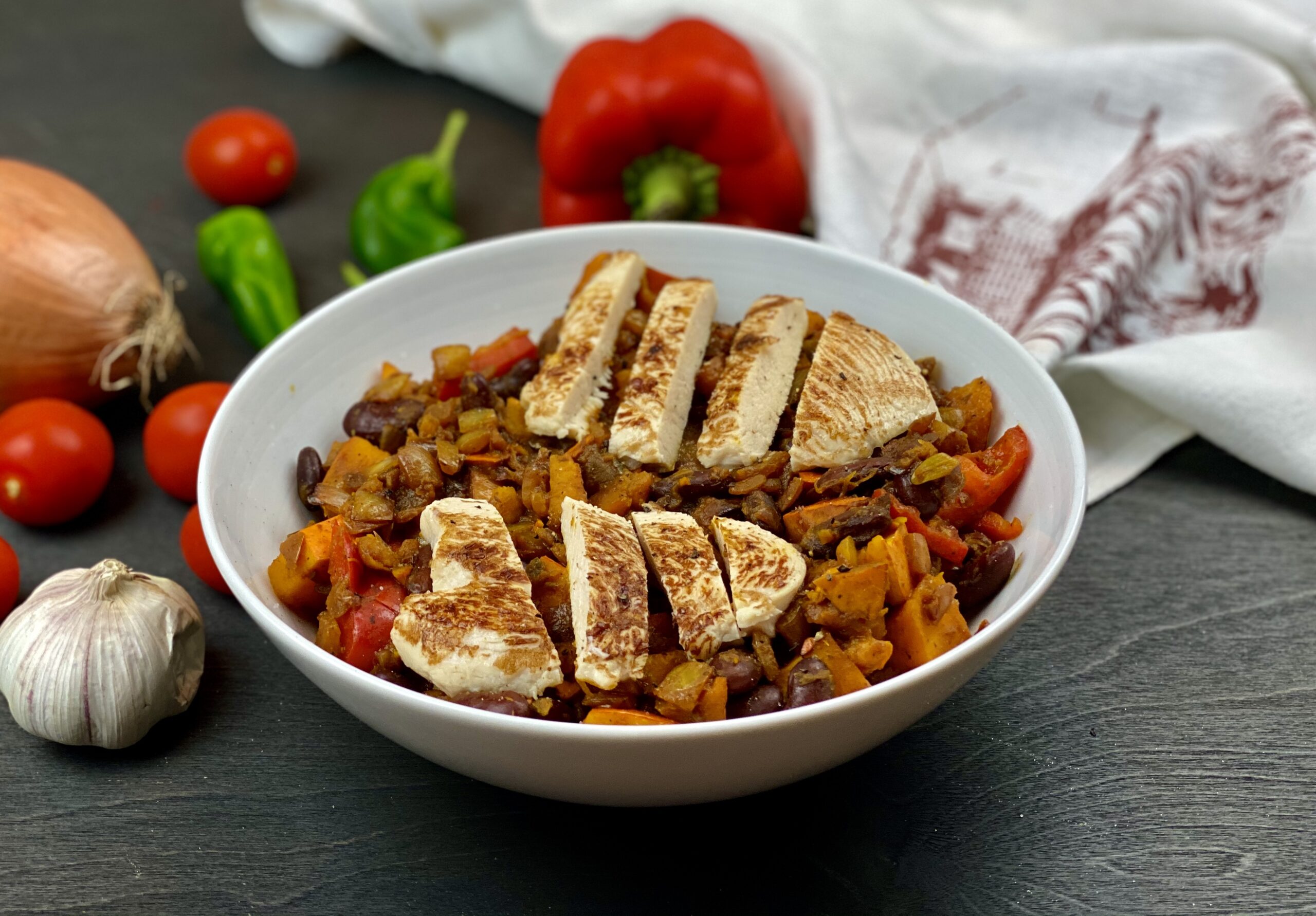
Pumpkin chili is one of the more surprising uses for pumpkin, and it works especially well. Pumpkin puree melts into the broth, thickening it and adding mild sweetness that balances heat from chili powder, cumin and peppers.
It pairs naturally with black beans, pinto beans, ground turkey or beef, depending on the style you want. Some recipes also include tomatoes, which brighten the pot and keep the pumpkin from taking over the flavor.
The finished chili often tastes even better the next day, after the spices have had time to settle in. Toppings like shredded cheese, sour cream, cilantro or toasted pepitas add contrast and make each bowl easier to tailor to the table.
Pumpkin cheesecake
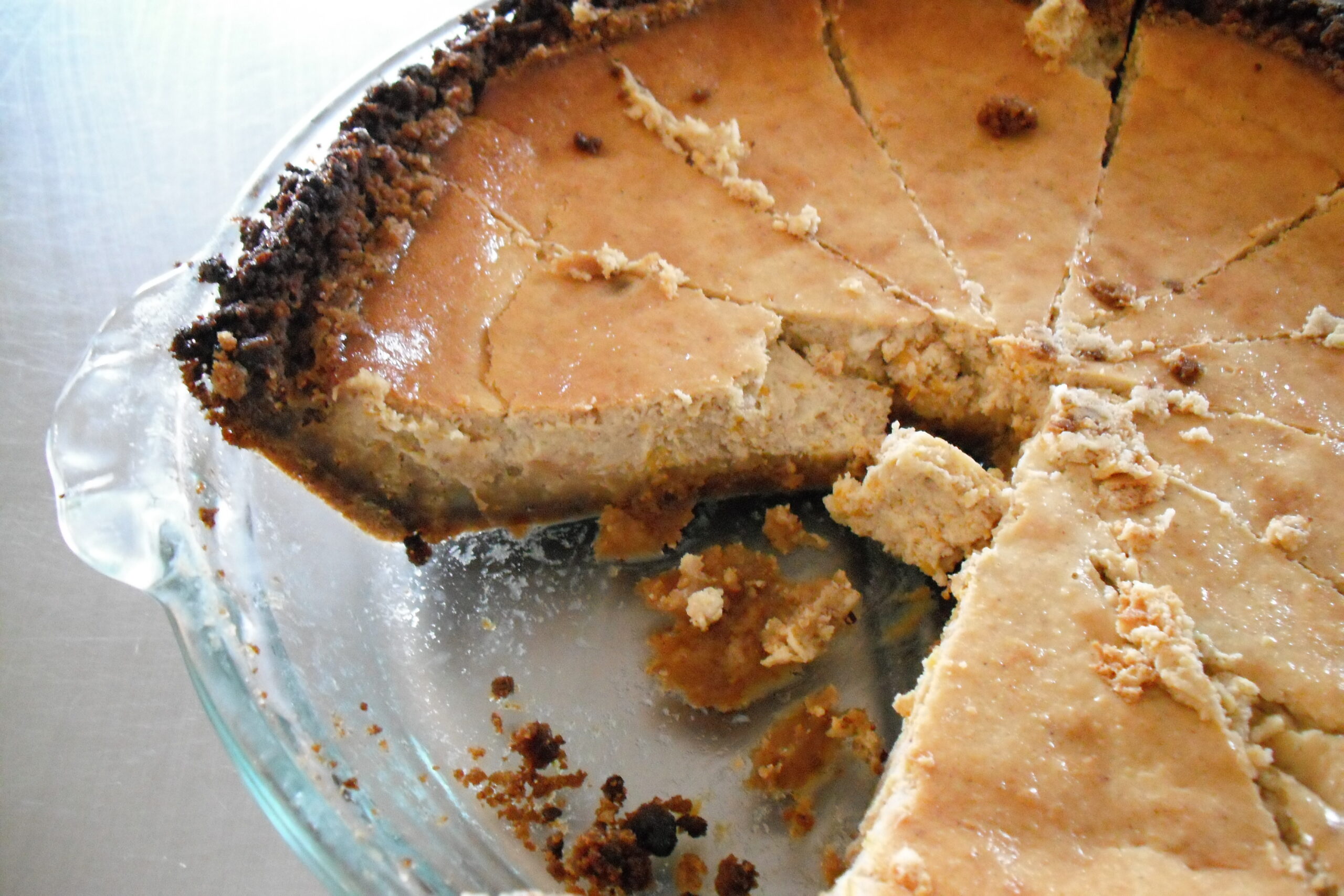
Pumpkin cheesecake closes the season on a rich note. It combines the tang of cream cheese with pumpkin puree and warm spices, creating a dessert that lands somewhere between classic cheesecake and pumpkin pie.
Texture is the make-or-break detail here. Overbaking can dry the filling or cause cracking, so many bakers pull the cheesecake when the center still has a slight wobble, then let it cool gradually before chilling.
A graham cracker crust is the usual base, though gingersnap crumbs bring more spice and snap. Served plain or with whipped cream, pumpkin cheesecake feels polished enough for a holiday table while still delivering the familiar comfort people expect from pumpkin.



Leave a Reply