
Some groceries used to show up in family kitchens almost by default. They were not trendy, but they were reliable, budget-friendly, and built for real life, which is exactly why several of them deserve another look now.
Cottage cheese
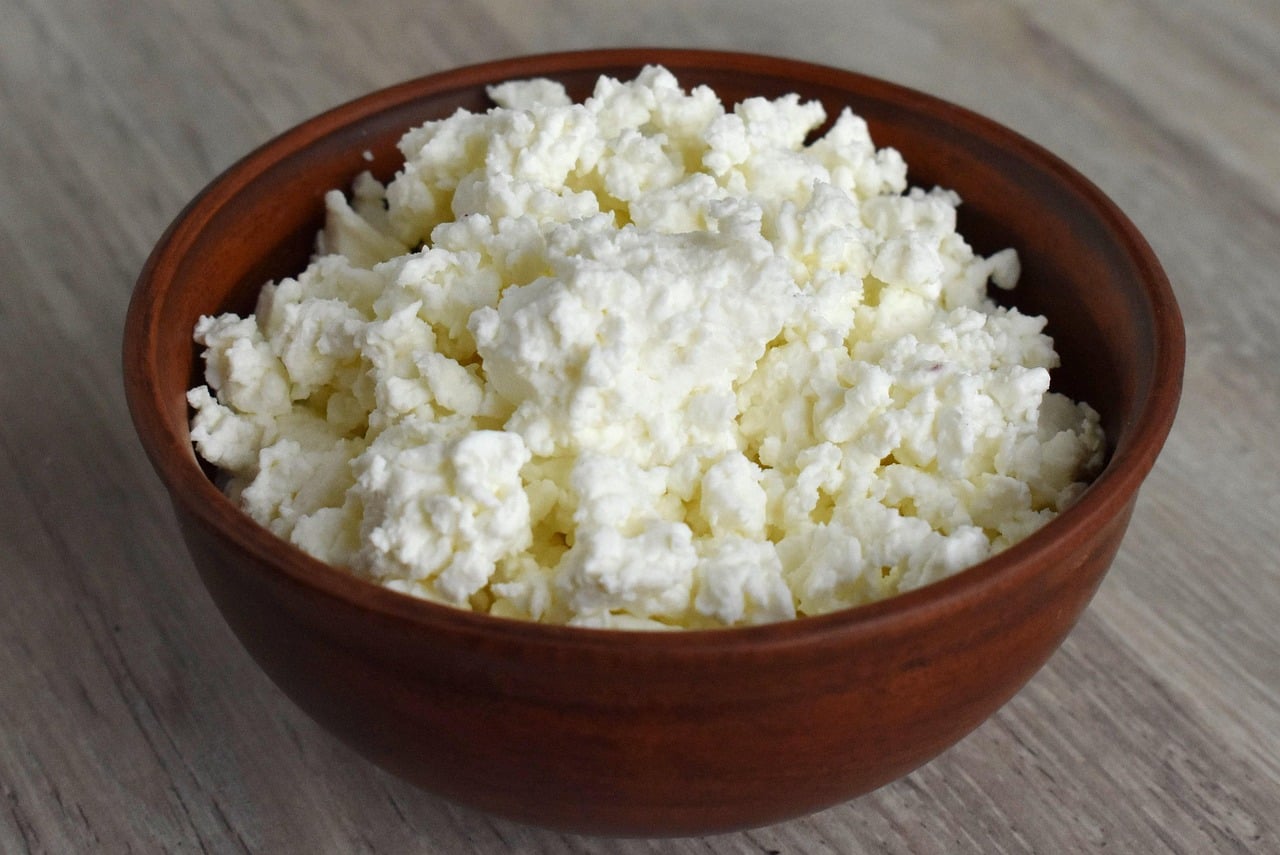
Cottage cheese was once a standard refrigerator staple because it was easy, filling, and ready to eat straight from the tub. It worked for breakfast, lunch, or a late snack without any prep beyond a spoon and maybe some fruit or black pepper.
Nutritionally, it still holds up well. The USDA notes that cottage cheese provides protein and calcium, which helps explain why it stayed popular for decades in households trying to stretch meals without sacrificing substance.
It is also more flexible than its reputation suggests. You can eat it with tomatoes on toast, spoon it into scrambled eggs, or blend it into dips for extra body. In a moment when shoppers want foods that do more than one job, cottage cheese fits the brief.
Canned peaches
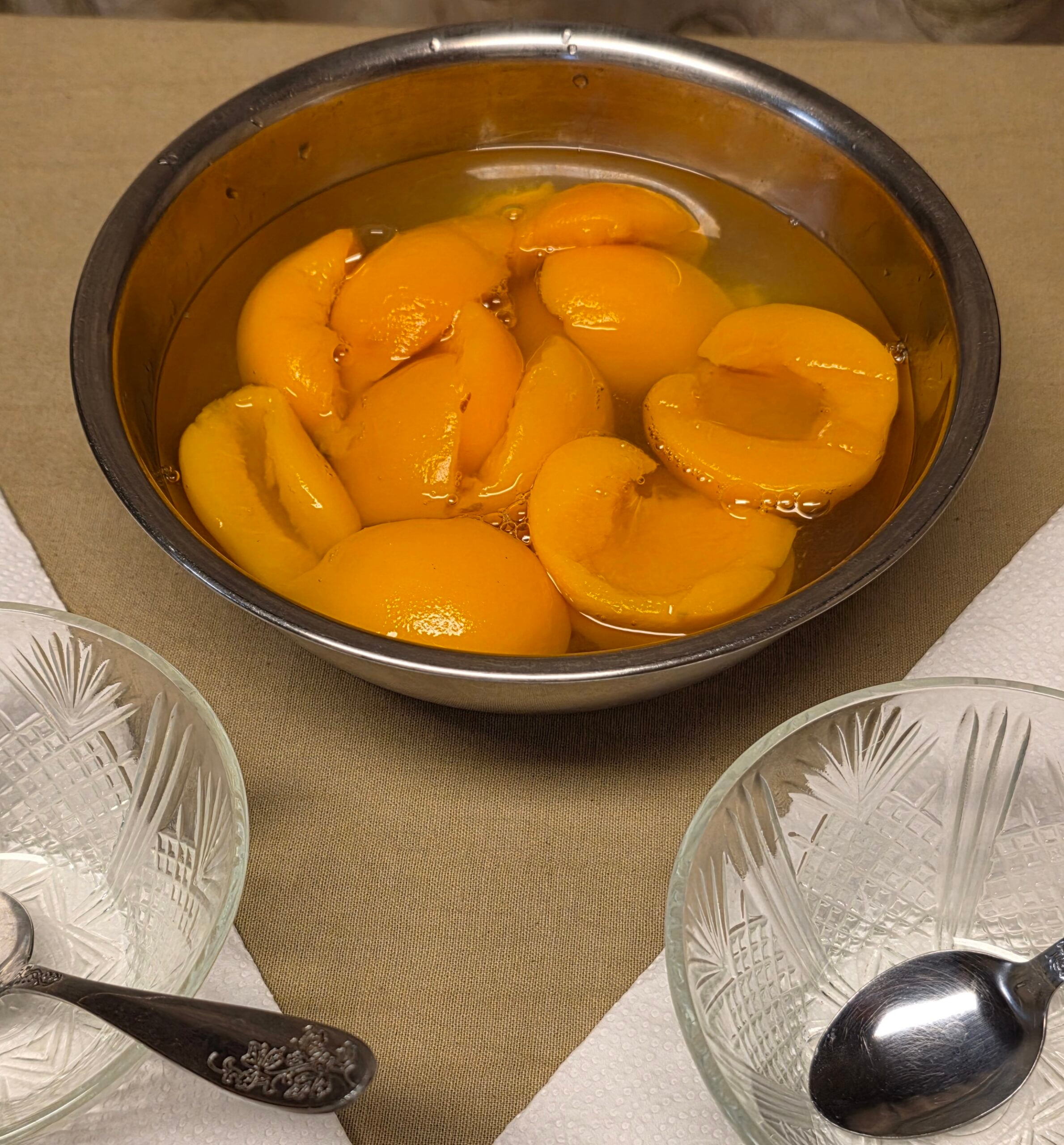
Canned peaches used to live in the pantry as an all-season answer to dessert, side dishes, and lunchboxes. Their big advantage was consistency. Even when fresh peaches were out of season, bruised, or expensive, a can delivered the same soft fruit every time.
Canned fruit also cuts down on waste. Because it is shelf-stable, it can wait until you actually need it, which is not always true of fresh produce that ripens too fast on the counter.
There is also a comfort factor that should not be dismissed. Chilled canned peaches with cottage cheese or a dollop of yogurt were common, simple pairings in many homes. They are not flashy, but they are practical and still useful for baking, parfaits, and quick fruit salads.
Bran cereal
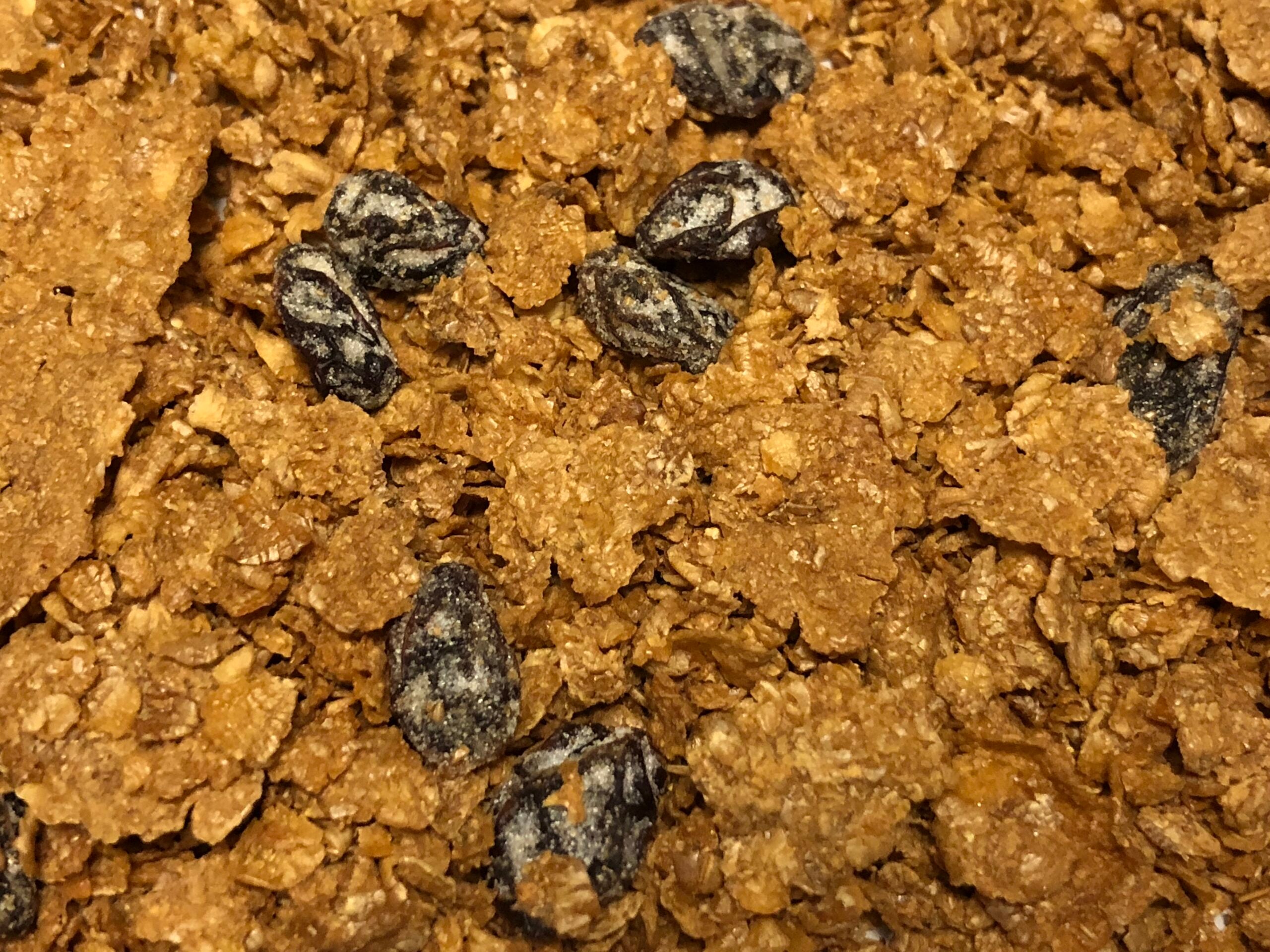
Bran cereal has never had the marketing sparkle of sugary cereals, but it solved a real breakfast problem. It was quick, shelf-stable, and built around fiber, which many Americans still do not get enough of in their daily diets.
According to the Dietary Guidelines for Americans, fiber is a nutrient of public health concern because underconsumption is linked to potential health effects. That old box of bran starts to look a lot less old-fashioned in that context.
It also adapts better than people remember. Bran cereal can be eaten with milk, stirred into yogurt, or crushed into muffin batter for texture. Parents bought it because it was dependable. Today, that same dependability feels useful again, especially on busy weekday mornings.
Powdered milk
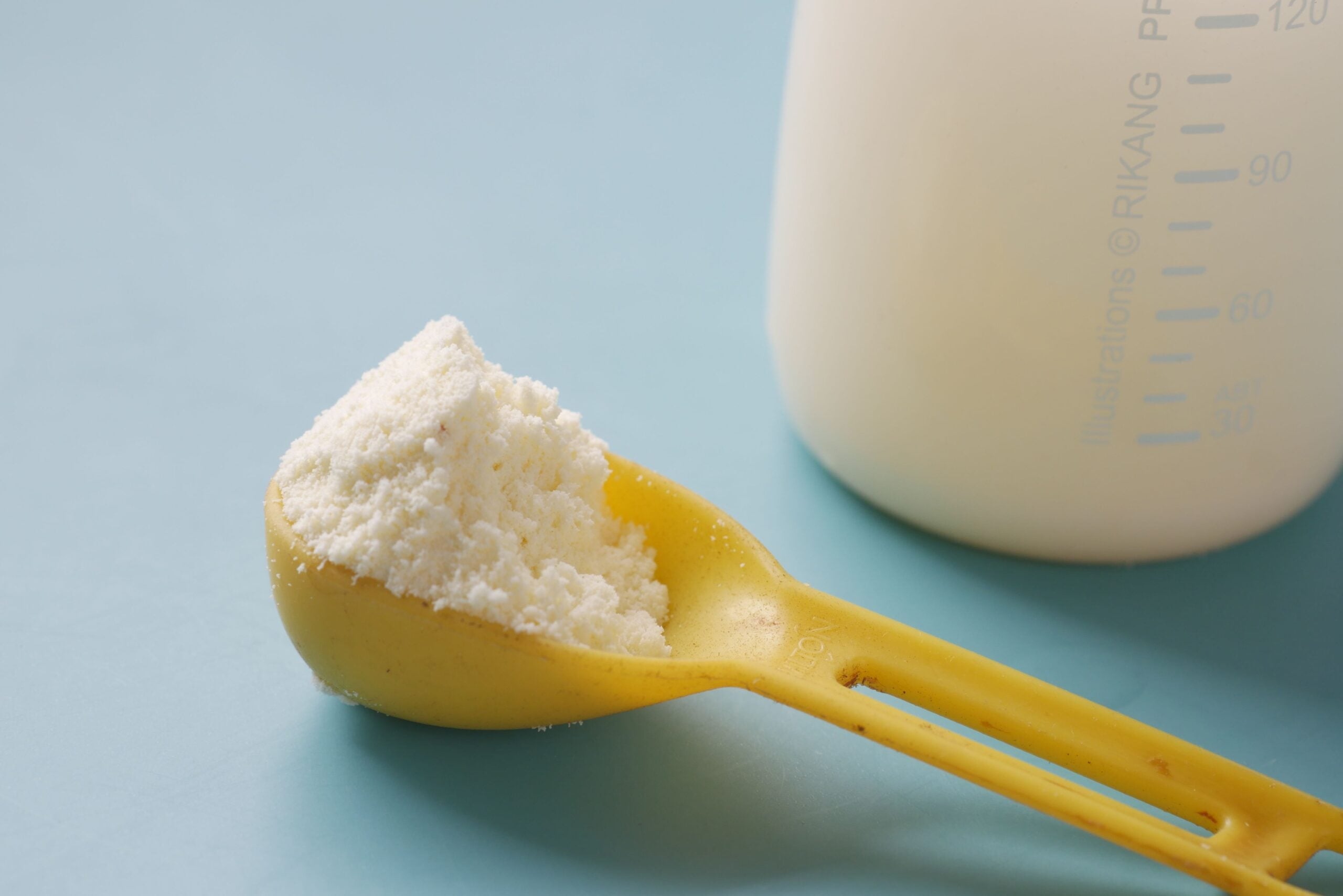
Powdered milk may be one of the least glamorous items in the grocery store, but it solved a problem that modern shoppers still have: running out of milk at the wrong time. In earlier decades, it was a common backup for cooking, baking, and emergency pantry planning.
Its biggest strength is shelf life. A sealed package can sit far longer than a fresh carton, which makes it valuable for households that do not use milk quickly enough to finish it before spoilage.
It is also more versatile than many people think. Powdered milk can go into pancake batter, bread dough, mashed potatoes, and hot cocoa. For people trying to waste less food and keep a practical pantry, it remains one of the smartest low-profile buys in the store.
Applesauce
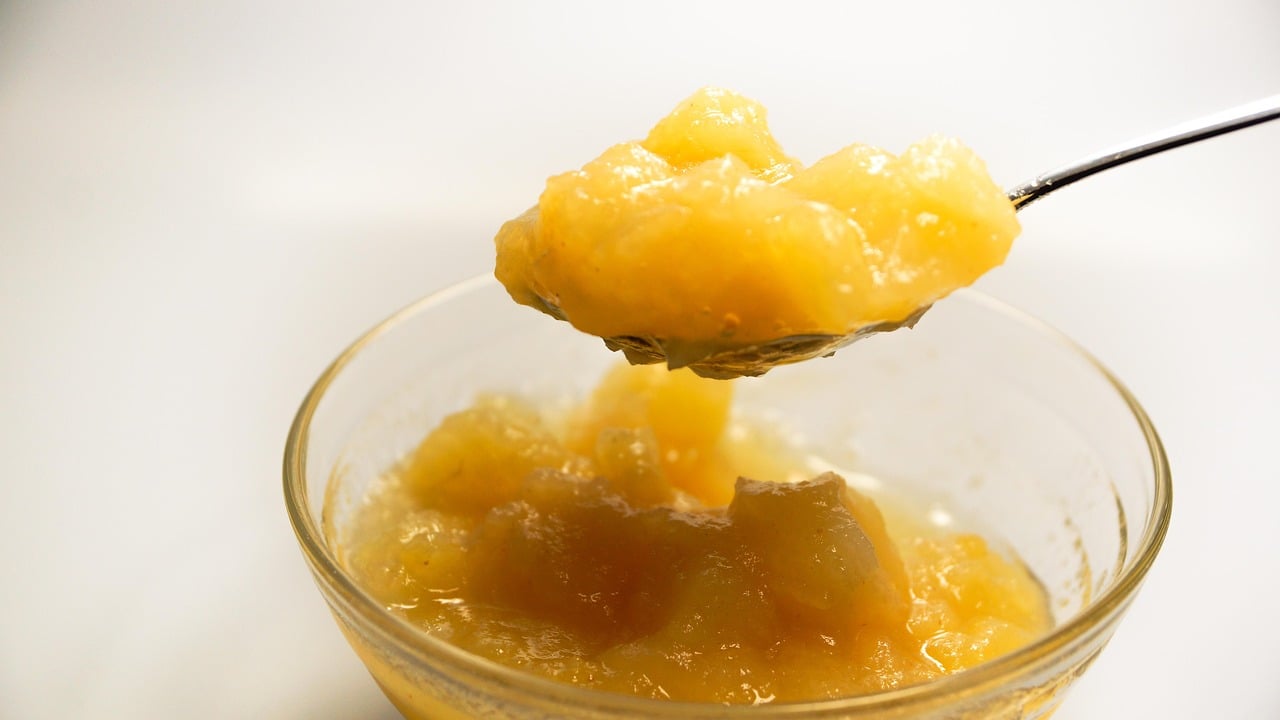
Applesauce used to be a lunchbox regular, but it earned its place because it was more than a kid food. It could be a snack, a side dish, a baking ingredient, or an easy option for anyone wanting fruit without peeling, slicing, or chewing around a bruise.
Its staying power comes from versatility. Unsweetened applesauce can stand in for some oil in certain baked goods, adding moisture while using an ingredient many families already keep on hand.
It also stores well in single-serve cups, jars, and larger containers, depending on how a household eats. That kind of flexibility mattered to earlier generations, and it matters now too. Not every smart grocery purchase has to be exciting. Some just need to be useful over and over again.
Frozen peas
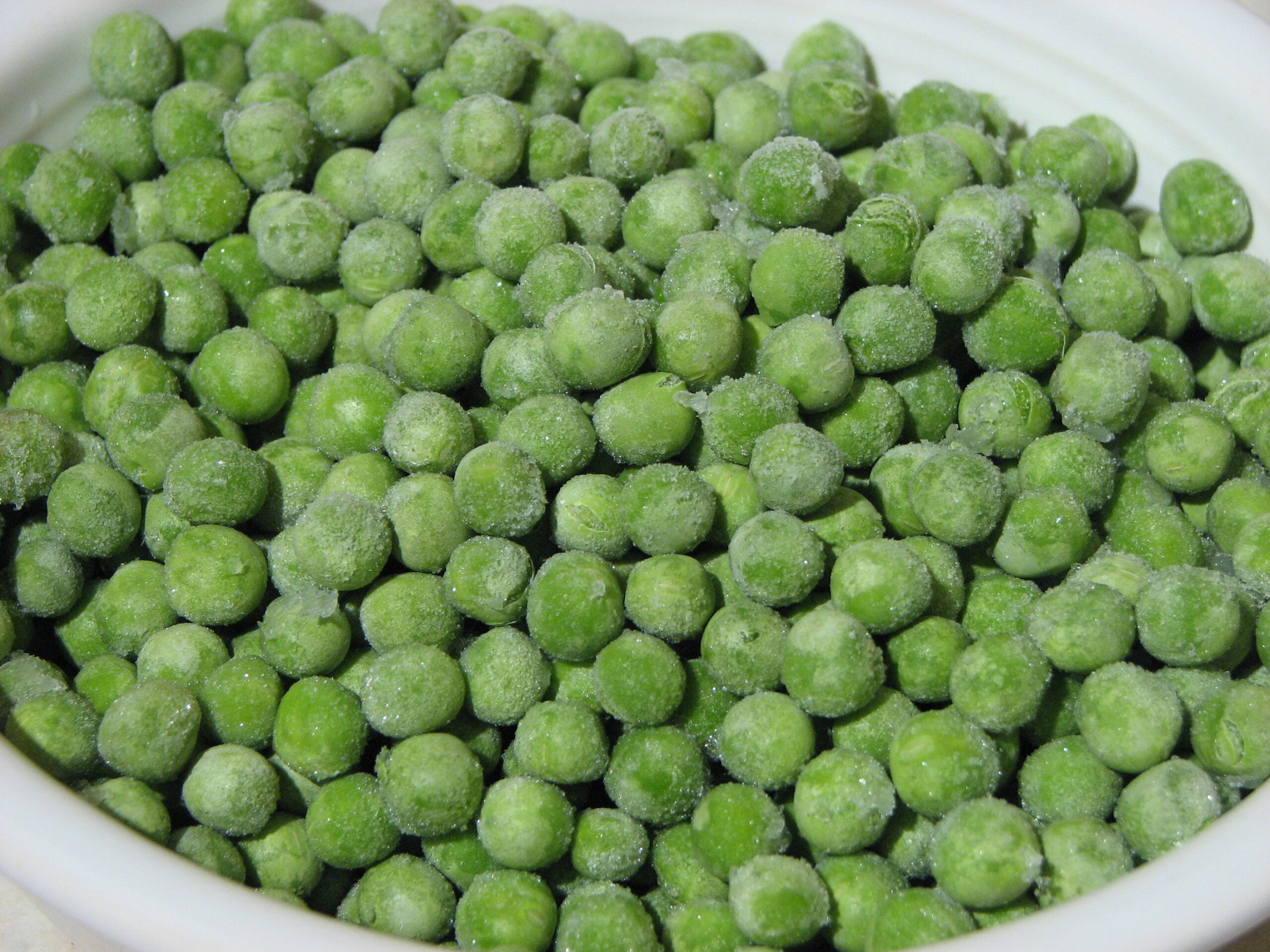
Frozen peas were the kind of freezer staple that made dinner feel manageable. They cook fast, portion easily, and work in everything from pot pies to pasta, which helps explain why they were such a steady purchase in family households.
Freezing also preserves vegetables at a point when they are ready for storage, which is one reason frozen produce can be such a practical alternative when fresh vegetables are expensive or likely to go unused.
Peas in particular have range. They can be folded into rice, added to soup, or simply warmed with butter and salt. Their comeback case is simple: they are inexpensive, convenient, and far less boring than many people remember from overcooked childhood side dishes.
Evaporated milk
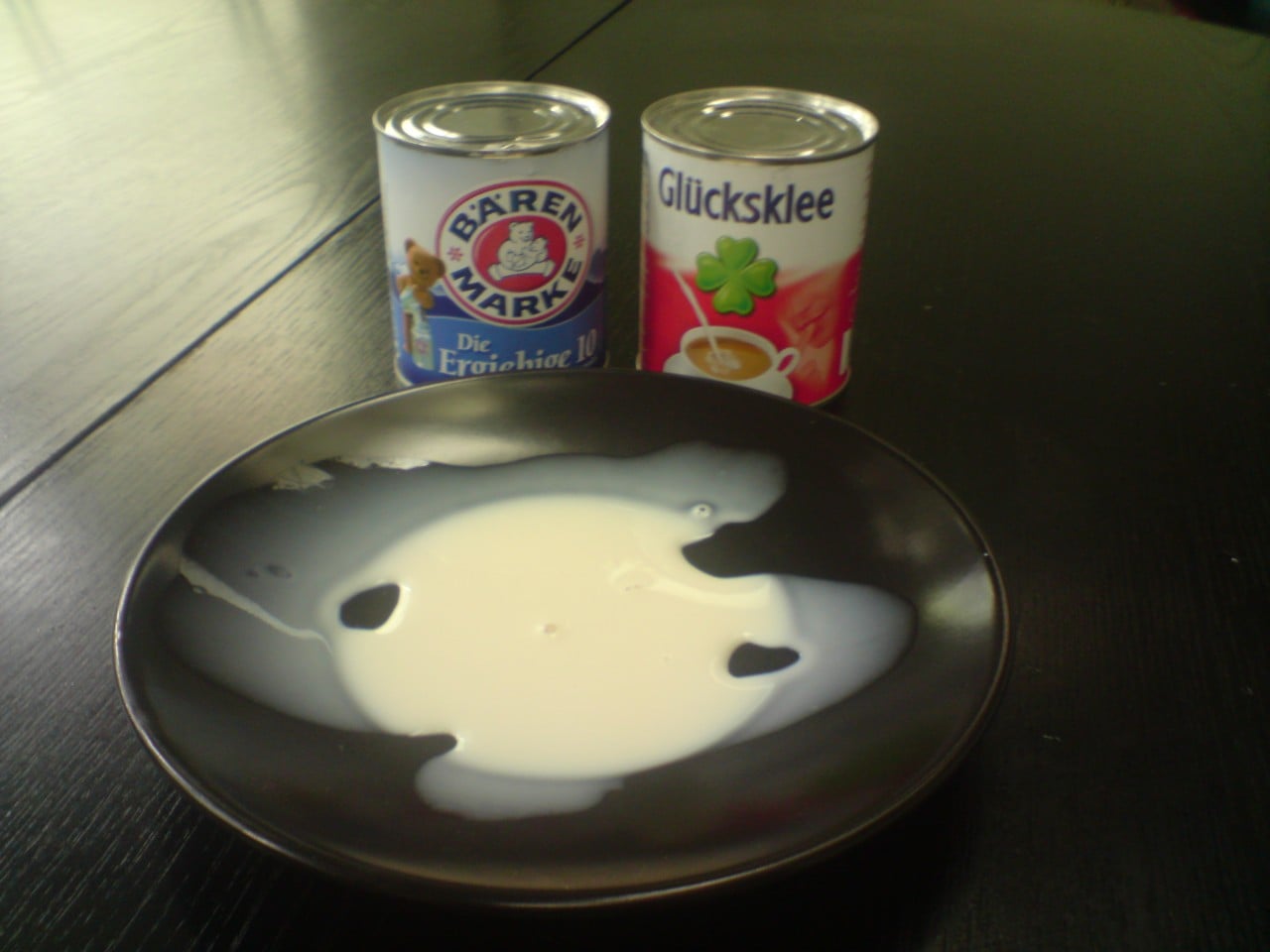
Evaporated milk was once a quiet pantry workhorse, especially for creamy soups, casseroles, pies, and holiday desserts. It offered richness without requiring fresh cream, and it stayed ready in the cupboard until needed.
That shelf-stable convenience still matters. A can can rescue a recipe when the refrigerator comes up short, which is part of why older cooks kept it around as insurance.
It also performs in ways regular milk does not always match. Evaporated milk adds body to sauces and fillings, and it can make familiar comfort foods feel fuller and smoother. It may not be fashionable, but it is one of those classic groceries that earned its staying power the practical way: by being genuinely useful.

Leave a Reply