
A surprising amount of food waste starts in your kitchen, not at the store. The good news is that a few smarter storage habits can keep everyday staples fresher, safer, and far more flavorful.
Tomatoes
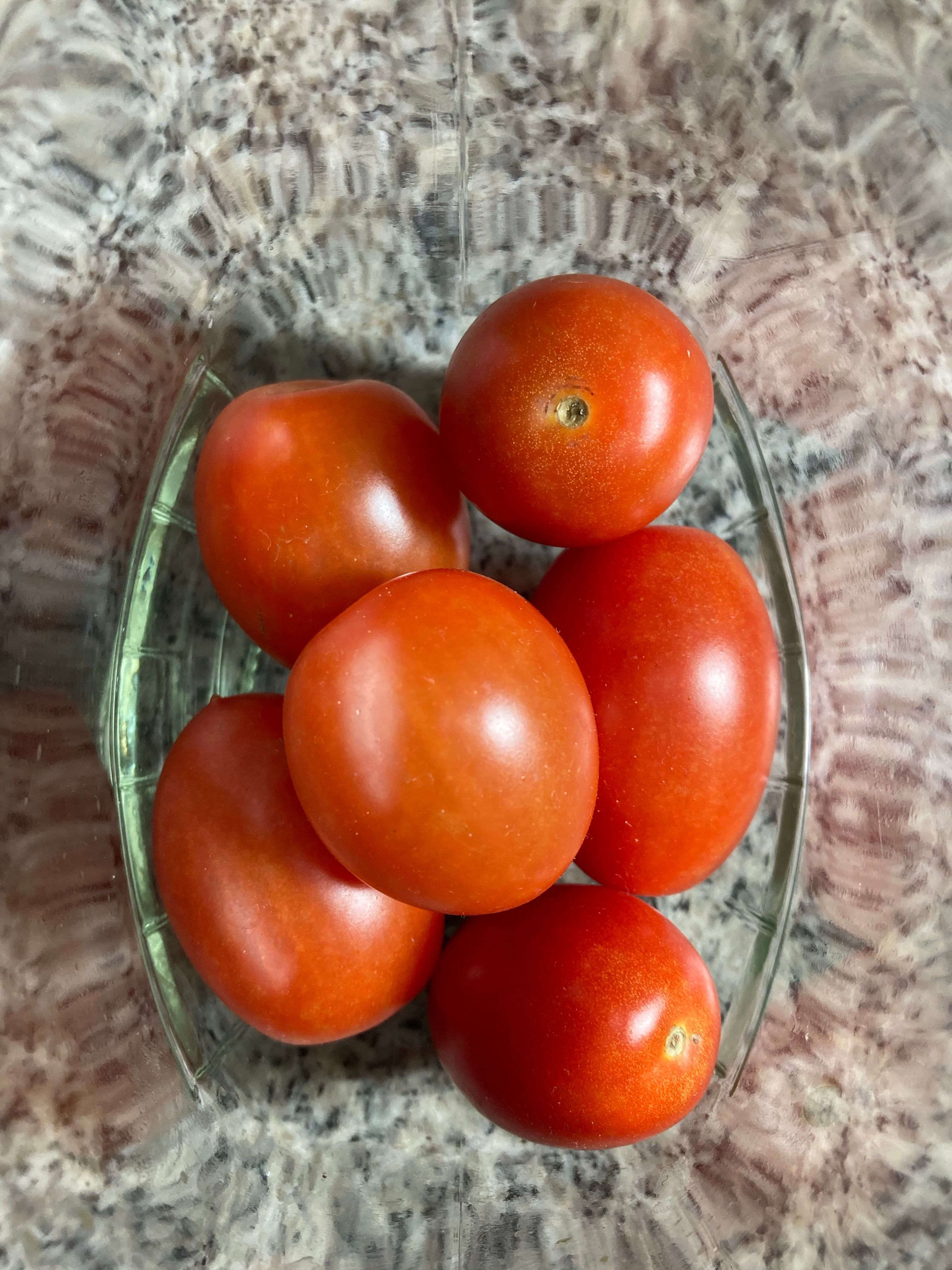
Tomatoes are one of the most commonly mishandled foods in home kitchens. Many people place them straight into the refrigerator, assuming cold air preserves freshness. In reality, refrigeration dulls their flavor and changes their texture. The cold disrupts the ripening process and can make the flesh mealy instead of juicy.
If your tomatoes are still firm and not fully ripe, keep them on the counter at room temperature. A bowl away from direct sunlight works well, and spacing them out helps prevent bruising. According to food scientists, tomatoes continue developing aroma compounds after harvest, but only when stored in a moderate environment.
Once tomatoes become very ripe, refrigeration can slow further breakdown for a short time. Even then, they taste better if brought back to room temperature before eating. For sliced tomatoes, refrigeration is necessary for safety, but whole tomatoes usually belong on the counter, not in the crisper drawer.
Bread
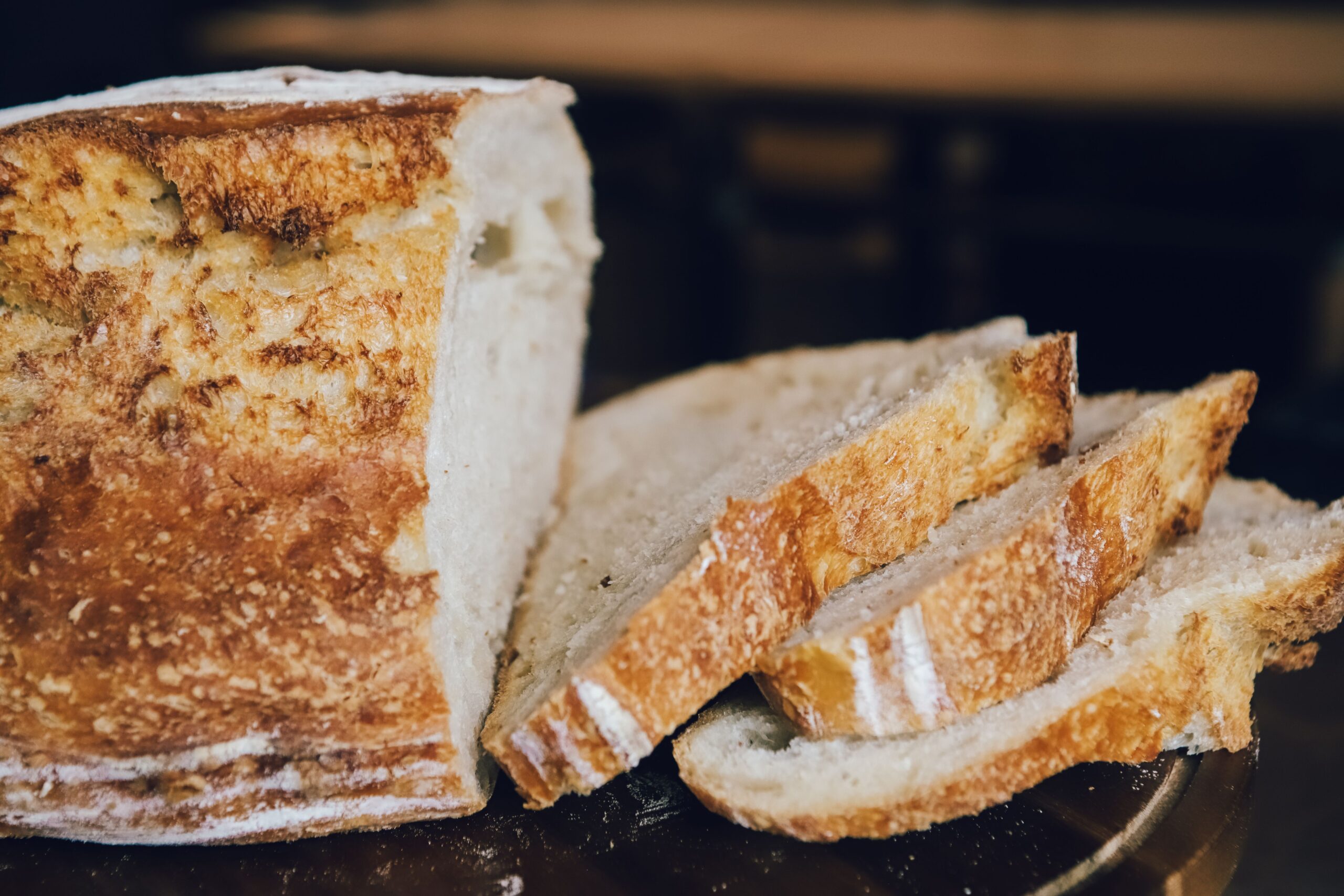
Bread often ends up in the refrigerator because people want it to last longer. It sounds sensible, but chilled storage actually speeds up staling. The starches in bread recrystallize more quickly in the fridge, which is why a loaf can turn dry and tough in just a day or two.
For bread you plan to eat soon, store it at room temperature in a bread box, paper bag, or loosely sealed bag. This helps balance moisture without trapping too much humidity. Artisanal loaves with crisp crusts do especially poorly in the refrigerator because the crust softens while the interior goes stale.
If you will not finish the loaf within a few days, the freezer is a better option. Slice it first so you can remove only what you need. Bakers and test kitchens often recommend freezing over refrigerating because frozen bread, when toasted or thawed properly, keeps a far better texture and flavor.
Potatoes
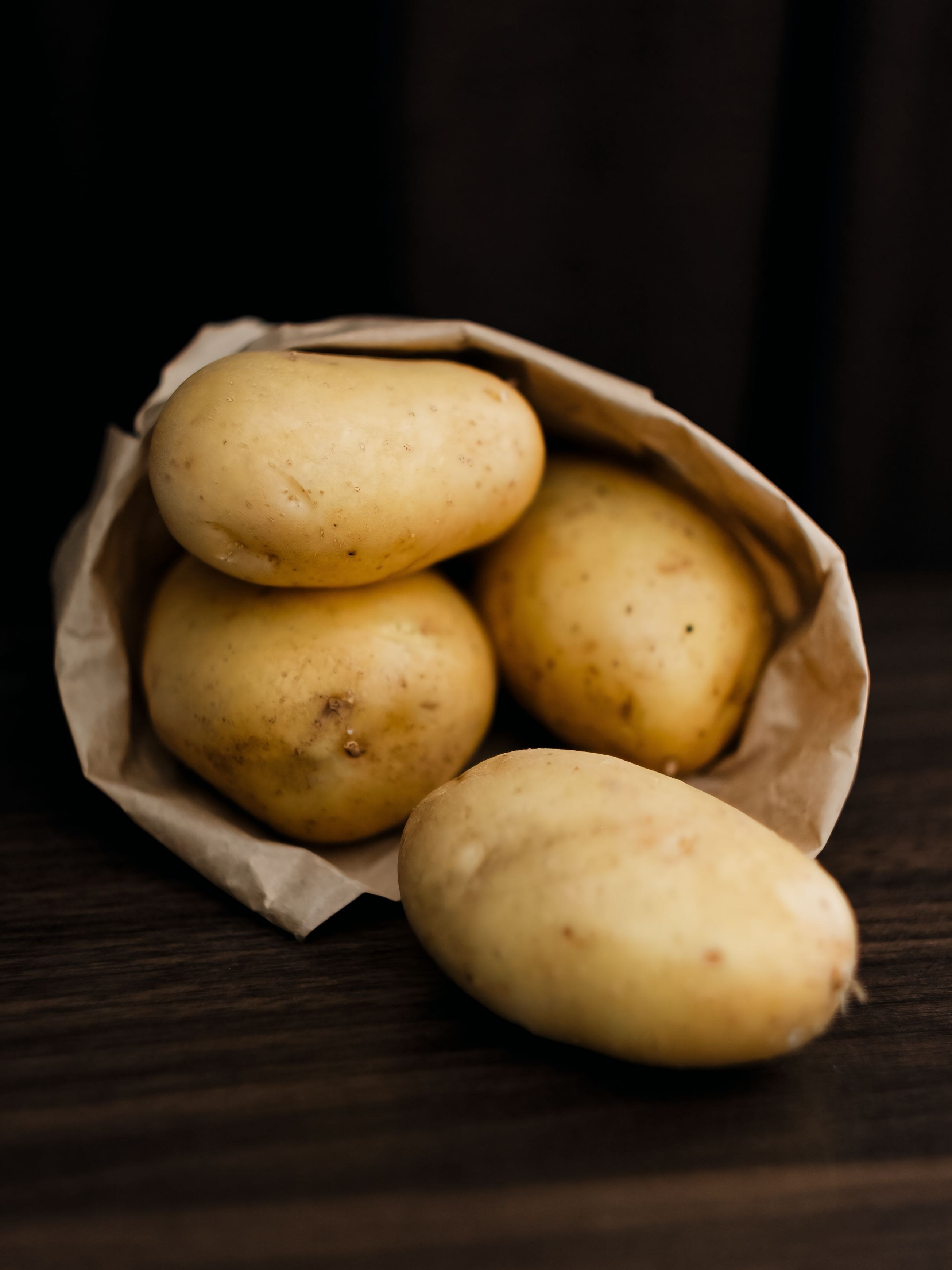
Potatoes seem built for the refrigerator, but that cold space is the wrong environment for them. Low temperatures convert some of the potato's starch into sugar more quickly. That can create an oddly sweet taste and may cause excessive browning during roasting or frying.
The best place for potatoes is a cool, dark, well-ventilated area such as a pantry or cellar-like cabinet. They should not be sealed in plastic without airflow, because trapped moisture encourages rot. A paper bag, basket, or mesh sack usually works better than the crisper drawer.
Another common mistake is storing potatoes next to onions. Both release gases and moisture that can speed spoilage when kept together. Food storage specialists often advise separating them completely. When stored in the right setting, whole potatoes can remain usable for weeks without losing texture or cooking quality.
Onions
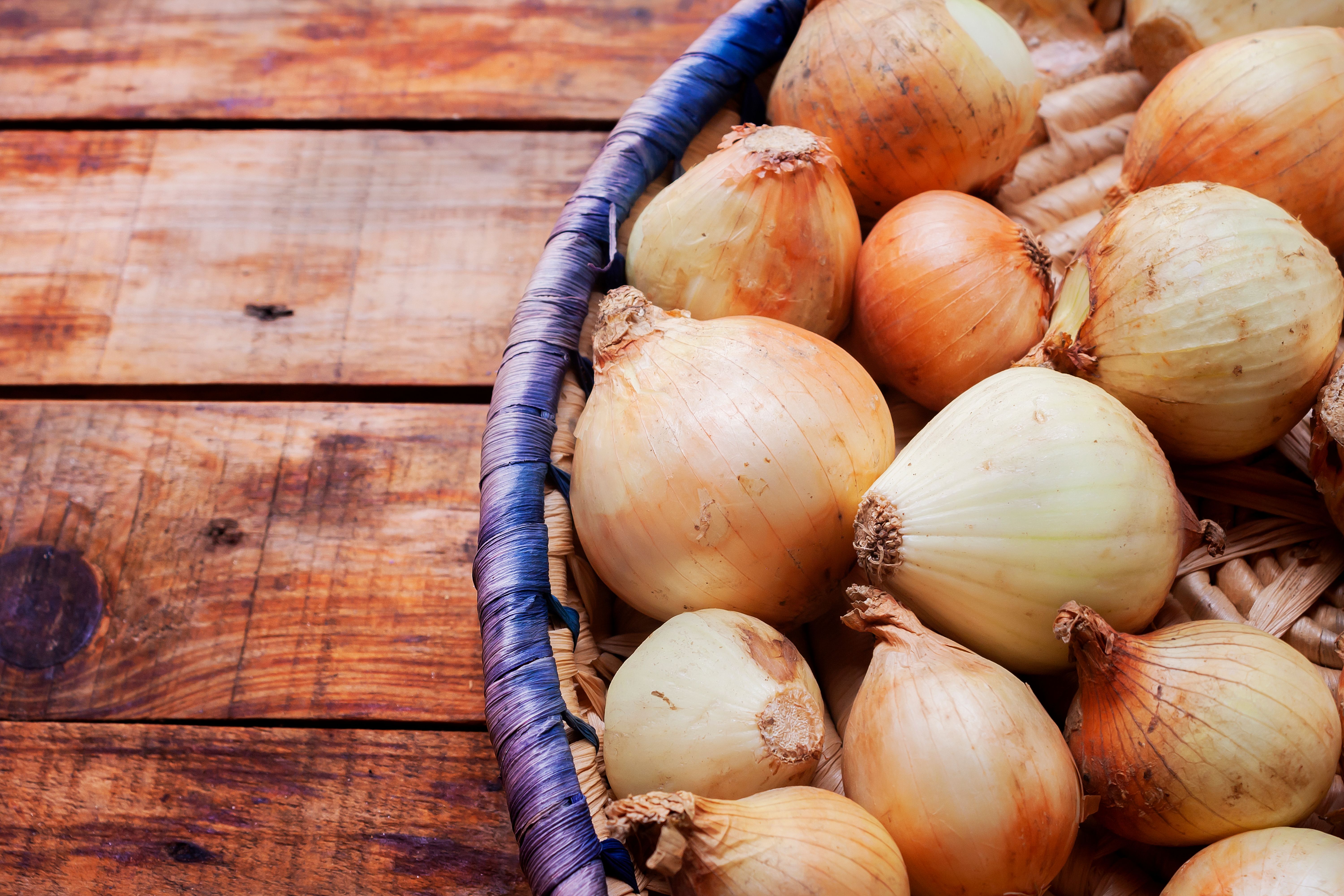
Onions are tougher than they look, but they spoil faster when stored carelessly. Many households tuck them into the refrigerator or pile them beside potatoes. Neither habit is ideal. Whole onions prefer dry air, darkness, and ventilation, which helps them stay firm and resist mold.
A wire basket, open bin, or breathable bag in a cool pantry is a much better choice. Moist, enclosed conditions make onions soften and sprout more quickly. Sweet onions have a shorter shelf life than yellow or red storage onions, so they should be used earlier even when handled correctly.
Cut onions are different and do need refrigeration. Once peeled or chopped, they should be sealed and kept cold to reduce bacterial risk and odor transfer. The key is treating whole and cut onions differently. One belongs in a dry pantry, while the other belongs in the fridge.
Coffee
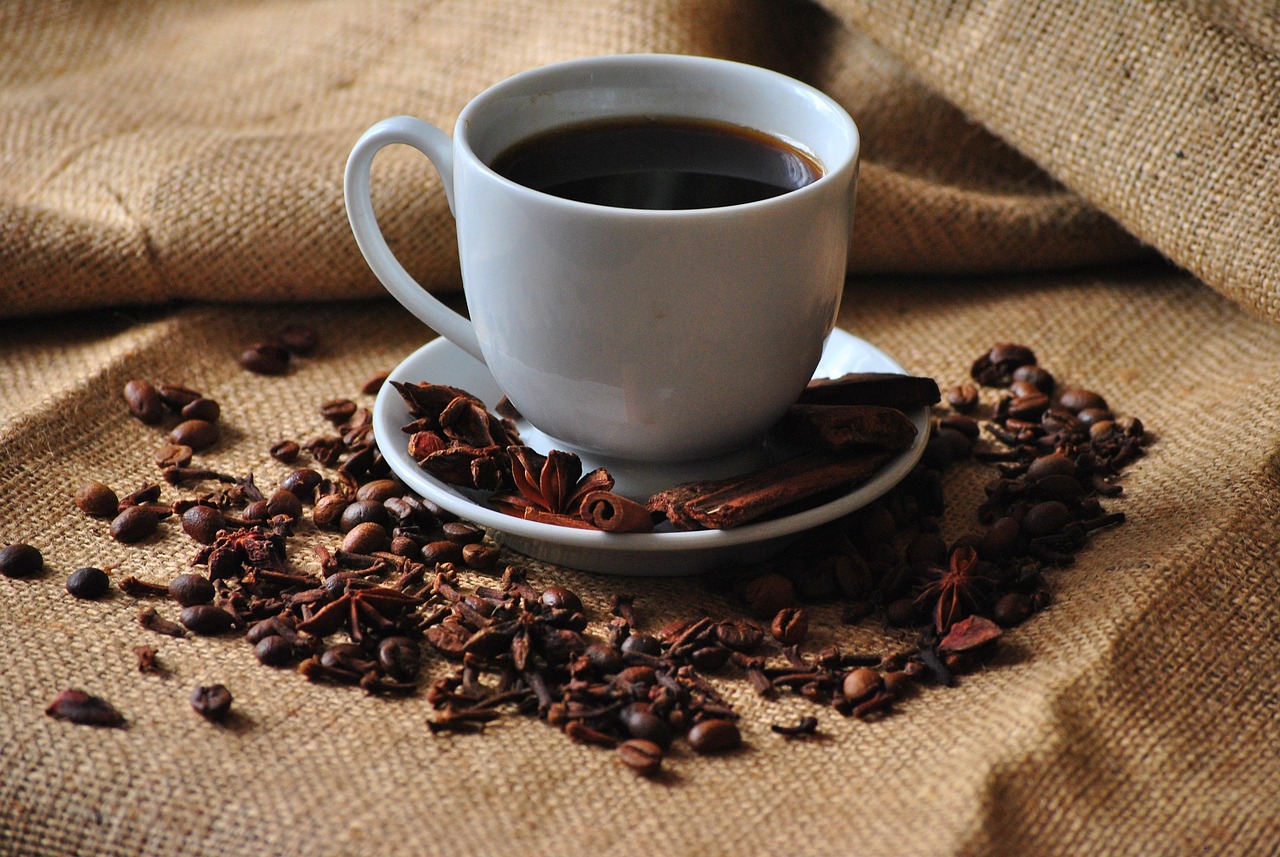
Coffee storage is surrounded by myths, and one of the biggest is that the refrigerator preserves beans. It usually does the opposite. Coffee is porous and absorbs surrounding odors easily, so beans stored near leftovers or produce can pick up unwanted flavors that end up in your cup.
Temperature changes are another problem. Moving coffee in and out of cold storage creates condensation, and moisture accelerates flavor loss. The best setup is an opaque, airtight container kept in a cool, dry cupboard. Light, heat, air, and humidity are the real enemies of freshness, not room temperature itself.
Whole beans generally stay flavorful longer than ground coffee because less surface area is exposed to oxygen. Many roasters recommend buying smaller amounts more often rather than bulk bags that sit for months. If you must store extra coffee long term, freeze it in tightly sealed portions and thaw only once.
Bananas
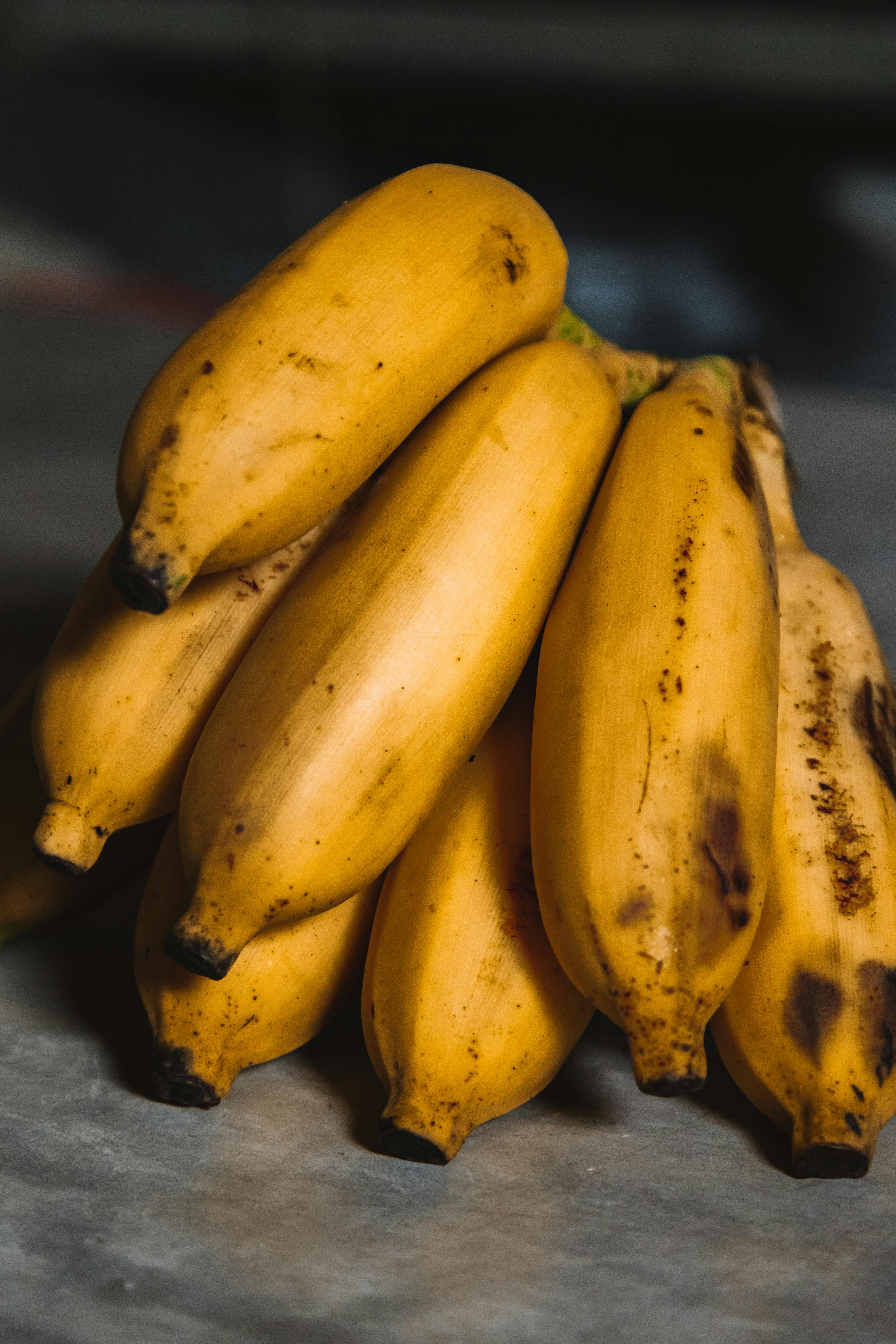
Bananas are famous for ripening quickly, but poor storage often makes the problem worse. Refrigeration can darken the peel and confuse people into thinking the fruit is ruined. In fact, cold temperatures slow ripening of the flesh, but they also blacken the skin and can affect texture if used too early.
For green or yellow bananas, room temperature is best. Keep them on the counter, ideally away from other produce if you do not want everything else to ripen faster. Bananas release ethylene gas, a natural plant hormone that speeds ripening in nearby fruits such as avocados, peaches, and pears.
If bananas become perfectly ripe before you can eat them, then refrigeration becomes useful. The peel may turn very dark, but the inside usually stays fine for a few more days. Many test kitchens suggest wrapping the stems to slightly slow ethylene release, though the effect is modest rather than dramatic.
Garlic
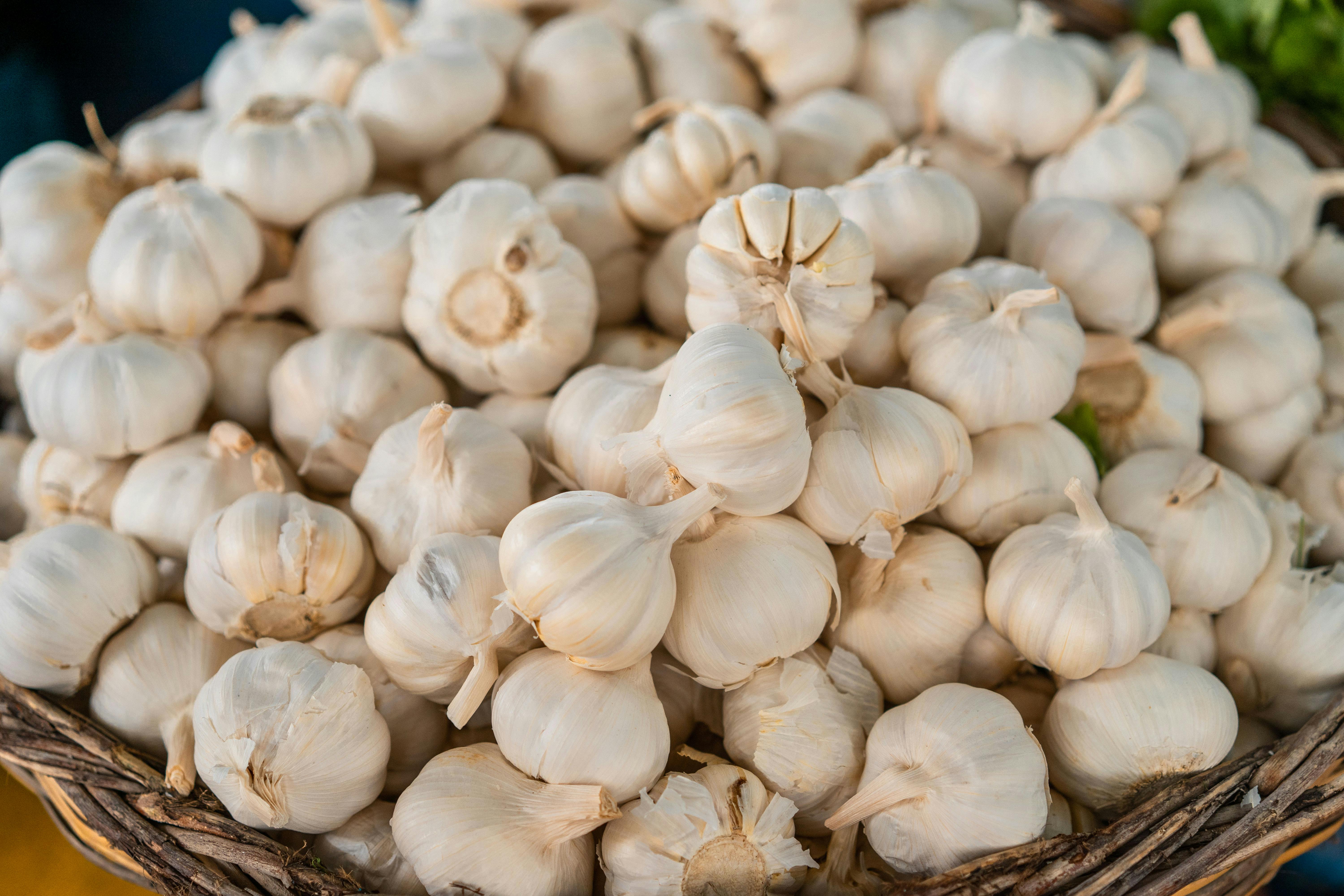
Garlic is easy to overlook because it seems shelf-stable, but it also has clear storage rules. Whole garlic heads last longest in a cool, dry, dark place with strong airflow. A countertop bowl near the stove may be convenient, yet heat and steam can shorten its life and encourage sprouting.
Avoid sealing garlic in plastic or tucking it into the refrigerator unless it has been peeled. Too much moisture leads to mold and soft cloves. A ceramic garlic keeper, mesh bag, or open basket usually works well. Good ventilation matters more than people realize because garlic needs dry surroundings to stay firm.
Once garlic is broken into cloves, quality starts declining faster. Peeled cloves should be refrigerated and used promptly. Garlic preserved in oil requires extra caution because improper storage can create a food safety risk linked to botulism. For everyday cooking, whole bulbs in a dry pantry are still the safest and smartest choice.



Leave a Reply