
What soldiers will actually eat under pressure has shaped food history more than most people realize. Some products failed military tests not because they were bad, but because they were wrong for the battlefield.
Yogurt

Yogurt looked promising on paper because it offered protein, calcium, and beneficial cultures in a compact serving. Military food evaluators have long favored items that support nutrition without requiring much preparation, so cultured dairy naturally drew interest.
The problem was durability. Traditional yogurt spoiled quickly, needed reliable refrigeration, and could separate or leak during transport. In field conditions marked by heat, vibration, and long storage cycles, that made it a logistical headache rather than a dependable ration.
There was also the issue of taste acceptance. Plain yogurt, especially older unsweetened styles, did not match the flavor expectations of many American troops in earlier decades. A food can be nutritious, but if soldiers leave it untouched, its value drops fast.
Civilian markets solved those problems differently. Better cold chains, flavored varieties, Greek yogurt, and single-serve sealed cups turned yogurt into a mainstream staple. What the military once saw as fragile and risky became, in supermarkets, one of the most successful refrigerated foods of the modern era.
Pizza

Pizza seems like an obvious morale booster now, but it was historically a poor fit for combat feeding systems. Fresh pizza loses quality quickly, turns soggy, and depends on ovens, cheese stability, and careful handling that older military supply systems struggled to provide.
For ration developers, grease migration and shelf life were major barriers. Tomato sauce acidity, dough texture, and cheese spoilage created a difficult engineering puzzle. A food beloved in barracks or on base could still fail when judged against months-long storage demands.
There was also a structural issue. Pizza is easy to enjoy at a table, but much harder to eat while moving, wearing gear, or working in dirty conditions. Crumbs, mess, and awkward packaging all counted against it in formal ration planning.
Yet consumer demand never faded. Frozen food technology, delivery culture, and later advances in military food science eventually made shelf-stable pizza components more realistic. By then, pizza had already become one of America's defining comfort foods, proving that popularity and deployability are not the same thing.
Avocados
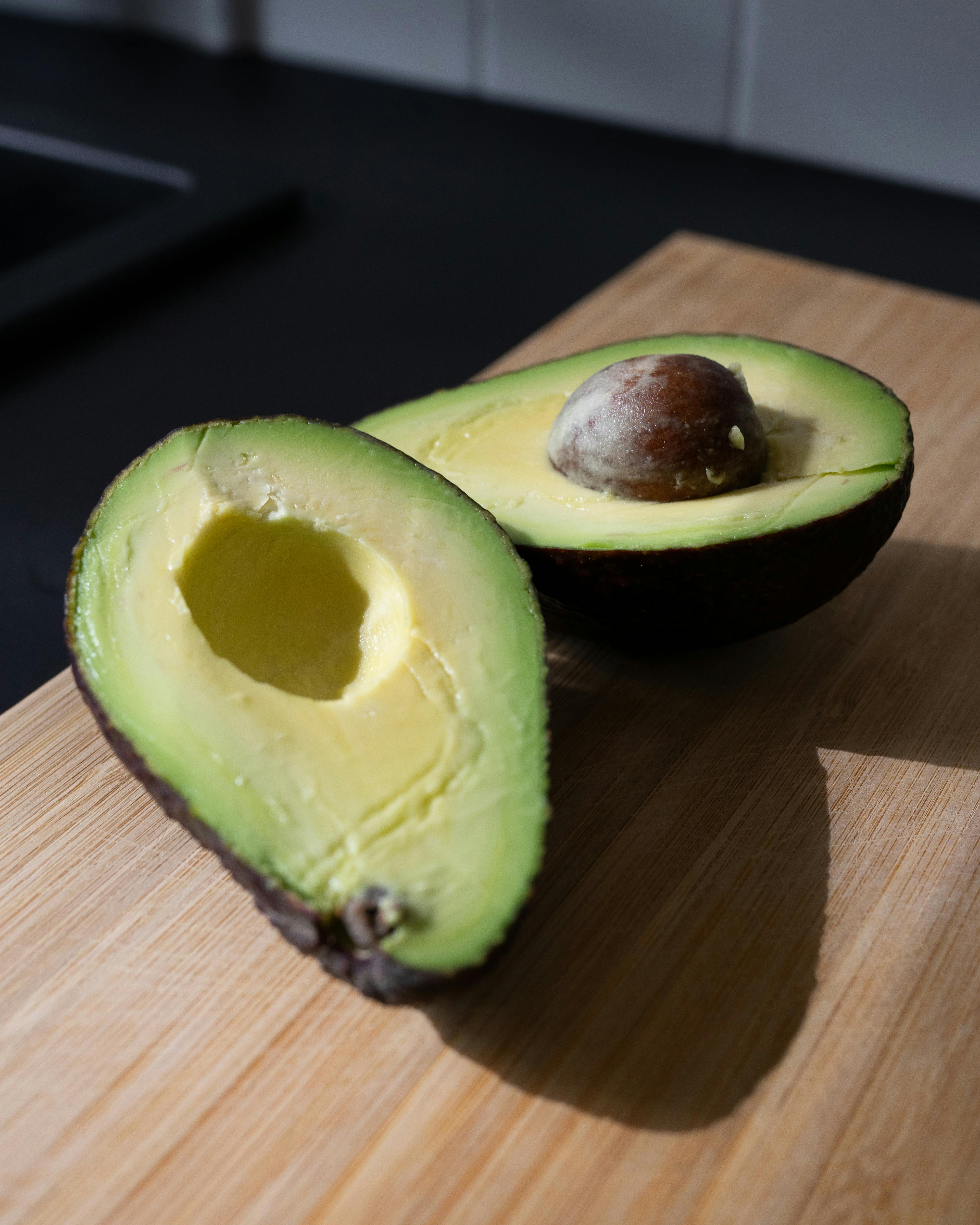
Avocados are now celebrated for healthy fats, fiber, and versatility, but for military buyers they once raised immediate red flags. The fruit bruises easily, ripens unpredictably, and has a very narrow window between too hard and overripe.
That inconsistency matters in bulk procurement. Supplying thousands of troops requires standardization, and avocados resist it better than many fruits. Their skins protect them somewhat, yet rough transport can still ruin appearance and texture before they ever reach a mess line.
There was also the issue of familiarity. For much of the 20th century, avocados were far less common in many American regions than they are today. A military menu item that seems strange or niche often struggles to win support, no matter how nutritious it may be.
Outside the military, consumer tastes changed dramatically. The rise of California produce distribution, Mexican imports, guacamole culture, and health-focused eating turned avocados into an everyday purchase. What once looked like a supply-chain gamble became one of the most in-demand items in the produce aisle.
Sushi
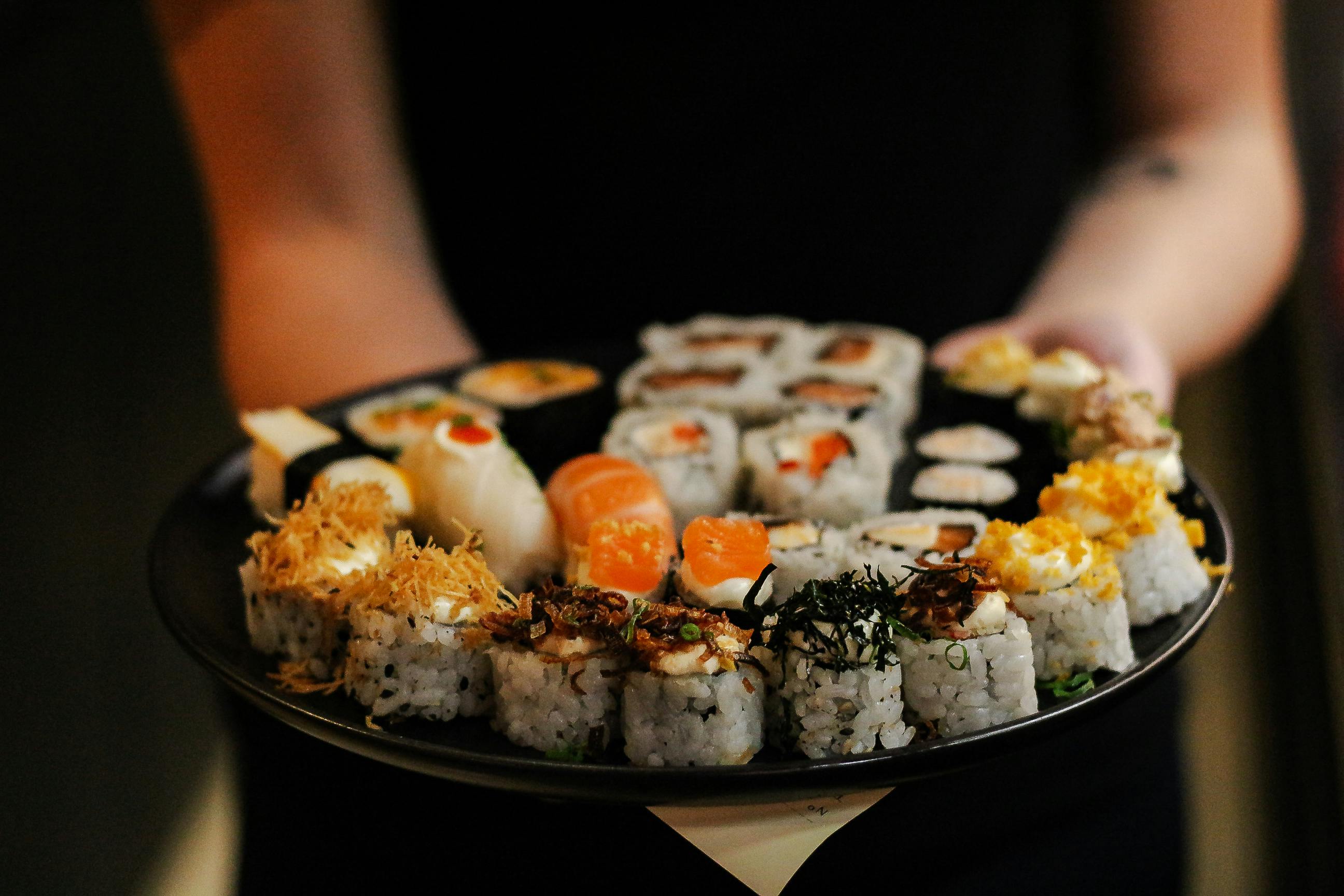
Sushi may be globally admired today, but it would have been a nightmare for older military feeding systems. Raw fish carries strict food safety requirements, vinegared rice can change texture quickly, and presentation suffers fast once handling becomes rough.
Even cooked or preserved versions faced resistance. Seaweed texture, cold serving temperatures, and unfamiliar flavor profiles did not align with what many military decision-makers considered broadly acceptable to mass American troop populations in earlier periods.
Shelf life was the decisive factor. Military rations are built around predictability, and sushi is at its best when extremely fresh and carefully assembled. That is almost the opposite of the long-duration, high-abuse environments ration designers prepare for.
Meanwhile, civilian dining moved in the other direction. Expanding Japanese cuisine, supermarket sushi counters, and greater public comfort with raw fish transformed sushi into a normal lunch option in many cities. It succeeded because restaurants and retailers could provide the freshness the battlefield usually could not.
Granola
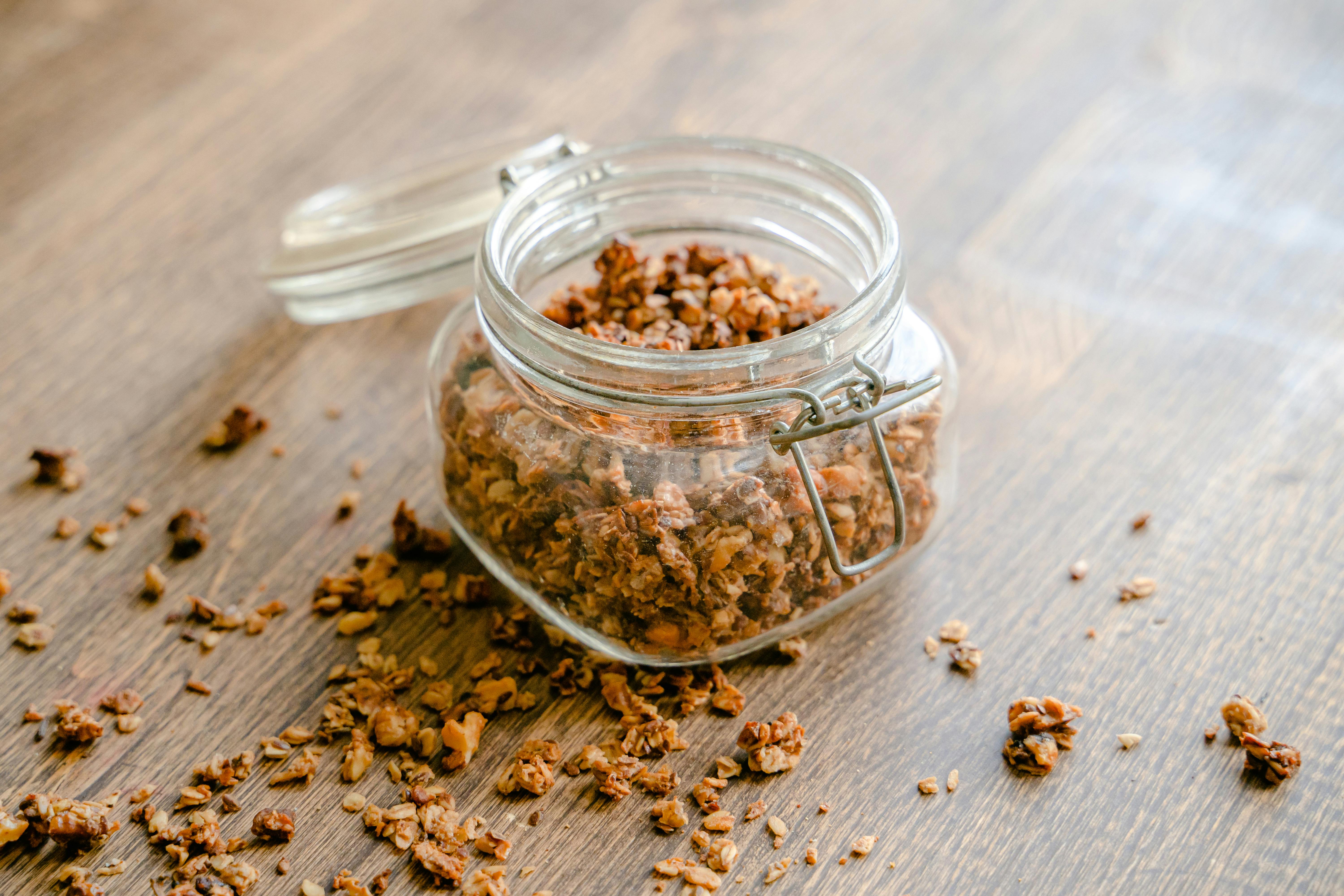
Granola sounds like a ration success story, but early military evaluators had reasons to hesitate. It was often crumbly, uneven in density, and not always ideal for rapid consumption under active field conditions where neatness and consistency matter.
Nutrition profiles also varied widely. Homemade and early commercial granolas could be heavy on oats and sweeteners while being less standardized in vitamins, protein, and calorie delivery than military planners preferred. Predictable formulation is crucial when food doubles as fuel.
Texture created another challenge. Very hard clusters could be unpleasant without milk or yogurt, while loose mixes broke apart in packaging. For soldiers carrying food in packs, that often meant a bag of crumbs rather than a satisfying, intact serving.
In civilian life, none of those issues proved fatal. Granola benefited from the health-food movement, breakfast cereal marketing, and the later explosion of snack bars. Consumers embraced it for convenience and image, even though the military had valid concerns about waste, consistency, and field practicality.
Tofu
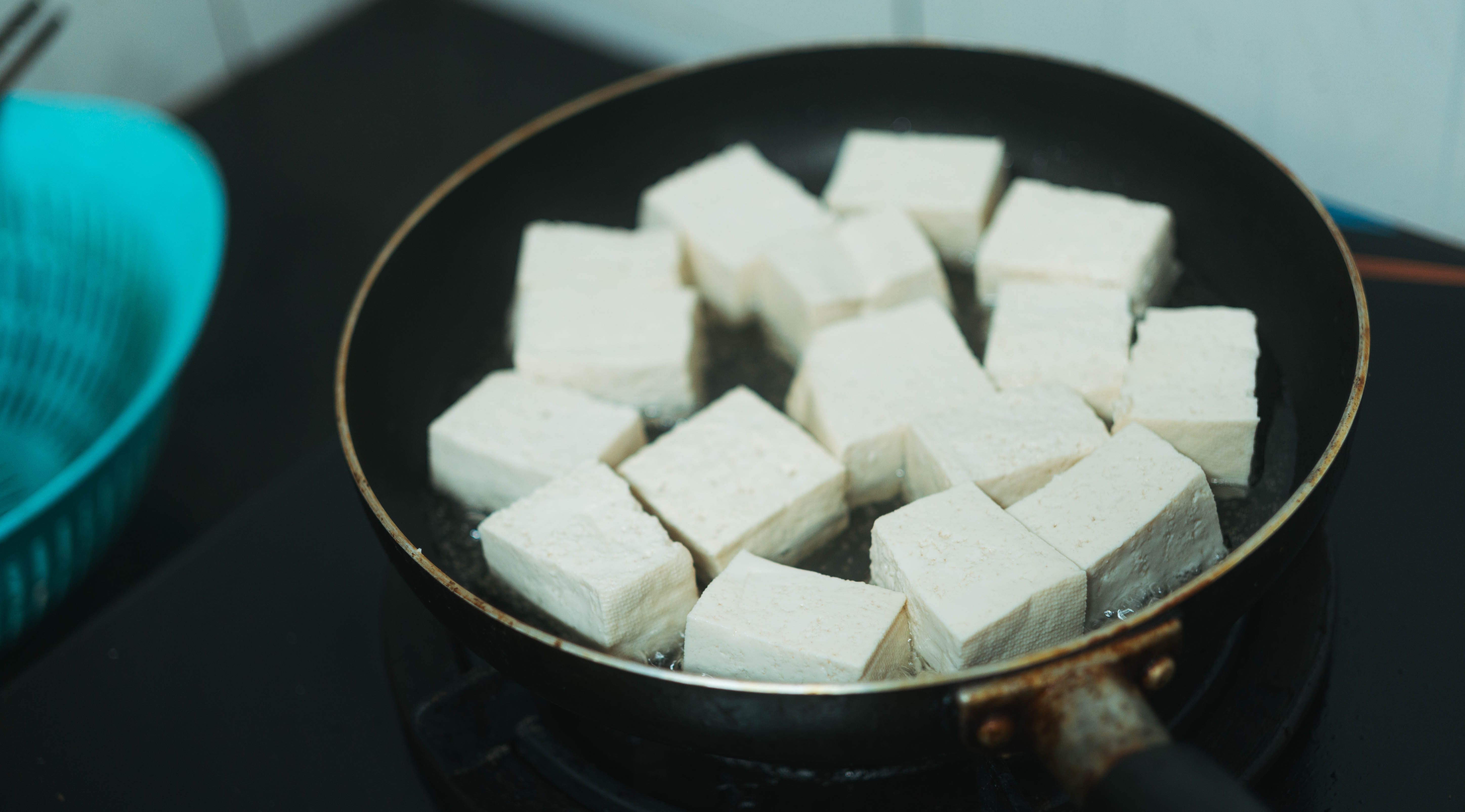
Tofu has impressive nutritional strengths, including protein and versatility, but those benefits did not automatically translate into military acceptance. Historically, many American troops had limited familiarity with soy-based foods, which made tofu a risky choice for broad menu adoption.
Its texture was a major sticking point. Soft tofu can break apart easily, release water, and feel bland without assertive seasoning. In institutional feeding, where meals must please large groups quickly, that combination can lead to poor acceptance rates.
Storage and preparation also mattered. Fresh tofu requires careful handling, and while shelf-stable forms exist, they were not always central to older ration systems or military culinary traditions. Food service planners generally avoid products that need too much explanation before they are welcomed.
Public tastes changed as vegetarian, vegan, and Asian-inspired cooking entered the mainstream. Tofu then gained status as a flexible ingredient rather than an odd substitute. The same food once viewed as too unfamiliar for troop feeding is now common in supermarkets, meal kits, and restaurant chains.
Hummus
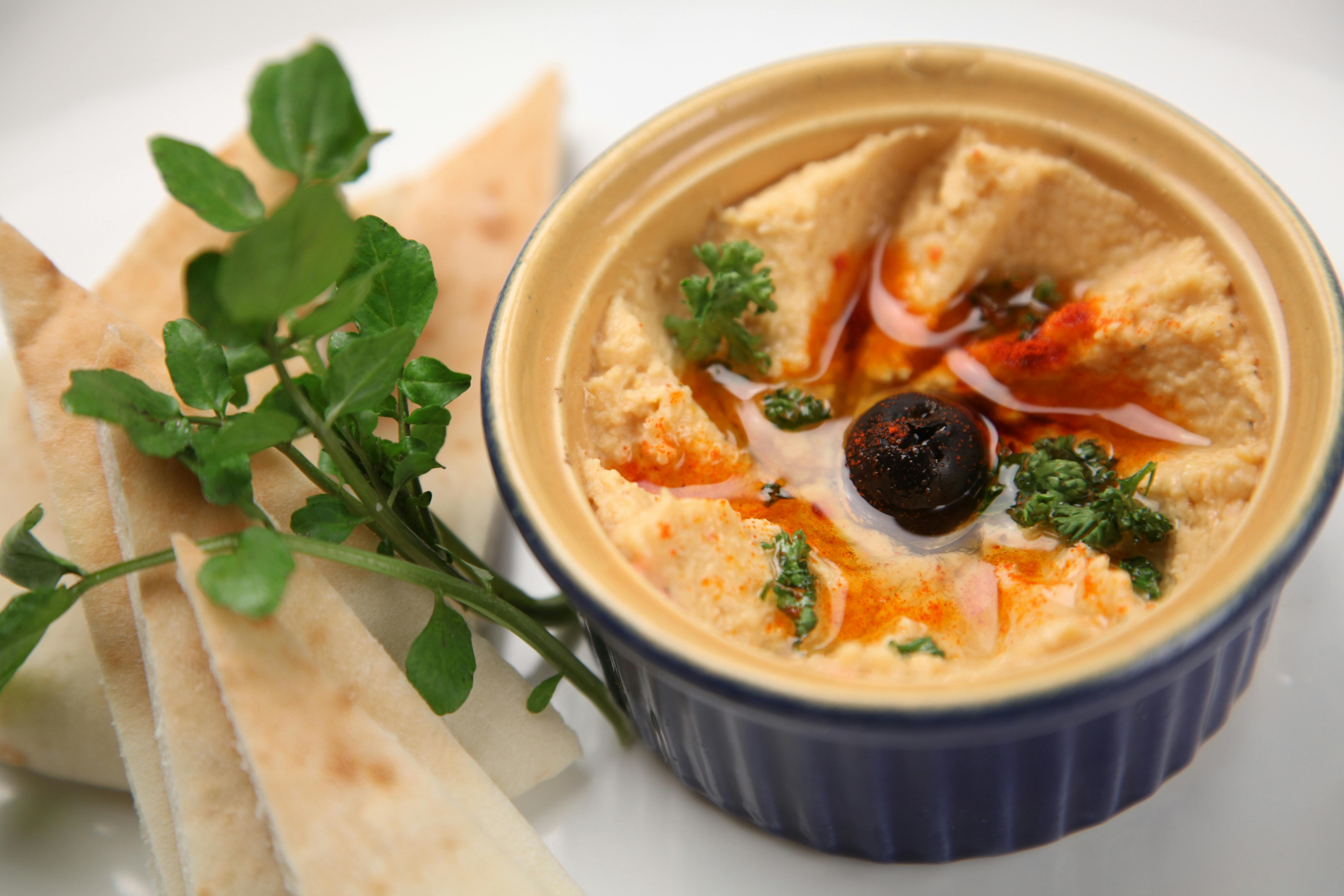
Hummus seems almost tailor-made for modern snacking, yet earlier military planners would have seen several drawbacks. Traditional hummus depends on chickpeas, tahini, oil, and moisture balance, creating a spread that can be sensitive in heat and less convenient without sturdy companion foods.
It also suffered from limited mainstream recognition in the United States for many years. A dip rooted in Middle Eastern foodways might not have seemed like a smart mass-acceptance choice when military systems often prioritized the broadest possible familiarity.
Packaging was another obstacle. Spreads can smear, burst, or require utensils, and they are less useful if soldiers lack fresh bread, crackers, or vegetables. In ration design, every added dependency reduces operational value.
Once refrigerated dips became a booming grocery category, hummus found its moment. Improved processing, sealed tubs, and a public appetite for healthier snacks pushed it into the center of the market. The military's earlier doubts reflected field realities, not a failure to recognize a food that would later thrive at home.



Leave a Reply