
They work quietly, quickly, and with remarkable accuracy. Canada's official food inspection dogs are one of the country's most effective frontline tools for protecting farms, food systems, and ecosystems.
They are trained to detect food, not drugs or explosives
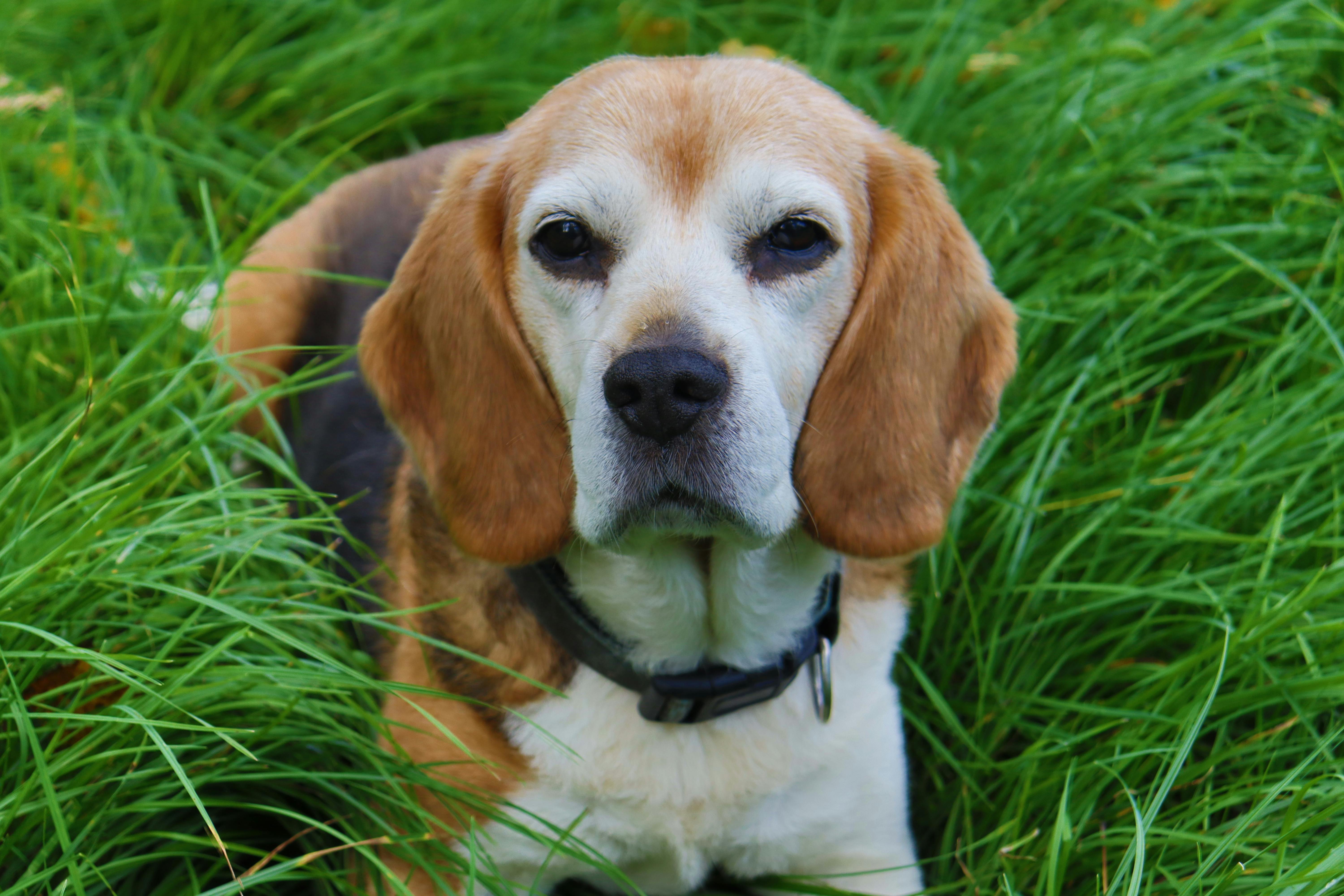
What makes these dogs unusual is their mission. They are trained to find undeclared meat, fruit, vegetables, seeds, and other agricultural products that travelers bring into Canada, often without realizing the risk.
The program supports the Canadian Food Inspection Agency, with detector dogs commonly working at major airports alongside border officers. Their target is food that could carry animal disease, plant pests, or invasive organisms.
That distinction matters. A sandwich, sausage, mango, or homemade dumpling may seem harmless, but each item can carry pathogens or insects capable of damaging crops, livestock, and trade.
Their noses help stop serious agricultural threats at the border
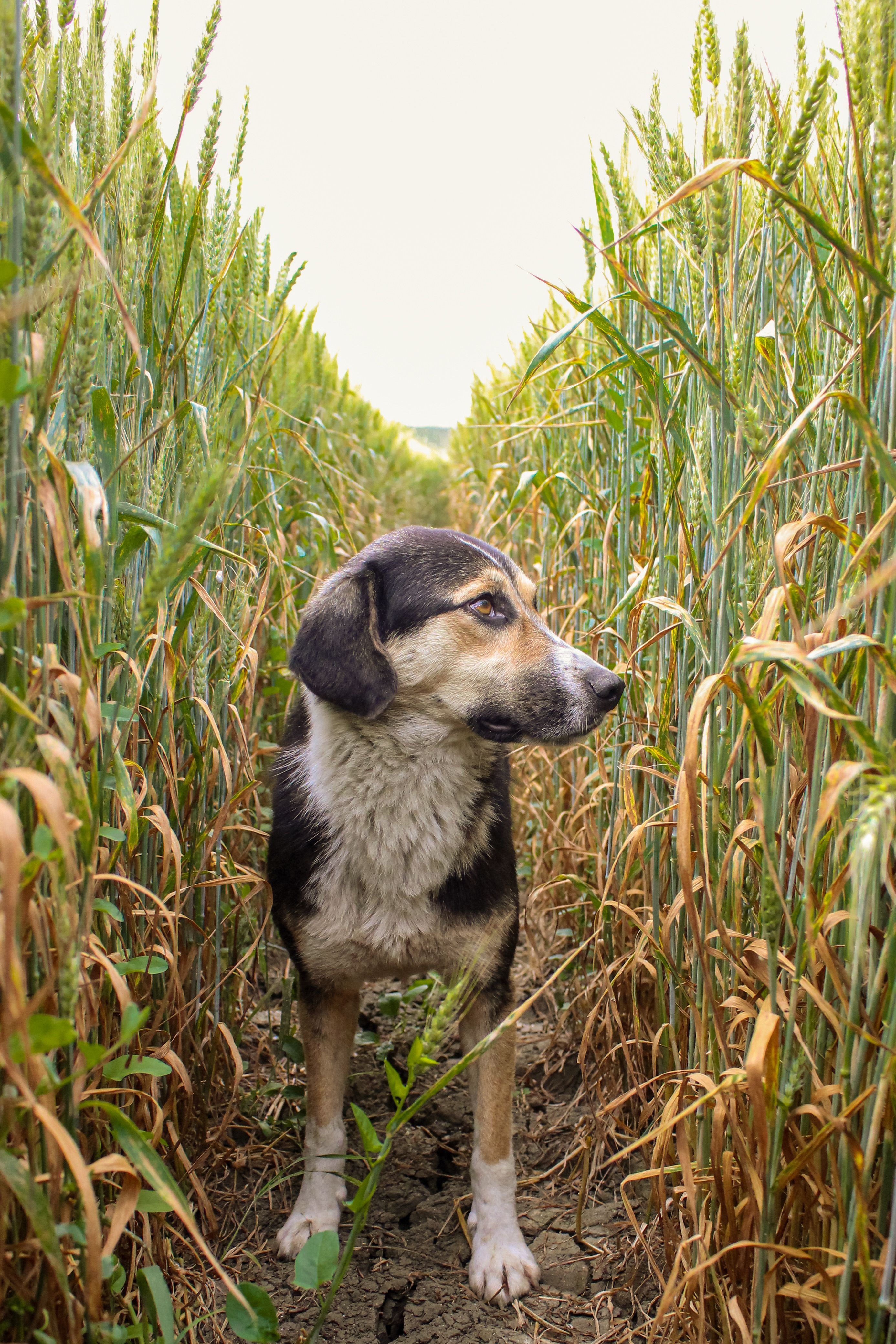
A dog's sense of smell is the reason the program works so well. Canines can detect tiny scent traces that humans would miss, even in busy baggage halls packed with competing odors.
According to federal descriptions of the program, detector dogs screen international passenger luggage for products linked to risks such as African swine fever, foot-and-mouth disease, and destructive plant pests. Those threats can travel in food.
Canada's agriculture sector has enormous economic importance, so prevention is far cheaper than outbreak response. One contaminated product entering the country can create consequences far beyond a single airport seizure.
Most of the dogs are selected for temperament, drive, and focus

These working dogs are not chosen simply because they have a strong nose. Handlers and trainers look for animals with high motivation, confidence in crowded settings, and a willingness to search repeatedly for rewards.
Beagles are widely associated with agricultural detector work because of their compact size, friendly appearance, and excellent scenting ability. A calm, approachable dog is especially useful in terminals where thousands of travelers move through confined spaces.
The job also demands emotional steadiness. Dogs must ignore noise, food court smells, rolling luggage, and excited passengers while staying focused on one task, often for hours in short, controlled work periods.
Their training relies on reward-based detection work
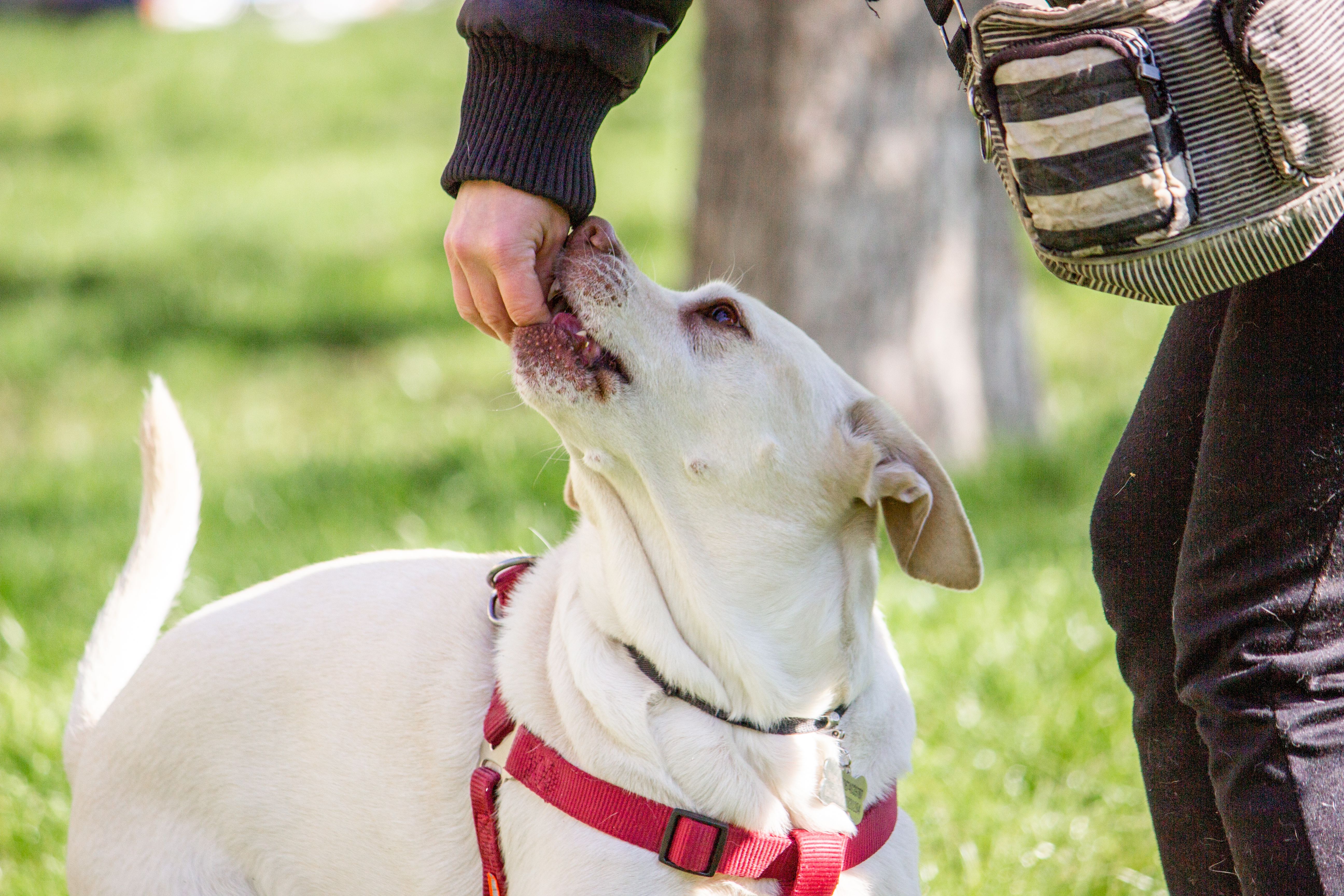
The method is simple, but highly refined. Dogs are taught to associate the scent of target food items with a reward, often a favorite toy, creating a strong and reliable search response.
Training exposes them to many product types, packaging styles, and travel conditions. They may learn to detect fresh produce, cured meats, baked goods, and mixed foods concealed in backpacks, suitcases, or cargo-linked environments.
Handlers also train for clear passive alerts, such as sitting near a bag instead of scratching it. That makes the process safer, more precise, and easier for officers to inspect without damaging belongings.
They are often deployed at major international airports
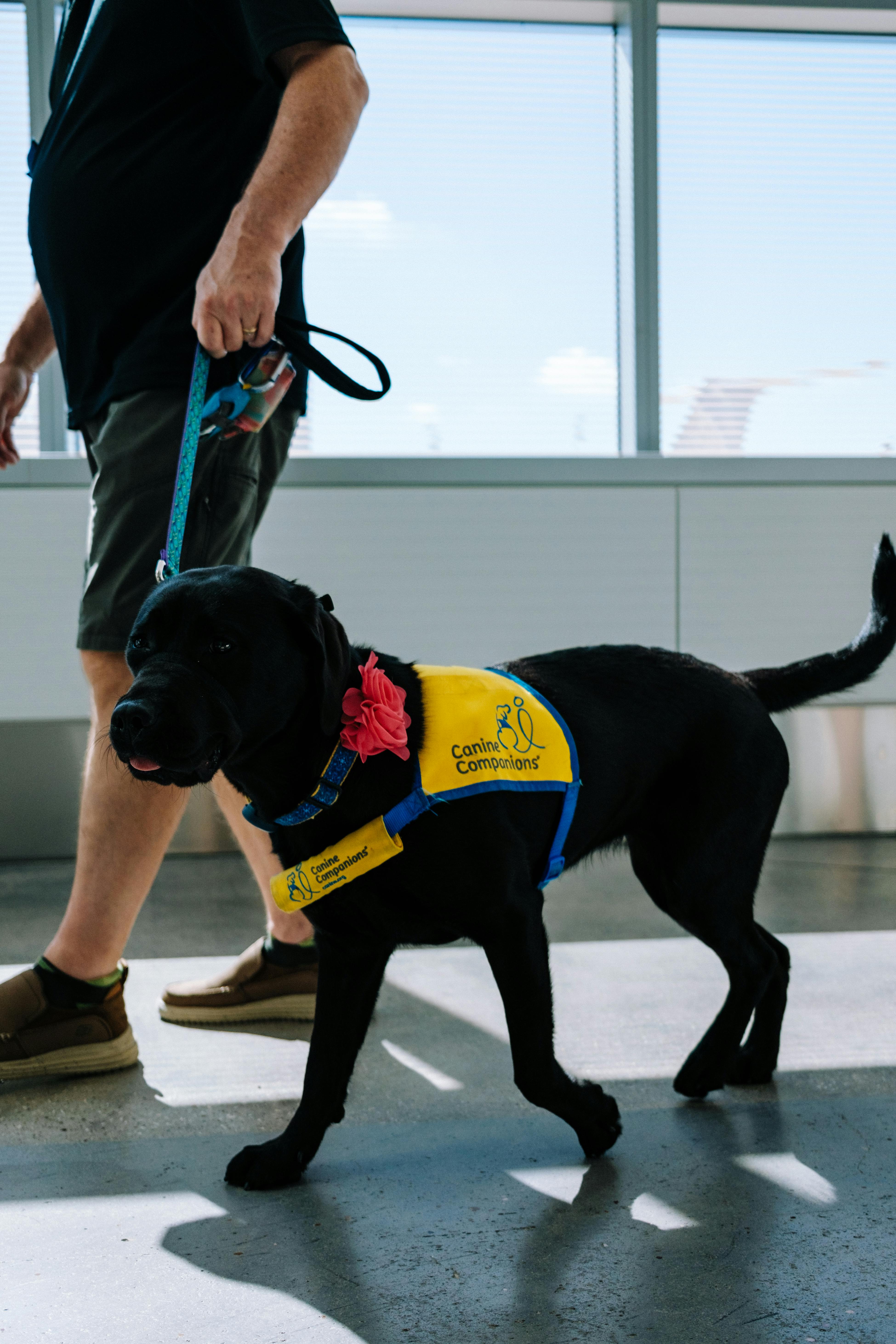
Airports are where the public most often encounters these dogs. International arrivals from different regions create a constant flow of personal food items, gifts, leftovers, and specialty ingredients packed into luggage.
Busy hubs such as Toronto, Vancouver, Montréal, Calgary, and other major entry points are strategically important because volume increases risk. Detector dog teams allow officers to screen more efficiently than random manual inspection alone.
The dogs do not replace human judgment. Instead, they help border and inspection staff prioritize bags and passengers for closer examination, which saves time while improving detection rates in high-traffic settings.
Their work protects both the food supply and the environment

The benefit goes well beyond customs enforcement. When detector dogs intercept risky agricultural goods, they help protect Canadian farmers, livestock producers, orchards, forests, gardens, and native species from imported threats.
An infected pork product could contribute to disease exposure for swine. Fruit or plant material could carry larvae, fungal spores, or seeds from invasive plants. Even small amounts of undeclared food can create outsized ecological problems.
That is why these dogs matter to everyday Canadians. Their work supports food security, biodiversity, export stability, and the broader public interest, even if most interceptions happen out of sight.
They also play an important public education role
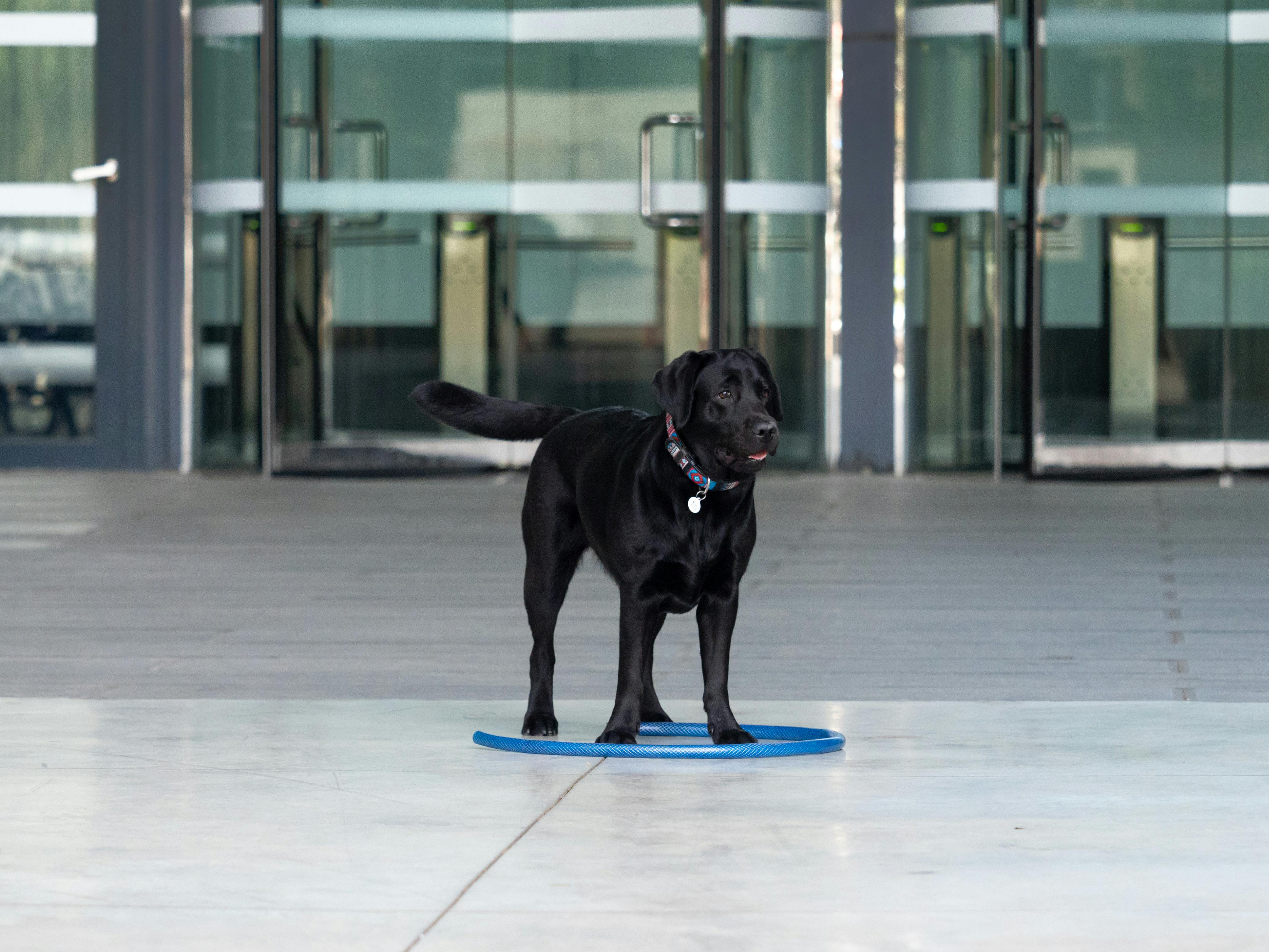
One overlooked fact is how visible these dogs make the issue of biosecurity. Travelers who see a detector dog at arrivals are reminded that food rules are not arbitrary and that declaration requirements exist for a reason.
Because the dogs are approachable and memorable, they can turn a technical inspection process into a teachable moment. People are more likely to understand that protecting agriculture starts with honest declarations and informed travel behavior.
In that sense, the dogs do double duty. They detect prohibited or undeclared items in real time, and they reinforce public awareness that one forgotten snack can have national consequences.




Leave a Reply