
Names changed faster than recipes did. What many families once called Depression cake was later introduced, passed down, or published as war cake with barely any change at all.
The classic raisin spice cake was the blueprint
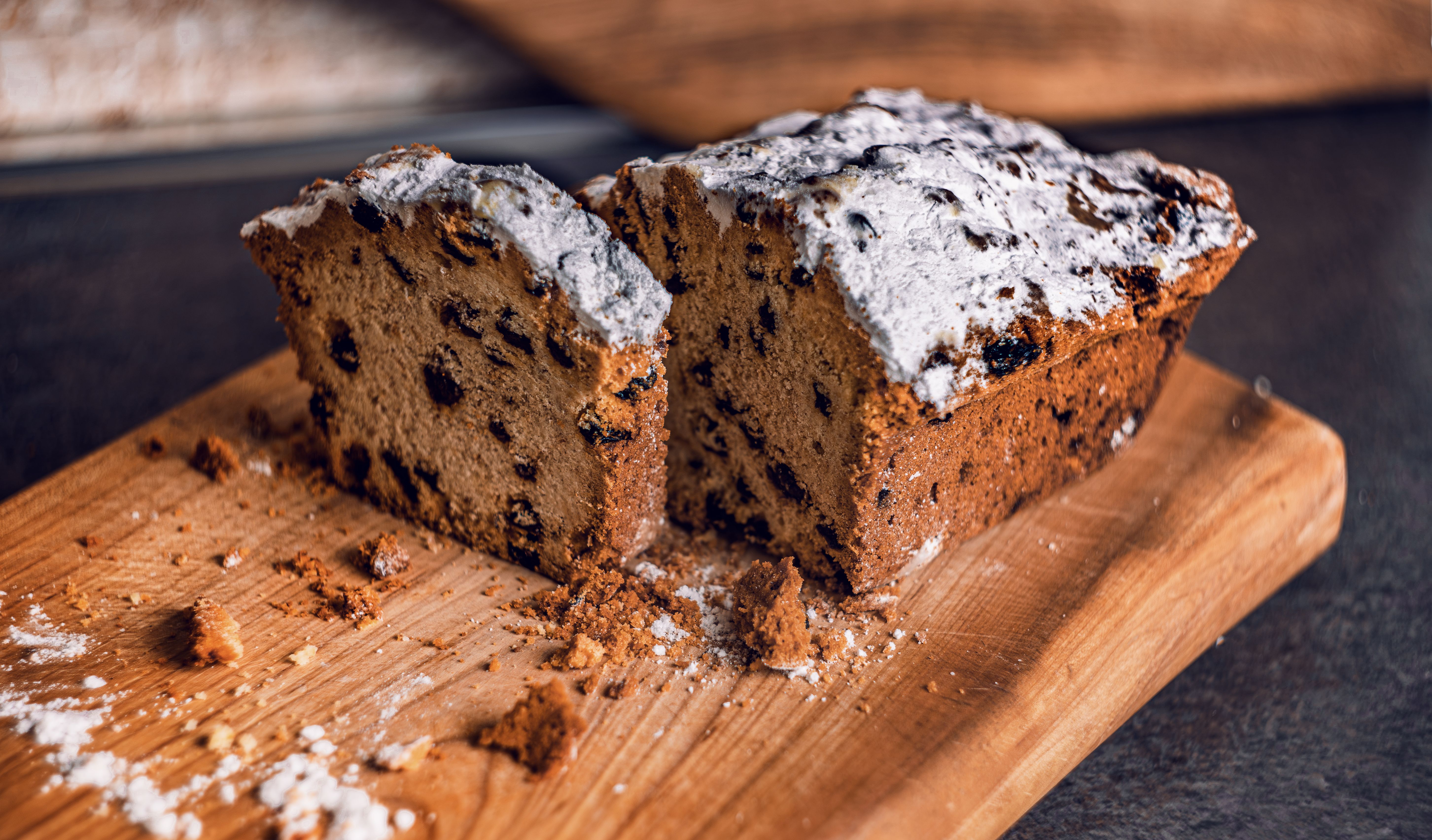
At the center of this name swap sits the best-known version: a dark, moist spice cake built around raisins, cinnamon, cloves, and a boiled mixture of water, sugar, and fat. It was practical because the fruit added sweetness and moisture, reducing the need for expensive eggs, milk, or butter. Community cookbooks from the 1930s and 1940s show nearly identical formulas under different names, which tells you the relabeling was cultural more than culinary.
Home economists favored this kind of cake because it relied on shelf-stable pantry goods. During the Depression, thrift was the headline. During World War II, rationing became the headline, so the same cake suddenly sounded more patriotic when called war cake.
That shift was subtle but effective. A recipe that once represented scarcity could be reframed as resourcefulness in service of the nation, and few bakers had any reason to argue with a name that still produced a reliable dessert.
Boiled cakes made the transition especially easy
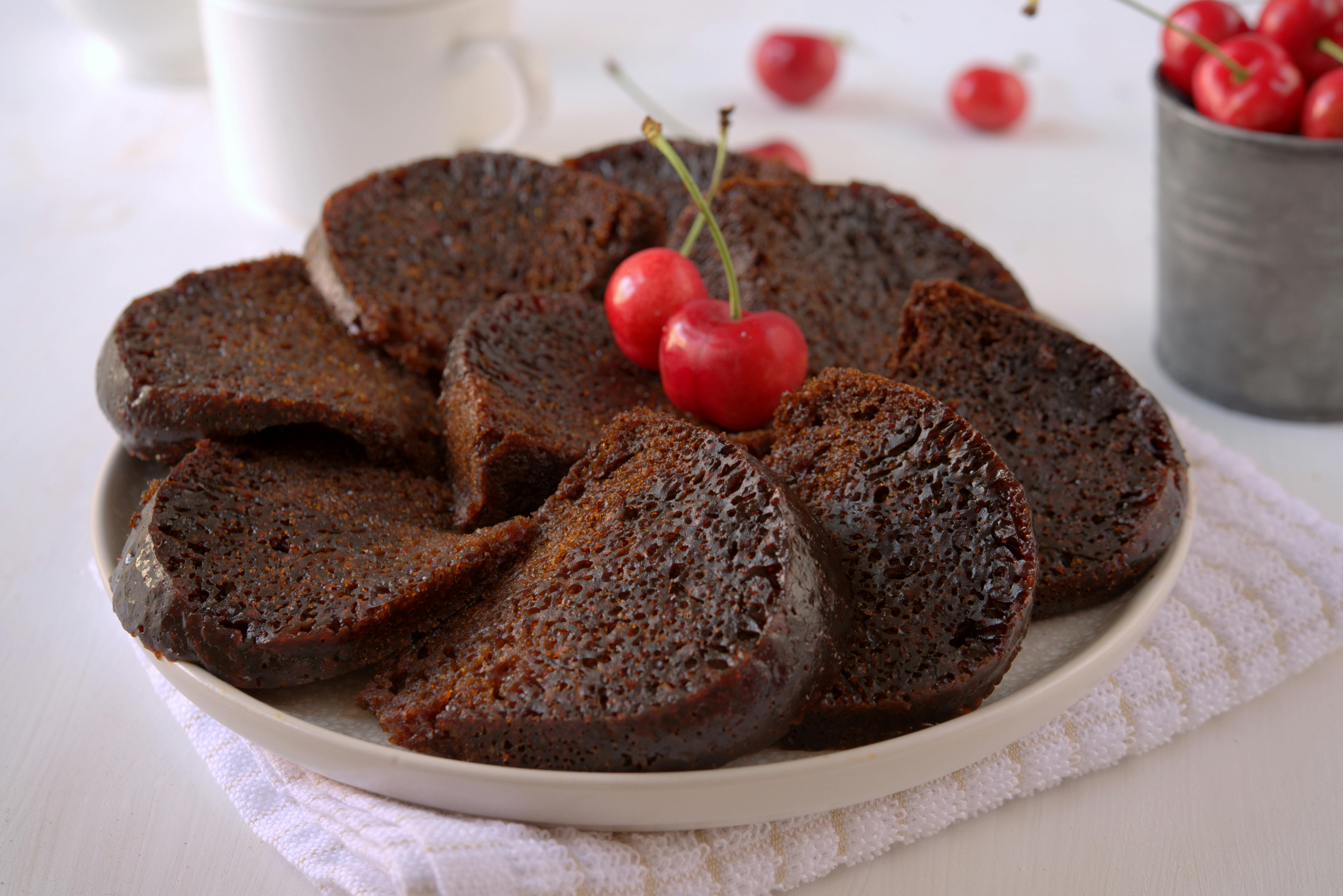
One reason the rebranding slipped by is that boiled cakes already felt old-fashioned and flexible. The method, in which dried fruit, sugar, spice, and shortening were simmered together before flour was added, had been around long before either crisis. Because it was technique-driven rather than luxury-driven, it adapted smoothly to changing shortages.
Boiling softened raisins, bloomed spices, and created a fuller flavor even when ingredients were limited. That mattered in households trying to make one cake feel festive without access to fresh dairy. In practical terms, the method also helped cakes stay tender for days, which made them useful for large families.
When a recipe is familiar, durable, and forgiving, its label can drift without much resistance. That is exactly what happened here: Depression-era necessity and wartime conservation produced nearly the same batter, only wrapped in different language.
Applesauce cakes blurred the line even more

Another quiet crossover came through applesauce cake. In many homes, applesauce replaced eggs, part of the fat, or some of the sugar, while also keeping the crumb moist. That made it a natural fit for Depression cooking, but wartime cooks embraced it for exactly the same reason when ration books tightened access to staples.
Regional newspapers often printed these cakes as practical household solutions rather than heritage recipes. One week a paper might frame the cake as budget baking; a few years later, similar ingredient ratios appeared under wartime headings. The formula barely moved, but the story around it did.
This is why modern readers sometimes assume war cake was a wholly separate invention. In reality, applesauce-based versions reveal how often the distinction was editorial, not structural, with naming shaped by the pressures readers were living through.
Molasses cakes carried thrift into patriotism
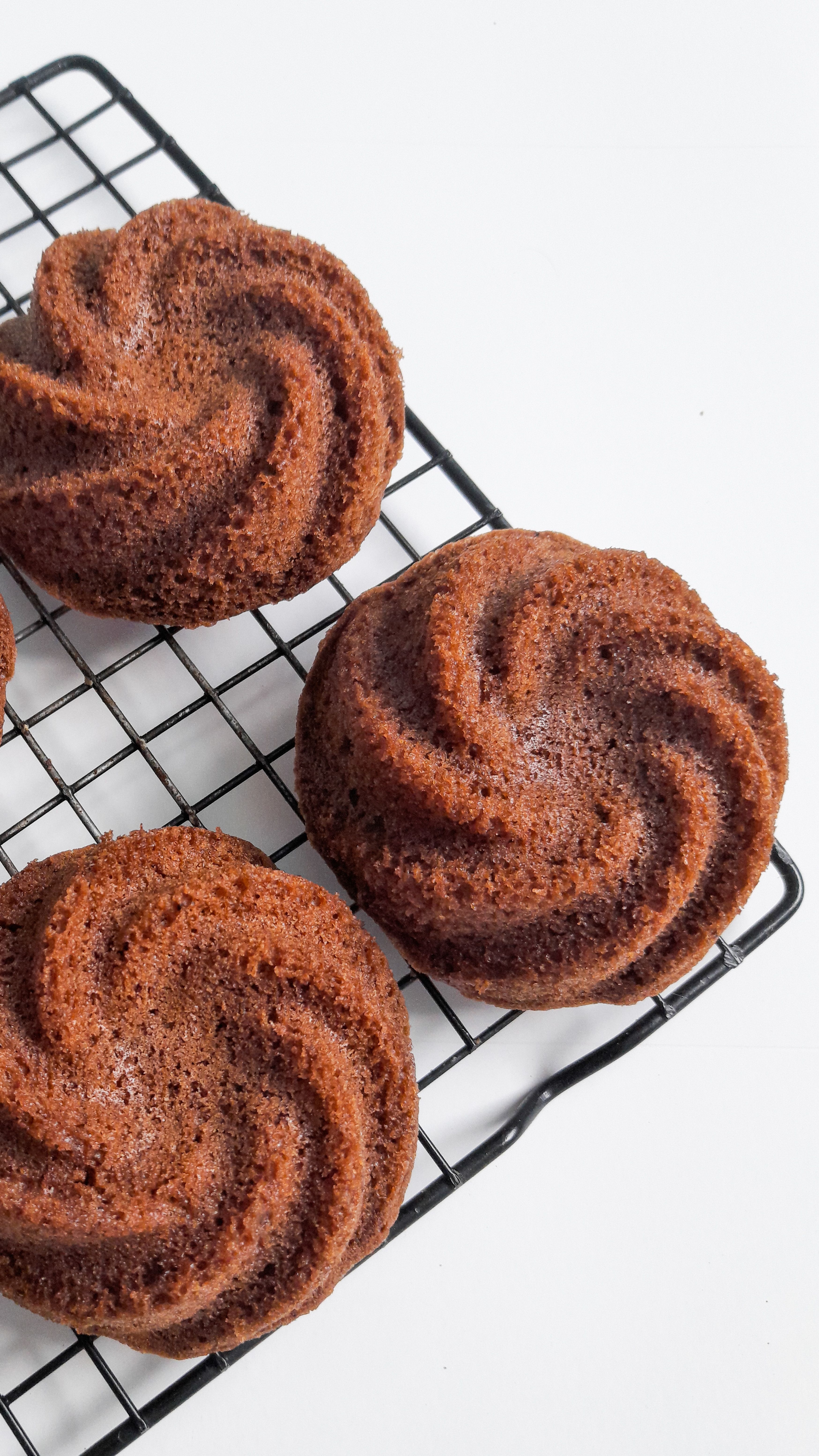
Molasses gave budget cakes depth, color, and sweetness at a time when refined white sugar could be expensive or rationed. It also paired well with ginger, nutmeg, and cloves, creating the kind of strong flavor that made simple cakes taste more substantial. That profile appears repeatedly in recipes identified as both Depression cake and war cake.
There was also a supply logic behind it. Molasses had long been a working-kitchen sweetener, especially in rural households that valued ingredients with long shelf life and broad use. When wartime messaging encouraged careful substitution, molasses-based cakes fit the moment perfectly.
So the name shift required almost no rewriting. A frugal molasses cake already symbolized making do, and wartime cooks simply inherited that symbolism and attached a more current label to a recipe they already understood.
Eggless chocolate cakes joined the same tradition
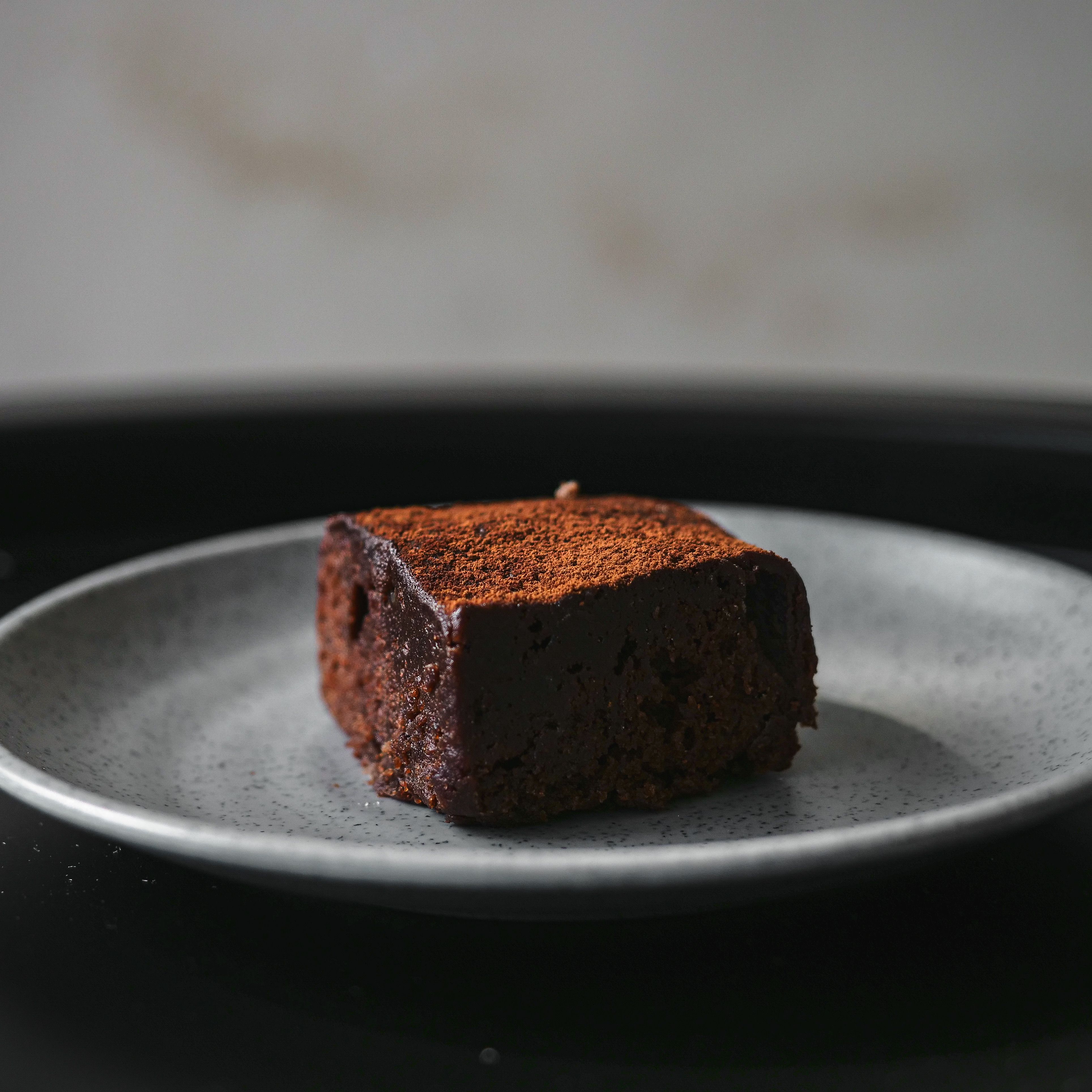
Chocolate versions may sound more modern, but many belong to the same lineage of scarcity baking. Eggless chocolate cakes relied on cocoa, baking soda, vinegar, water, and a modest amount of fat to create lift and tenderness without costly dairy or eggs. The now-famous "crazy cake" or "wacky cake" sits in this family and overlaps heavily with Depression-era practice.
As ingredient shortages evolved, these cakes were marketed in new ways. A household that once baked an eggless cocoa cake to save money could later present nearly the same dessert as a patriotic wartime adaptation. The science stayed the same: acid reacting with baking soda created structure when eggs were absent.
That scientific reliability helped preserve the recipe through decades of retelling. It did not need luxury ingredients to succeed, which made it especially easy for publishers and home bakers to rename without changing its core identity.
Newspaper food pages helped hide the switch
The rebranding did not happen in a single dramatic moment. It happened through newspapers, radio cooking segments, church compilations, and handwritten recipe cards, where titles were often adjusted to suit the mood of the time. Food historians regularly note that domestic recipes travel through informal channels, and names mutate faster than ingredient lists.
Editors understood audience psychology. In the 1930s, "Depression" named the economic reality people were enduring. In the 1940s, "war" spoke to national duty, rationing, and shared sacrifice, so recipes were often reframed to sound timely and useful.
Because these recipes lived in everyday circulation rather than strict culinary archives, few people stopped to compare versions line by line. The result was a quiet linguistic handoff that looked natural enough to pass unnoticed across a generation.
What these cakes reveal about American food memory

The bigger story is not just about cake. It is about how Americans remember hardship through food, often changing language to match the emotion of an era while keeping the underlying dish intact. A recipe can survive because it works, but its name survives only if it continues to feel meaningful.
That is why so many families sincerely believe they inherited two separate traditions. One ancestor remembered Depression cake, another swore by war cake, and both may have been describing nearly the same pan of spiced, eggless batter. Oral tradition tends to preserve feeling before precision.
Seen clearly, these seven cakes are less a set of rigid categories than a record of adaptation. They show how bakers translated scarcity into comfort, then let history rename the dessert without ever surrendering the recipe.

Leave a Reply