
Power outages once changed the menu fast. When ovens, mixers, and refrigerators were not dependable, home cooks leaned on desserts that used pantry staples, open-fire heat, or no cooking at all, and many of those sweets are still comforting today.
Rice pudding
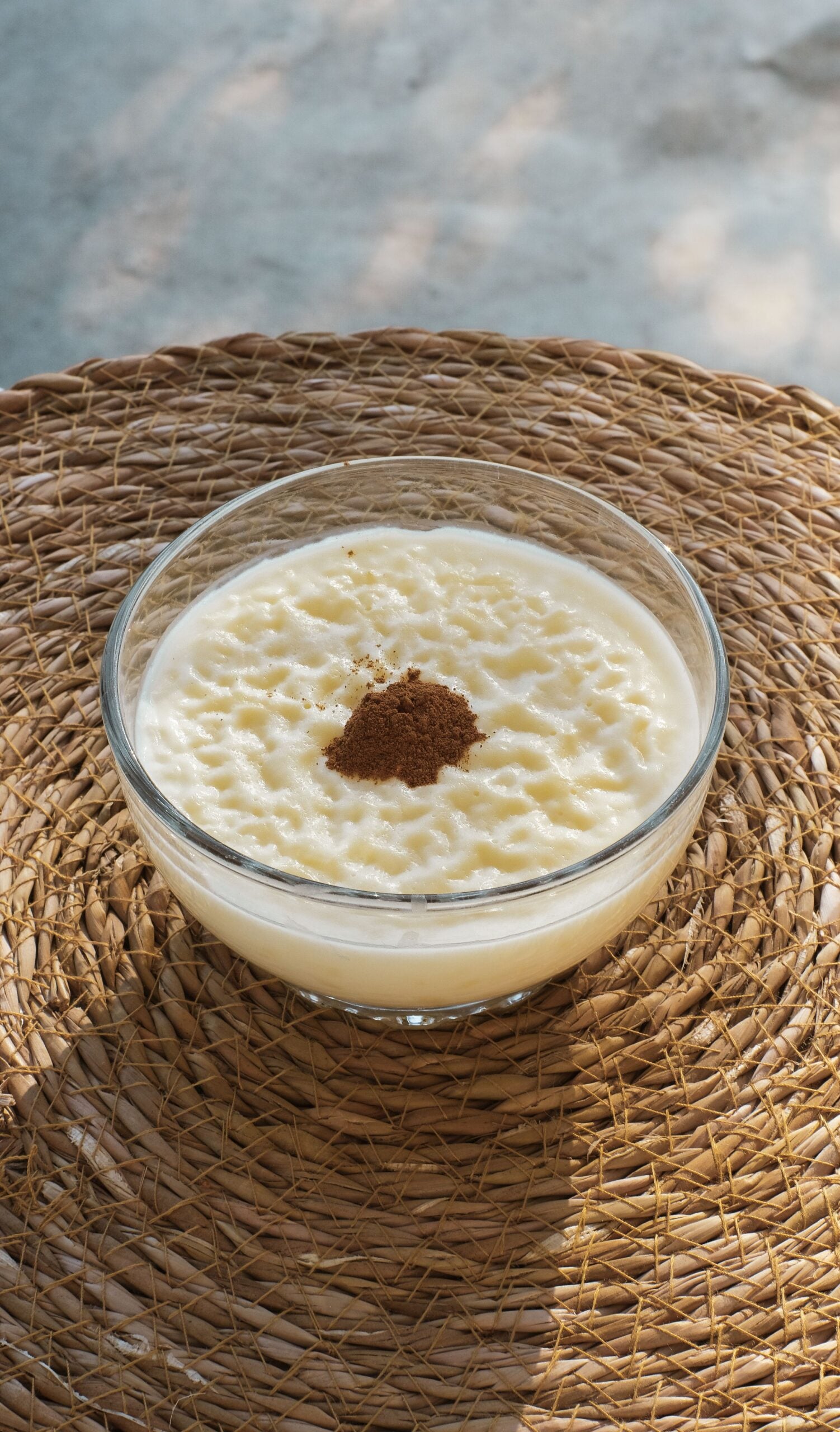
Rice pudding was a practical answer to an interrupted day because it turned a little grain and milk into something filling and gentle. In many homes, it could be cooked slowly on a stovetop that still worked, especially on wood or gas ranges common before full electrification.
Old American cookbooks and community recipes regularly built it from leftover cooked rice, milk, sugar, and a little cinnamon or nutmeg. That mattered during outages because it avoided waste at the exact moment people were trying to use up food before it spoiled.
Its comfort came from texture as much as flavor. A warm bowl stayed soft, mild, and easy to serve to children or older relatives, which helps explain why rice pudding remained a standby in households used to unpredictable service and weather.
Bread pudding
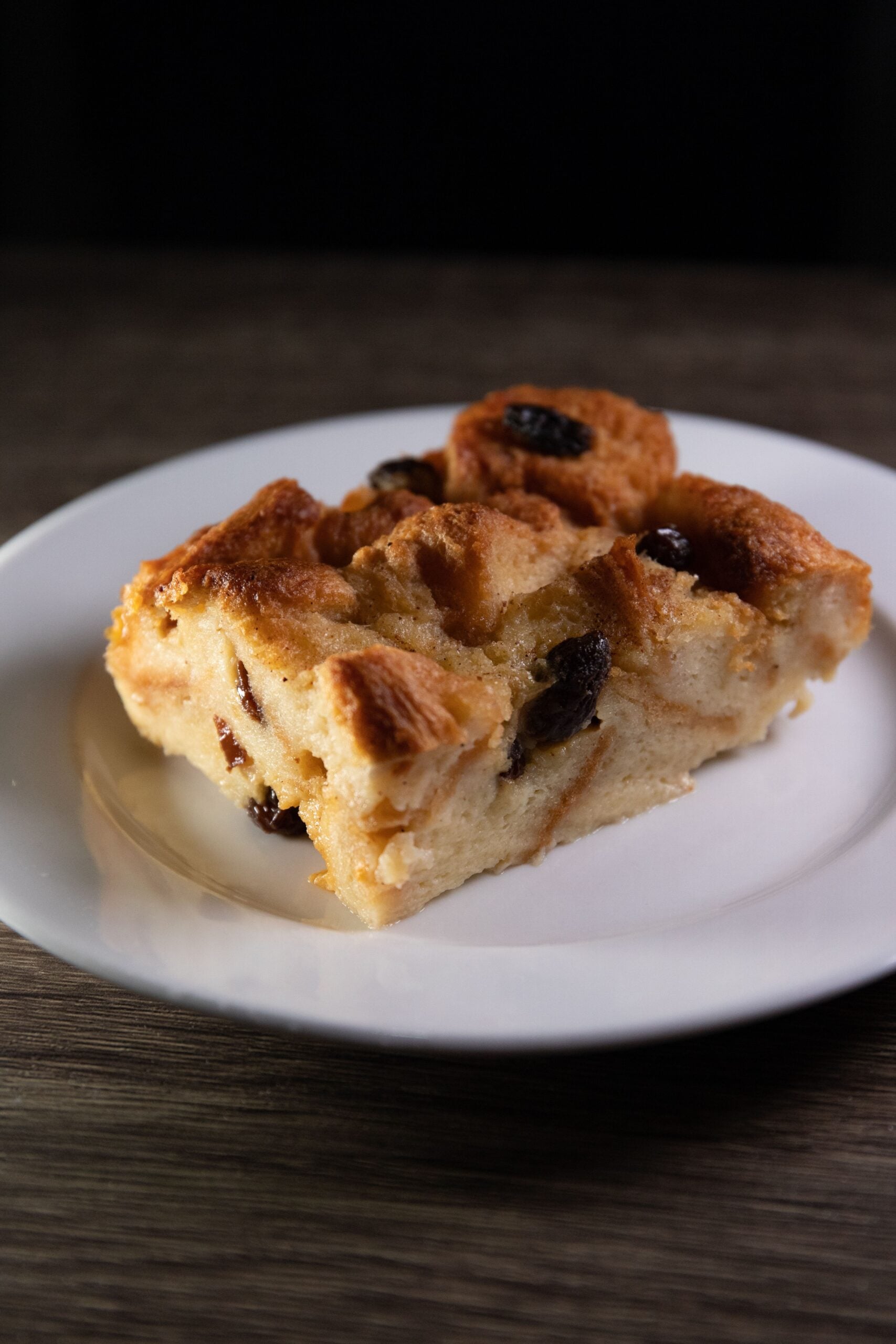
Bread pudding was built for lean moments. Stale bread, eggs, milk, sugar, and spice could become dessert with very little extra fuel, which made it a sensible choice when a household wanted to stretch supplies during a storm-related outage.
The dish also worked well with what was already on hand. Cooks could add raisins, a little butter, or a spoonful of jam if available, but the core formula stayed simple and forgiving, which is part of why it appears so often in older home cooking traditions.
Another advantage was scale. A family could bake one pan if the oven was usable, or set a pudding basin into hot water on a stove, then serve many people at once. In a tense evening without lights, that kind of dependable dessert carried real value.
Stewed apples
Stewed apples offered one of the quickest paths to comfort because they needed only a pot, a little heat, and fruit. Apples kept better than many other fresh foods, so they were often still usable even when refrigeration was limited or unavailable.
A basic version used sliced apples, sugar, water, and warming spices such as cinnamon. Some cooks added lemon if they had it, but the point was not precision. It was to soften fruit into a sweet topping or dessert before more perishable ingredients went bad.
Served warm on their own or spooned over bread, biscuits, or porridge, stewed apples felt generous without being extravagant. They also filled the kitchen with a familiar smell, and that kind of sensory comfort often mattered as much as the dessert itself.
Tapioca pudding
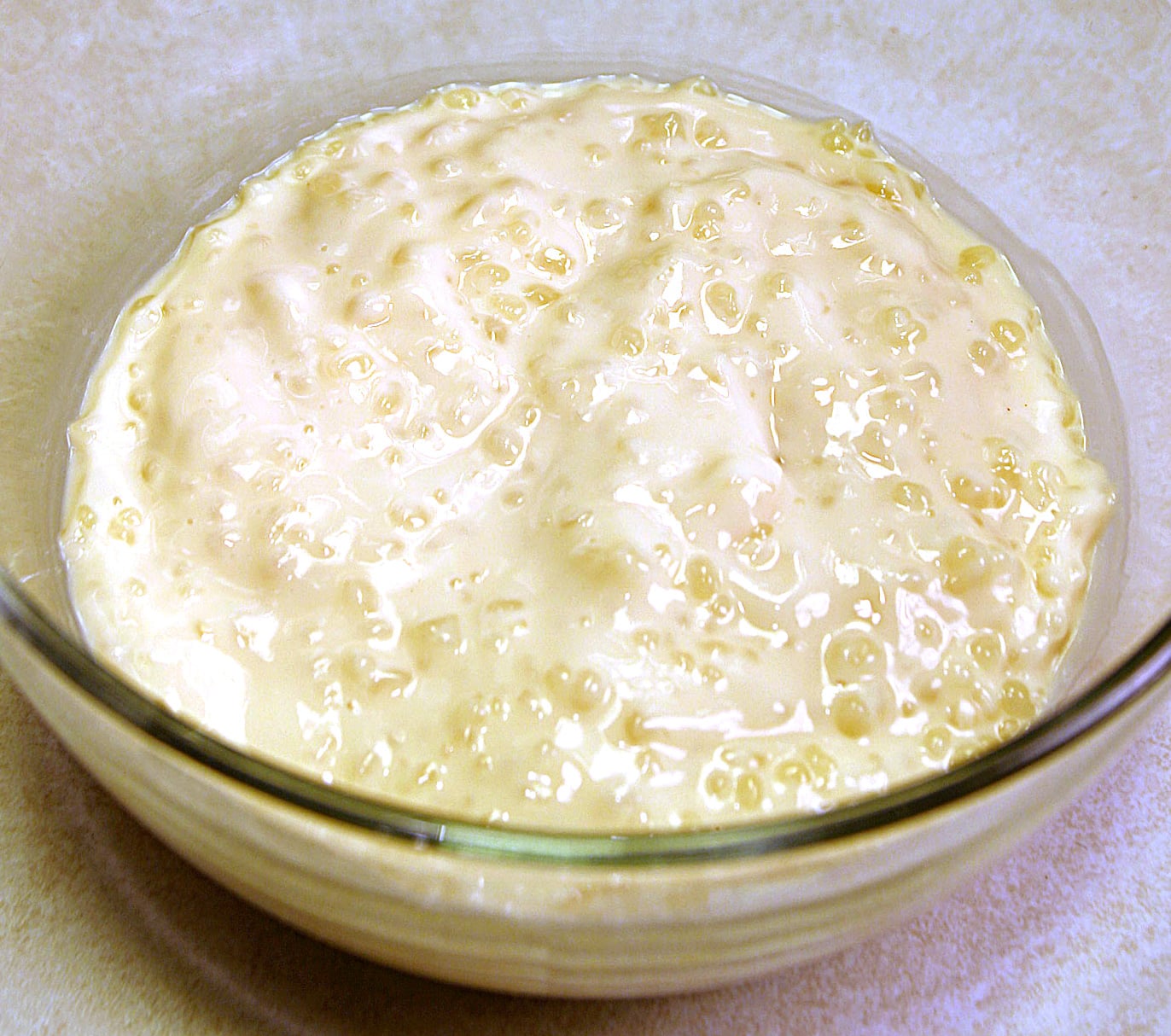
Tapioca pudding reflects an older pantry that valued shelf-stable ingredients. Pearl tapioca could sit in the cupboard for long periods, then be simmered with milk, sugar, and sometimes egg into a dessert that felt delicate despite its humble ingredients.
That pantry life made it useful in emergencies. During a power outage, households often relied on foods that did not need refrigeration before opening, and tapioca fit that pattern well. It was also gentle and inexpensive, which helped it stay popular through hard times.
Its appeal was visual too. The small translucent pearls gave the pudding a distinct look that signaled care and effort, even though the ingredient list was short. In many families, that made tapioca pudding feel a little special on a difficult night.
Cornmeal pudding
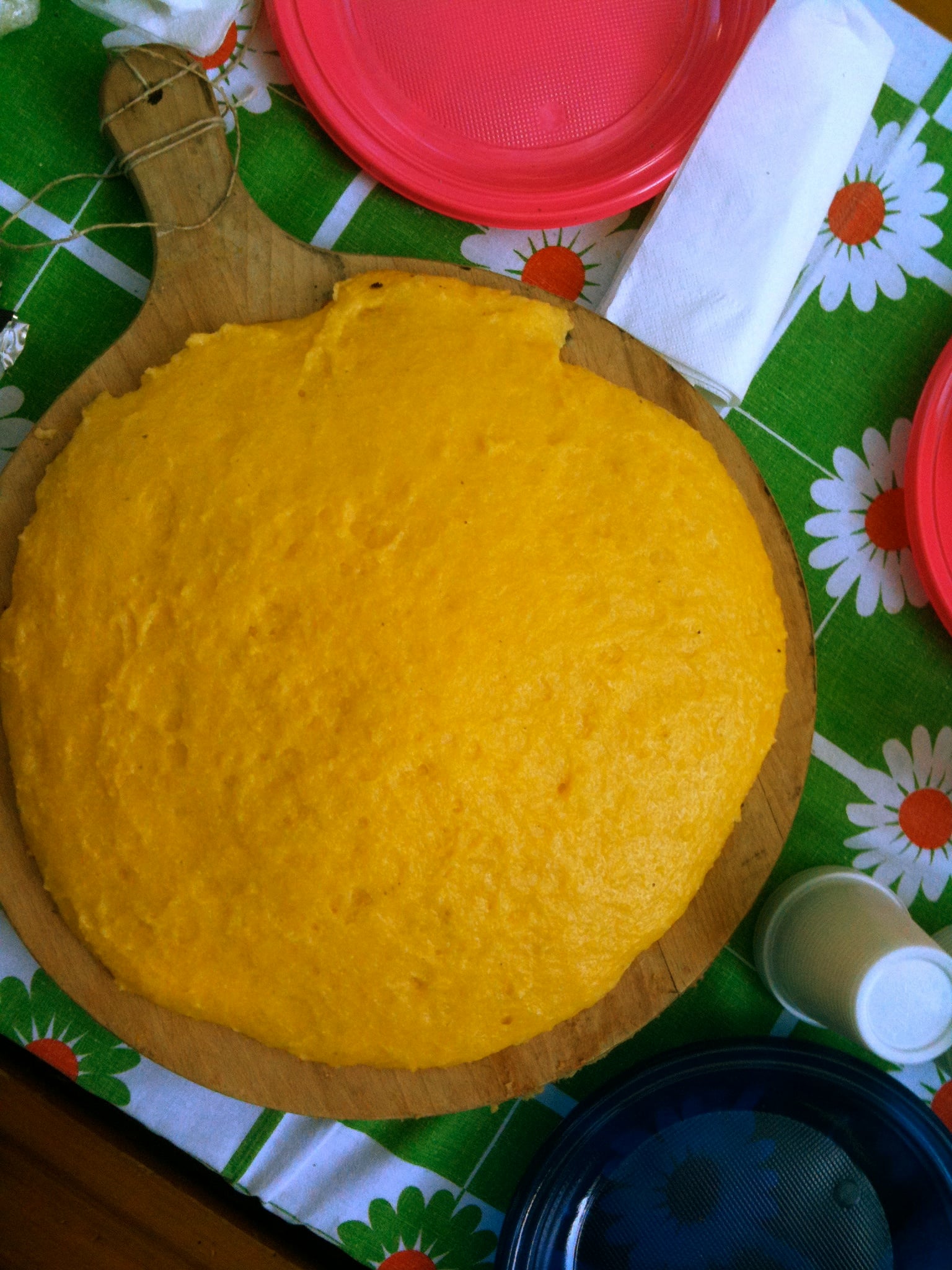
Cornmeal pudding came from a tradition of making dessert from staple grains rather than specialty ingredients. In regions where cornmeal was always in the cupboard, cooks could combine it with milk or water, molasses or sugar, and spice for a dish sturdy enough to satisfy.
Versions of Indian pudding in New England show how deep that habit runs. Those recipes relied on slow cooking and everyday ingredients, often with molasses and cinnamon or ginger, proving that comfort dessert did not need delicate pastry or elaborate equipment.
During outages, cornmeal had another benefit. It held well in storage and cooked predictably over steady heat. The result was not flashy, but it delivered warmth, sweetness, and staying power, which is exactly what many families wanted when routine had been interrupted.
Skillet cobbler
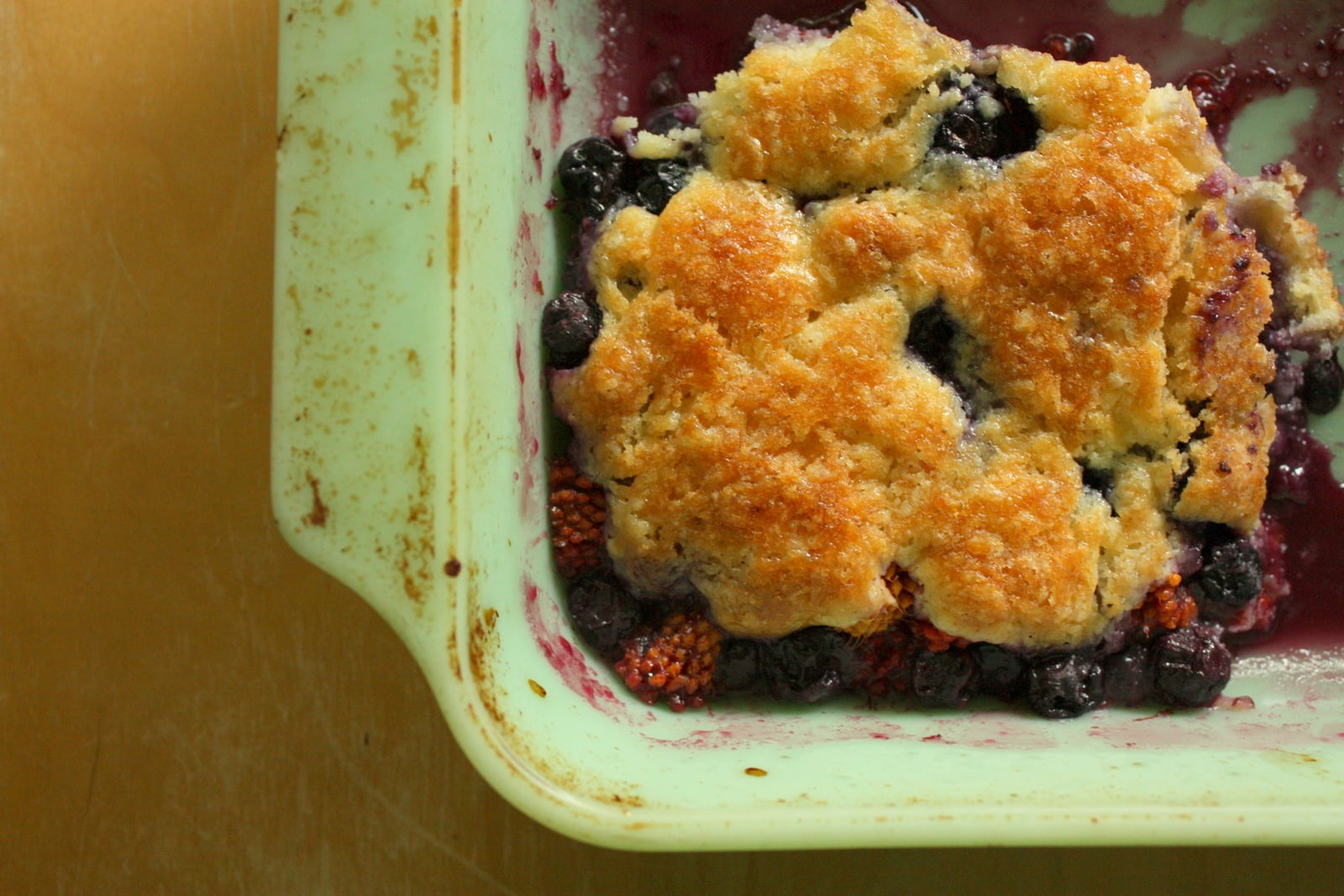
Skillet cobbler shows how adaptable fruit desserts could be when an oven was uncertain. A cast-iron pan set over a stove, on coals, or in a wood-fired range could still produce bubbling fruit and a simple topping, even without modern baking equipment.
This style depended on preserved or sturdy fruit. Peaches, blackberries, apples, or canned filling all worked, which made the dish realistic for households using what was in the pantry or what had just been picked before weather turned bad.
Cast iron helped hold and distribute heat, an advantage when fuel was uneven. That gave cobbler a good chance of success in imperfect conditions. More important, it delivered a dessert people associated with gathering, sharing, and making the best of a disrupted evening.
No-bake cookie balls
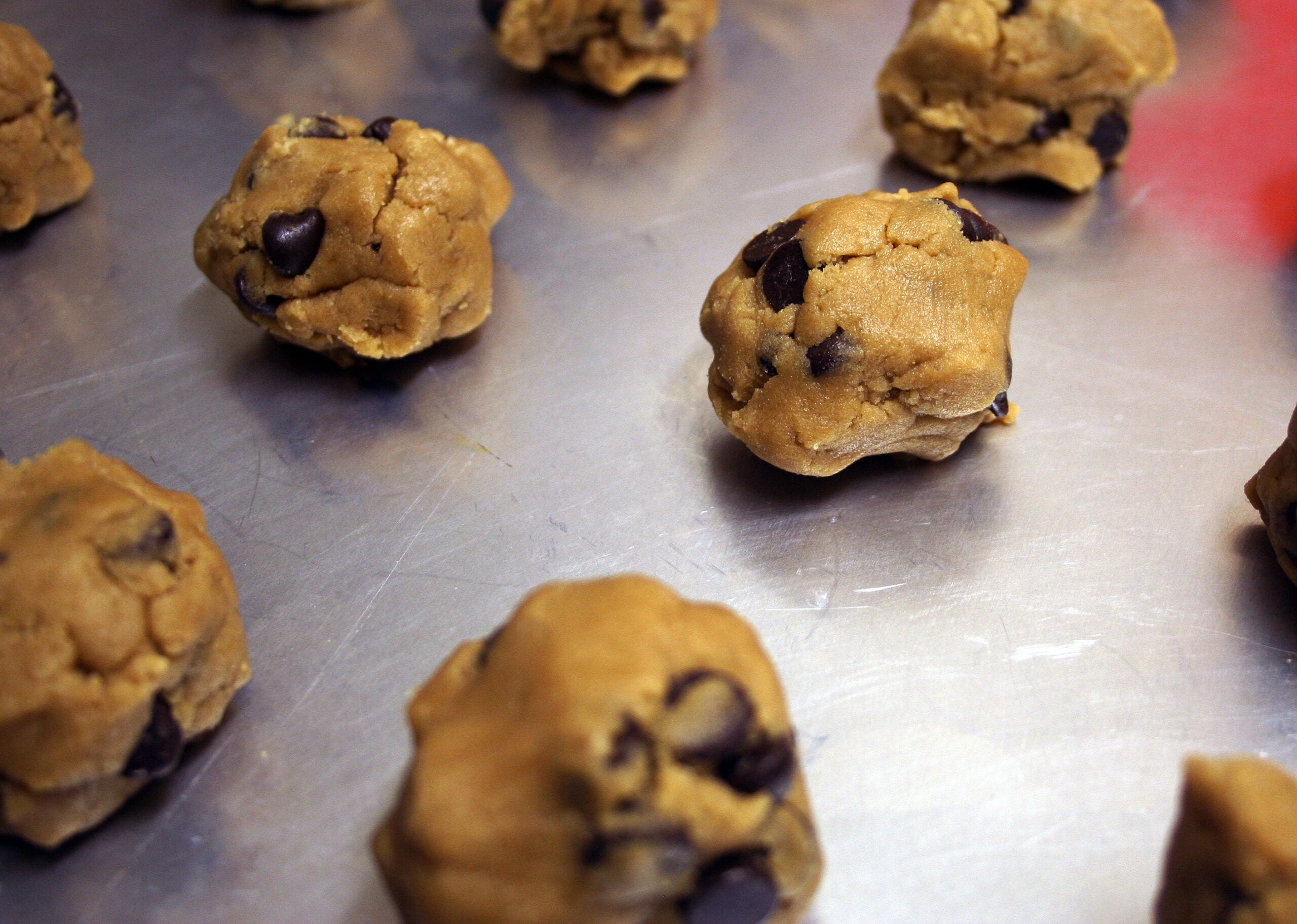
Not every outage dessert needed fire. No-bake sweets made from pantry ingredients offered a different kind of practicality, especially in warm weather when extra heat in the kitchen was unwelcome or cooking fuel was limited.
Home versions varied, but many relied on crushed cookies or oats, cocoa, sugar, peanut butter, syrup, or canned milk, then were rolled into balls by hand. The method mattered because it required no mixer, no oven, and little cleanup, only a bowl and willing hands.
That hands-on simplicity gave these treats a social role as well. Children could help shape them by lantern light or at the kitchen table while adults managed the rest of the household. In that sense, the dessert offered calm as much as sweetness.


Leave a Reply