
In 1970s Canada, going out for dinner was becoming a routine pleasure for many middle class families, not just a special occasion. These seven well-known spots show how chain restaurants, hotel dining rooms and family eateries turned a meal out into a recognizable part of suburban life.
Ponderosa Steak House

A steak dinner once signaled a major night out, but Ponderosa helped make it feel reachable. The chain expanded across Canada in the 1970s with a simple promise: steak, baked potatoes and a family-friendly setting at a price that fit a middle class budget.
Its format mattered as much as the menu. Casual western styling, broad parking lots and straightforward combo meals made it feel modern and unfussy. Parents could order a sirloin, children had predictable favorites, and nobody needed to dress as if they were going to a formal dining room.
That combination says a lot about the decade. Middle class diners wanted restaurant food that felt a little indulgent but not intimidating, and steak houses like Ponderosa met that demand cleanly. In family photo albums and suburban strip plazas, places like this became part of the new rhythm of Canadian evenings.
Swiss Chalet
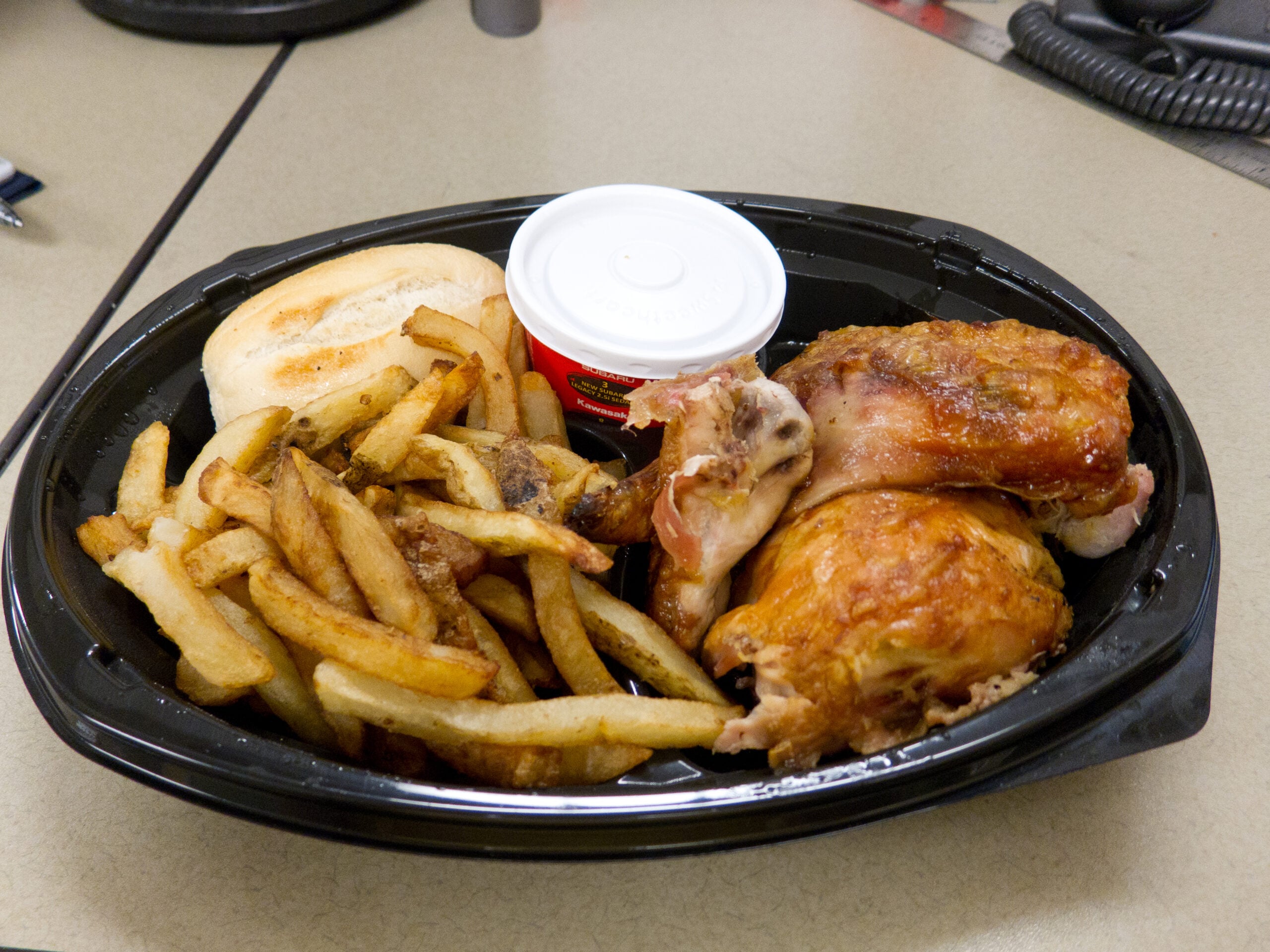
Few chains were woven into Canadian family life as tightly as Swiss Chalet. By the 1970s, its rotisserie chicken, chalet sauce and ribs had become familiar enough that dinner there felt less like a novelty and more like a dependable household option outside the house.
The appeal was built on consistency. A parent ordering quarter chicken dinners in Toronto could expect nearly the same plate as a family stopping in another Ontario suburb. That reliability mattered in an era when chain dining was becoming a marker of convenience, mobility and comfort.
Swiss Chalet also fit the decade's middle class habits perfectly. It worked for a weeknight sit-down meal, a birthday dinner or takeout brought home after a late workday. The food was accessible, the service style was relaxed, and the whole experience reflected a Canada that was growing more suburban and schedule-driven.
The Keg
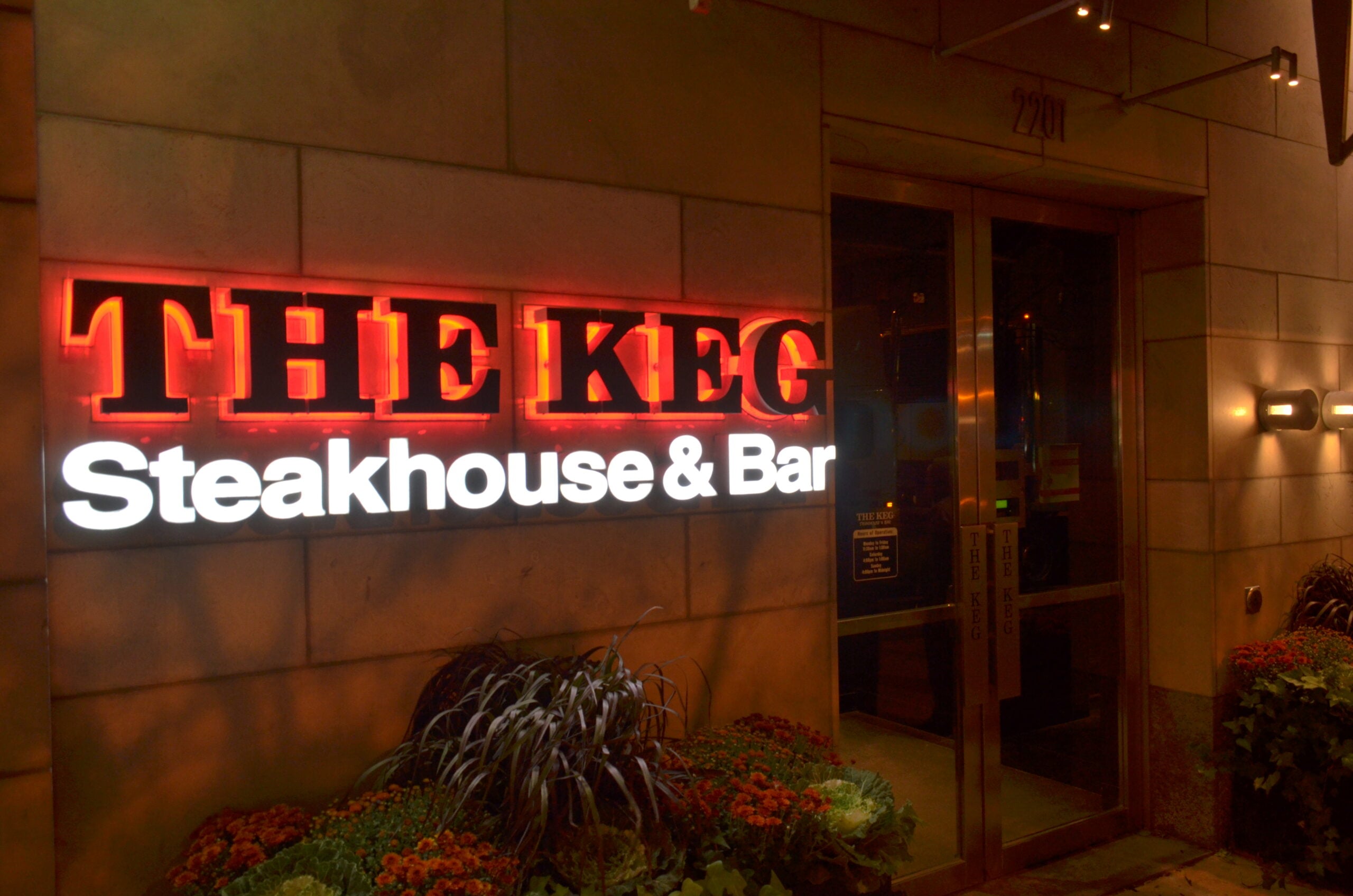
When The Keg opened in Vancouver in 1971, it landed at just the right moment. Canadians were increasingly interested in dining out, but many still wanted a restaurant that felt polished without becoming exclusive, and The Keg's steak-and-seafood formula filled that gap.
Its look helped define the experience. Dark wood interiors, booths and a slightly more adult atmosphere gave it the mood of a celebratory dinner, yet it remained approachable enough for middle class customers marking anniversaries, promotions or graduations. It was special, but not unreachable.
That balance made The Keg stand out. It offered a version of aspirational dining that fit the spending power of many urban and suburban households in the 1970s. For a generation coming of age in that period, it became one of the places where ordinary life events started to feel officially celebrated.
Mother Tucker's Food Experience
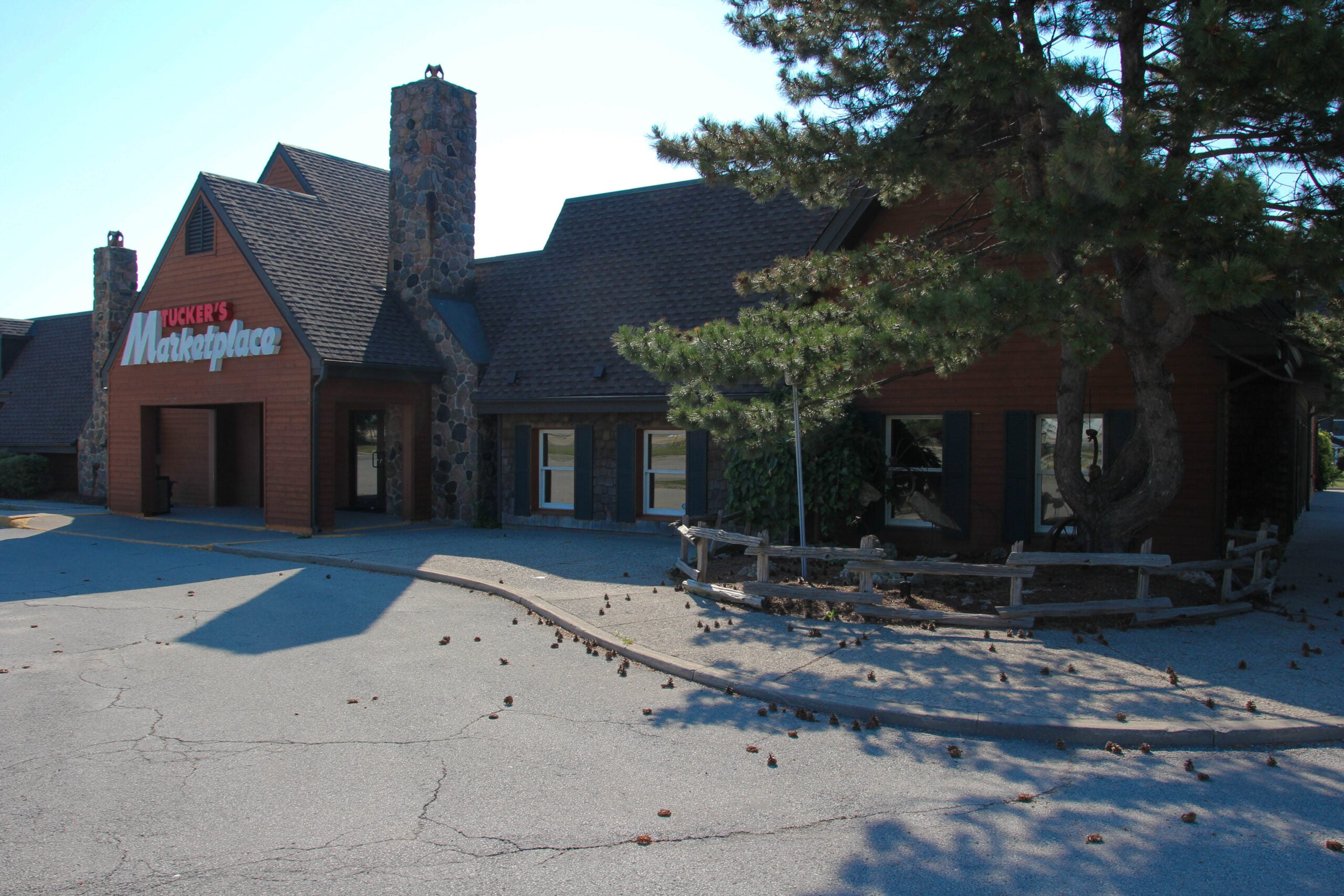
Buffets were not new in the 1970s, but Mother Tucker's gave the format a theatrical twist. Founded in Toronto in 1977, the restaurant became known for expansive self-serve stations that turned dinner into a kind of edible display of abundance.
For middle class diners, that mattered. A buffet suggested value, freedom and a bit of fun, especially for families with different tastes or teenagers with large appetites. Instead of one plated main course, the attraction was choice itself, from salads to carved meats to desserts laid out in abundance.
Mother Tucker's also reflected the decade's confidence in large-format dining rooms and big personalities. It was the kind of place built for group celebrations, office dinners and suburban nights out when eating was only part of the event. The restaurant's very name and scale captured the era's appetite for spectacle.
Red Lobster
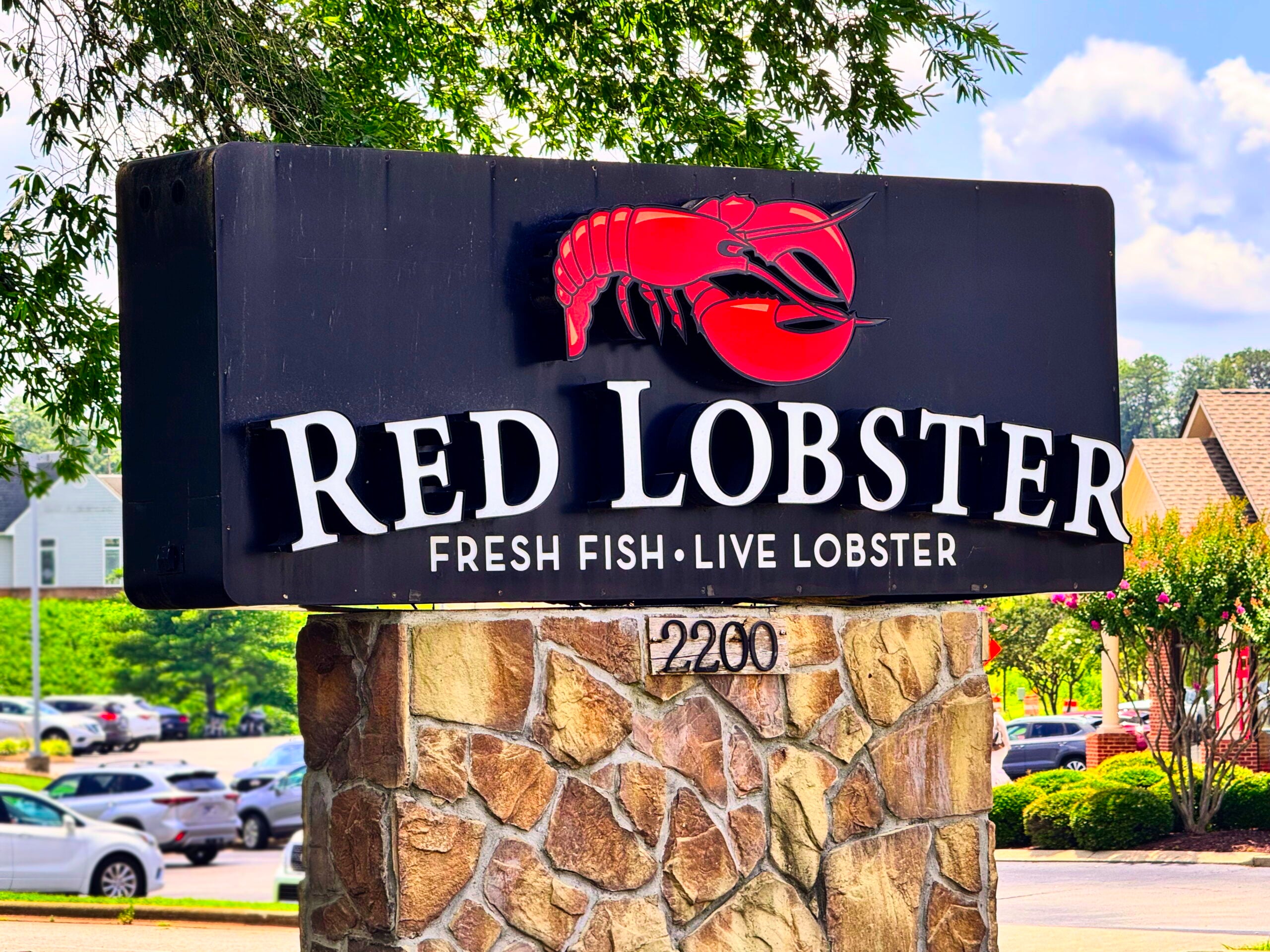
Seafood chains helped broaden the idea of what a mainstream family dinner out could be, and Red Lobster played a clear role in that shift. As the chain expanded into Canada in the 1970s, it introduced many diners to a seafood restaurant positioned as casual rather than elite.
That was important because lobster and shrimp had long carried a special-occasion image. Red Lobster softened that formality with nautical décor, combo platters and a menu that made seafood feel understandable to customers who may have been more used to roast beef, burgers or chicken.
For middle class households, it offered a manageable kind of culinary adventure. The setting still suggested a treat, but the chain format reduced uncertainty. A family could try seafood in a room that felt familiar, and that blend of novelty and reassurance was central to 1970s restaurant culture.
Bonanza

Bonanza was another steak house chain that captured the practical side of dining out in the 1970s. Its cafeteria-style service and clear value proposition appealed to families looking for hearty portions, quick decision-making and a dinner bill that would not spiral upward.
The style matched suburban expansion. Restaurants like Bonanza were often easy to reach by car, easy to understand once inside and organized around speed. That mattered to two-income households and busy parents, especially as more Canadians built routines around shopping plazas and roadside commercial strips.
Its dining rooms also reveal how much middle class restaurant culture was changing. The goal was no longer white tablecloth refinement. It was dependable abundance, broad appeal and a feeling that eating out could fit into ordinary weekly life. Bonanza helped normalize that transition in a very visible way.
The hotel dining room
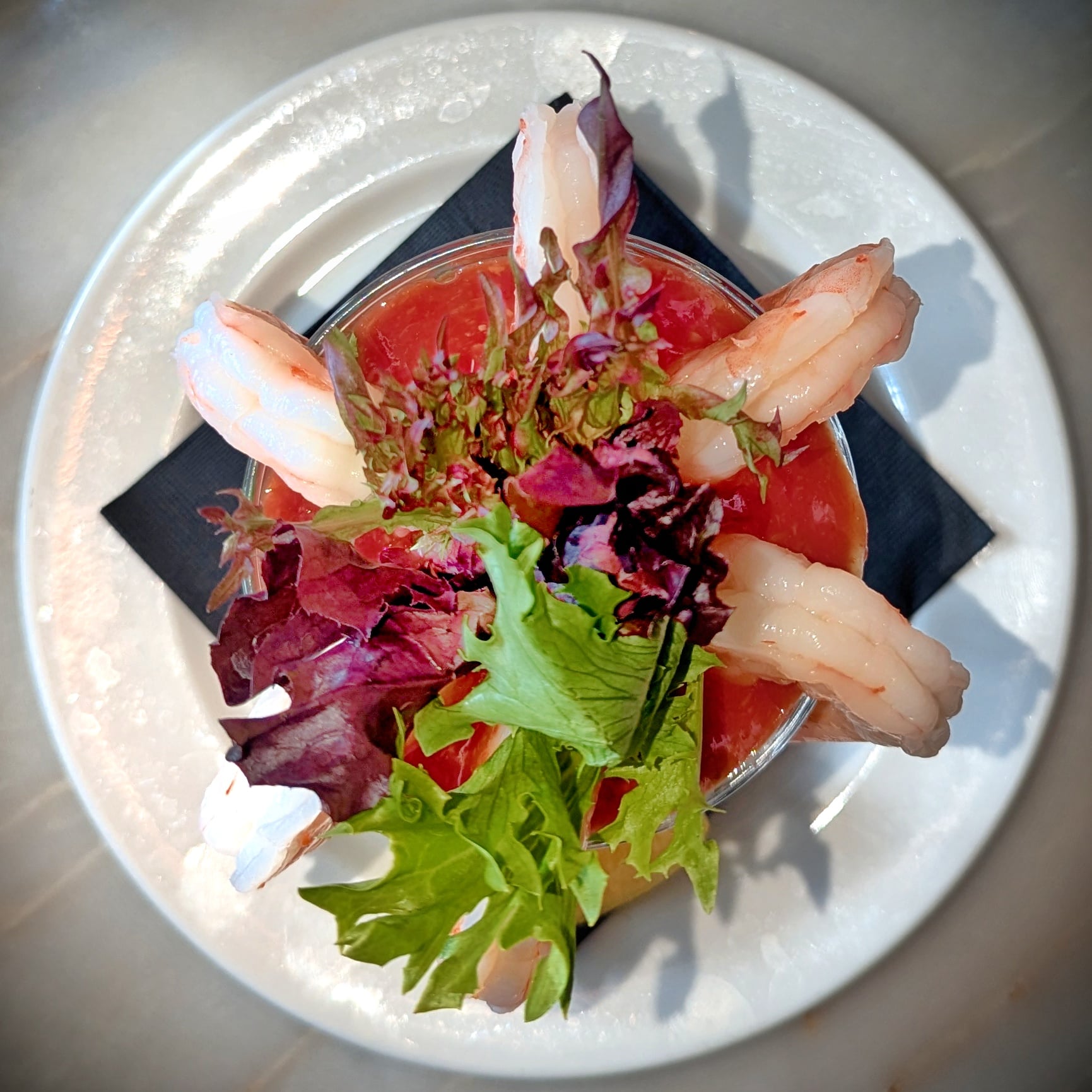
Not every defining dinner spot was a chain. In many Canadian cities and smaller regional centres, the hotel dining room remained a classic 1970s setting for graduations, business dinners, Sunday suppers and family celebrations that called for something a little more formal.
These rooms often served roast beef, seafood cocktails, club sandwiches and baked desserts in surroundings that still carried traces of an older style of hospitality. Compared with newer suburban chains, they could feel quieter and more ceremonial, with table service that signaled occasion and respectability.
That contrast is exactly why they mattered. Hotel dining rooms preserved a bridge between postwar formality and the more casual restaurant culture rising around them. For middle class Canadians, they offered a place to dress up, sit longer and mark important moments before chain dining fully took over everyday celebrations.




Leave a Reply