
Some candy bars become famous. Their real beginnings usually do not.
In Canada, several beloved bars carry origin stories tied to war, immigration, factory innovation, and local taste in ways most shoppers never hear about.
Coffee Crisp began as a wafer answer to changing tea-time habits
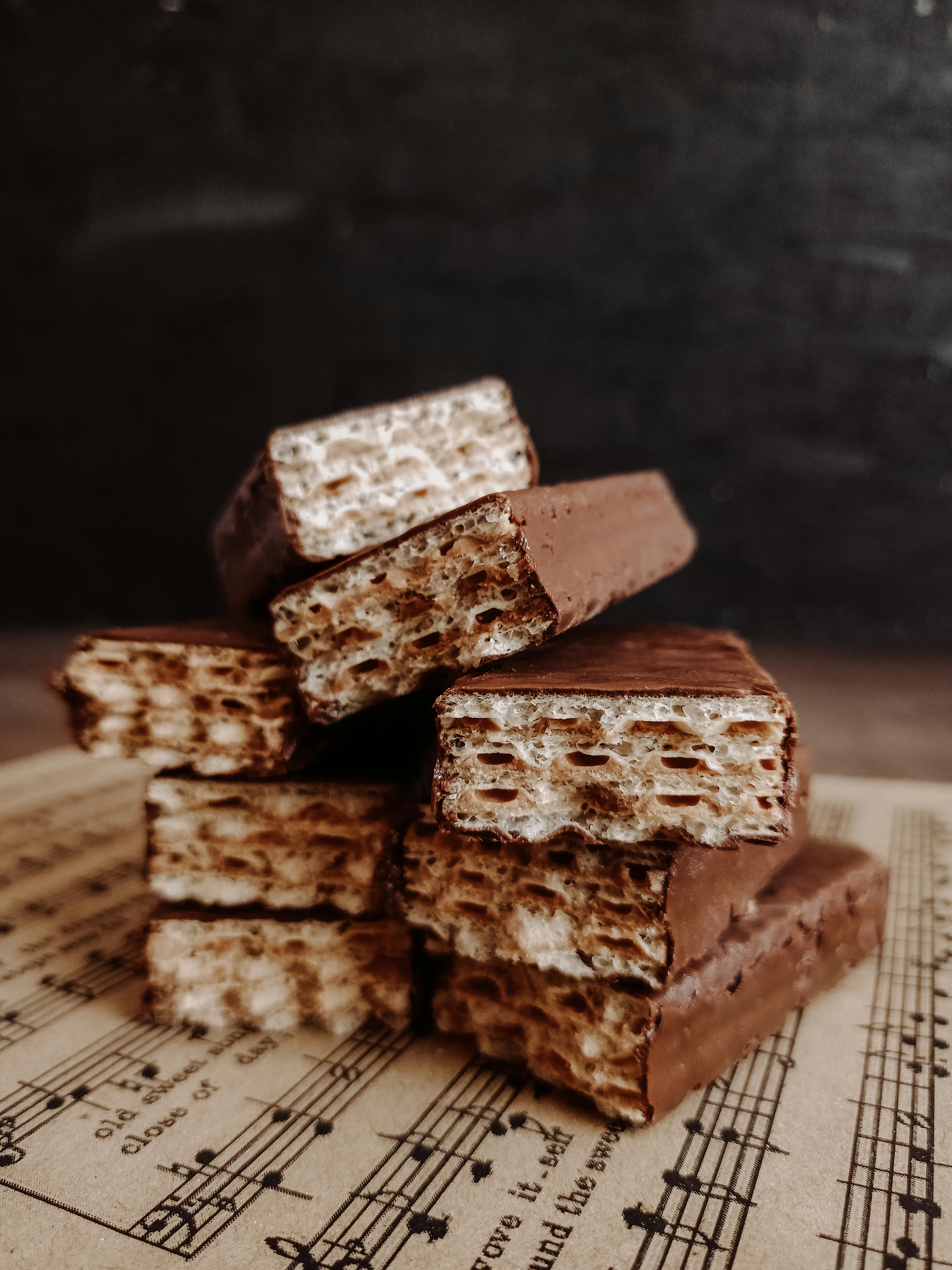
Coffee Crisp feels deeply Canadian now, but its story starts in Britain. The bar grew out of Rowntree's Coffee Crisp biscuit, developed when crisp wafers and coffee-flavored sweets matched changing snack habits across the Commonwealth.
When the product moved into Canada through Rowntree's network, it found unusually fertile ground. Canadian consumers had a long affection for wafer bars, and the lighter texture stood apart from denser caramel-and-nougat competitors filling postwar shelves.
Its biggest untold advantage was cultural positioning. Coffee flavor suggested sophistication without making the bar feel adult-only, so it became a lunchbox candy that also worked as an office break treat, a rare dual identity in confectionery marketing.
Nestlé later inherited the brand through industry consolidation, but the Canadian attachment had already been built. That helps explain why Coffee Crisp became far more central to Canadian candy culture than in many other markets where similar wafer bars came and went.
Crispy Crunch carried British toffee technique into a mass-market bar

Crispy Crunch is often remembered for its peanut butter-like center, but its real distinction is textural engineering. Cadbury used a brittle, flaky peanut toffee interior that echoed older British confectionery methods while adapting them for a chocolate-bar format.
That mattered because early 20th-century candy makers were trying to industrialize sweets that had once depended on small-batch craftsmanship. A bar like Crispy Crunch succeeded only if factories could produce a delicate crunch consistently without turning the center into dust.
In Canada, that balance gave the bar a niche. It was sweeter and more fragile than a standard nut bar, and that slightly messy, shattering bite became part of its appeal rather than a flaw, especially among consumers who wanted something less uniform.
Its quieter origin story is really about manufacturing skill. Long before texture became a buzzword in food development, bars like Crispy Crunch proved that mouthfeel could define loyalty just as powerfully as flavor or brand recognition.
Caramilk turned secrecy and filling technology into a national obsession

Few Canadian bars have been marketed through mystery as effectively as Caramilk. Introduced by Cadbury, the bar's soft caramel pockets depended on precise molding methods that allowed liquid or semi-liquid filling to be enclosed inside chocolate segments.
That production method was not unique forever, but it felt magical to shoppers when the bar gained traction. The famous question about how the caramel got inside worked because the answer involved real industrial technique that most people never saw.
In Canada, the campaign landed especially well during an era when television advertising made factory processes seem almost theatrical. Caramilk became less about ingredients alone and more about participation in a national joke that crossed generations and provinces.
Its overlooked origin is therefore twofold: engineering and storytelling. Many candy bars sell sweetness, but Caramilk sold curiosity, proving that a manufacturing detail, when turned into folklore, can become one of the strongest identities in the entire candy aisle.
Mr. Big reflected the supersized snack era of late 20th-century Canada

Mr. Big arrived with a name that practically announced its strategy. Produced by Cadbury, the bar leaned into layered excess with wafer, caramel, rice crisps, and peanut butter notes at a time when bigger, more complex snacks were winning shelf space.
Its timing matters. By the later 20th century, confectionery companies were no longer selling only a quick sugar fix. They were competing with cookies, pastries, and convenience-store snacks, so a larger bar could justify a more premium or satisfying image.
In Canada, that formula resonated in a market comfortable with hearty portions and novelty textures. Mr. Big felt less like a refined European chocolate and more like a North American hybrid, built for impulse buying and maximum contrast in every bite.
The bar's under-discussed origin story is really about category pressure. It emerged when candy makers had to make bars feel bigger, busier, and more exciting, and Mr. Big became a distinctly Canadian answer to that escalating snack competition.
Wunderbar showed how playful branding could mask a serious product strategy

Wunderbar has always had an eccentric personality, from its name to its chewy peanut-butter-caramel core. Yet behind that playfulness sits a serious lesson in product design: combining softness, chew, and chocolate in one bar helped it stand out immediately.
Cadbury's approach tapped into a broader trend in confectionery, where memorable names reduced the need for lengthy explanation. A shopper did not need to understand the exact formula first; the branding created curiosity, and the texture delivered the payoff after purchase.
Canada proved to be a strong home for that kind of bar. Consumers already embraced sweets that mixed multiple sensations, and Wunderbar's less formal image fit a retail environment where convenience stores and corner shops often drove candy discovery.
Its origin story is rarely framed this way, but it should be. Wunderbar was not simply a quirky bar with a funny name. It was a carefully positioned response to the growing importance of instant recognition in crowded confectionery displays.
Cherry Blossom preserved an older boxed-chocolate tradition in bar form
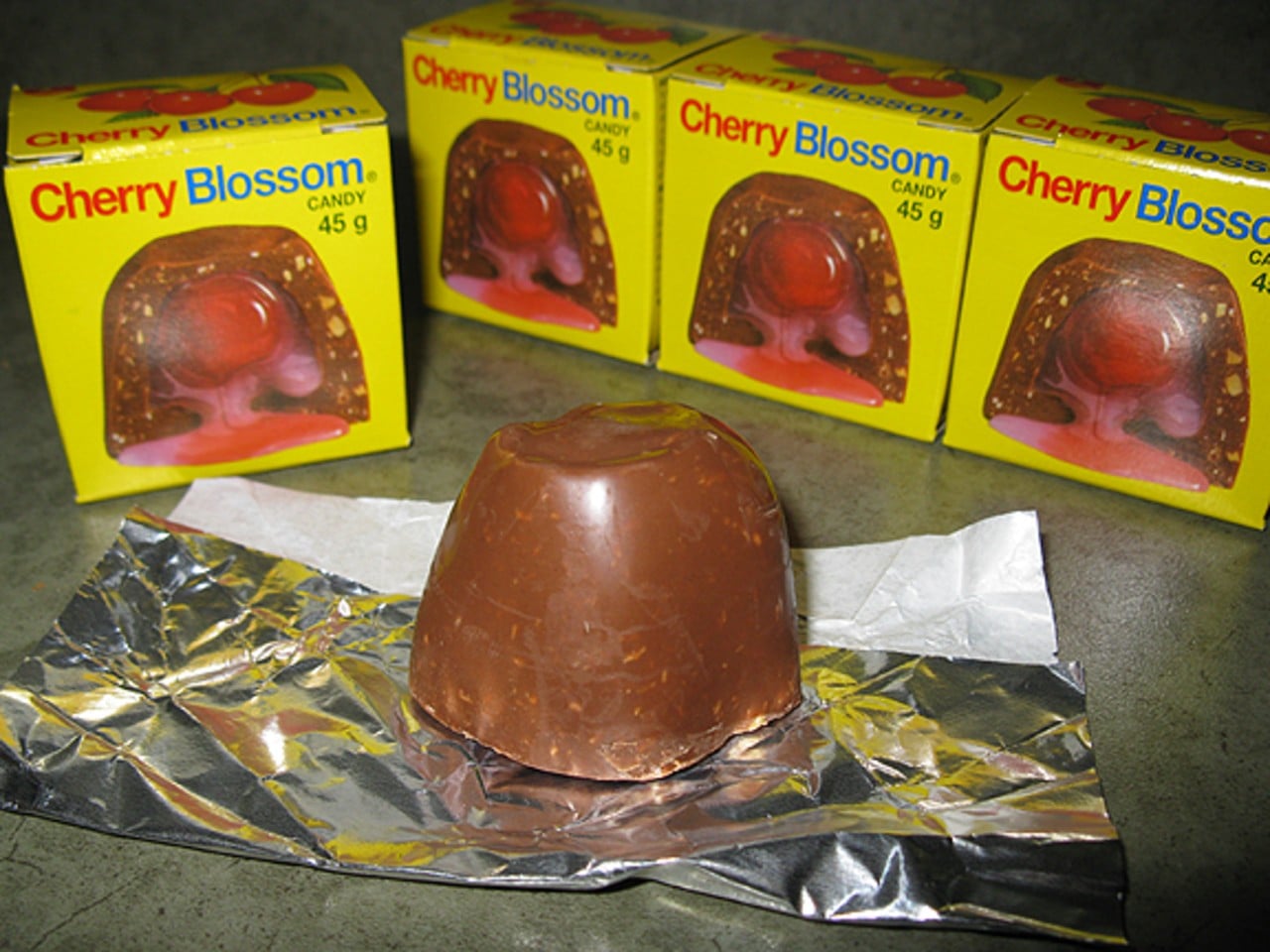
Cherry Blossom stands apart because it feels like a relic from another confectionery age. With a maraschino cherry, syrup, coconut, and chocolate shell, it carries the DNA of boxed chocolates rather than the streamlined architecture of modern bars.
That lineage matters historically. Before convenience stores standardized candy bars, many popular sweets came from tray-packed assortments and chocolate shops, where fruit centers and syrup-filled pieces signaled indulgence and occasion rather than everyday snacking.
In Canada, Cherry Blossom endured partly because it offered nostalgia in a single package. It asked consumers to accept stickiness, unevenness, and a bit of mess in exchange for a richer, more old-fashioned experience than cleaner, more engineered competitors.
Its overlooked story is one of survival. While many fruit-centered chocolates lost ground to wafers and nougat, Cherry Blossom kept a foothold by preserving a confectionery style that otherwise might have disappeared from mainstream Canadian shelves.
Aero's Canadian life was shaped by wartime science and postwar branding

Aero is not uniquely Canadian in origin, but its Canadian history deserves more attention. Created by Rowntree in the 1930s, the bar relied on aeration techniques that introduced bubbles into chocolate, giving it a softer bite and faster melt.
That mattered during a period when food science was transforming mass production. Controlling air content, texture, and stability at scale required more than whimsy, and bars like Aero reflected a growing confidence that factories could manufacture novelty reliably and cheaply.
In Canada, Aero prospered because its texture felt genuinely different in a crowded field. Children loved the bubbles, adults liked the smoother mouthfeel, and advertisers could turn an invisible technical process into a visible sensory promise the moment the bar was snapped.
The forgotten origin story here is the role of industrial experimentation. Aero's success in Canada was not just about taste. It was about translating chocolate science into a playful everyday treat that felt new long after its invention.




Leave a Reply