
Canadian home cooks are using a wider range of grains than the usual bag of white rice or box of pasta. These seven Asian staples are finding room on weeknight tables because they are versatile, familiar in texture, and easy to pair with both traditional and local ingredients.
Jasmine rice
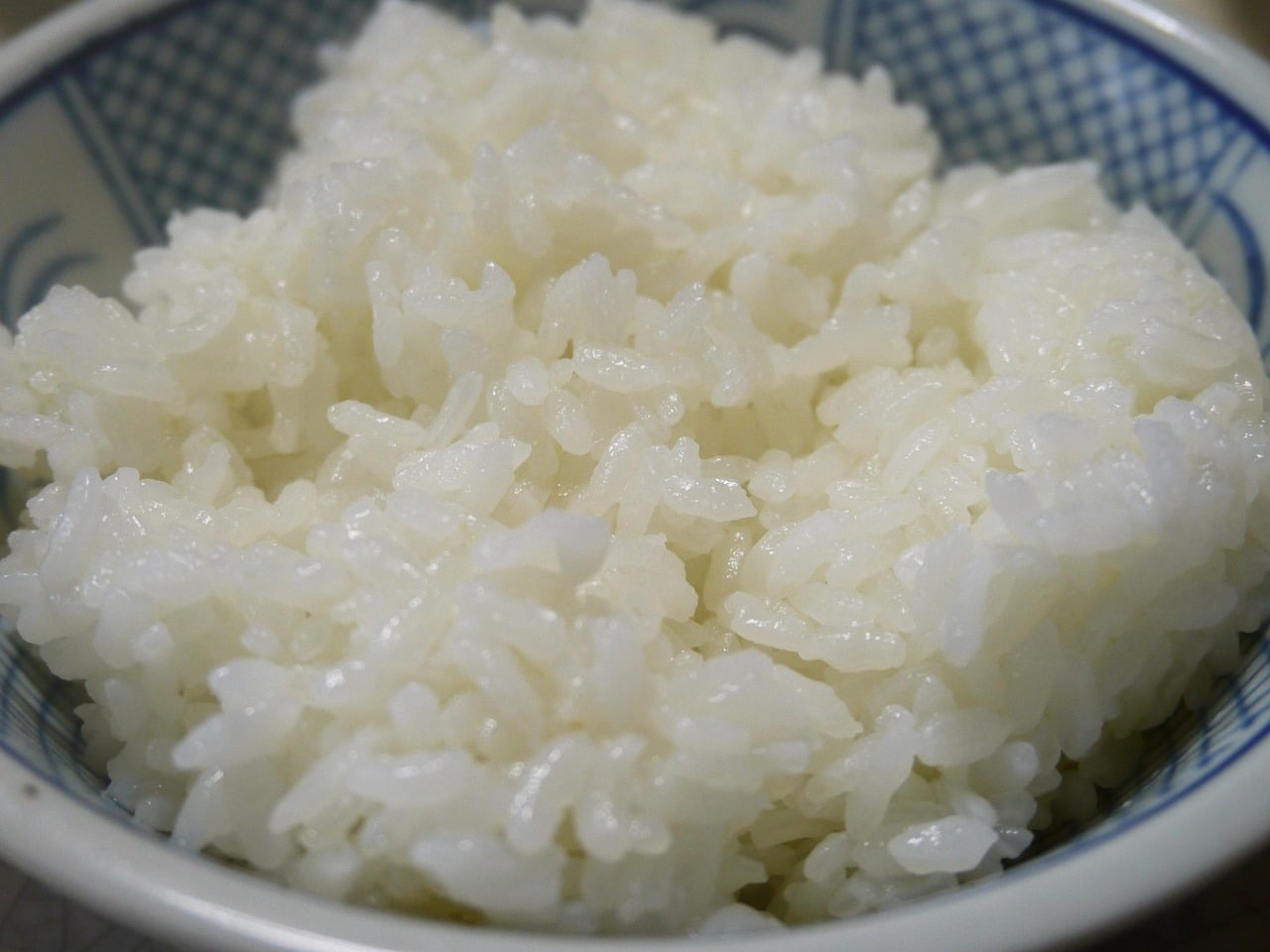
The first thing many people notice about jasmine rice is its aroma. This long grain rice, widely associated with Thailand, cooks up soft and slightly clingy, which makes it a practical choice for stir fries, curries, grilled meats, and simple rice bowls.
In Canadian kitchens, jasmine rice often becomes the bridge between convenience and comfort. It is stocked in major supermarkets, sold in both small and family sized bags, and simple to prepare in a pot or rice cooker. Its mild floral scent gives plain dinners a little more character without asking the cook to change much else.
It also works well with ingredients many Canadian households already use, from roast chicken to frozen vegetables. That adaptability helps explain why it often becomes the first step beyond standard long grain rice.
Short grain sushi rice
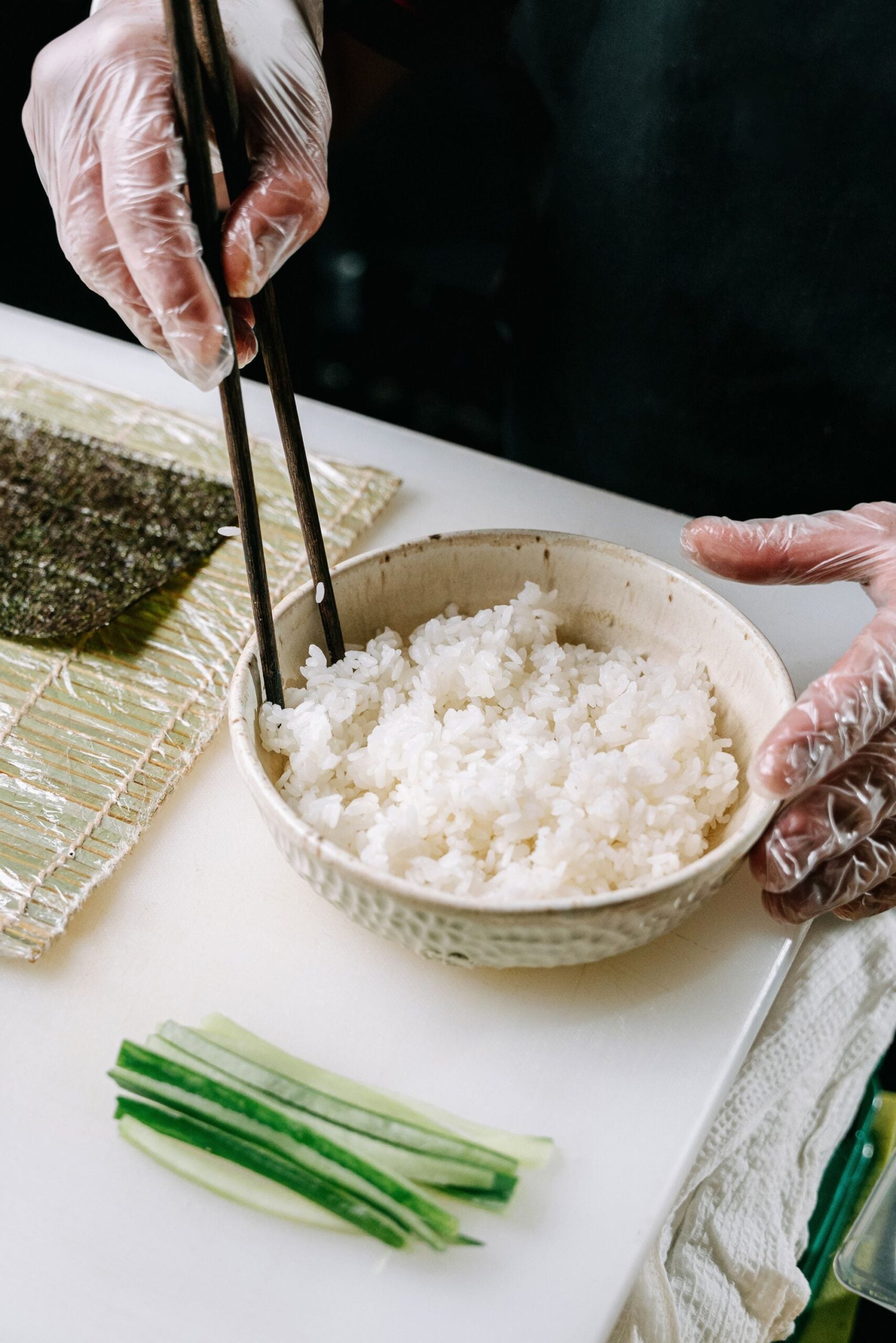
Short grain rice brings a different texture to the table. When cooked, the grains are tender and sticky, which is exactly why it holds together so well in sushi, onigiri, and rice bowls topped with fish, egg, or vegetables.
That texture has made it useful far beyond homemade sushi nights. In many Canadian homes, it is used for packed lunches, quick donburi style dinners, and even simple side dishes where a clingier rice is easier to eat with chopsticks or shape by hand. A seasoned batch with rice vinegar, sugar, and salt can turn leftovers into something that feels planned.
Because it is now easy to find in Asian grocers and many mainstream stores, this rice no longer feels specialized. It has become an everyday pantry option for cooks who care about texture as much as flavor.
Glutinous rice
Despite the name, glutinous rice does not contain gluten. The term refers to its sticky, chewy quality after cooking, which makes it stand out from other rice varieties and gives it a special role in many sweet and savory dishes across Asia.
In Canadian home kitchens, glutinous rice often appears in dishes that feel celebratory or deeply comforting. It is used for sticky rice with mango, zongzi, sweet rice desserts, and fillings wrapped in lotus leaf or other parcels. Its rich chew can also make a small serving feel substantial.
This is the kind of grain that invites weekend cooking. It usually needs soaking, and the texture matters, so people tend to make it when they want a dish with more intention. Even so, its appeal is growing as more cooks try recipes that go beyond standard steamed rice.
Rice vermicelli and broken rice
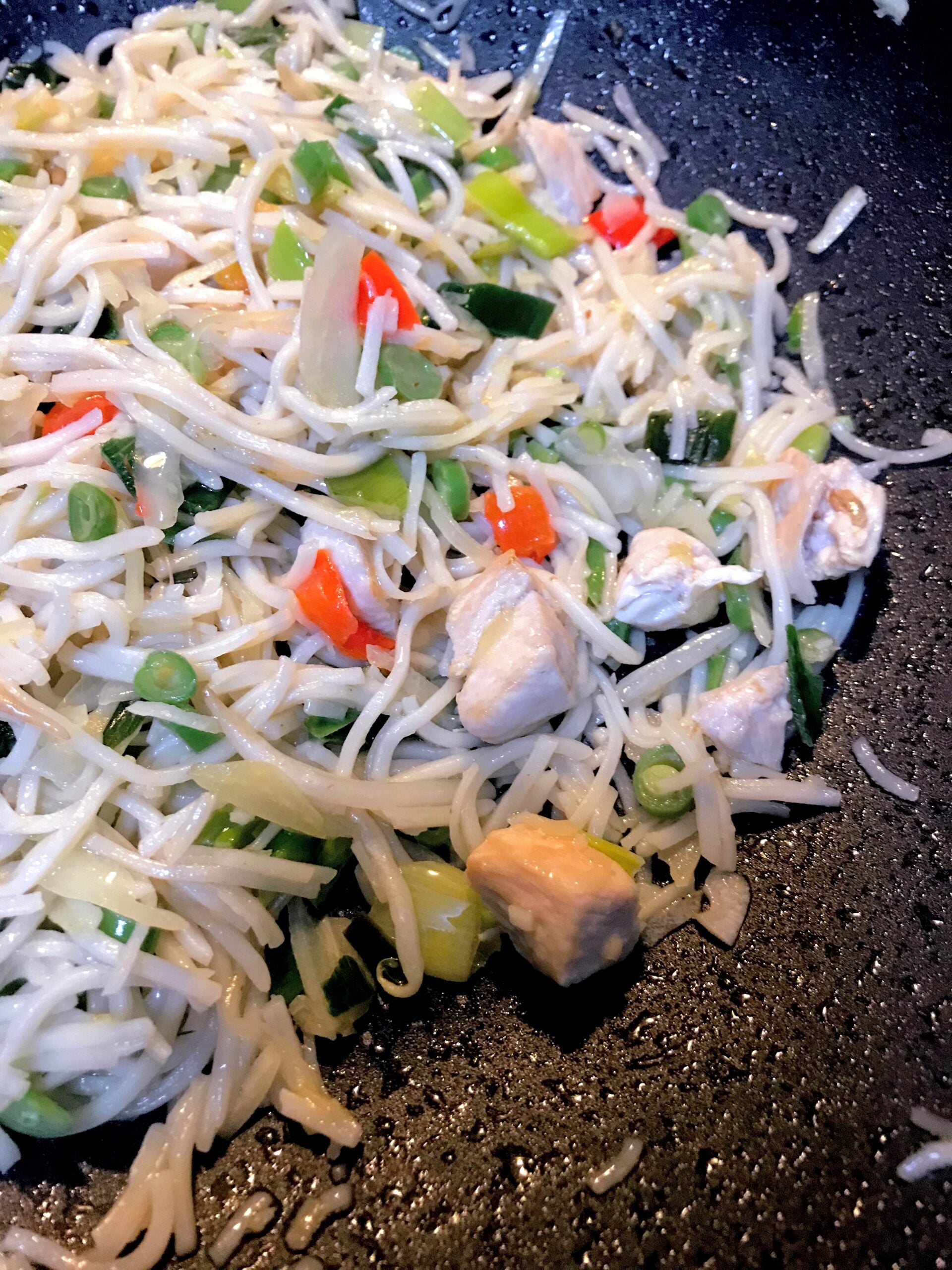
Some grains arrive in kitchens in less obvious forms. Broken rice and rice vermicelli both come from rice, yet they create very different meals and show how flexible this staple can be in everyday Canadian cooking.
Broken rice consists of fractured rice grains, often cooked as a soft, fluffy base for grilled meats, fried eggs, or pickled vegetables. It is especially well known in Vietnamese cooking. Because the grains are smaller, the texture can feel lighter, which some home cooks prefer for quick lunches and simple plated meals.
Rice vermicelli is technically a noodle, but it often enters the same pantry conversation because it is rice based and fast to prepare. In many households, it helps build cold noodle bowls, spring roll fillings, and soups with very little effort, making rice feel useful in more than one shape.
Millet
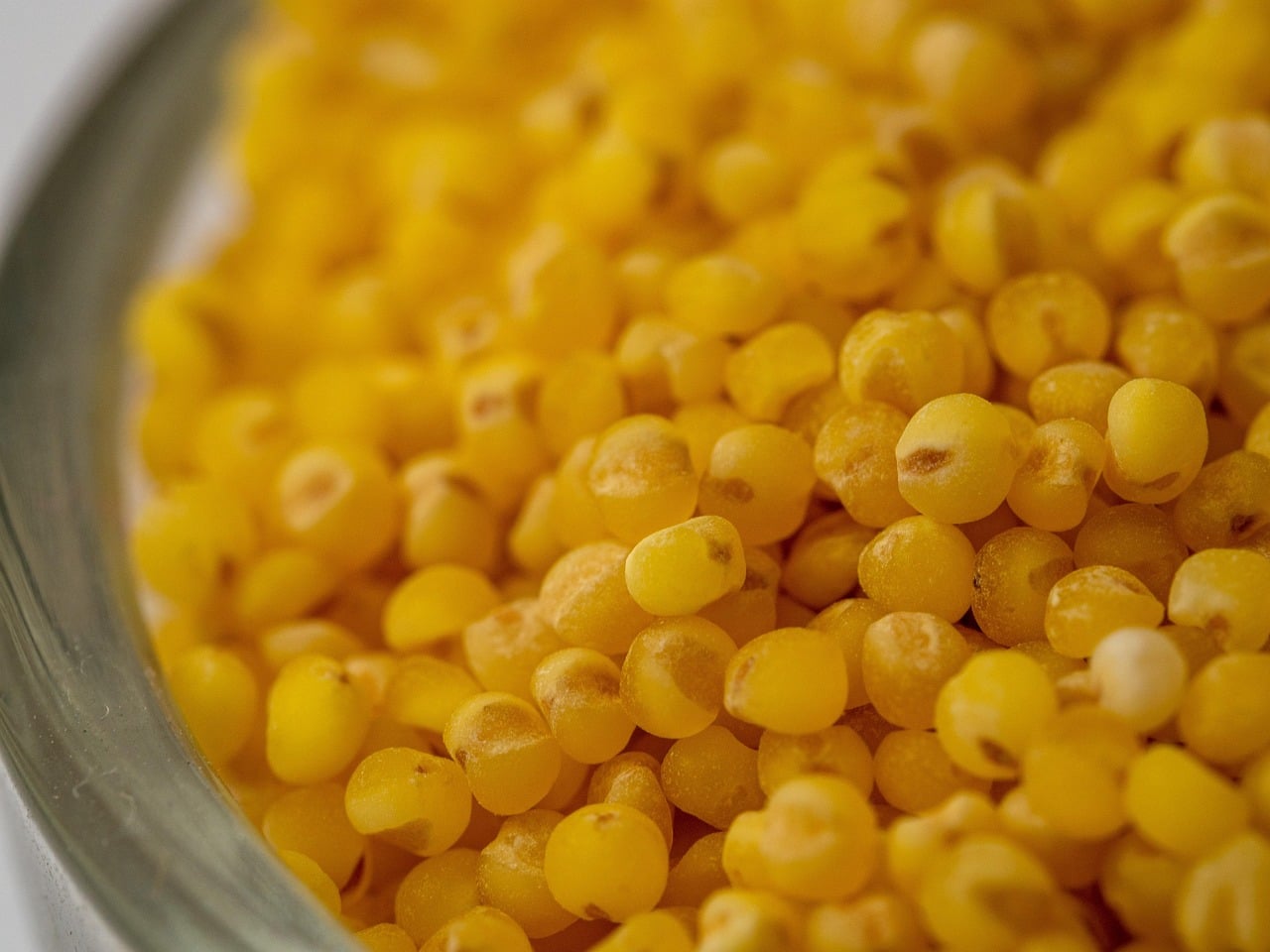
Millet has been a major grain in parts of India, China, and other parts of Asia for generations. In Canada, it is drawing attention from home cooks looking for grains that cook fairly quickly and bring a mild, nutty flavor to the table.
Its texture can shift depending on how it is prepared. Cooked with less water, millet stays fluffy and separate, almost like couscous. With more liquid, it softens into a porridge. That range makes it suitable for breakfast bowls, grain salads, or a side dish next to roasted vegetables and fish.
Millet also fits the way many people cook now, by mixing traditions rather than following one fixed style. A pot of millet can sit beside dal, replace rice under a stir fry, or be folded into a warm salad with herbs and squash.
Black rice
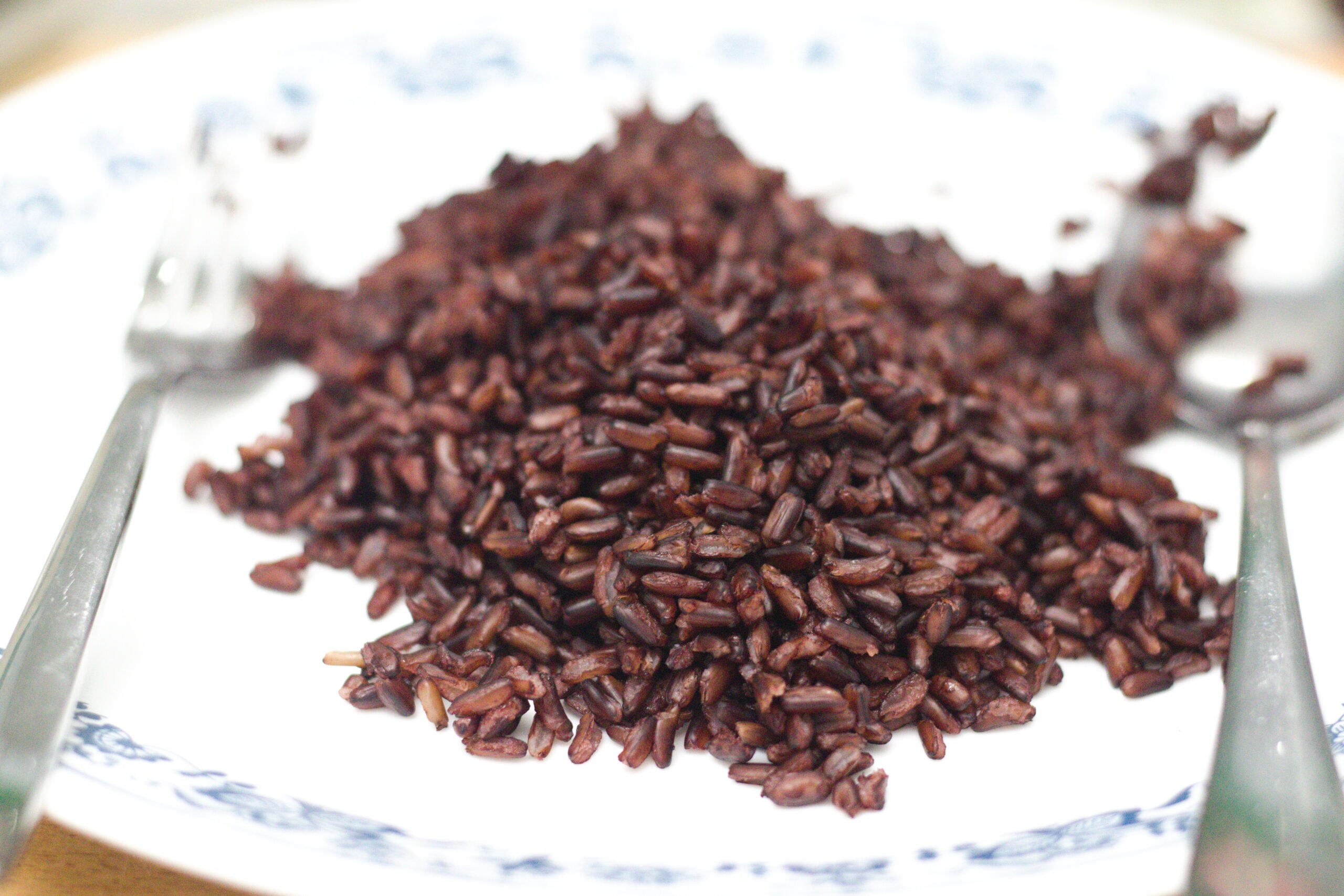
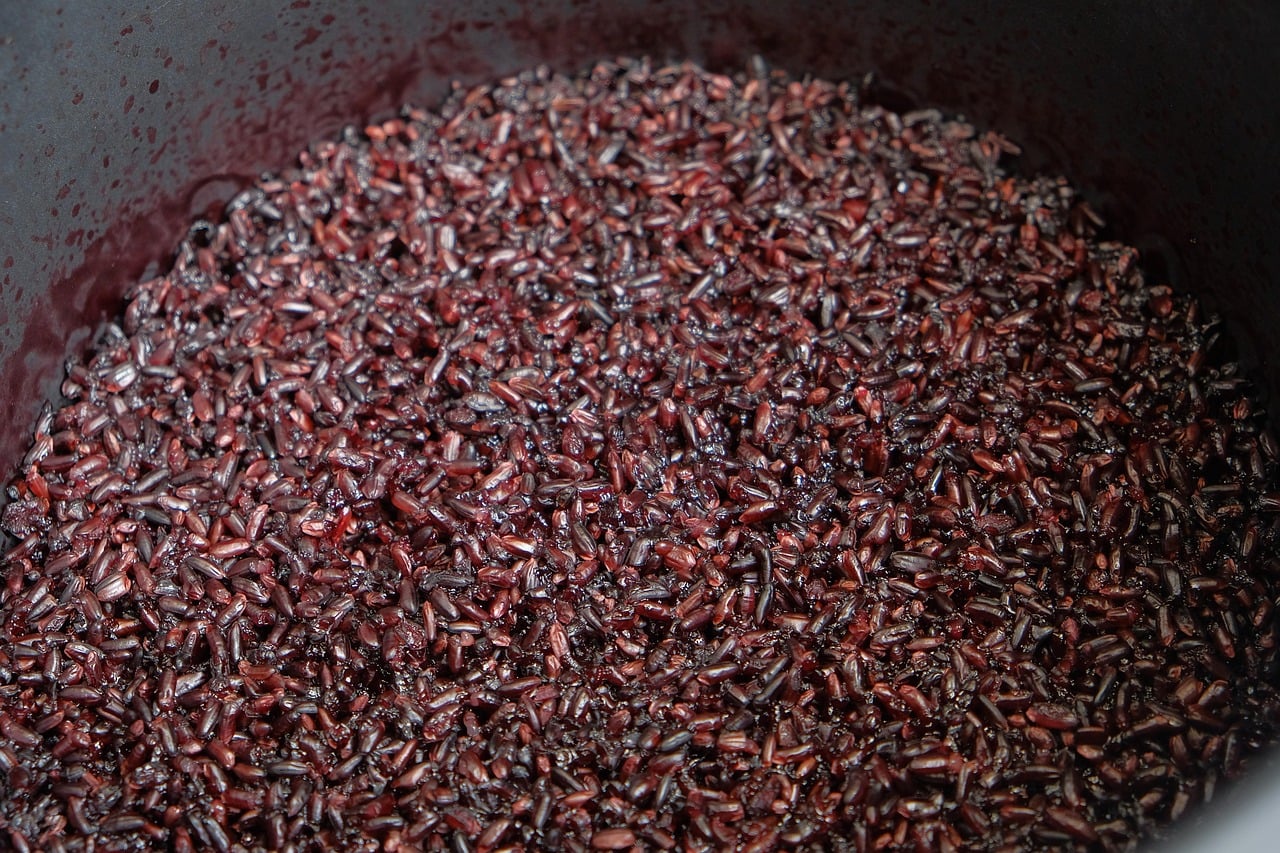
Black rice makes an immediate visual impression. Often called forbidden rice in retail packaging, it turns deep purple when cooked and brings a slightly nutty taste that can make even a simple bowl of grain feel more distinctive.
That dramatic colour helps it stand out in Canadian home cooking, especially in meals built for sharing or presentation. Mixed with white rice, it adds contrast without much extra work. Served under salmon, tofu, or roasted mushrooms, it gives familiar ingredients a different look and a firmer bite.
It is also one of the grains people often try after seeing it in restaurant dishes or social media recipes. Once cooked, it proves easier to use than it first appears, which is a big reason it earns repeat space in the pantry.
Job's tears
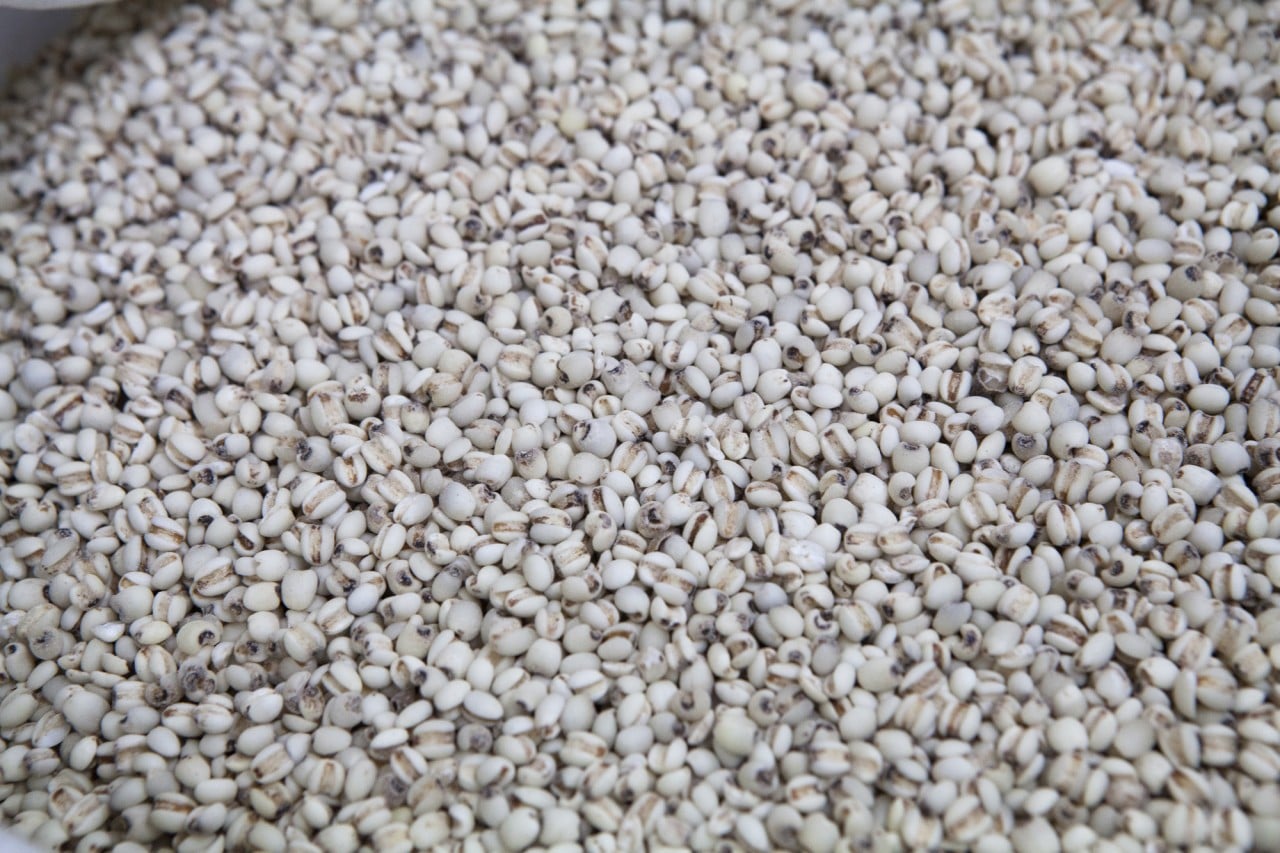
One of the lesser known grains in this group is Job's tears, also called adlay. Popular in parts of East and Southeast Asia, it has a firm, pleasing chew and is often used in soups, teas, porridges, and sweet preparations.
For Canadian cooks, Job's tears can feel new, but its uses are surprisingly approachable. It can be simmered into a mild porridge, added to brothy dishes, or combined with rice for more texture. The flavour is gentle, which makes it easier to pair with ingredients already familiar in home kitchens.
Its growing presence says something larger about how food habits change. A grain does not need to become mainstream overnight to matter. Sometimes it simply needs a place in one pot, one family meal, and then another.

Leave a Reply