
Breakfast in Canada has widened far beyond toast and cereal. Across major cities and suburbs, Asian morning dishes are gaining loyal followings because they are practical, flavorful, and often built for sharing, takeaway, or a quick start to the day.
Congee
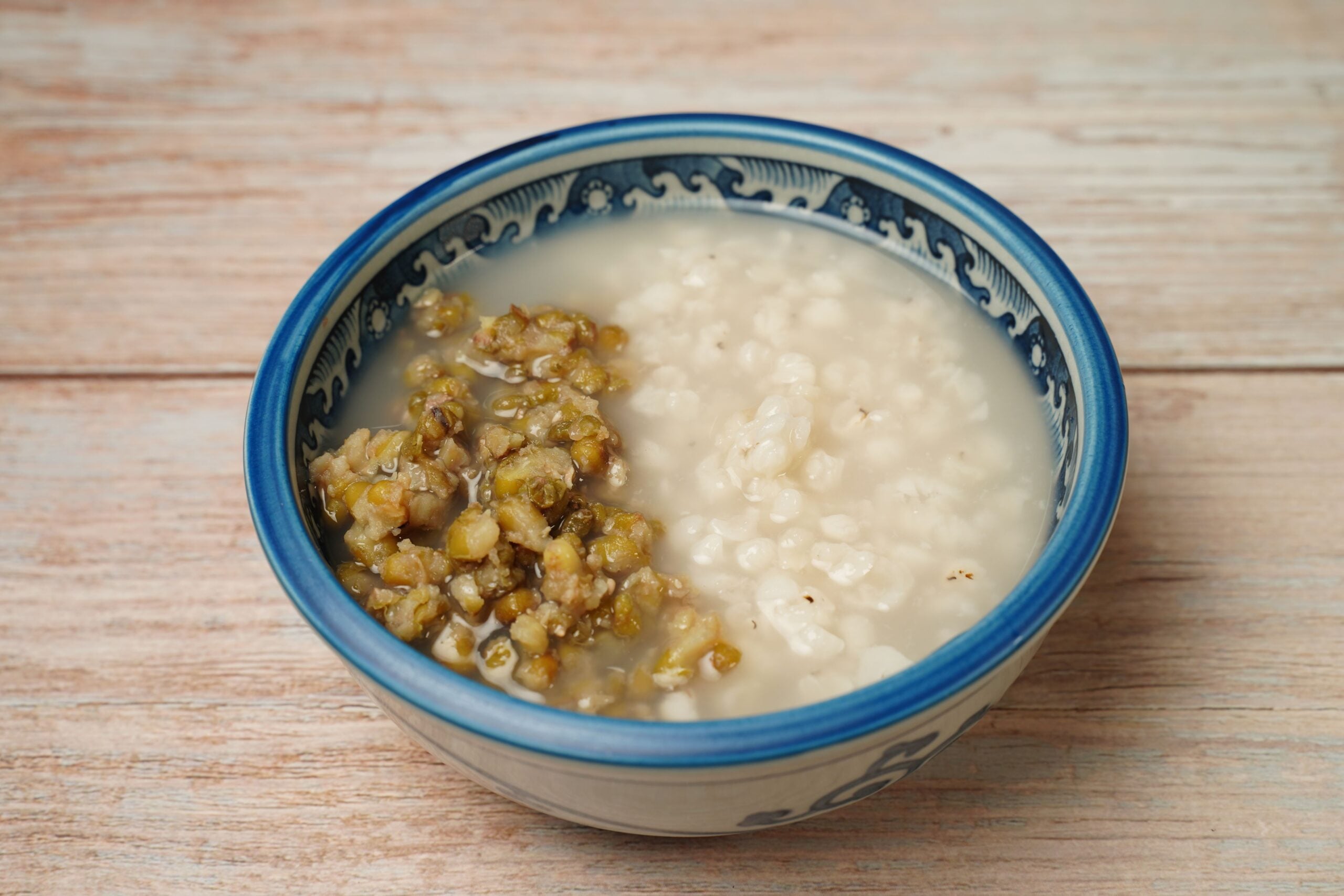
A bowl of congee wins people over with comfort first. This rice porridge, common in Chinese cooking and found in many regional styles across Asia, is gentle in texture but easy to customize, which helps explain its broad appeal in Canada.
In many Cantonese style restaurants, congee arrives plain or topped with sliced fish, minced pork, preserved egg, or fried dough sticks called youtiao. The porridge itself is made by simmering rice in extra water or stock until the grains break down into a silky base.
That flexibility matters. A diner who wants something mild can keep it simple with ginger and scallions, while someone else can choose bolder toppings. In a country with long winters, a hot breakfast that feels light but filling has obvious staying power.
Japanese breakfast set
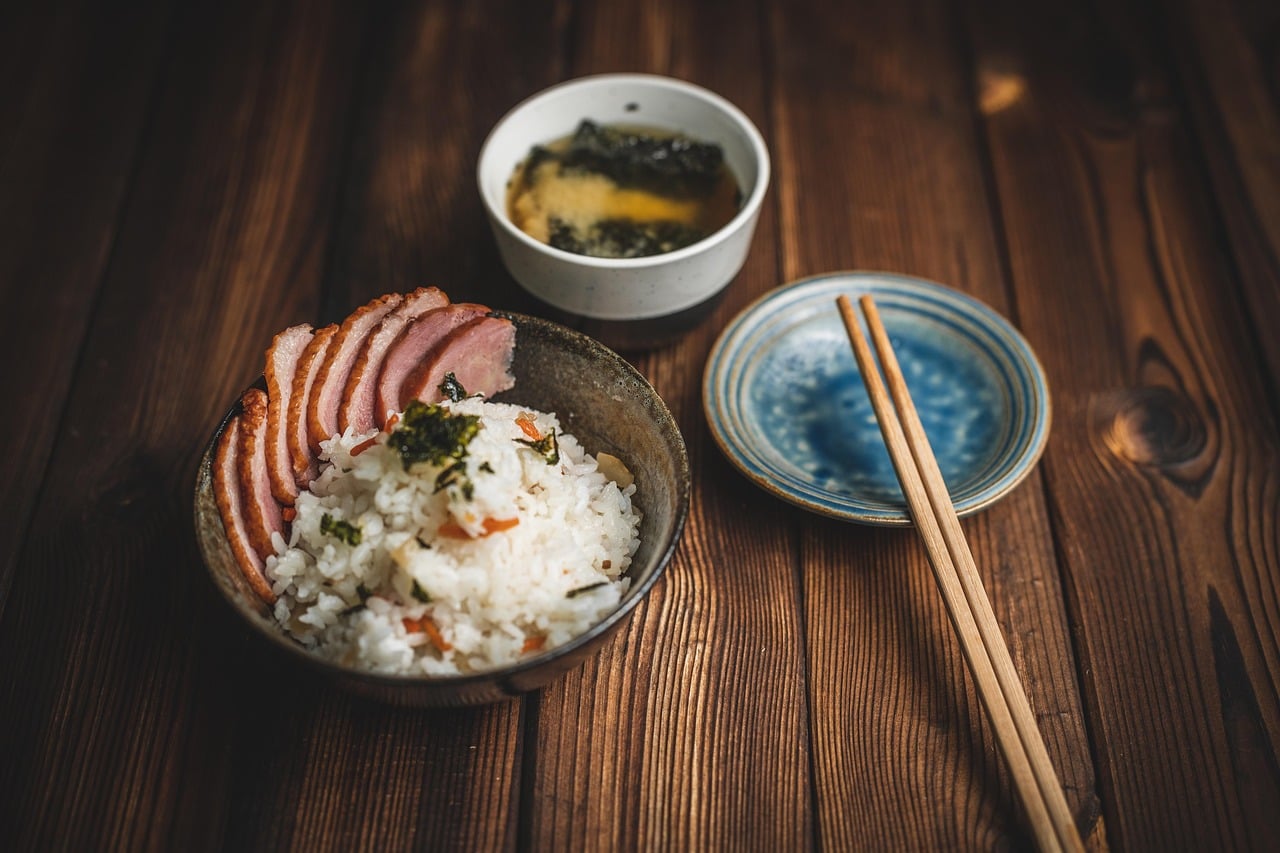
The Japanese breakfast set offers a very different idea of morning food. Instead of one central dish, it brings together several small components, often steamed rice, grilled fish, miso soup, pickles, and an egg, for a meal that feels balanced rather than heavy.
That structure fits modern eating habits surprisingly well. It gives protein, salt, soup, and starch in modest portions, which appeals to people looking for a savory breakfast that does not rely on sweetness. It also photographs beautifully, making it a natural fit for cafe menus and social media.
In Canada, versions of the set often appear in Japanese cafes and brunch spots, sometimes with local salmon or tamago, the slightly sweet rolled omelet. The appeal is not novelty alone. It is the calm, tidy satisfaction of a meal built from simple pieces.
Roti canai and curry
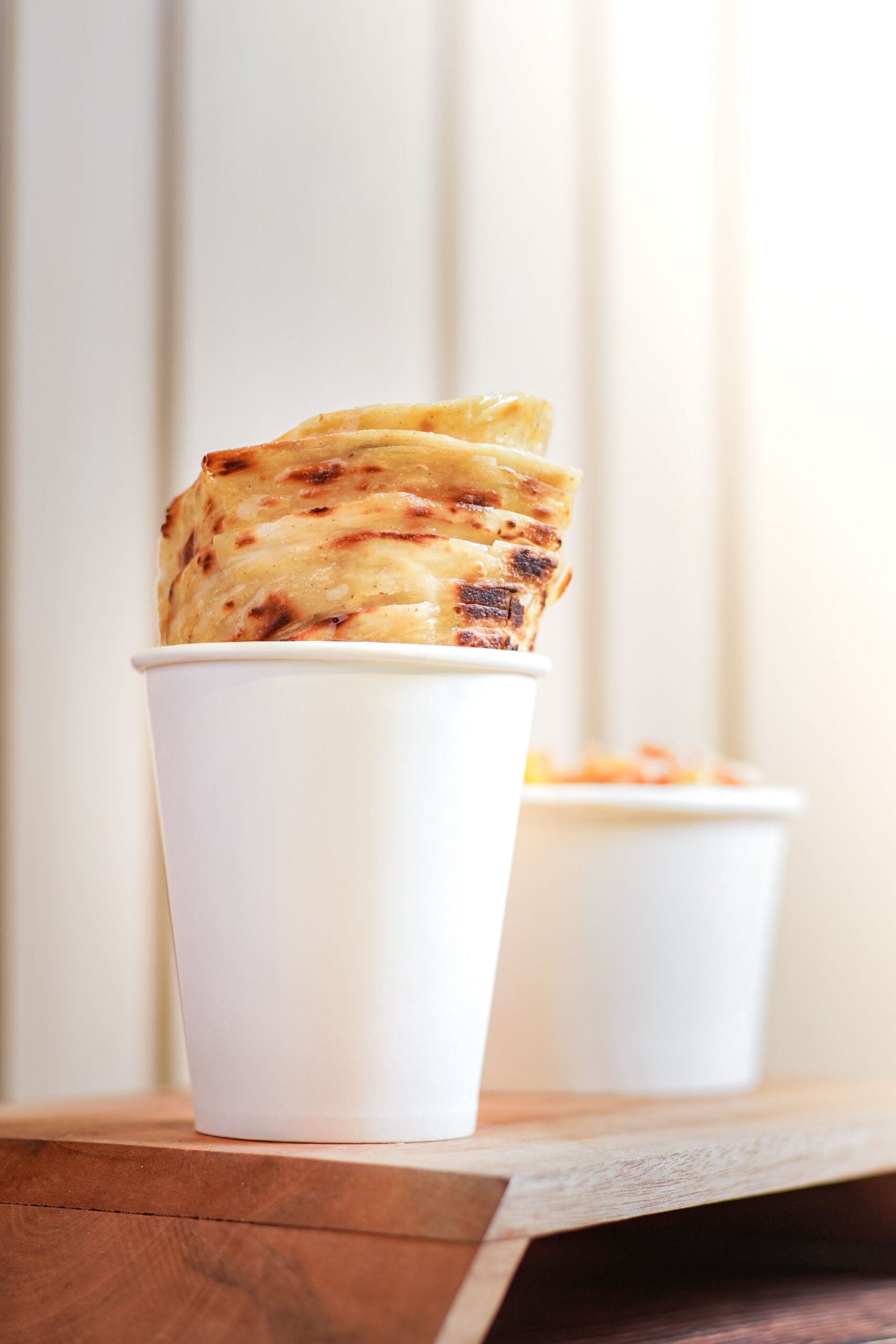
Roti canai has become a breakfast favorite for people who like texture as much as flavor. Popular in Malaysia and closely tied to South Asian culinary influence there, this flaky flatbread is cooked on a griddle until crisp at the edges and soft inside.
It is usually served with curry for dipping, often dhal or chicken curry, and that combination gives the meal its pull. You get buttery layers, warmth from the griddle, and a sauce that turns each torn piece into something richer. It is deeply hands-on and easy to share.
Canadian diners have embraced it in Malaysian restaurants and hawker style food halls, where the bread is often stretched and folded in full view. That visual element helps, but the real reason it sticks is simple. Few breakfasts are this satisfying for the price and effort.
Idli and sambar
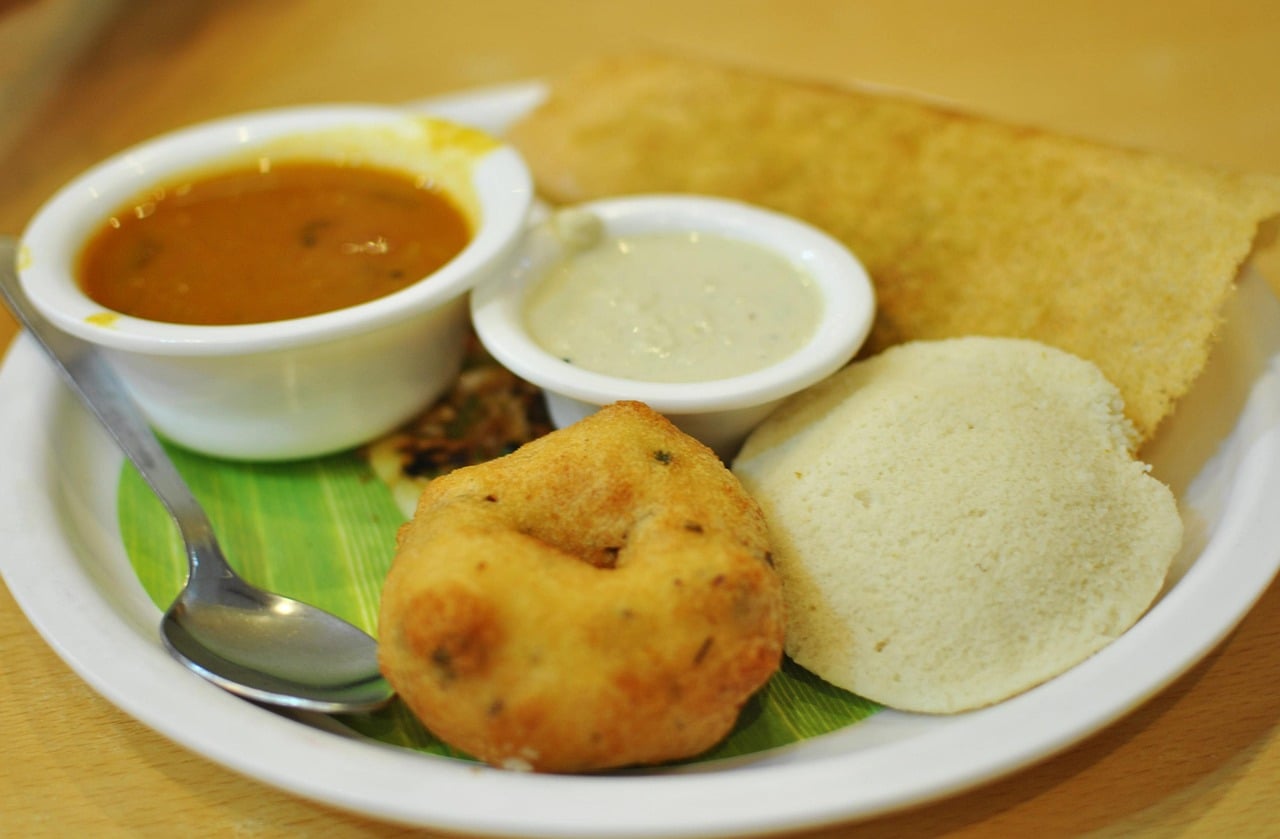
Idli makes a strong case for a lighter breakfast that still feels complete. These soft steamed cakes from South India are made from a fermented batter of rice and lentils, which gives them a gentle tang and a texture somewhere between airy and tender.
They are typically served with sambar, a lentil and vegetable stew, plus coconut chutney. That pairing turns a plain looking plate into a layered meal, with softness from the idli, spice and depth from the sambar, and a cool contrast from the chutney.
In Canada, idli has gained ground through South Indian restaurants and growing familiarity with regional Indian cooking beyond butter chicken and naan. It also suits busy mornings. The pieces are neat, easy to portion, and filling without leaving the heaviness some brunch dishes bring.
Banh mi op la
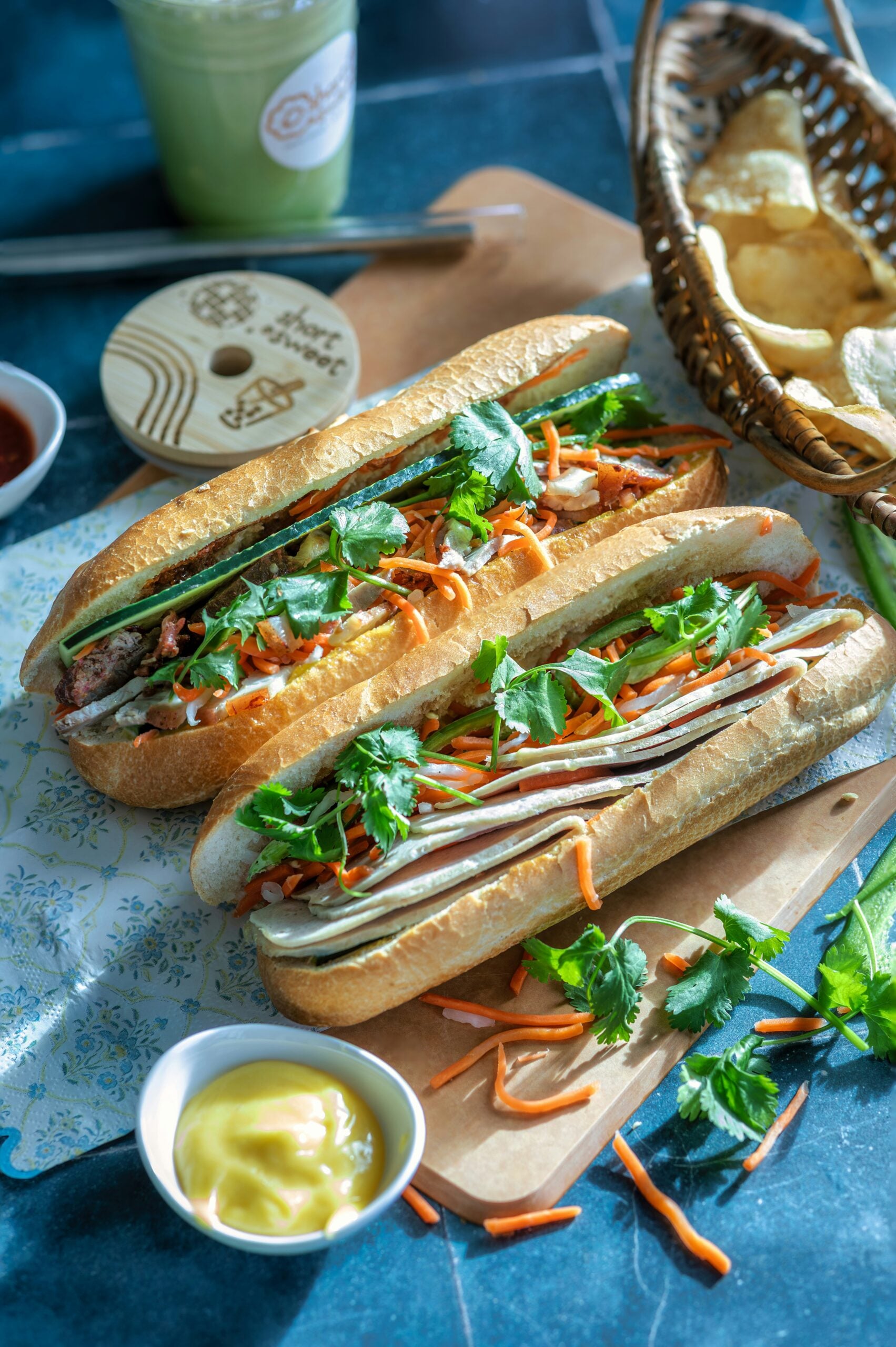
Vietnamese breakfast often proves that speed and substance can live in the same sandwich. Banh mi op la, a version topped with sunny side eggs and often paired with pate, cold cuts, pickled vegetables, and fresh herbs, turns a baguette into a full morning meal.
Its roots reflect Vietnam's long history of adapting French bread to local tastes. What makes it memorable is contrast, a crisp crust, rich egg yolk, savory fillings, bright herbs, and sharp pickles. Each bite shifts between crunch, fat, freshness, and heat.
That profile has translated especially well in Canada, where banh mi shops are common in urban neighborhoods. For commuters, it is portable and fast. For everyone else, it offers something many standard breakfasts do not, a meal with real intensity before noon.
Silog plates
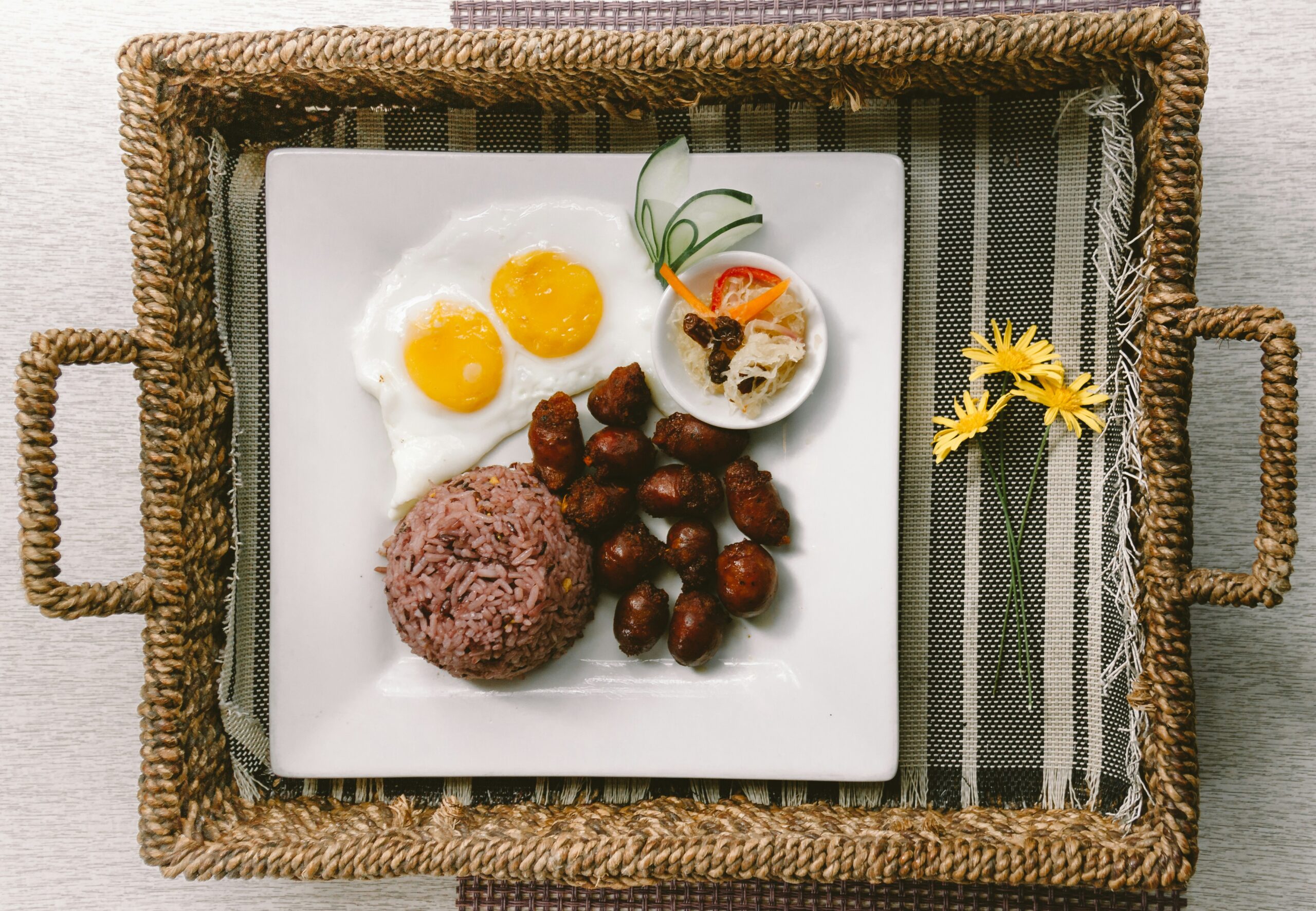
A silog plate is one of the most direct and satisfying breakfasts on this list. In Filipino cooking, the name combines sinangag, which is garlic fried rice, and itlog, which means egg. Add a cured or cooked protein, and the plate becomes a complete meal.
The best known versions include tapsilog with beef tapa, longsilog with longganisa sausage, and tocilog with sweet cured pork. The formula is simple, but it works because every part supports the next. Salty meat, fragrant rice, and a runny egg create a breakfast that feels generous and grounded.
In Canada, Filipino bakeries, turo turo counters, and neighborhood restaurants have helped bring silog to wider audiences. It is especially popular with diners who want breakfast to feel substantial. This is not a side of eggs. It is a full plate with purpose.
Soy milk and youtiao
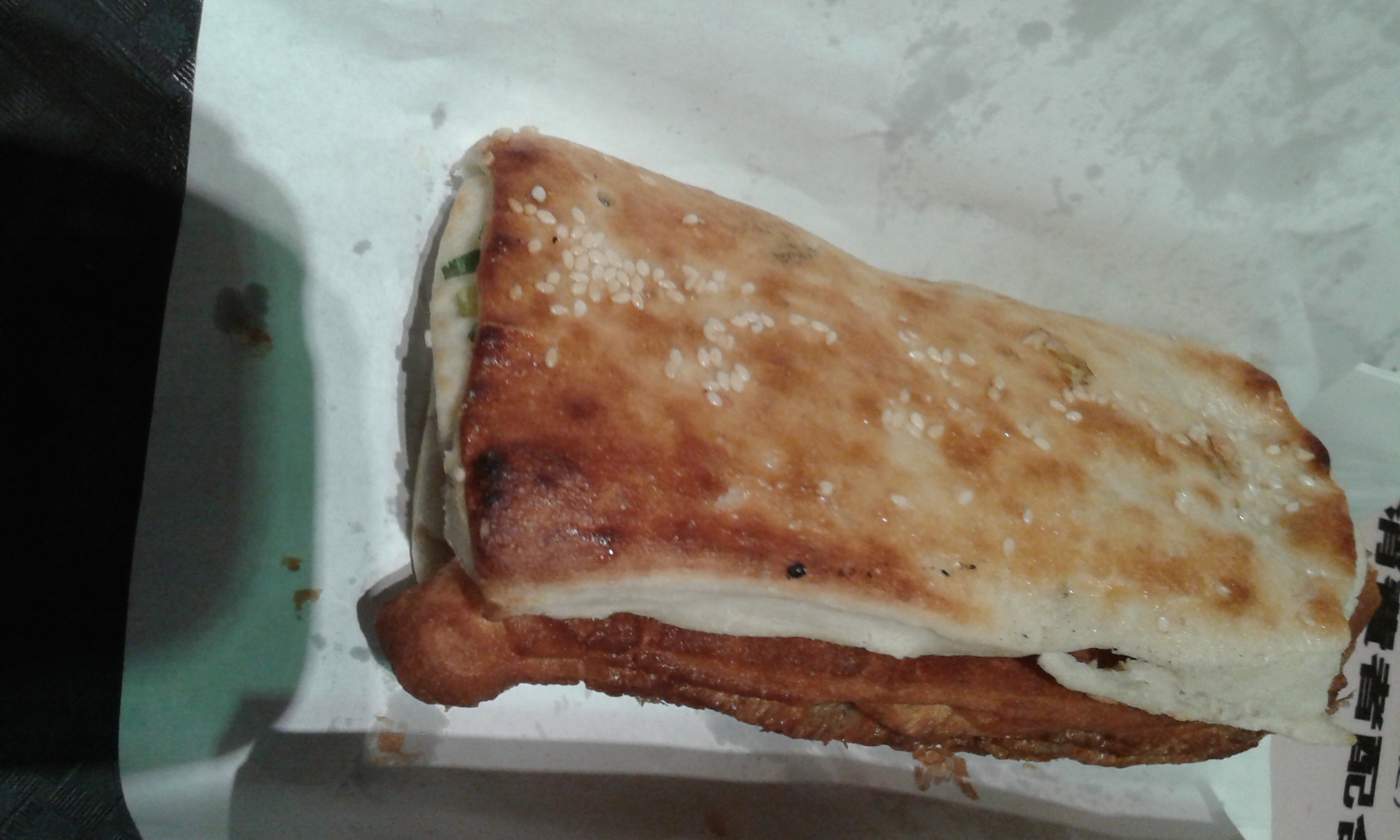
Some breakfasts become favorites because they fit the rhythm of real life. Soy milk and youtiao, a classic pairing in parts of China and Taiwan, is one of them. Fresh soy milk can be served sweet or savory, while youtiao brings a long, airy strip of fried dough.
The pairing works through contrast. Warm soy milk is smooth and mild, and the dough is crisp outside with a tender middle. Some people dip the youtiao into the drink for a softer bite, while others eat the two side by side for texture.
In Canada, this breakfast shows up in Chinese breakfast shops and Taiwanese spots, especially in larger metro areas. Its appeal is not flashy. It is familiar, efficient, and deeply comforting, which may be the clearest reason it has found a home here.

Leave a Reply