
Some food hacks spread because they save time. Others take off because they seem a little too clever, the kind of trick that makes a familiar snack or dinner taste much better with one small move. These seven ideas keep resurfacing online because they are easy to photograph, simple to try, and rooted in basic cooking logic.
Ice cream with olive oil and salt

This hack sounds wrong until the first bite. A small pour of extra virgin olive oil over vanilla ice cream, finished with flaky salt, has become a repeat favorite in home kitchens and restaurant desserts alike.
The reason it works is contrast. Good olive oil adds fruitiness, peppery notes, and richness, while salt sharpens sweetness and makes the dairy taste fuller. Many cooks use vanilla because it acts like a blank canvas.
Texture matters too. The cold ice cream firms the oil slightly, so each spoonful gets a silky layer instead of a greasy one. A finishing salt such as Maldon keeps a light crunch, which is part of the appeal in photos and in the bowl.
Mayo on grilled cheese

Few hacks get stronger reactions than swapping butter for mayonnaise on the outside of grilled cheese. Yet this trick keeps circulating because it browns bread evenly and can be easier to spread straight from the refrigerator.
Mayonnaise is mostly oil, plus egg yolk and a little acid, so it helps the bread toast deeply while staying crisp. Butter still brings its own flavor, but mayo often gives beginners more control in the pan because it coats the surface so evenly.
The result is less about tasting mayonnaise and more about texture. In many side by side tests from food publications and home cooks, the sandwich comes out with a uniform golden crust and good crunch, especially on standard sandwich bread.
Pasta finished in the sauce

One of the internet's smartest pasta hacks is also one of the oldest professional techniques. Instead of draining pasta completely and topping it with sauce, cooks transfer it slightly underdone straight into the pan and finish it there with a little pasta water.
That cloudy water contains starch released during boiling. When stirred into the sauce, it helps the fat and liquid come together into a glossy coating that clings to noodles instead of pooling at the bottom of the bowl.
This is why restaurant pasta often tastes more cohesive than a rushed weeknight version. The noodles absorb some of the sauce as they finish cooking, so the final dish tastes seasoned throughout rather than dressed at the last second.
Frozen grapes with gelatin powder
Glen Carrie/Unsplash

This snack hack looks almost cartoonish, which helps explain its online staying power. Grapes are rinsed, left slightly wet, tossed with flavored gelatin powder, and frozen until firm for a candy-like bite.
The biggest draw is texture. Freezing turns grapes into a slushy, sorbet-like snack, while the powder adds bright flavor and a colorful coating that shows up well in videos and photos. It is simple, cheap, and easy to portion.
There is also a practical side. Because grapes are naturally sweet and small, the hack gives people a make-ahead freezer snack that feels more indulgent than plain fruit. The key is serving them straight from the freezer before they soften too much.
Pickle juice in fried chicken marinade

Some hacks go viral because they sound like a restaurant secret. Marinating chicken in pickle brine is one of them, and it remains popular because it adds seasoning with almost no extra prep.
Pickle juice usually brings salt, water, vinegar, and the flavors used in the brine, often dill, garlic, or spices. Salt helps meat retain moisture during cooking, while the tangy liquid seasons the surface and can complement a crunchy coating.
This trick is best used with balance. A brief marinade can add zip and savoriness, but too much time in a strong acidic brine can push the flavor too far or affect texture. Used carefully, it creates fried chicken with punchy flavor and real character.
Brown sugar on bacon
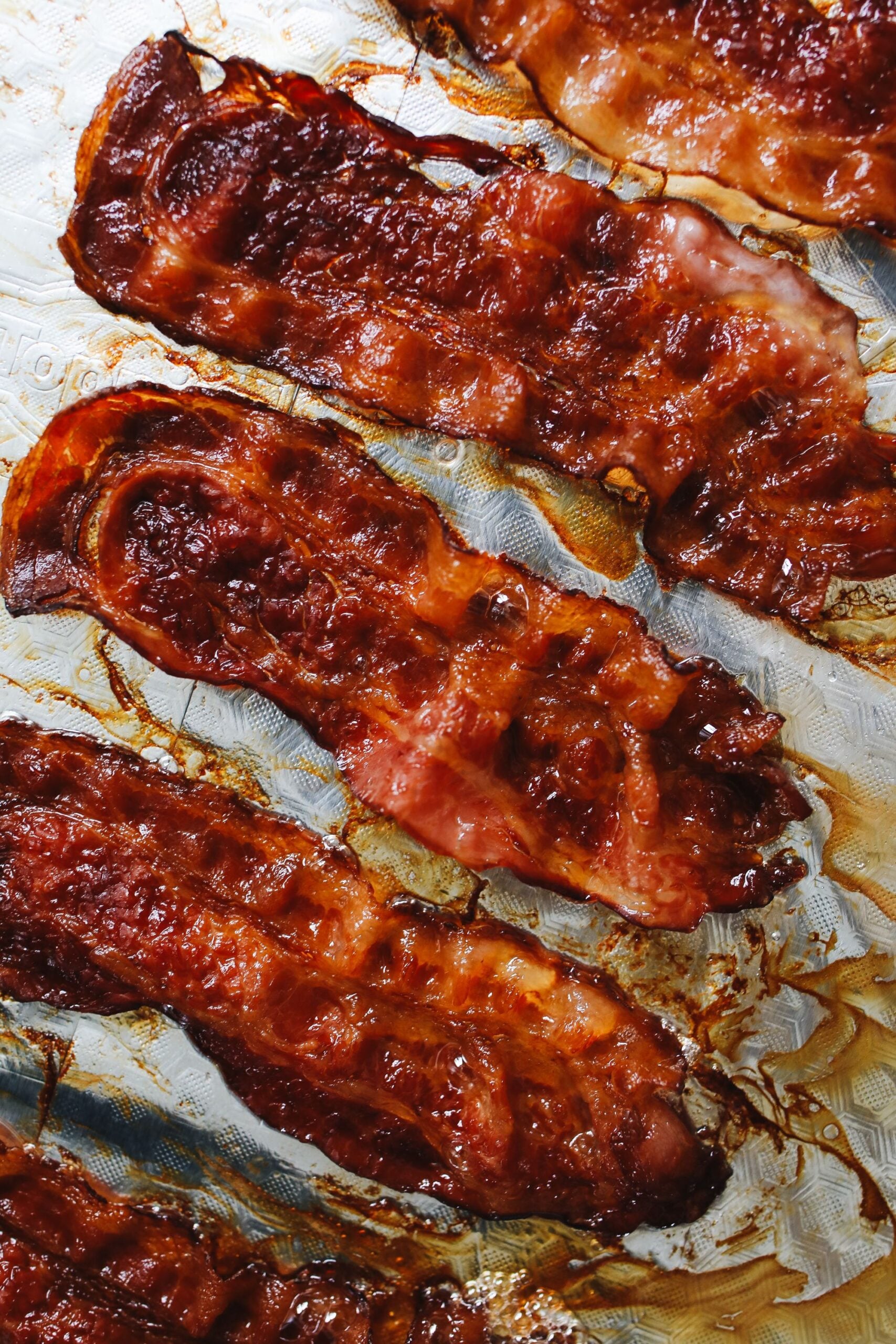
Internet bacon hacks tend to chase one thing, better contrast. A light coating of brown sugar before baking gives strips a glossy surface and a mix of salty, smoky, and sweet notes that people immediately recognize as more dramatic than plain bacon.
In the oven, the sugar melts and helps the exterior caramelize. That can deepen color and create crisp edges, especially when the bacon is cooked on a rack so the fat can drip away as heat circulates.
The trick works because it amplifies what bacon already does well. Sugar rounds out smoke and salt, and the sticky finish photographs beautifully. It is a small addition, but it turns a breakfast staple into something that feels closer to candied bacon.
Peanut butter in instant ramen
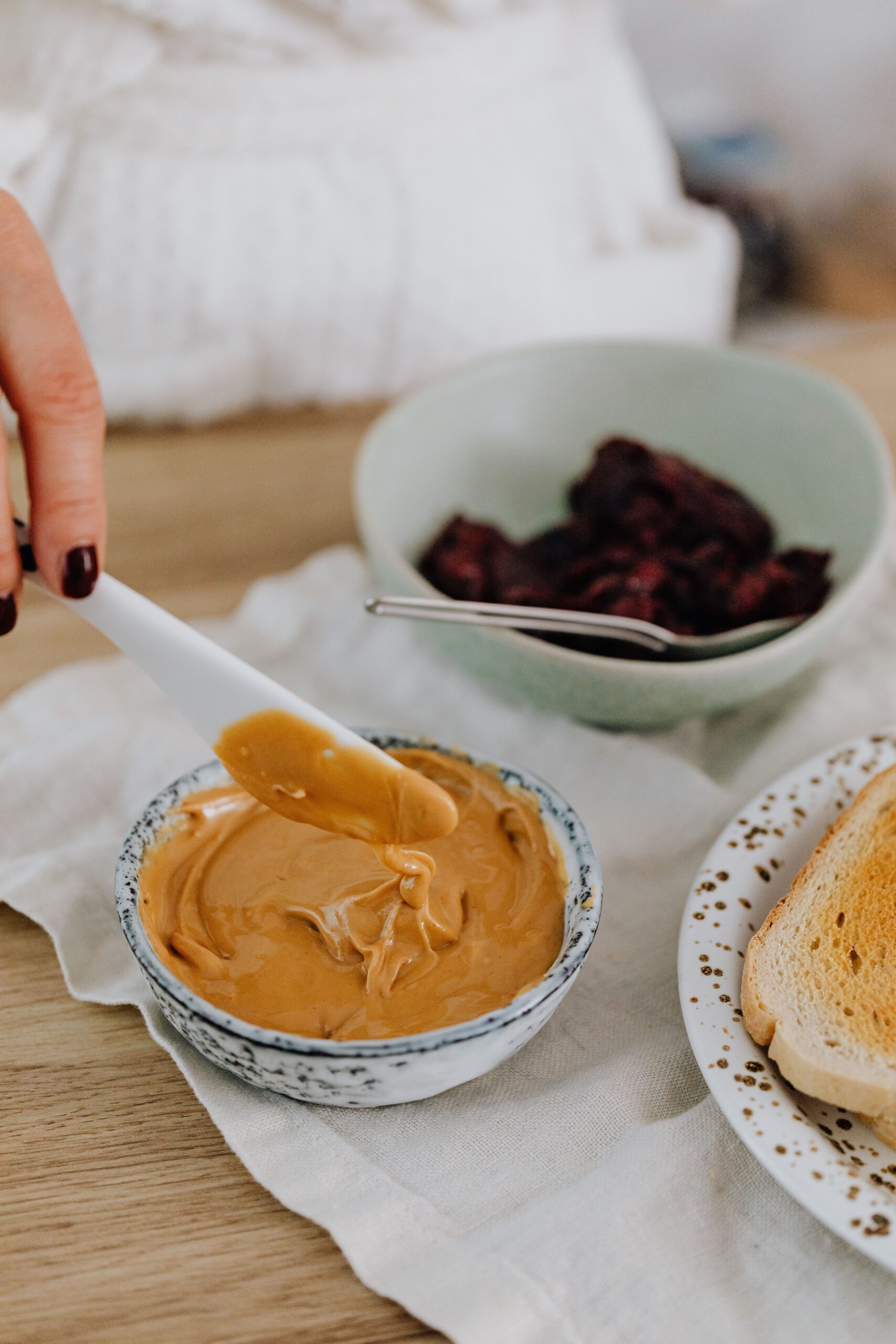
This is the kind of pantry hack that sounds improvised but has real culinary logic. Stirring a spoonful of peanut butter into instant ramen broth creates a richer, creamier bowl with more body in minutes.
Peanut butter contributes fat, roasted flavor, and thickness, which can make a thin seasoning packet taste more complete. Many home cooks pair it with chili crisp, soy sauce, lime juice, or a soft egg to push the bowl closer to a quick peanut noodle soup.
Its staying power online comes from accessibility. Instant ramen is inexpensive and widely available, and peanut butter is already in many kitchens. Together they produce a fast upgrade that feels surprisingly substantial, which is exactly the kind of trick the internet loves.


Leave a Reply