
Canada's food culture did not grow from refinement alone. Some of its strangest, most beloved traditions began when somebody took a risk, made a mistake, or simply decided to see what would happen.
Yellow snow ice cream and the prairie taste for maple-on-snow
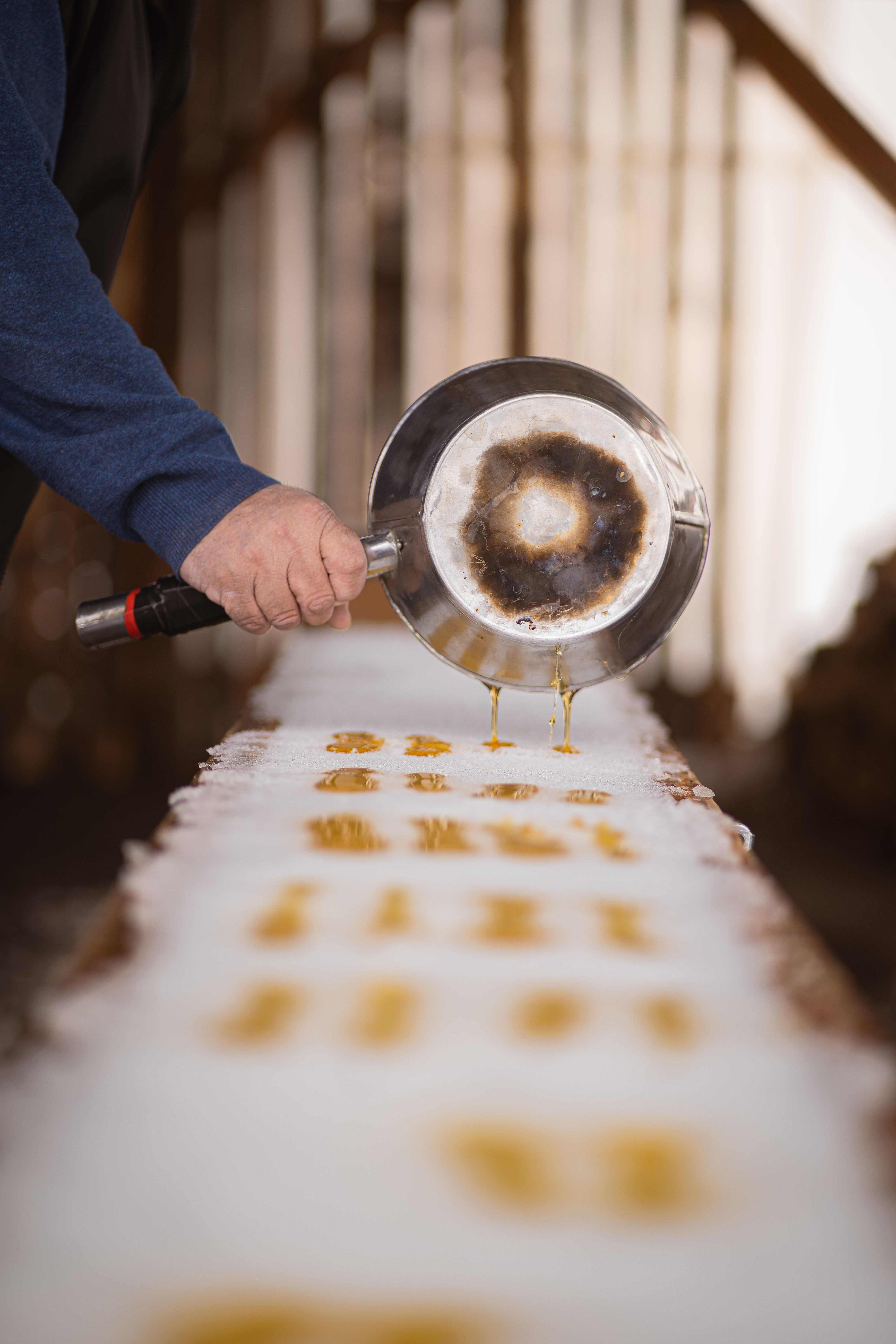
It sounds like a prank because, in many families, it was one. Across parts of rural Canada, especially in sugar bush country, children were warned about "yellow snow" and then introduced to the safe version: hot maple syrup poured over clean fresh snow to make a chewy candy.
The tradition has deep roots in Quebec and eastern Ontario, where cabanes à sucre turned spring thaw into a seasonal ritual. What may have started as a playful challenge for kids became a serious regional custom, with syrup cooled instantly by packed snow and rolled onto sticks.
Food historians often point out that this is also a lesson in climate shaping cuisine. You need late-winter snow, boiling syrup, and a culture that treats seasonal abundance as celebration. The dare-like joke survived because the result is genuinely excellent, and because communities built festivals around it.
The Caesar, born when a bartender improvised under pressure
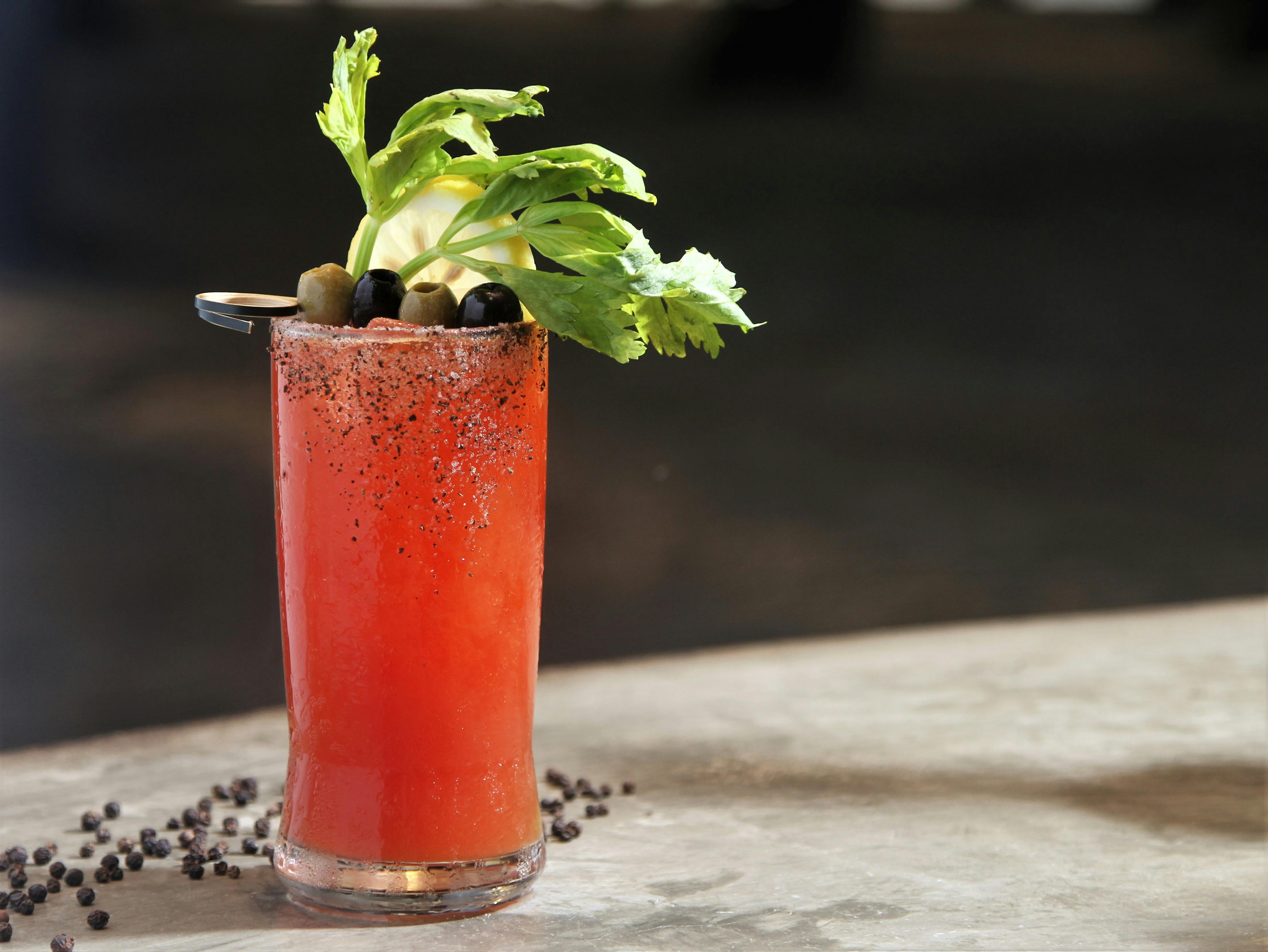
Few drinks feel more Canadian than the Caesar, yet it began with a classic hospitality scramble. In 1969, Calgary bartender Walter Chell was tasked with creating a signature cocktail for a new Italian restaurant and drew inspiration from spaghetti alle vongole, especially the briny character of clam sauce.
His solution was unusual enough to sound like a bar bet: mix vodka, Worcestershire, hot sauce, and a new clam-and-tomato base. By most conventional standards, clam juice in a cocktail looked like an accident waiting to happen. Instead, it became one of the country's defining drinks.
The Caesar endured because it hit several tastes at once: savory, spicy, salty, and refreshing. Restaurants later pushed the tradition into spectacle with extreme garnishes, from pickles and bacon to mini burgers. What began as quick improvisation is now a ritual at brunches, hockey lounges, and airport bars nationwide.
Newfoundland toutons, when leftover dough became breakfast gold

Scarcity often creates the most lasting traditions, and toutons are a perfect example. In Newfoundland and Labrador, cooks with bread dough left over from the previous day flattened pieces and fried them in pork fat or butter, producing a hot, crisp-edged breakfast that felt richer than the ingredients suggested.
There was no glamour in the origin story. This was thrift cooking in isolated communities where wasting flour, yeast, or fuel made little sense. Yet the accidental byproduct of breadmaking developed its own identity, especially when served with molasses, syrup, or baked beans.
Culinary researchers who study Atlantic foodways often describe toutons as a record of household economics. They show how cooks converted remnants into comfort. Today, they appear on restaurant menus as heritage fare, but their power still comes from that first practical decision to rescue dough rather than discard it.
Saskatoon berry pie, elevated by foragers who used what was there

Not every accident happens in a kitchen. Sometimes it begins in the landscape. Long before prairie settlement standardized recipes, Indigenous communities harvested saskatoon berries for fresh eating, pemmican, and preservation. Later newcomers, unfamiliar with the fruit at first, often used it simply because it was abundant and close at hand.
That practical choice evolved into one of the Prairie West's signature desserts. Settler cooks discovered that saskatoons held their shape better than many softer berries and delivered an almond-like depth from their seeds. In regions where imported fruit was expensive or seasonal, local berries became the obvious answer.
What looks rustic is actually highly adaptive cooking. Historians of western agriculture note that prairie food traditions often emerged from environmental necessity rather than culinary fashion. Saskatoon pie lasted because it solved a problem, tasted distinctive, and connected generations to berry-picking seasons that still define summer across the region.
Pineapple on pizza in Ontario, the happy accident that sparked a global fight
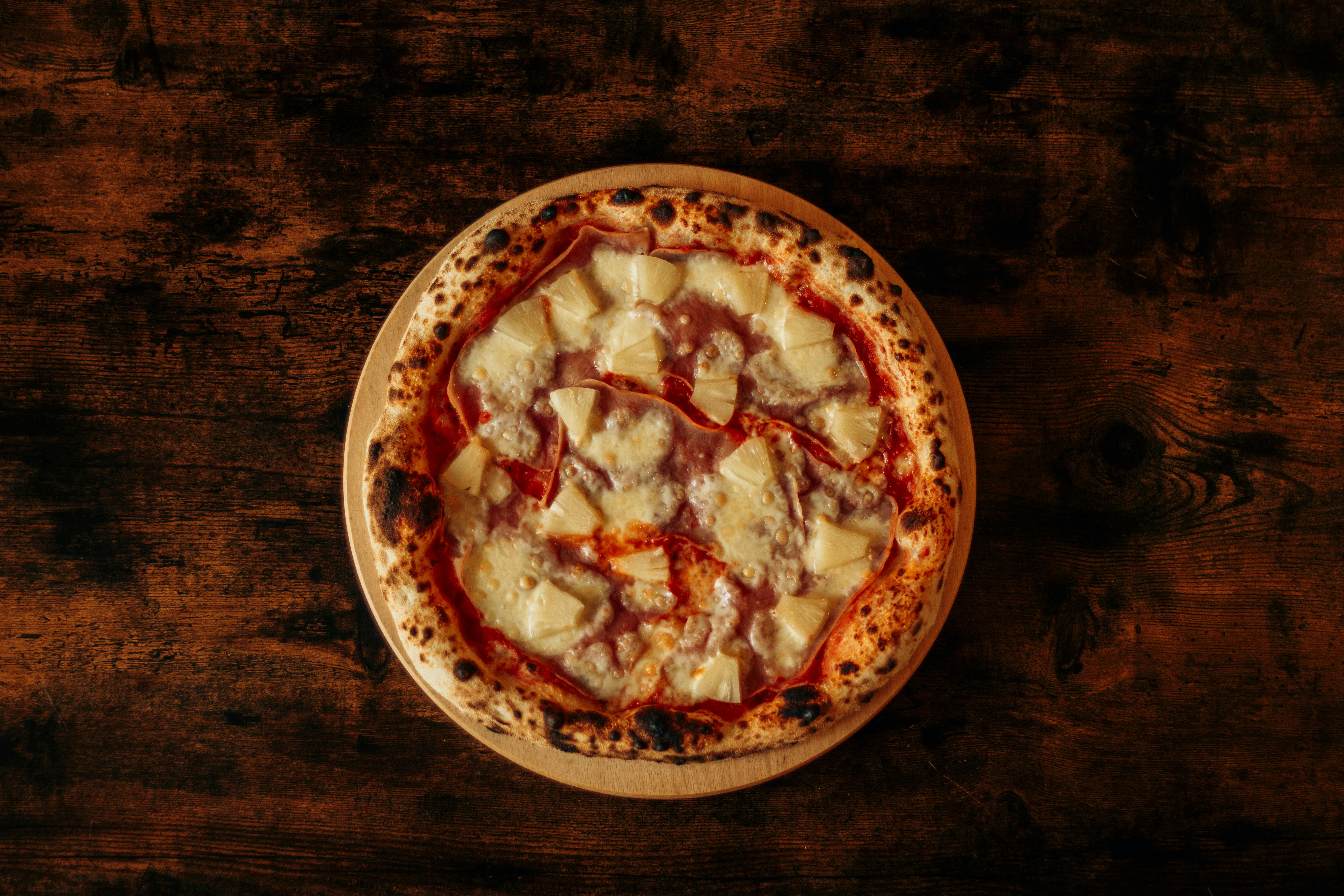
One of the most argued-over foods in the world has a Canadian origin story, and it started almost casually. In 1962, Sam Panopoulos, a Greek immigrant running the Satellite Restaurant in Chatham, Ontario, began experimenting with toppings after noticing that North American diners were growing curious about mixed sweet-savory combinations.
Adding canned pineapple to pizza was not a sacred culinary act. It was closer to a test, perhaps even a mild provocation, inspired by the era's fascination with tiki flavors and convenience ingredients. The pizza was named Hawaiian after the brand of canned pineapple, not because of any traditional island recipe.
Its staying power came from contrast. Salt from ham, sweetness from fruit, acid from pineapple juice, and melted cheese created a combination people remembered immediately. Decades later, chefs still debate it, but the broader lesson is clear: a throw-it-on-and-see experiment from Ontario permanently changed global fast food.
Klondike sourdough, where frontier neglect became a badge of pride

In the Yukon, "sourdough" came to mean more than bread. During the Klondike Gold Rush, prospectors relied on fermented starter because commercial yeast was unreliable, expensive, and often unavailable in remote camps. What might have seemed like neglect, letting flour and water turn lively on their own, became a survival method.
Miners guarded starters carefully, sometimes even sleeping with them to keep them from freezing. The practice sounds half practical and half absurd, which is exactly why it took on mythic status in northern storytelling. A camp's bread quality could depend on the health of that bubbling culture.
Over time, sourdough stopped being just a baking technique and became a regional identity marker. In Yukon tourism, heritage events, and local menus, it still signals endurance and improvisation. The accidental science of wild fermentation gave Canada one of its most rugged food traditions, born from hardship and carried forward with pride.



Leave a Reply