A loaf from the grocery store can be perfectly good, but it rarely has that irresistible just-baked appeal. The good news is that a few smart kitchen moves can revive texture, boost aroma, and make everyday bread feel far more special. These simple methods are fast, low-effort, and designed for real life.
Warm It in the Oven
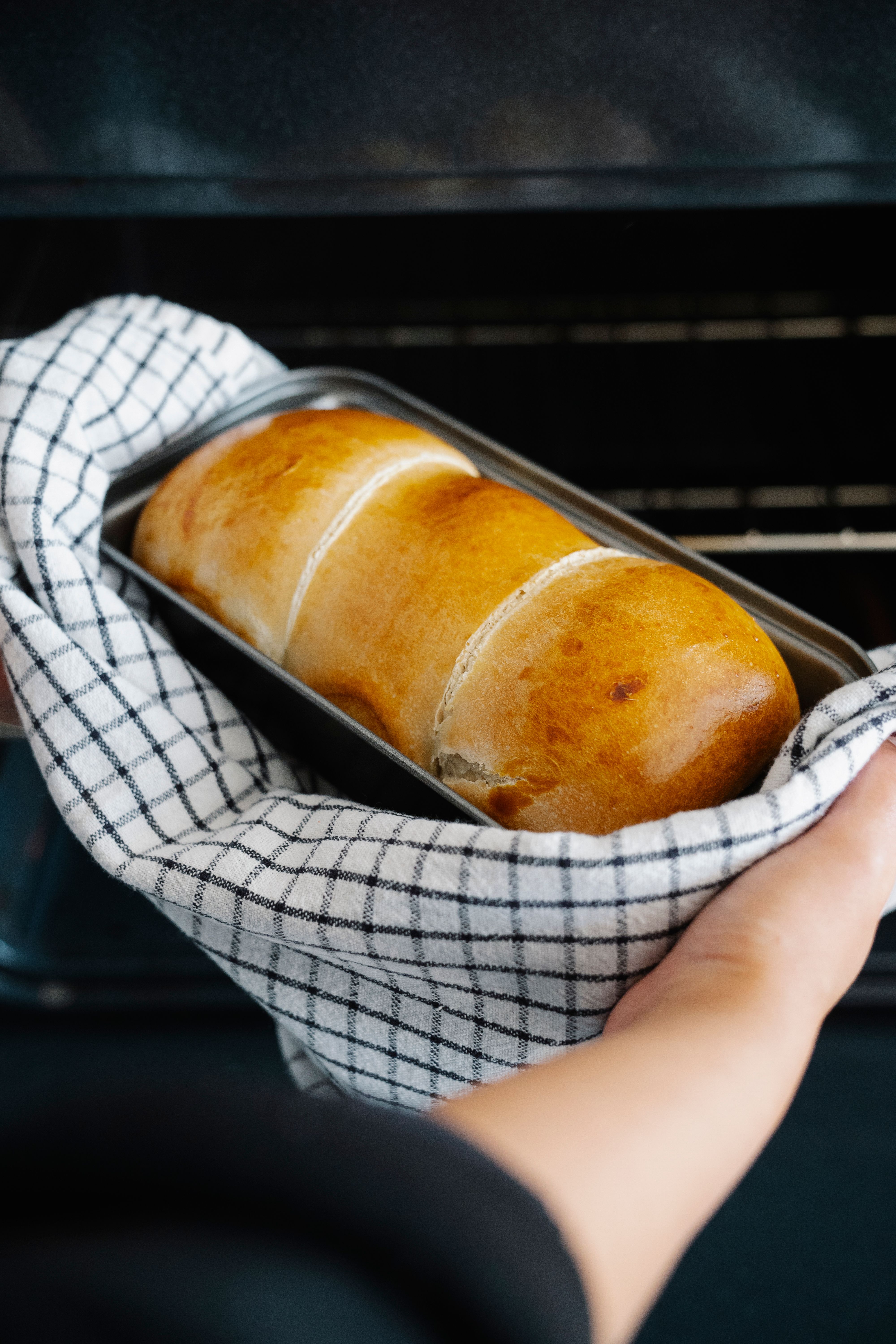
A few minutes in the oven is one of the easiest ways to make packaged bread feel bakery fresh. Gentle heat wakes up the crust, softens the crumb, and releases that cozy aroma people associate with a loaf straight from the oven.
Wrap the bread loosely in foil if you want it softer, or leave it uncovered for a crisper finish. Five to 10 minutes at a low oven temperature is usually enough for a whole loaf, while slices need even less.
Serve it right away if you can. Bread tastes its best while still slightly warm, when the texture is plush and the smell does most of the persuading.
Toast Slices Instead of Serving Them Plain
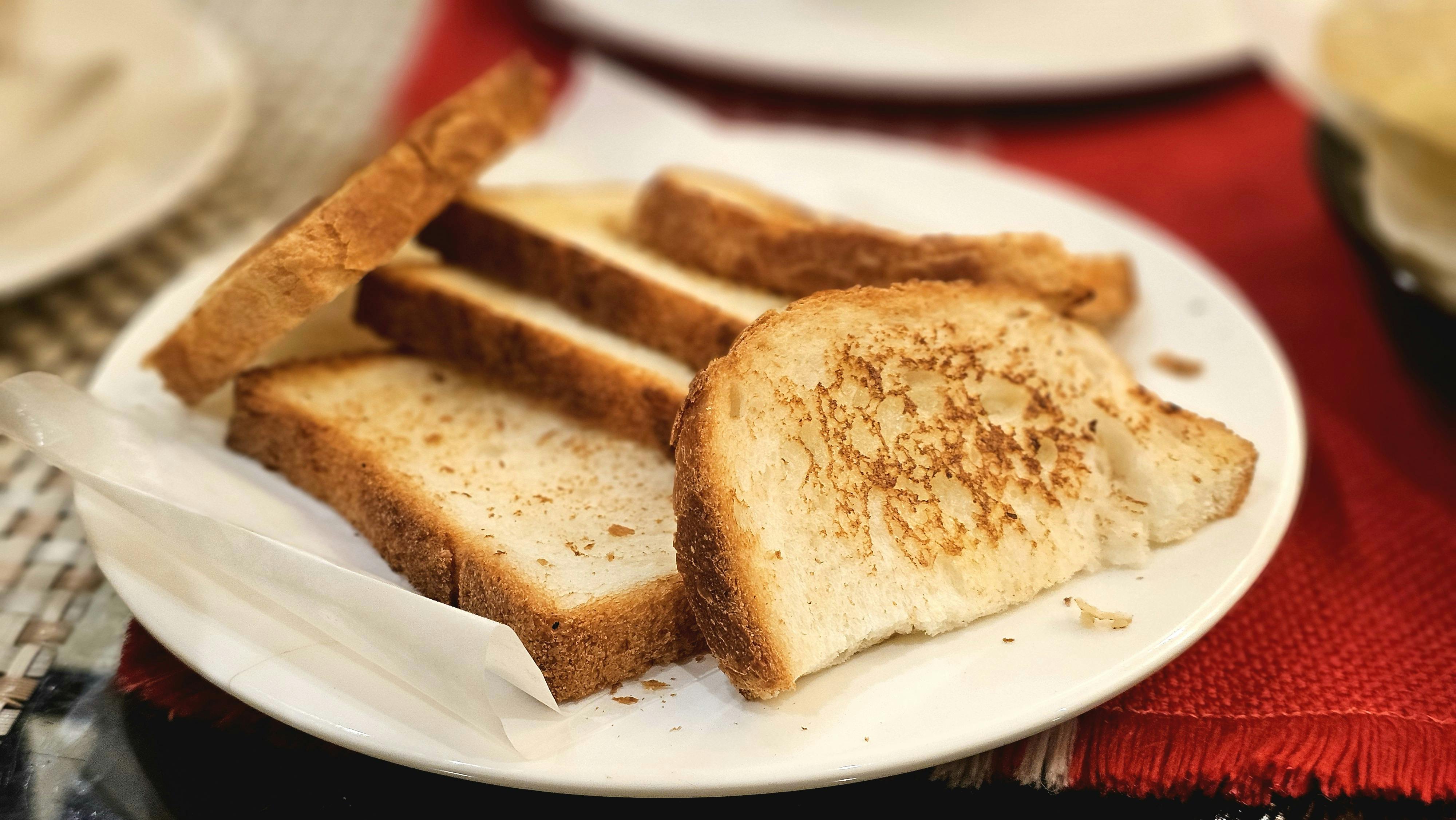
Sometimes the best fix is the simplest one. Toasting transforms ordinary sliced bread by adding warmth, crisp edges, and a nuttier flavor that makes the loaf taste far more intentional than it did straight from the bag.
The heat also helps mask that packaged softness that can make store bought bread feel less appealing. Even a light toast creates contrast between a golden exterior and a tender center, which instantly improves texture.
From breakfast to sandwiches, toasted bread feels more satisfying and polished. Add butter while it is still hot, and you get that melted, fragrant finish that reads much closer to fresh baked than factory sealed.
Brush on Melted Butter or Olive Oil

A little fat goes a long way when you want bread to feel richer and fresher. Brushing slices or a loaf with melted butter or olive oil before warming adds flavor, improves mouthfeel, and gives the crust a subtle sheen that looks bakery-worthy.
Butter leans cozy and classic, while olive oil gives a more savory, rustic feel. Either one helps create the impression of bread that was just made with care, not pulled from a plastic sleeve on the way home.
This trick also pairs beautifully with herbs, garlic, or a tiny pinch of salt. It turns basic bread into something that feels warm, thoughtful, and ready to serve with dinner.
Use a Skillet for Quick Revival
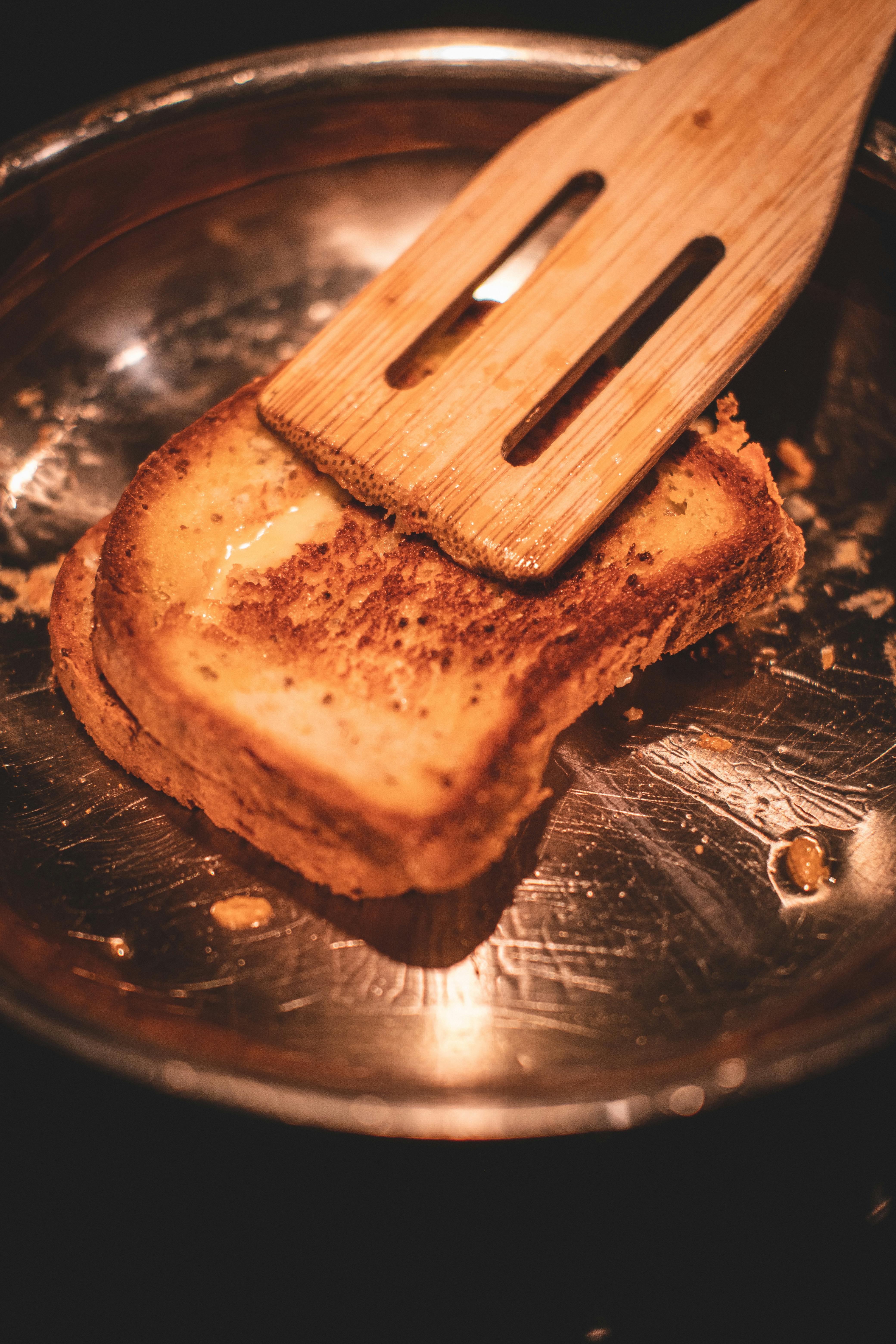
When you do not want to turn on the oven, a skillet can revive bread in minutes. A dry pan over medium-low heat gently warms slices, bringing back softness inside while adding just enough color and crispness outside.
This method works especially well for sandwich bread, buns, and rolls. If you want extra richness, add a tiny dab of butter to the pan and let the bread pick up a little golden flavor as it heats.
The stovetop approach feels fast and practical, but the results are surprisingly polished. Warm, lightly crisped bread has a fresher personality and a homemade feel that is much more inviting than cold slices straight from the package.
Store It Better After Opening

Sometimes making bread taste fresher starts before the next slice is even served. Once a loaf is opened, poor storage speeds up drying and dulls the flavor, so keeping it sealed well can preserve that soft, fresh quality much longer.
Use the original bag if it closes tightly, or transfer the loaf to an airtight bread box or resealable bag. Keep it at room temperature for short-term use, away from direct sun or heat, which can push it stale faster.
Good storage will not turn packaged bread into artisan sourdough, but it absolutely helps maintain texture. The less air it meets, the less quickly it loses the softness and aroma that make bread taste appealing.
Finish It With Bakery Style Toppings
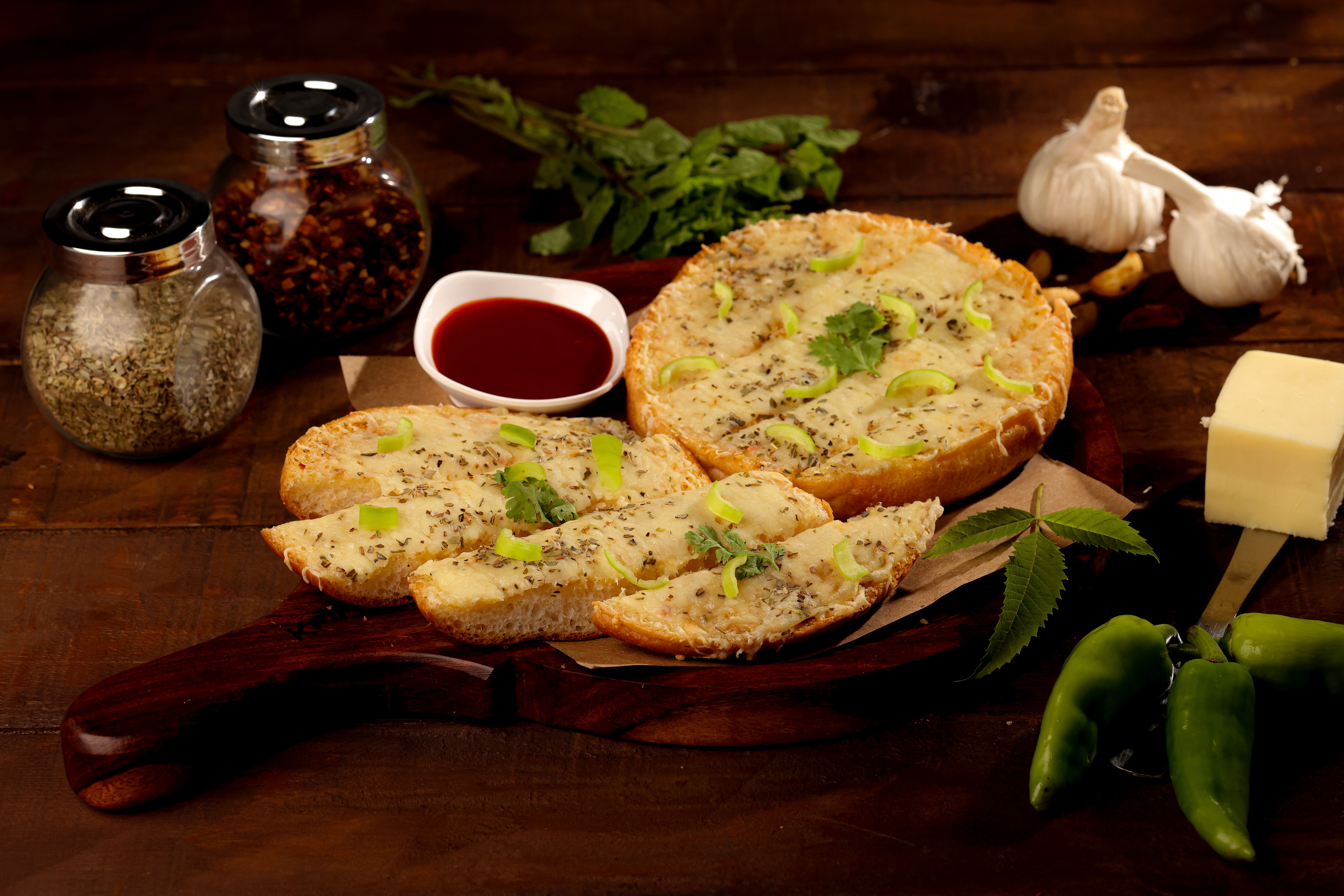
One of the easiest ways to make store bought bread feel special is to dress it like something from a bakery case. A little flaky salt, sesame seeds, grated cheese, garlic butter, or dried herbs can add aroma and visual appeal in seconds.
Apply toppings after a light brush of butter or oil so they cling nicely, then warm the bread just enough to toast everything together. That extra layer of flavor makes the loaf feel more customized and far less ordinary.
This trick is especially effective when serving bread with soup, pasta, or a snack board. People respond to scent and texture, and a flavorful finish makes even basic bread seem fresher, warmer, and more homemade.