
Some crimes target cash, art, or jewelry. Others go after breakfast, dessert, and the world's favorite comfort foods.
The Great Canadian Maple Syrup Theft
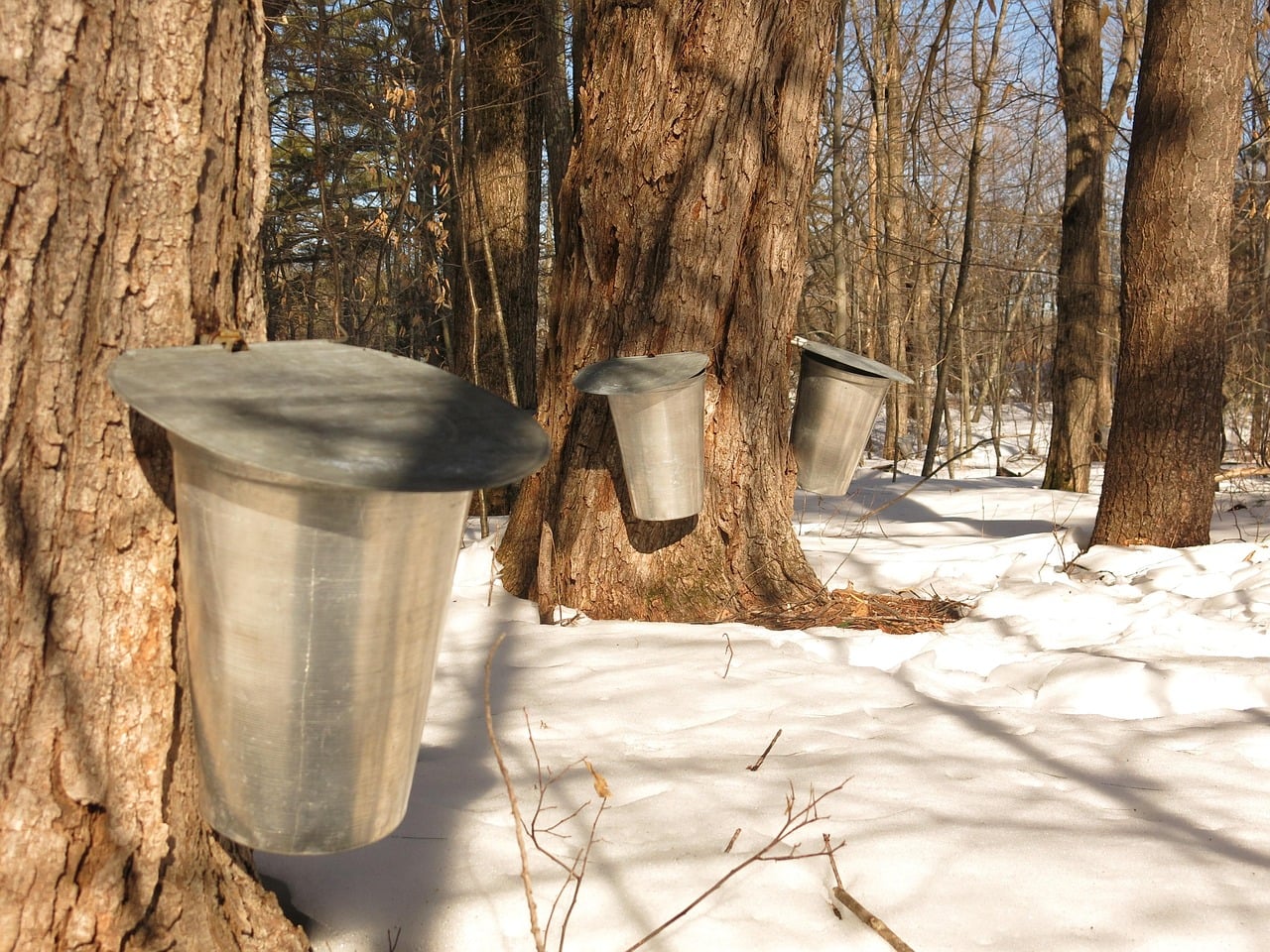
It sounds like a joke until you see the price tag. Between 2011 and 2012, thieves stole nearly 3,000 tons of maple syrup from a warehouse in Quebec, a haul worth about C$18 million and widely described as one of the largest food thefts ever recorded.
The syrup came from the strategic reserve controlled by Quebec's maple syrup industry, a market so organized that it often gets compared to an oil cartel. Investigators found that barrels had been removed, emptied, and in some cases refilled with water to delay discovery.
According to reporting from CBC and Reuters, the stolen syrup moved through a network of transporters and resellers before authorities untangled the scheme. The case stunned people outside Canada, but industry insiders knew syrup is expensive, tightly controlled, and easy to move when packaged in bulk.
The 22-Ton Cheese Disappearance in England

Cheese rarely feels like contraband, yet it can be surprisingly valuable. In one widely reported British case, thieves made off with roughly 22 tons of cheddar, turning a staple of sandwiches and pub lunches into the center of a large-scale criminal investigation.
Large cheese wheels and blocks are attractive targets for organized theft because they hold value, have steady demand, and can be resold without attracting the kind of suspicion that follows stolen electronics. Once cut, repackaged, or blended into other stock, tracing the original product becomes much harder.
Food industry security experts have long noted that dairy theft often happens higher up the supply chain, not in supermarkets. Warehouses, freight yards, and distribution depots offer criminals access to big volumes at once, which is exactly what makes a cheese heist sound absurd and completely practical at the same time.
Germany's Nutella Theft Was Pure Retail Gold

Nutella thefts have a strange history in Europe, but one case in Germany stood out for its scale. In 2013, thieves stole a truck trailer loaded with Nutella, estimated by local police to be worth around €16,000, along with other snack products taken in related incidents.
At first glance, jars of hazelnut spread do not sound like black-market currency. But branded foods with broad appeal move quickly, especially if they are sealed, recognizable, and simple to sell through informal channels such as pop-up markets, small shops, or mixed cargo transactions.
The same period saw thefts of energy drinks and coffee in the area, suggesting a pattern rather than a random craving. Police treated it seriously because food cargo crime often points to organized groups that understand logistics, storage, and resale far better than the public tends to assume.
The $100,000 Avocado Heists Fueling Farm Security
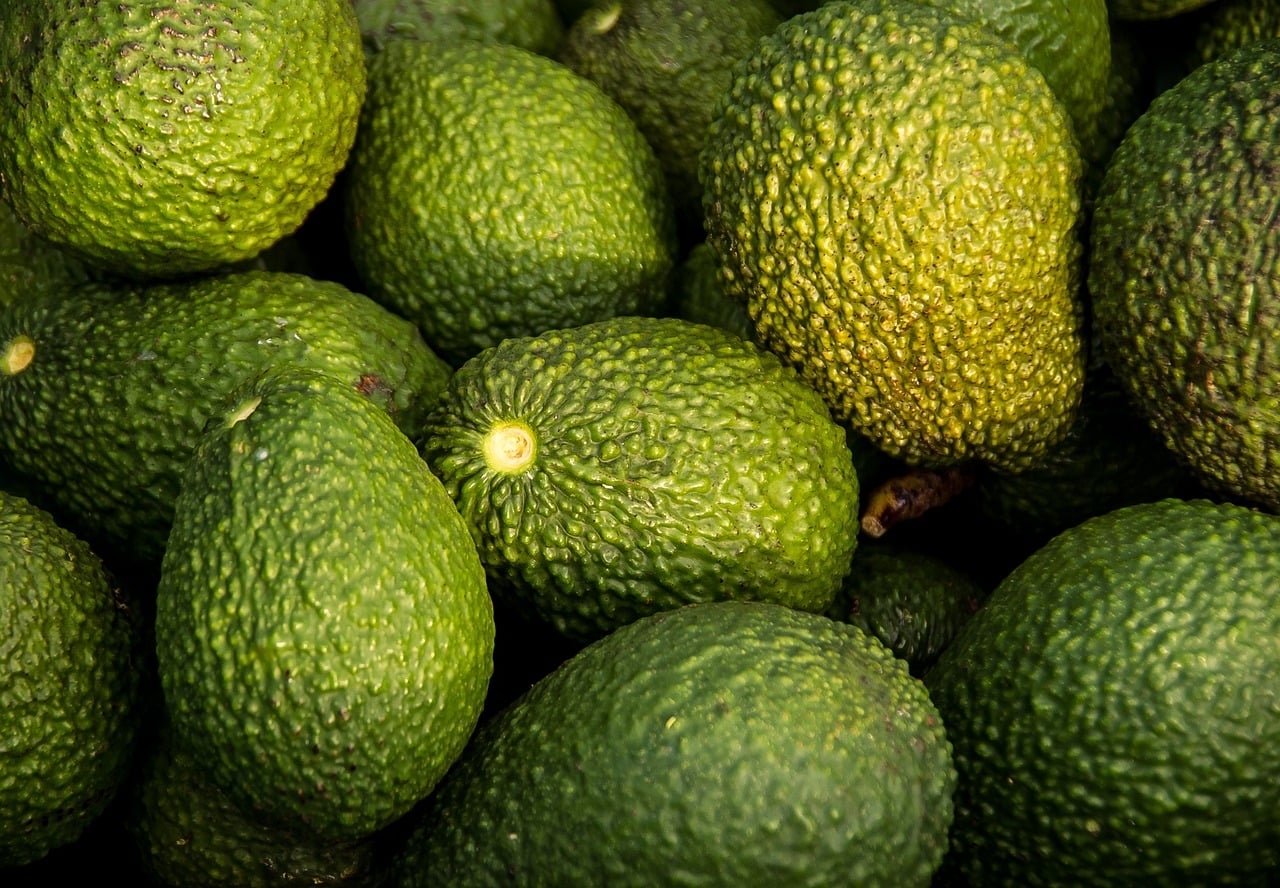
Avocados became so valuable in some regions that growers started treating orchards like high-risk property. In New Zealand and elsewhere, police and farm groups have documented repeated avocado thefts, with fruit stripped from trees at night and resold before it is properly ripened.
The economics are straightforward. When retail prices jump and demand stays strong, fresh produce turns into a tempting target, especially crops that can be harvested quickly in large amounts. Farmers have reported losses in the tens of thousands, and some operations have added fencing, cameras, and patrols.
Unlike a museum robbery, produce theft leaves behind another problem: quality. Stolen avocados are often picked too early, which hurts consumers and damages trust in local sellers. That means the crime does not just hit growers financially. It can ripple through the market and undermine the reputation of the product itself.
Brazil's Meat Cargo Thefts Became Big Business

If there is one food category with serious resale power, it is meat. In Brazil, authorities and local reporting have repeatedly highlighted cargo thefts involving beef, poultry, and processed products, with refrigerated trucks targeted by gangs that know exactly how to monetize stolen food fast.
These thefts are not amateur operations. Criminal groups often rely on route surveillance, inside information, forged delivery documents, and rapid redistribution. Because meat is perishable, the stolen load has to be moved immediately, which means the resale networks are usually already in place before the truck is intercepted.
The broader lesson is that food crime follows the same rules as other organized theft. High value, dependable demand, and weak points in transit create opportunity. A truck full of meat may not look glamorous, but in the criminal economy it can function like a rolling vault with a shelf life.
The Baby Formula Black Market Nobody Should Ignore

Few food-related thefts are more troubling than baby formula raids. Retailers in the United States, the United Kingdom, and Australia have all dealt with organized shoplifting rings that target formula because it is expensive, essential, and easy to resell in both physical and online markets.
Law enforcement agencies have treated many of these cases as more than ordinary retail theft. Formula is compact, branded, and often consumed quickly, so stolen cans can disappear into secondary markets before stores even finish inventory checks. During shortages, the incentive becomes even stronger and the social harm much worse.
What makes formula theft especially disturbing is the pressure behind the demand. Families need it, and criminal networks know that urgency creates buyers. That turns a basic nutrition product into a high-risk retail item, proving that in the right conditions even the most ordinary aisle can become a target.



Leave a Reply