
Blood sugar spikes are not caused by candy alone. Many foods that seem convenient, light, or even healthy can push glucose up quickly when they are low in fiber, protein, or fat.
Sugary Coffee Drinks

That morning latte can act more like dessert than breakfast. Dietitians often point to flavored coffee drinks because they combine liquid sugar with rapidly absorbed carbohydrates, a pairing that can send blood glucose rising fast.
A large mocha, vanilla latte, or blended coffee drink may contain 30 to 60 grams of sugar before you eat a single bite of food. Since liquids digest quickly, the body does not get the same slowing effect that whole foods with fiber provide.
The issue gets worse when coffee is consumed on an empty stomach. Pairing caffeine with syrup, sweet cream, and whipped topping can lead to a fast rise followed by an energy crash, especially in people who already have insulin resistance or prediabetes.
White Bread and Refined Bagels
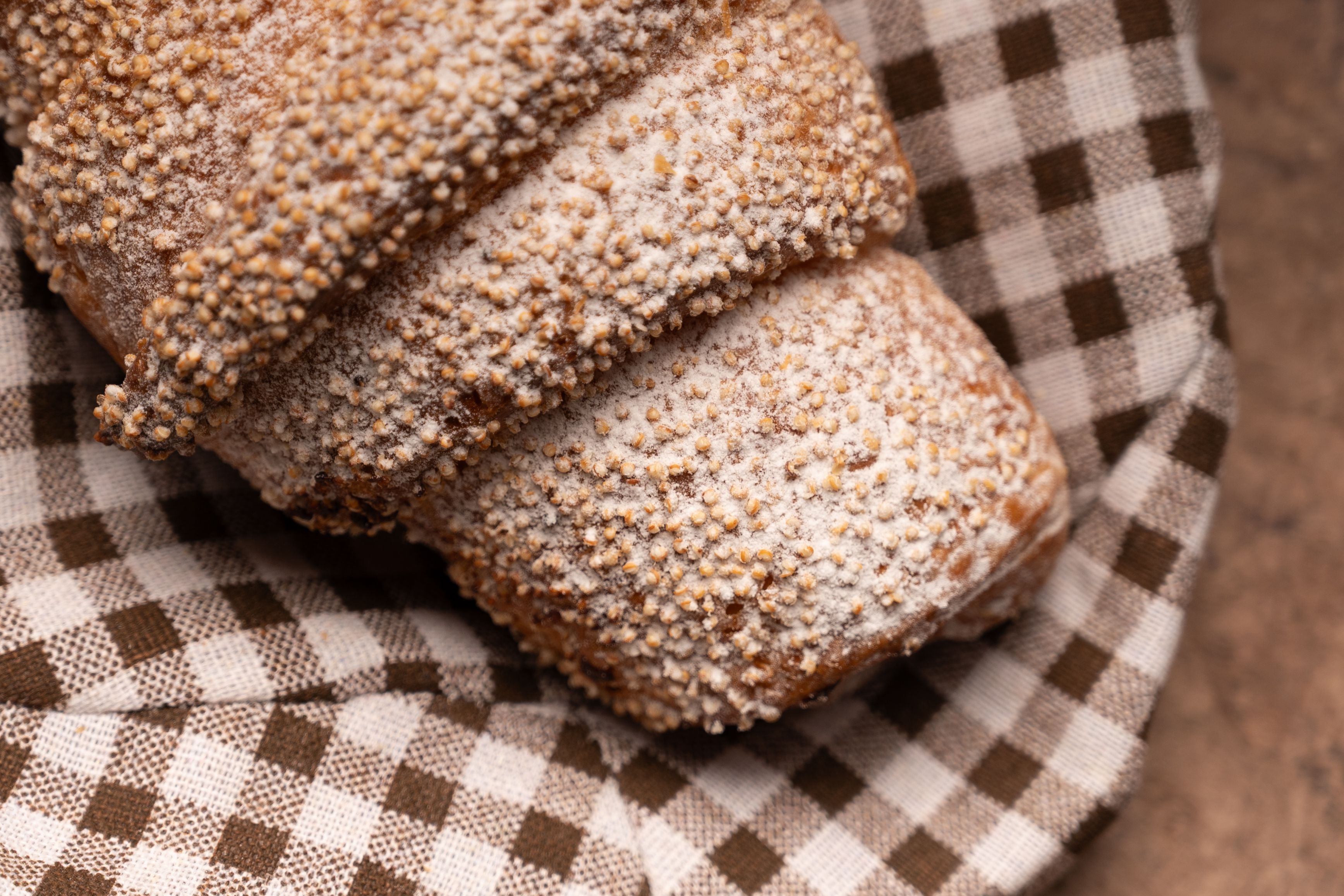
Soft white bread disappears quickly in the digestive system. Because it is made from refined flour with much of the fiber removed, it converts to glucose faster than denser whole grains do.
Bagels can be even more deceptive because portion size matters. One large bagel can equal several slices of bread, delivering a heavy carbohydrate load in one sitting without much protein unless you add eggs, nut butter, or another balancing food.
Dietitians frequently recommend looking beyond the label on the front of the package. Bread described as wheat or multigrain is not always high in whole grains, and if fiber is low, blood sugar may still climb sharply after breakfast or lunch.
Fruit Juice and Smoothies

Fruit has natural sugar, but whole fruit also comes with fiber that helps slow absorption. Juice removes much of that built-in brake, which is why dietitians often say drinking fruit is very different from eating it.
A glass of orange juice can contain the sugar of several oranges, yet it is easy to drink in minutes. That concentrated hit reaches the bloodstream quickly, and because chewing is removed, fullness tends to be lower than with whole fruit.
Smoothies can cause similar problems when they are packed with juice, sweetened yogurt, honey, or sherbet. A better approach is building them with unsweetened milk or yogurt, berries, greens, chia seeds, and protein to reduce the glucose surge.
Sugary Breakfast Cereals
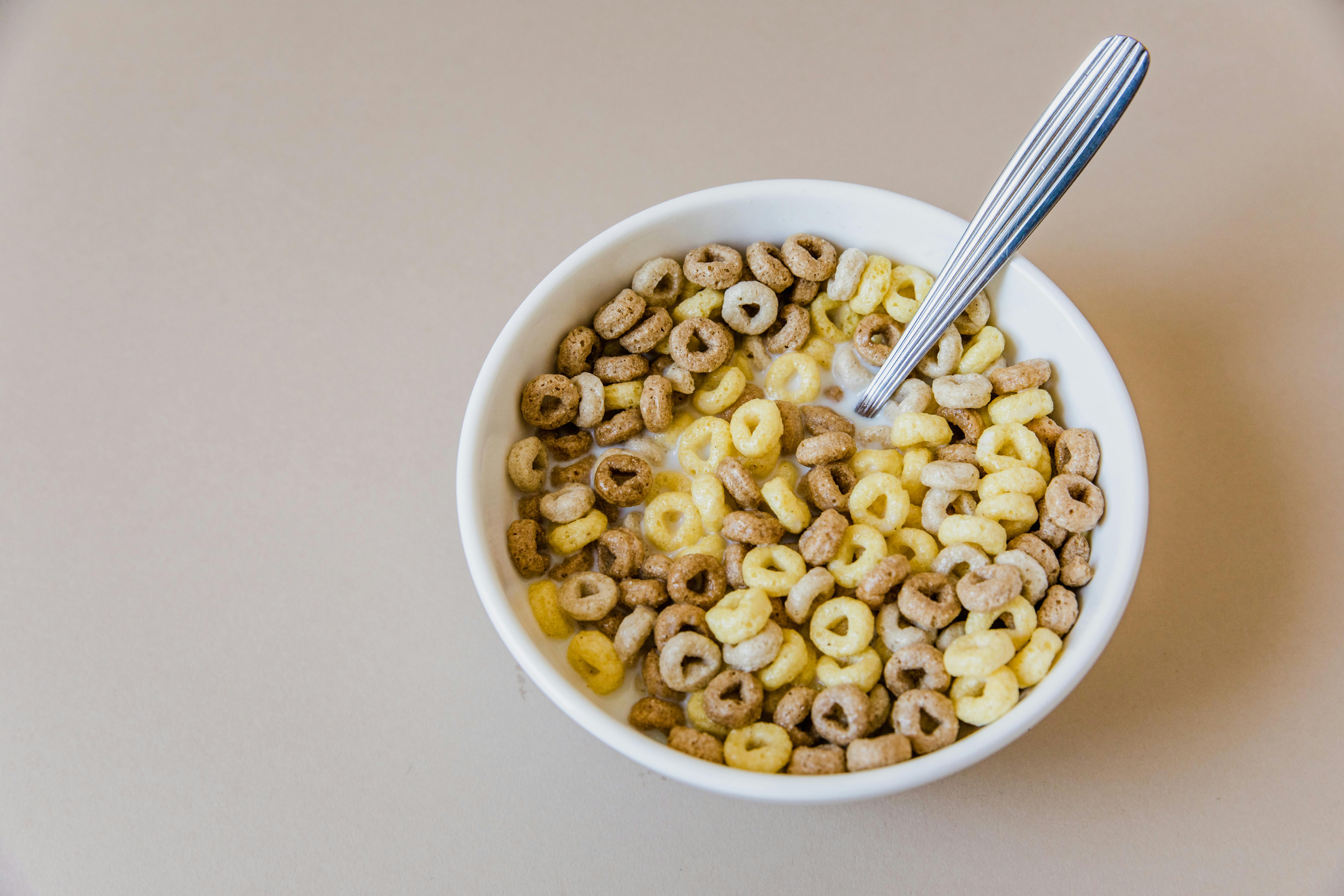
Many breakfast cereals are marketed as wholesome, but plenty are made from refined grains and added sugars. Even cereals promoted to children and adults as fortified can still act like fast-digesting carbohydrates once eaten.
The problem is not only the sugar in the box. The milk added to the bowl contributes more carbohydrate, and common serving sizes at home are often much larger than the measured amount listed on the nutrition label.
Dietitians generally favor cereals with more fiber and less added sugar, but even then balance matters. Adding nuts, seeds, or Greek yogurt can help slow digestion, while pairing cereal with only banana slices and skim milk may still lead to a noticeable spike.
Flavored Yogurt

Yogurt has a healthy reputation for good reason, especially when it provides protein and beneficial bacteria. Still, many flavored yogurts, particularly low-fat fruit-on-the-bottom varieties, contain enough added sugar to turn a smart snack into a glucose problem.
When fat is reduced, manufacturers often add sugar or thickeners to improve taste and texture. That can leave people eating a product that sounds healthy on the label but behaves more like a sweet snack than a balanced dairy food.
Dietitians usually suggest plain Greek yogurt because it offers more protein and less sugar. Adding your own fruit, cinnamon, or a small spoon of nuts gives flavor and texture while keeping total carbohydrate more predictable and easier to manage.
Chips, Crackers, and Other Snack Foods
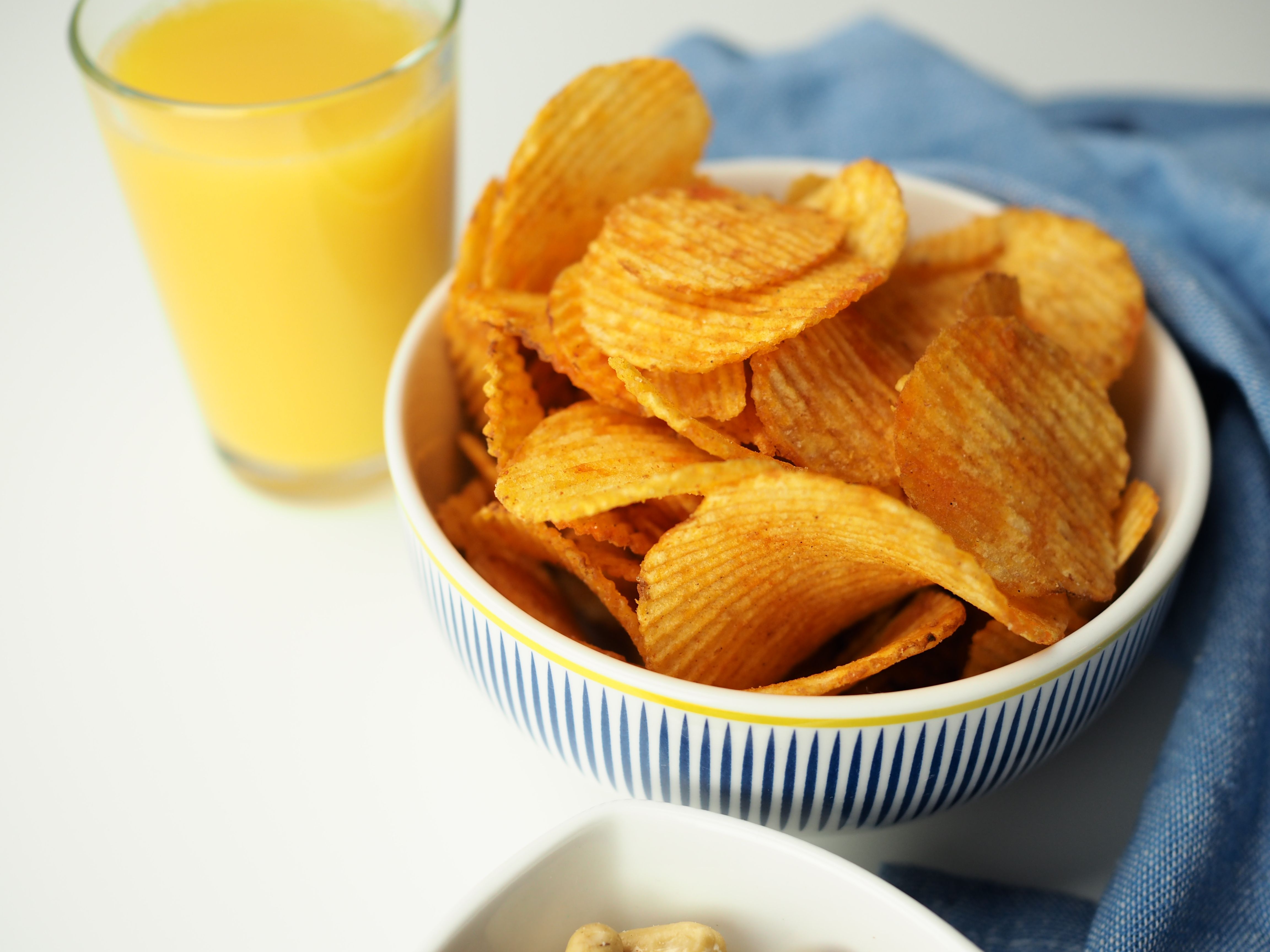
Salty snacks do not always taste sweet, but they can still raise blood sugar. Many crackers, pretzels, and chips are made from refined starches such as white flour, corn, or potato, which break down quickly into glucose.
These foods are also easy to overeat because they are hyper-palatable and often eaten mindlessly. A small serving can turn into several servings during a workday, movie night, or long drive, quietly adding a large refined carbohydrate load.
Dietitians often recommend replacing them with snacks that include fiber, protein, or both. Good examples include roasted chickpeas, nuts, cottage cheese, vegetables with hummus, or whole-grain crackers paired with tuna or cheese for steadier energy.


Leave a Reply