
For many Canadians, grocery choice is routine. In remote communities, it is often a matter of weather, cargo space, and survival-level logistics.
Fresh berries
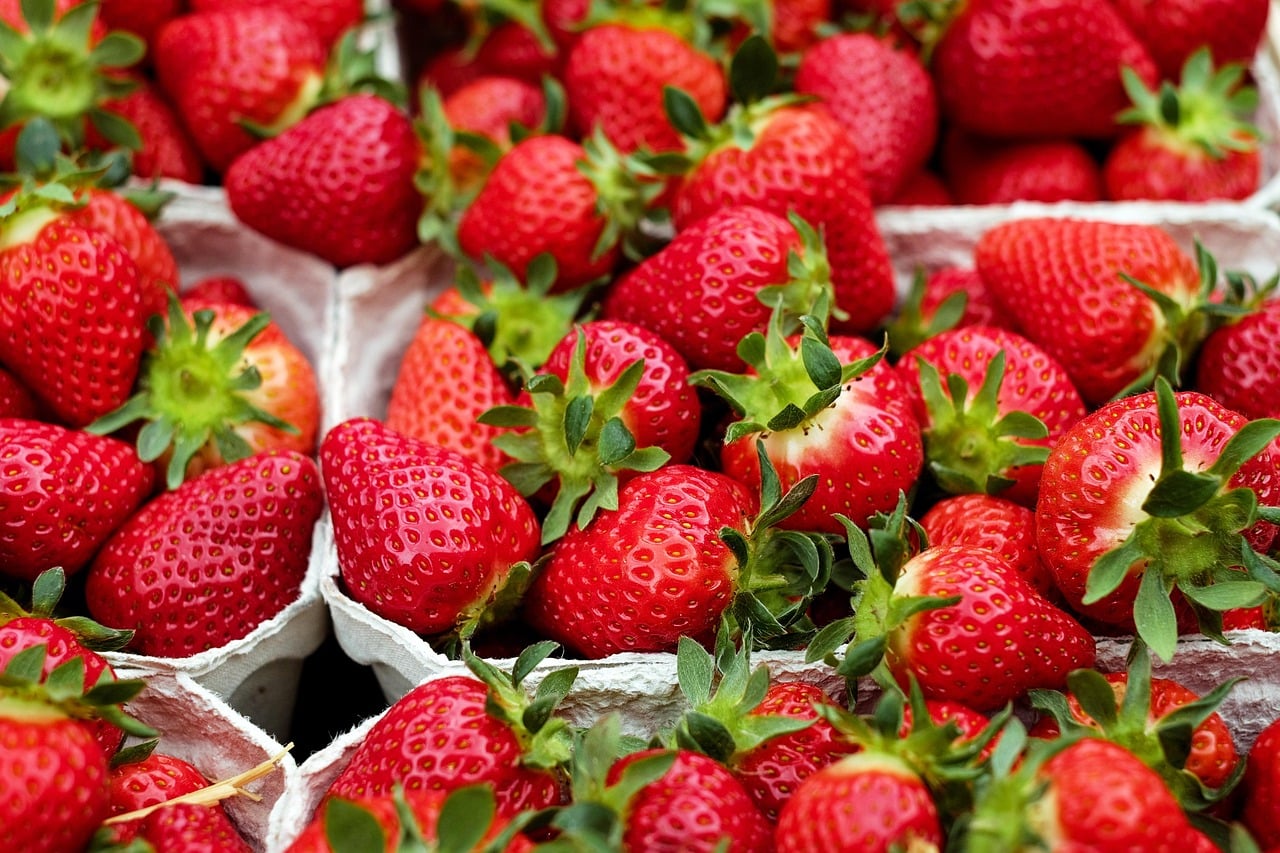
Berries spoil fast even under ideal conditions, which makes them one of the least reliable foods in remote Canadian stores. Strawberries, raspberries, blackberries, and blueberries bruise easily, lose moisture quickly, and can deteriorate within days if refrigeration slips at any point in transit.
That matters in fly-in communities across Nunavut, northern Manitoba, and parts of the Northwest Territories, where shipments may travel through multiple southern hubs before reaching a local shelf. If fog, snow, or high winds delay a plane, the fruit often arrives soft, moldy, or unsellable.
Retailers sometimes bring in small amounts during peak sealift or stronger summer freight windows, but volumes remain limited. According to reporting from northern food security advocates and regional grocers, the price can climb several times above southern Canadian levels, making fresh berries both rare and financially out of reach.
Leafy greens
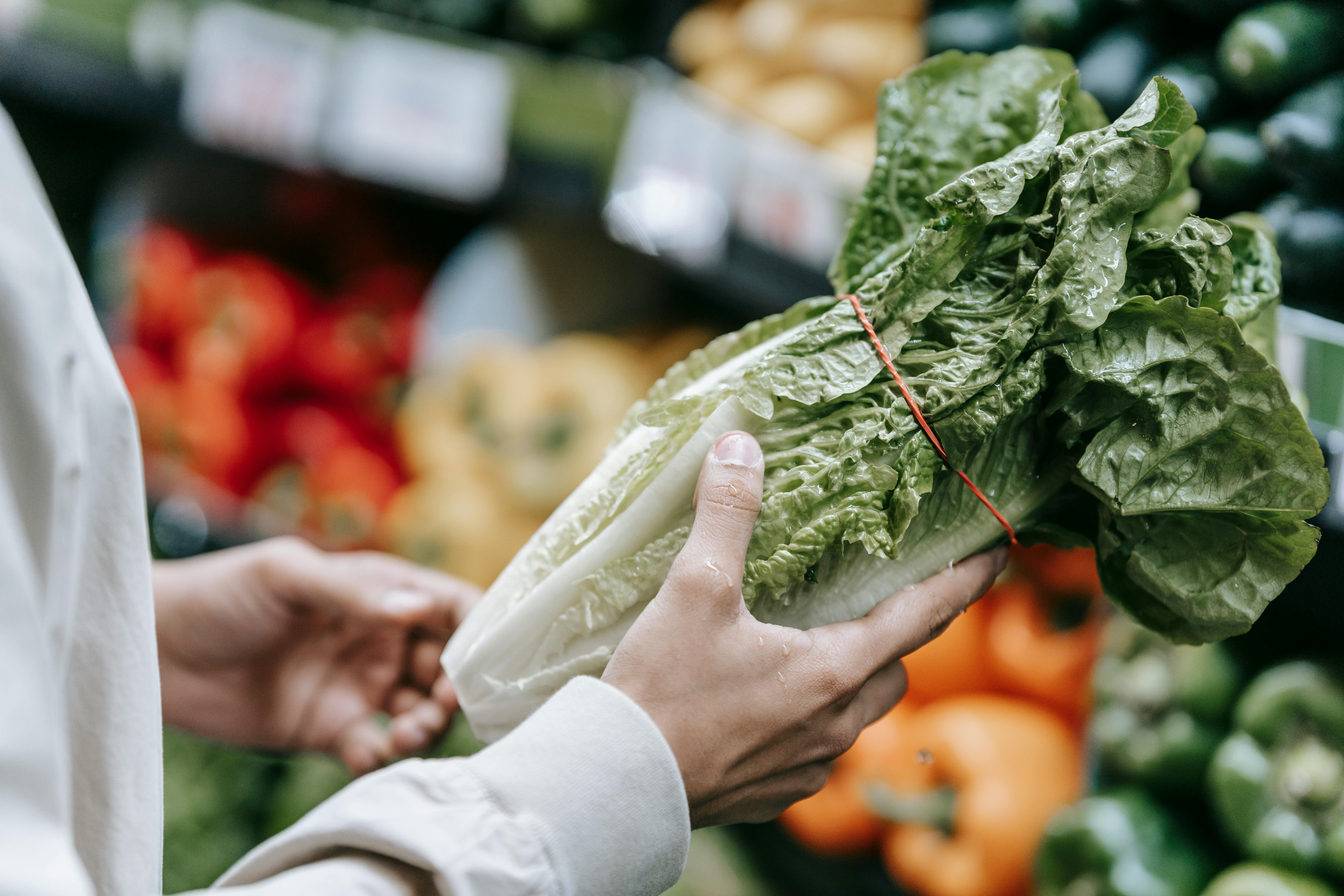
Leafy greens fail for a different reason: they are fragile, bulky, and highly perishable at the same time. Lettuce, spinach, arugula, and mixed salad greens need consistent cold storage, careful handling, and quick turnover, all of which are difficult in isolated communities with irregular deliveries.
Even when greens arrive, shelf life may be extremely short because the product has already spent valuable days in transit. A delayed cargo leg can turn crisp romaine into wilted leaves before customers ever see it, forcing stores to discard stock that was expensive to bring in.
Some northern retailers now prioritize hardier produce like cabbage over spring mix because it survives transport better. Small local greenhouses have improved access in a few communities, but on the whole, tender salad greens still almost never appear in reliable, affordable supply across the most remote regions.
Fresh seafood other than local catch
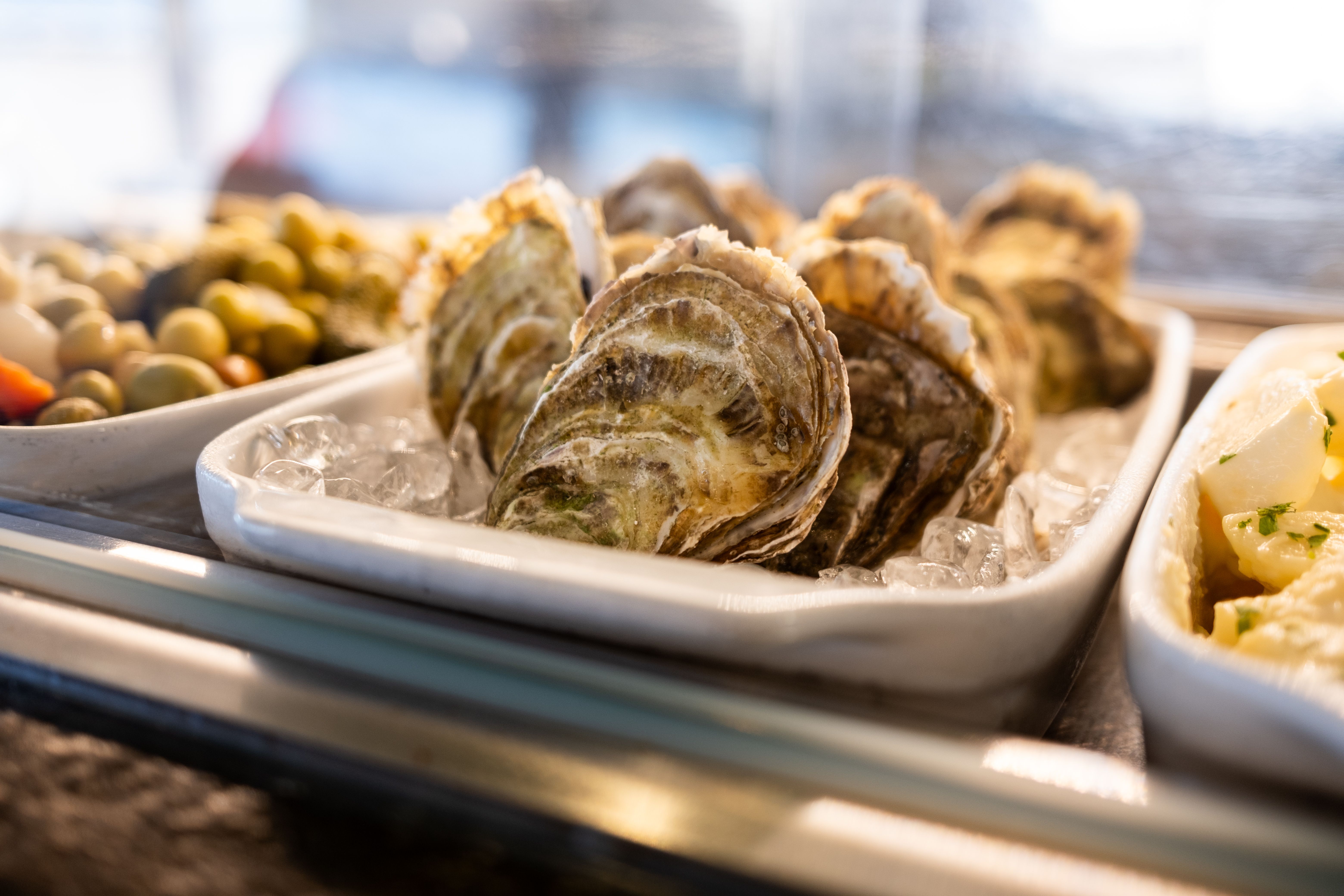
It sounds ironic in a country bordered by oceans, but fresh seafood is often absent in remote inland and Arctic communities unless it is locally harvested. Delicate products such as fresh salmon fillets, oysters, mussels, and fresh shrimp have a narrow delivery window and little tolerance for temperature swings.
Shipping seafood safely requires uninterrupted refrigeration and rapid distribution from processing plants or airports. In southern cities that system is routine. In remote communities, especially those dependent on air cargo, the chain is longer, more expensive, and more vulnerable to storms, mechanical delays, and limited freight capacity.
Frozen fish is more common because it can better withstand transit interruptions. But premium fresh seafood from distant coasts rarely makes economic sense for local stores, and when it does arrive, the price can be so high that demand remains too weak to support regular stocking.
Soft fruits like peaches, plums, and cherries
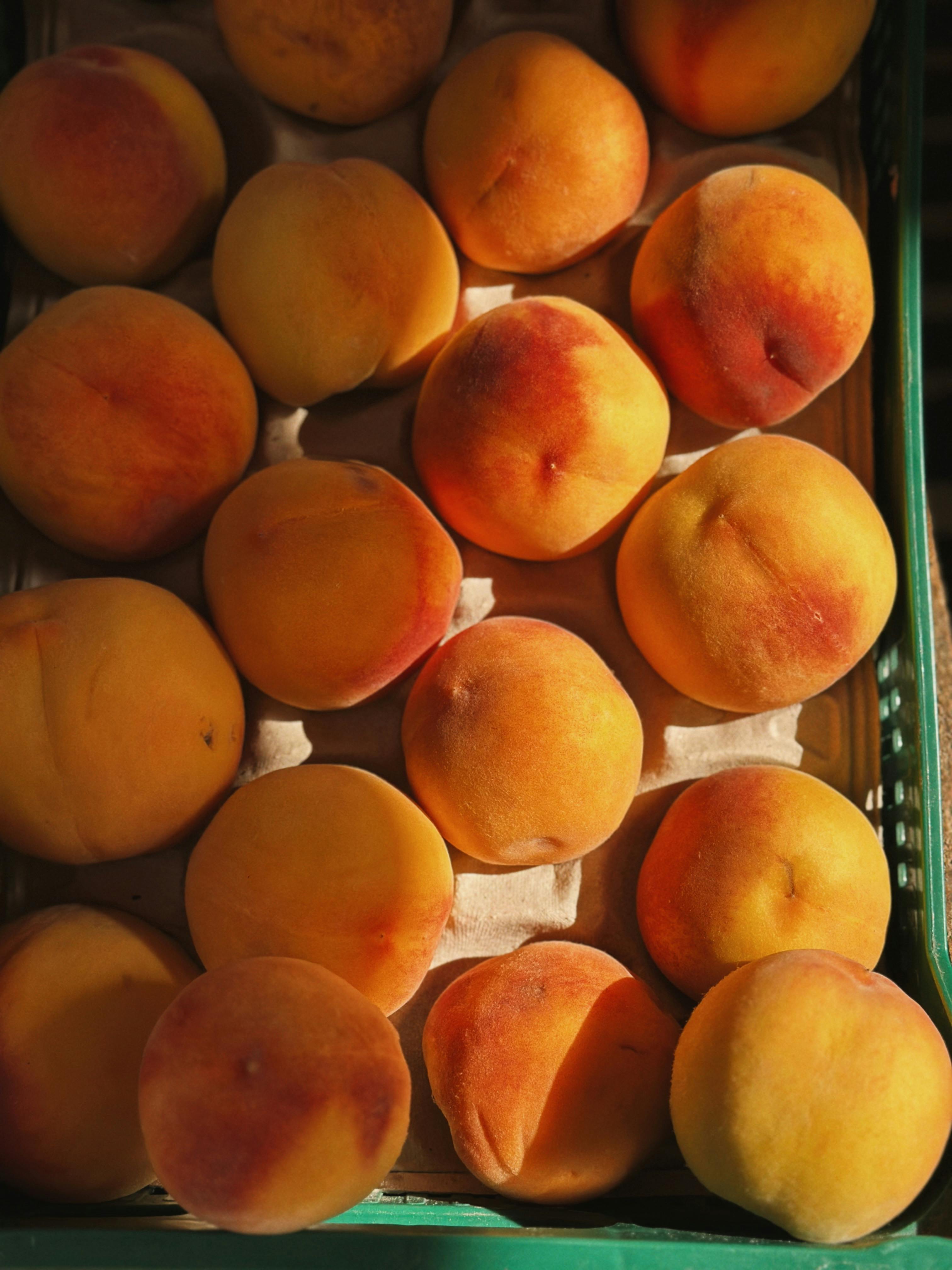
Soft stone fruits are another category that struggles to survive the trip north. Peaches, nectarines, plums, apricots, and cherries can be harvested firm, but they still bruise easily and ripen quickly, especially if they pass through several loading points before final delivery.
Unlike apples or oranges, these fruits do not tolerate rough handling well. A crate that shifts during air freight or sits too long during transfer can lead to split skins, internal browning, and rapid spoilage, which means losses for retailers already facing unusually high transportation bills.
For consumers, that translates into inconsistency. A store may receive a small shipment one week and none the next, depending on weather, freight space, and supplier availability. In practical terms, soft fruits are treated as occasional luxury items rather than dependable staples in many remote communities.
Fresh herbs
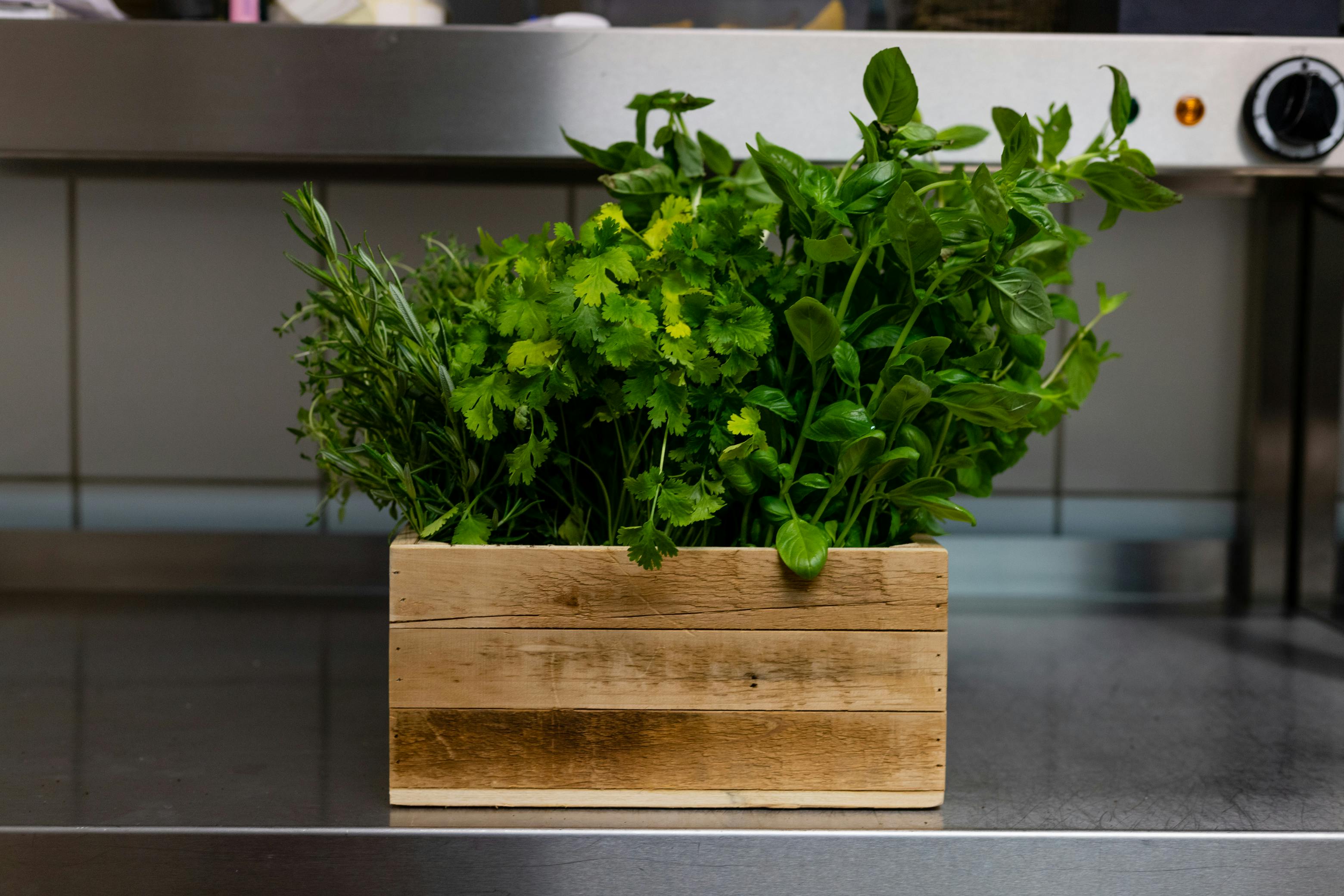
Fresh herbs seem small, but they present outsized supply problems. Basil, cilantro, dill, mint, parsley, and chives are lightweight yet delicate, and even slight dehydration or chilling injury can ruin their appearance, aroma, and selling quality before they ever reach the shelf.
Because herbs are usually bought in low volumes, stores in remote areas may not prioritize them when cargo space is tight. Essential foods with broader demand, such as milk, bread, eggs, and root vegetables, take precedence, leaving herbs as one of the first items cut from an order.
When herbs do arrive, they are often expensive and short-lived. Many northern households instead rely on dried seasonings, frozen alternatives, or small home-growing setups under lights. That substitution is practical, but it also shows how even simple flavor-building ingredients remain difficult to access consistently.
Avocados
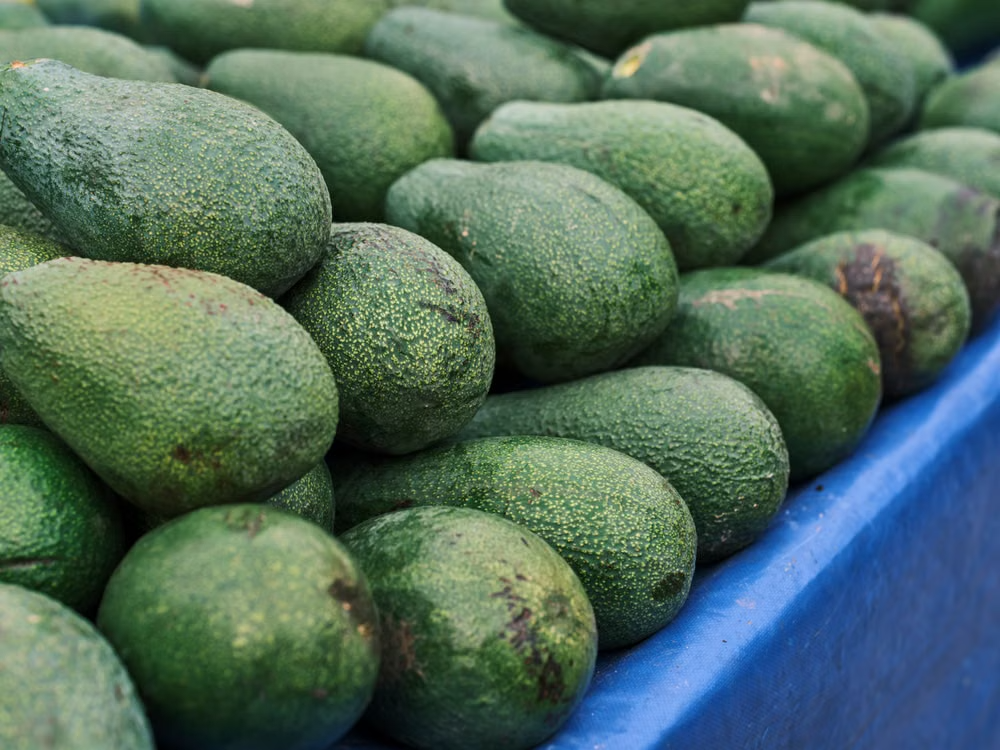
Avocados have become ordinary in southern supermarkets, yet they are notoriously hard to manage in remote Canadian food systems. They must arrive at the right stage of ripeness, then be sold within a narrow window. Too firm, they are unusable for days. Too ripe, they collapse almost immediately.
Their sensitivity creates risk for retailers already dealing with unpredictable delivery schedules. If a shipment is delayed by weather or bumped for higher-priority cargo, avocados may arrive overripe and unsellable. If they arrive rock hard, customers may avoid buying them because the wait and quality are uncertain.
That combination of perishability, timing, and weak margin makes avocados one of the least dependable fresh foods in isolated communities. Some stores still stock them occasionally, especially before holidays, but year-round consistency is rare compared with sturdier produce that can better survive northern realities.



Leave a Reply