
Some heists target cash or electronics. Others go after the groceries sitting in plain sight on America's highways.
Cheese

Cheese may sound like an odd target, but in cargo crime it is a proven favorite. Large shipments are compact, valuable, easy to resell, and often hard to trace once they are split into smaller lots. That combination makes them ideal for organized theft rings.
One of the best-known cases happened in 2014, when thieves stole a trailer carrying about $70,000 worth of Muenster cheese in Wisconsin, according to local law enforcement reports. In another widely cited case from 2024, British authorities investigated the disappearance of a massive cheddar shipment reportedly worth hundreds of thousands of pounds. The appeal is simple: specialty cheese carries a high price per pallet.
Temperature control also matters here. Stolen cheese can move quickly through informal wholesale channels, discount distributors, or small retailers before anyone asks too many questions. By the time investigators identify where the load went, it may already be cut, repackaged, and sold.
Avocados
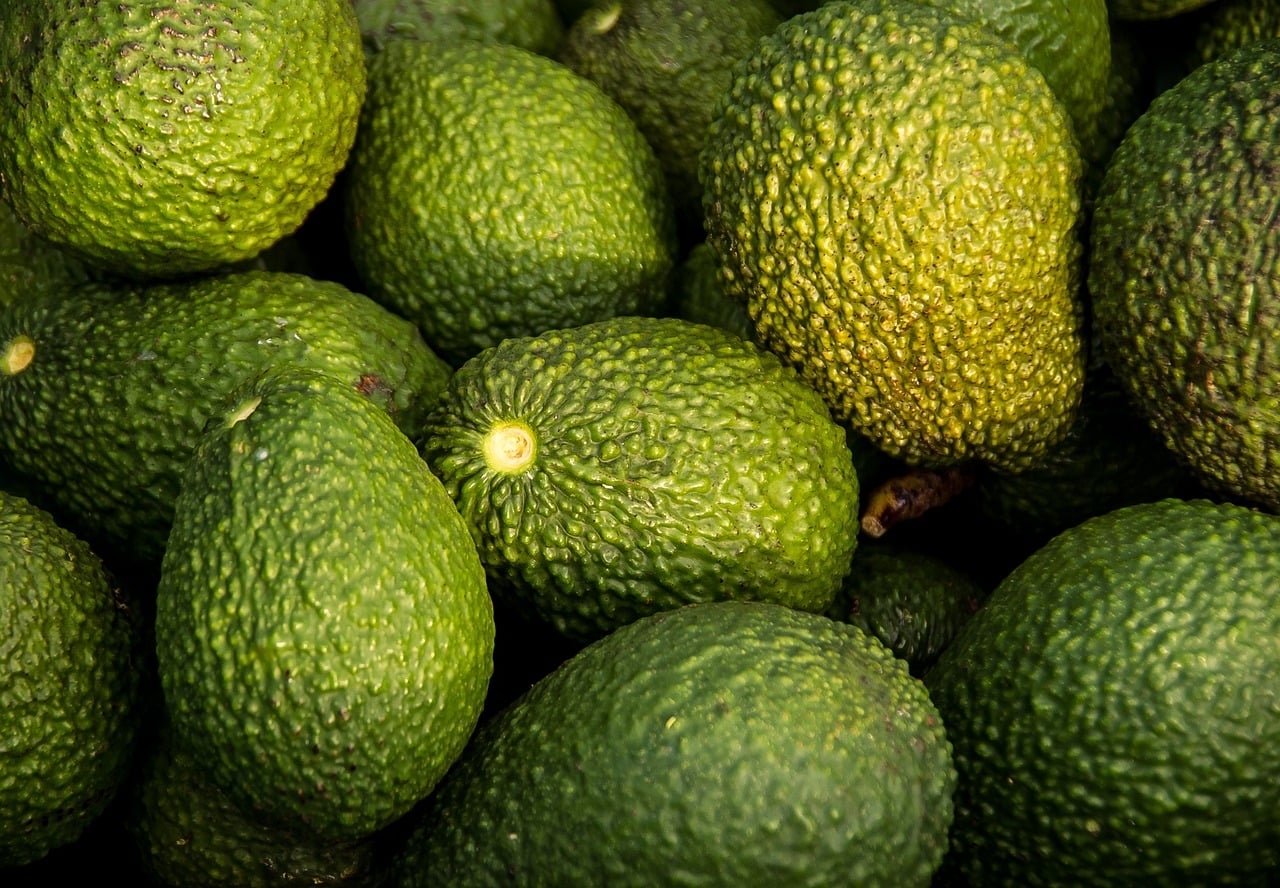
Avocados have become one of the clearest examples of how a trendy food can turn into a criminal commodity. Demand stays high year-round, prices swing sharply, and a full truckload can be worth tens of thousands of dollars. For thieves, that makes the math very attractive.
Mexico has seen repeated cargo theft involving avocado shipments, especially because the fruit plays such a large role in both domestic and export markets. Industry groups and security analysts have noted that avocados are targeted not only by small thieves, but also by organized criminal networks that understand produce logistics.
The product itself helps the crime. Avocados are perishable, but they also move through fast, complex supply chains where timing is everything. A stolen load can be redirected, mixed with legitimate produce, and sold before growers, shippers, or retailers fully realize what happened.
Eggs

Eggs became a striking theft target when prices surged and supply tightened. What usually seems like a low-cost staple can suddenly become a high-value cargo when disease outbreaks, inflation, and production problems hit at the same time. In those moments, a truckload becomes far more tempting.
In early 2024, thieves in Pennsylvania stole roughly 100,000 organic eggs from a distribution trailer, a case that drew national attention. The theft stood out because eggs are fragile, refrigerated, and not especially glamorous. Yet when market prices rise enough, even a basic breakfast food can become worth stealing in bulk.
Egg theft also shows how criminals respond to market signals. They do not always need luxury goods. They need products that move quickly and can be resold with little suspicion. Eggs fit that pattern when shortages push retailers and buyers into a scramble for inventory.
Almonds

Almonds are one of the most consistently attractive agricultural targets in the United States. California produces the overwhelming majority of the nation's almond supply, and those nuts command strong prices in both domestic and export markets. A single truckload can represent a major payday.
Law enforcement and farm industry groups in California have tracked repeated almond thefts for years, especially during harvest and shipping season. Some cases involve thieves posing as legitimate freight carriers, picking up loads with forged documents, then disappearing before processors realize the cargo never reached its destination.
Unlike some stolen foods, almonds are durable and easy to store. They do not spoil quickly, and they can be blended into legitimate inventories with little fuss. That makes recovery difficult and gives organized cargo thieves exactly what they want: time, flexibility, and resale value.
Beef

Beef theft tends to rise when cattle prices and wholesale meat values climb. Refrigerated trailers full of boxed beef can hold a very expensive cargo, especially during periods of tight supply. For criminals who understand food distribution, that turns a meat shipment into a rolling warehouse of resale opportunity.
Several major beef thefts have been reported across the United States over the years, including loads worth well into six figures. These cases often involve deception rather than force. A fake carrier accepts the shipment, presents convincing paperwork, and then reroutes the load to a buyer willing to ask few questions.
Beef also illustrates the professional side of cargo theft. This is rarely a random smash-and-grab. It usually requires logistics knowledge, access to refrigerated transport, and a network that can move product fast. In other words, many of these thefts look more like shadow distribution operations than street crime.
Pistachios
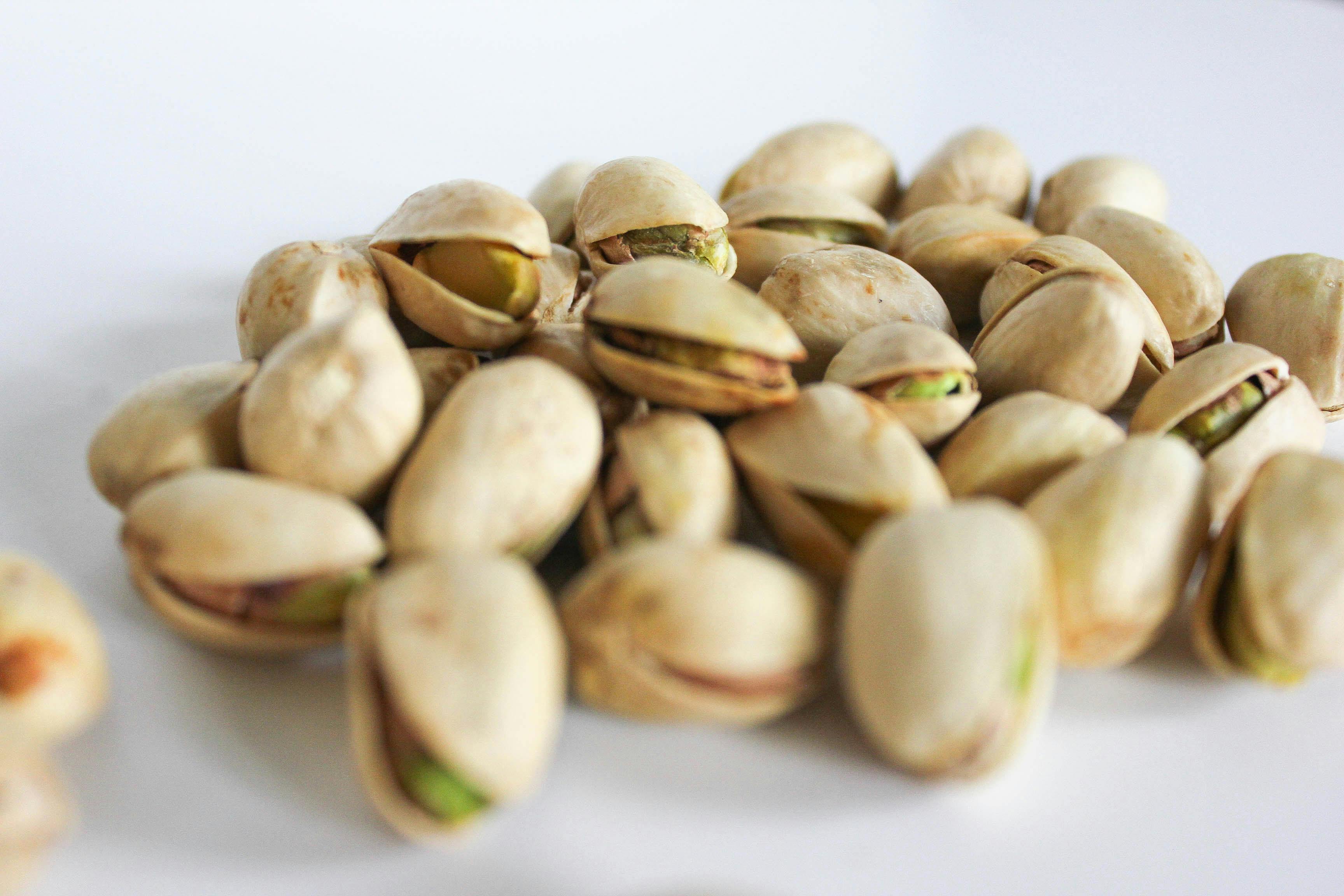
Pistachios may not get as much attention as beef or avocados, but they are a smart target for the same basic reasons. They are high-value, lightweight relative to their price, and heavily concentrated in major growing regions such as California. That gives thieves both opportunity and profit.
Authorities have investigated multiple pistachio thefts involving loads worth tens or even hundreds of thousands of dollars. As with almonds, the alleged schemes often center on fraudulent trucking arrangements. A load is assigned, paperwork appears normal, and the product vanishes into secondary channels before alarms are raised.
What makes pistachios especially appealing is their shelf stability. They can sit in storage, move across state lines, and be repackaged without the immediate spoilage risk tied to dairy or meat. For cargo thieves, that lower pressure can mean fewer mistakes, less urgency, and a better chance of cashing in.




Leave a Reply