
A night at the rink feels casual, but arena food rules are anything but random. Across Canada, restrictions usually come down to safety, licensing, allergens, cleanliness, and crowd control.
Outside alcohol

Nothing gets tighter scrutiny at Canadian arenas than alcohol brought from outside. In most venues, provincial liquor rules and arena licence conditions make this an automatic no. Security staff are trained to spot cans, flasks, and disguised containers before fans reach their seats.
The reason is bigger than protecting concession sales. Once a venue is licensed to serve alcohol, it becomes responsible for monitoring consumption and intoxication levels. Allowing unknown beverages inside breaks that chain of control and raises the risk of over-service, underage drinking, and medical emergencies in tightly packed stands.
This is especially important during junior, university, and community hockey where families make up a large share of the crowd. Some arenas also limit where alcohol purchased inside can be carried, restricting it to licensed seating sections or specific concourses. The result is less freedom for fans, but far clearer legal accountability for operators.
Glass bottles and canned drinks from outside
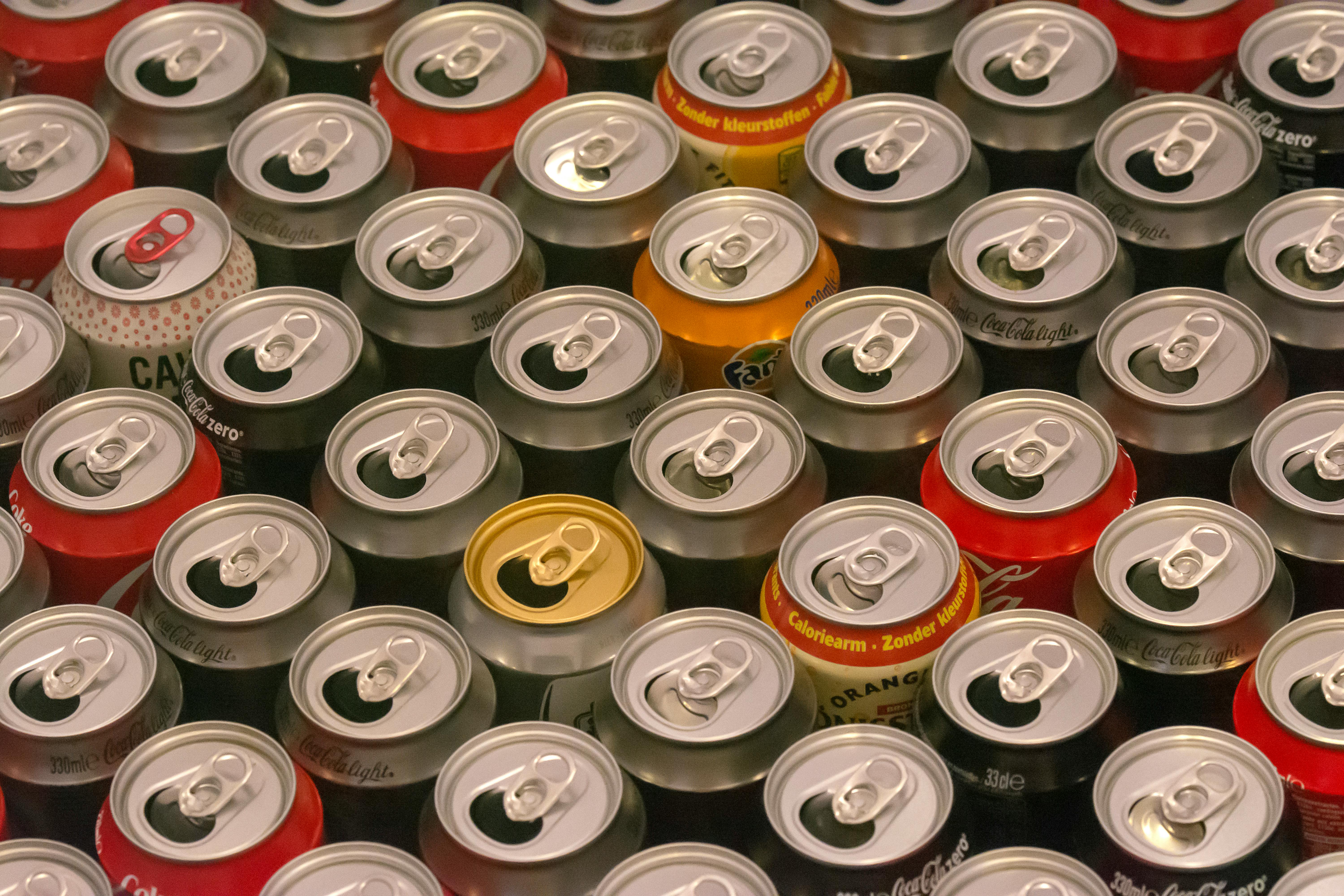
At first glance, a sealed soda or sparkling water may seem harmless. Yet many Canadian arenas restrict outside beverages, especially when they come in glass bottles or metal cans. The concern is not just policy consistency but the physical risk those containers can create in crowded, emotional environments.
Glass is the easiest case to understand. If dropped on concrete steps or in seating aisles, it shatters and creates an immediate hazard for children, ushers, and anyone moving through the section. Cans pose a different issue because they can be thrown, crushed underfoot, or used to conceal alcohol.
For that reason, some facilities allow only empty reusable bottles or factory-sealed plastic drinks, while others ban all outside beverages outright. Major arenas tend to take the hardest line, but even small municipal rinks often post container rules at the entrance. What looks like a food restriction is often really a venue safety measure.
Nuts and peanut products

For many families, peanut restrictions are the most understandable arena rule of all. Hockey venues are busy, enclosed places where food residue spreads easily across armrests, counters, and shared tables. Even trace exposure can be serious for people with severe allergies.
Some Canadian arenas do not impose a full facility-wide ban, but many create nut-free sections or strongly discourage peanut products during minor hockey events, school tournaments, and public skating sessions. That approach reflects practical reality. Enforcing a total ban can be difficult, but targeted restrictions still reduce risk where children are concentrated.
Operators have become more careful as public awareness of anaphylaxis has grown. Staff may be told not to sell certain packaged snacks, or outside foods containing peanuts may be flagged at the door during youth events. The aim is not perfection. It is lowering the odds of a fast-moving medical incident in a crowded building.
Strong-smelling homemade foods
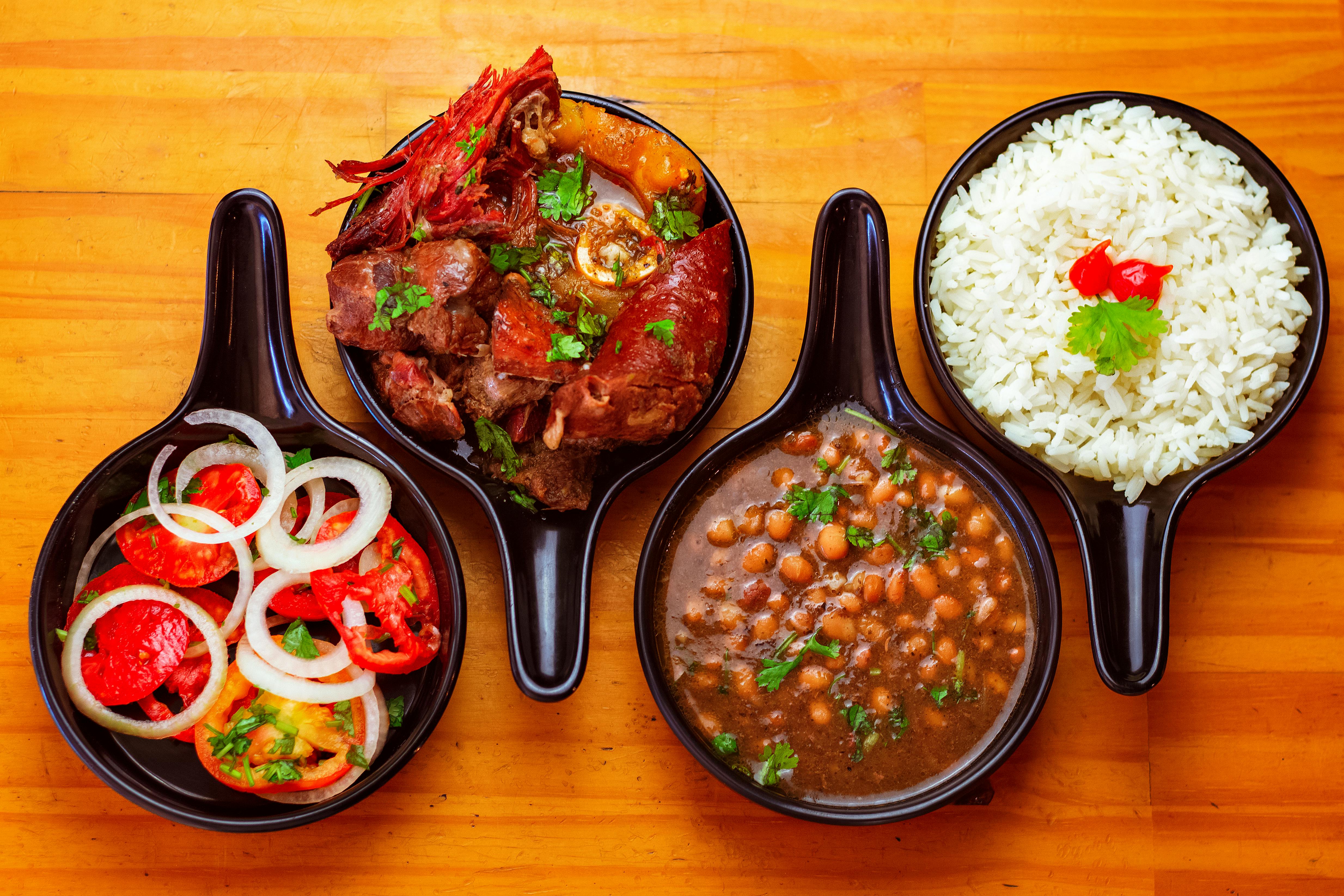
Some restrictions are not about danger so much as disruption. Arenas commonly discourage or prohibit large homemade meals brought from outside, especially foods with strong odours such as fish, garlic-heavy dishes, or heated leftovers packed into coolers. In shared seating, smell travels quickly and complaints follow even faster.
This kind of rule shows up most often in major venues with strict outside-food policies, but smaller arenas may intervene when a meal creates mess, attracts insects, or interferes with nearby spectators. Staff are usually responding to the practical reality of close quarters, not trying to police taste.
There is also a sanitation angle. Homemade foods are harder for venues to assess if there is a spill, an allergic reaction, or a complaint involving foodborne illness. By limiting bulky or pungent outside meals, arenas keep the seating bowl cleaner and maintain a more predictable environment during long games and tournaments.
Oversized coolers and bulk snacks
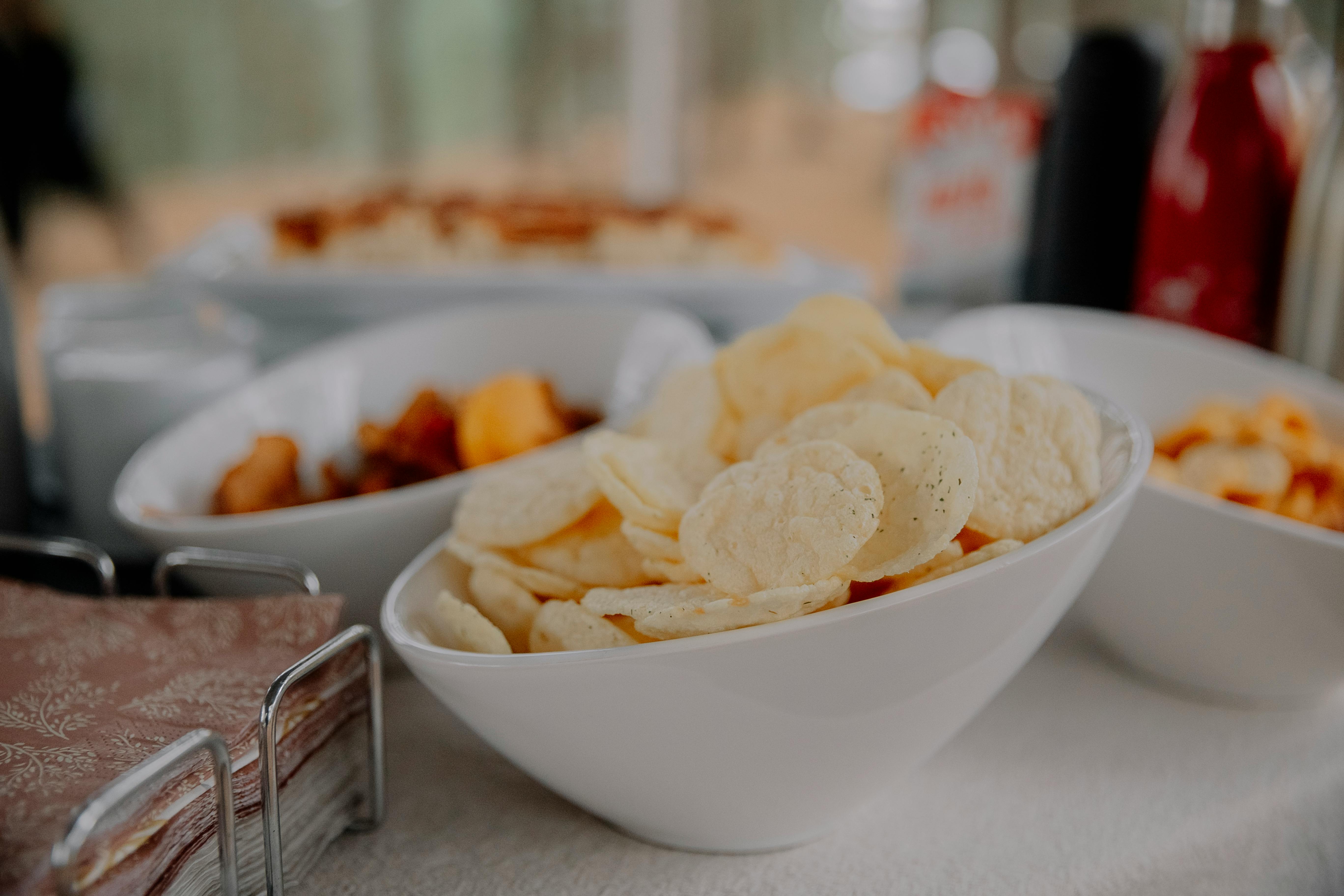
The issue with coolers is rarely the sandwich inside. It is the size, volume, and crowd impact of bringing picnic-style food into a building designed for fast-moving foot traffic. Many Canadian arenas restrict coolers, large food bags, and bulk snack containers at entry points for that reason.
In practice, these rules matter most during day-long tournaments when parents naturally want to carry drinks, fruit, and team snacks. Venues often respond with compromise, allowing small personal items while blocking hard-sided coolers or large shared quantities. Security teams also worry that oversized containers slow screening and create congestion at doors and aisles.
There is an economic layer too. Concession contracts help fund arena operations, especially in privately managed facilities and major junior venues. While community rinks may be more flexible, many still limit bulk outside food to protect sales that support ice maintenance, staffing, and programming. Restriction, in other words, often doubles as revenue protection.
Hot liquids and spill-prone foods

A final category often restricted more quietly is food that is easy to spill or dangerous when dropped. Hot soup, uncovered coffee, extra-large fountain drinks, and heavily sauced items can become a problem on steep arena stairs and in tightly spaced rows. One stumble can affect multiple people at once.
That risk is why some venues insist on lids, limit cup sizes, or discourage fans from carrying several hot items back to their seats. During high-attendance games, ushers may even pause movement in certain aisles until play stops, reducing the chance of spills while spectators are distracted by the action.
The concern is partly comfort and partly liability. Burns from hot drinks, slippery steps from spilled soda, and stained seating all create avoidable headaches for arena staff. Restricting messy or high-temperature foods may seem minor, but in a hockey arena, small precautions can prevent big disruptions.




Leave a Reply