
Canada's food scene is shifting fast, and the changes are easy to spot in restaurants, grocery aisles and home kitchens. These six trends stand out because they connect to how Canadians want to eat now: with more flavour, more flexibility and more curiosity about where food comes from.
Hot honey everywhere
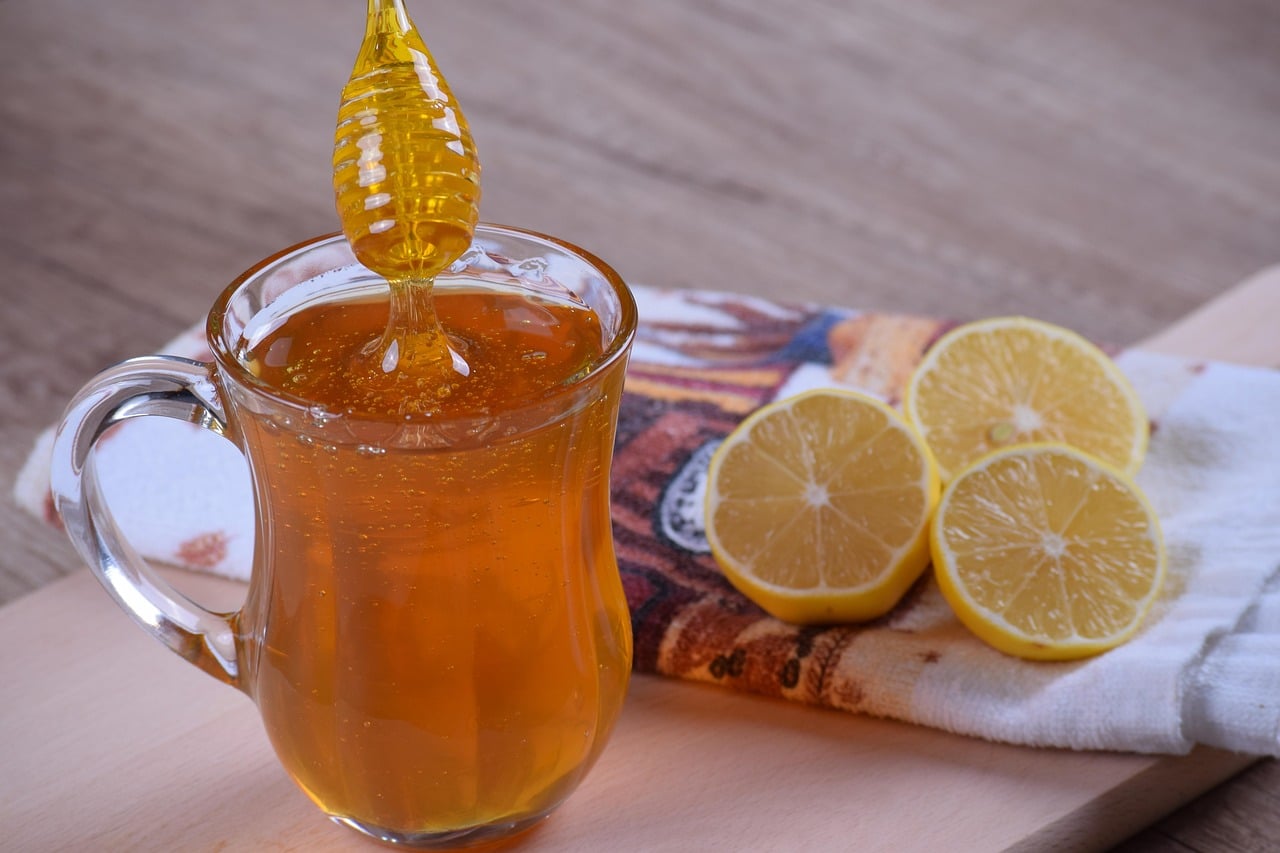
Sweet heat has moved from a niche topping to a mainstream flavour profile in Canada. Hot honey is showing up on pizza, fried chicken, breakfast sandwiches and even cocktails, because it adds two tastes at once without much effort.
Its rise also fits how restaurants build broad appeal. Heat can be exciting, but sugar softens the edge, making spice more approachable for a general audience. That balance helps explain why hot honey works across fast food, casual dining and home cooking.
For photos, this trend is ideal because a single drizzle tells the story. A close shot of pizza crust, fried chicken or a biscuit with glossy hot honey instantly captures what Canadians are seeing on menus right now.
Zero proof drinks get serious

What used to be treated like an afterthought is now a real drinks category. Across Canada, bars and restaurants are investing more effort in alcohol free cocktails made with house syrups, botanical ingredients and the same kind of glassware and presentation used for classic mixed drinks.
The shift reflects a broader change in drinking habits. Some people want to cut back on alcohol completely, while others simply want another option during a meal or social night out. Either way, they expect more than juice in a fancy glass.
This trend is also easy to picture in one frame. A polished zero proof cocktail with citrus peel, herbs and clear ice communicates that the category has matured and that nonalcoholic drinking is now part of mainstream dining culture.
Chili crisp crosses over
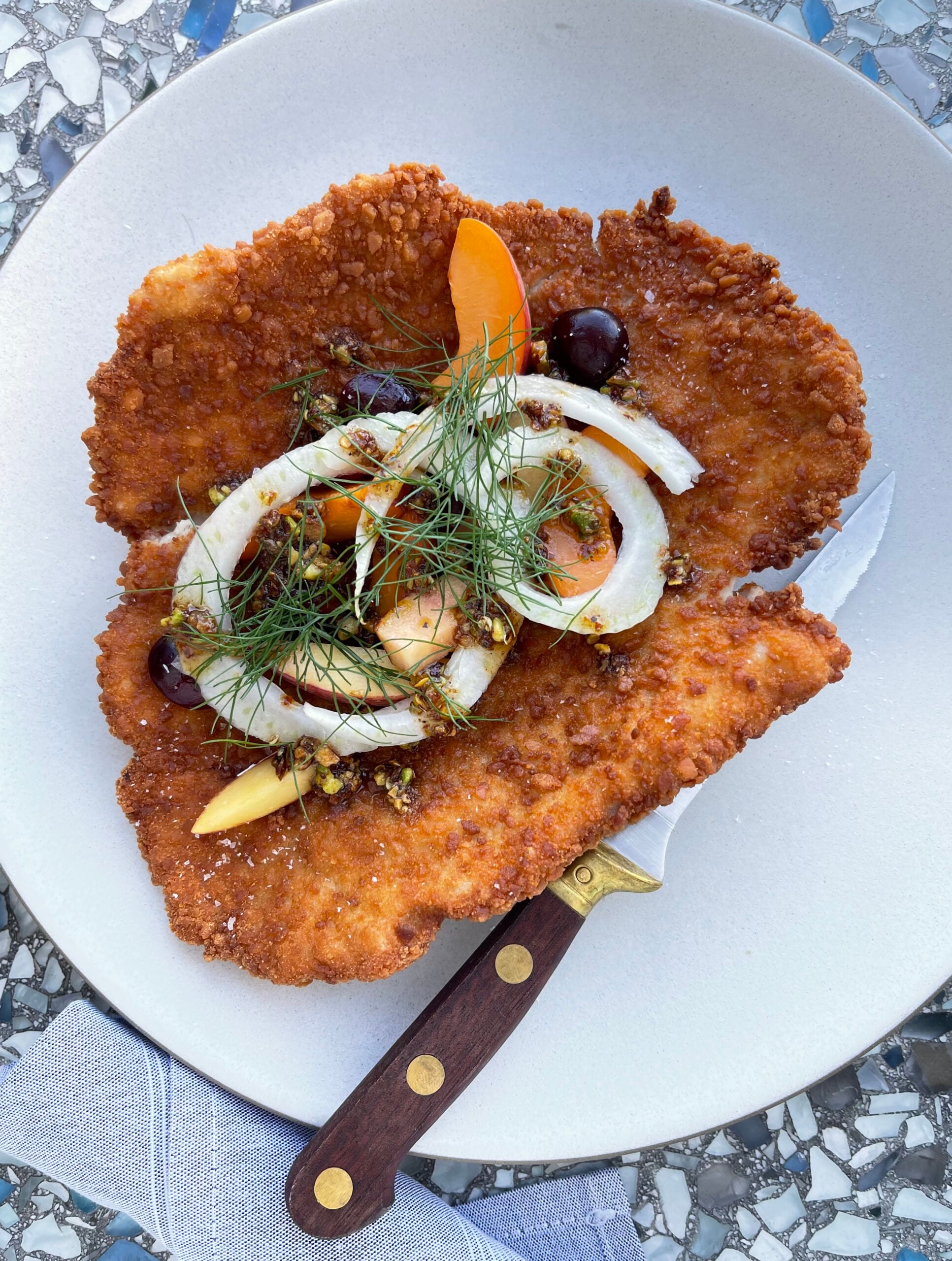
A spoonful of chili crisp can change an entire dish, which helps explain its growing popularity in Canada. The condiment brings heat, crunch and savoury depth, and it works on dumplings, noodles, eggs, roasted vegetables and even vanilla ice cream.
Its appeal comes from texture as much as taste. Unlike a smooth hot sauce, chili crisp adds audible crunch and visible bits of chili, garlic and oil. That layered experience makes it especially attractive to home cooks who want a quick way to make simple food feel more interesting.
Visually, it is one of the strongest trends in this gallery. A jar of chili crisp beside noodles or a fried egg gives a clear, photographable snapshot of how one pantry item is influencing everyday eating.
Pistachio takes over desserts

Pistachio has become a standout flavour in bakeries, cafes and dessert counters across Canada. It feels richer and more distinctive than standard vanilla or chocolate, and its natural green colour gives pastries, gelato and cakes an instantly recognizable look.
Part of the appeal is that pistachio suggests a little luxury without feeling inaccessible. It can show up in a croissant, soft serve, cheesecake or latte, and each version feels current rather than old fashioned. That flexibility makes it useful for both independent bakeries and larger chains.
This is also a strong visual trend. A pistachio cream filled pastry or a scoop of pale green gelato offers the kind of clean, high impact food image that works especially well in a swipeable gallery format.
Tinned fish gets a modern image
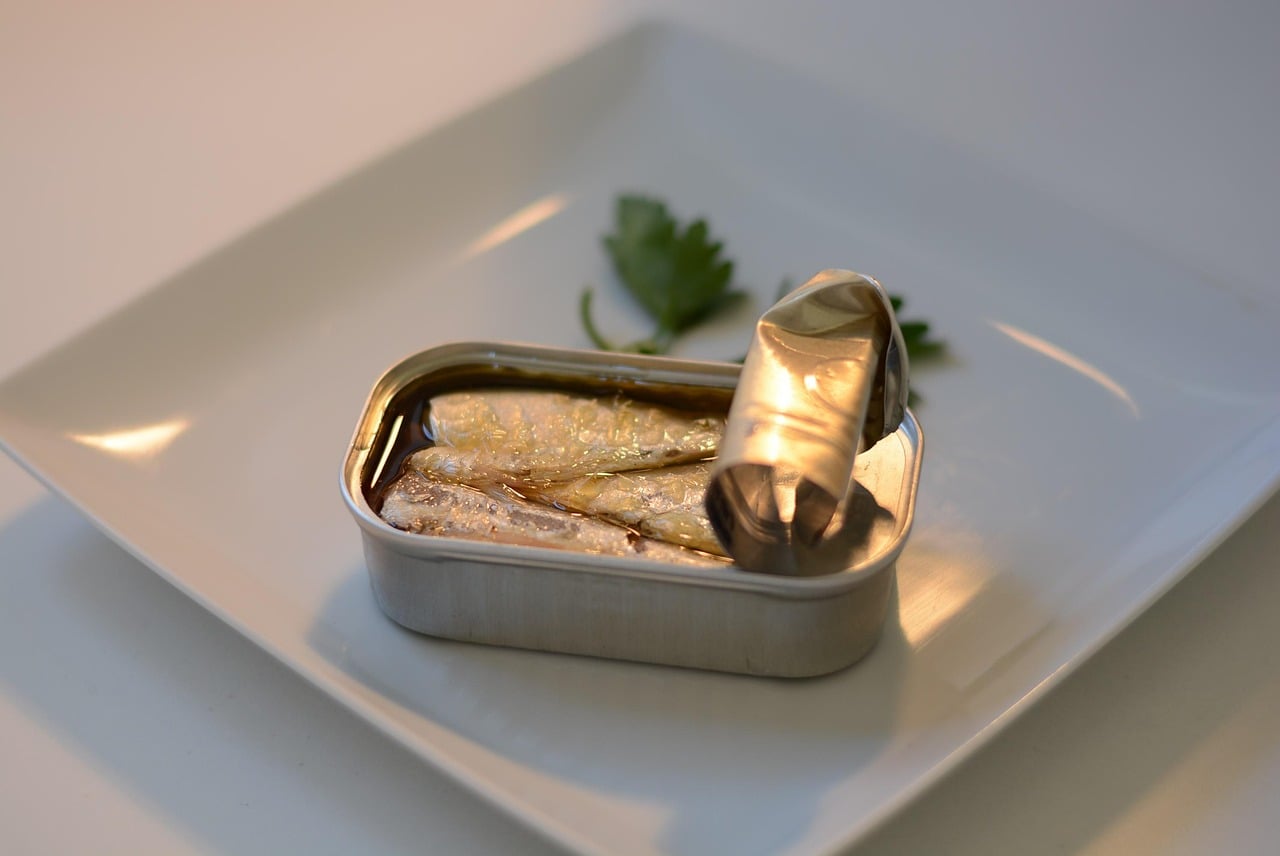
Tinned fish has been reintroduced to many Canadians as something more than a pantry backup. Sardines, anchovies, mackerel and tuna packed in oil or sauce are now being framed as stylish, practical and flavourful, especially when served with bread, butter, pickles or chips.
The trend connects with convenience, but it also taps into presentation. A neatly opened tin on a small plate can look intentional and appealing, which is a big shift from the old image of canned seafood as strictly utilitarian food.
That makes this trend unusually photo friendly. A table scene with an open tin, crackers and lemon wedges captures both the retro feel and the modern upgrade that is helping tinned fish find a bigger audience in Canada.
Filipino flavours move further into the spotlight
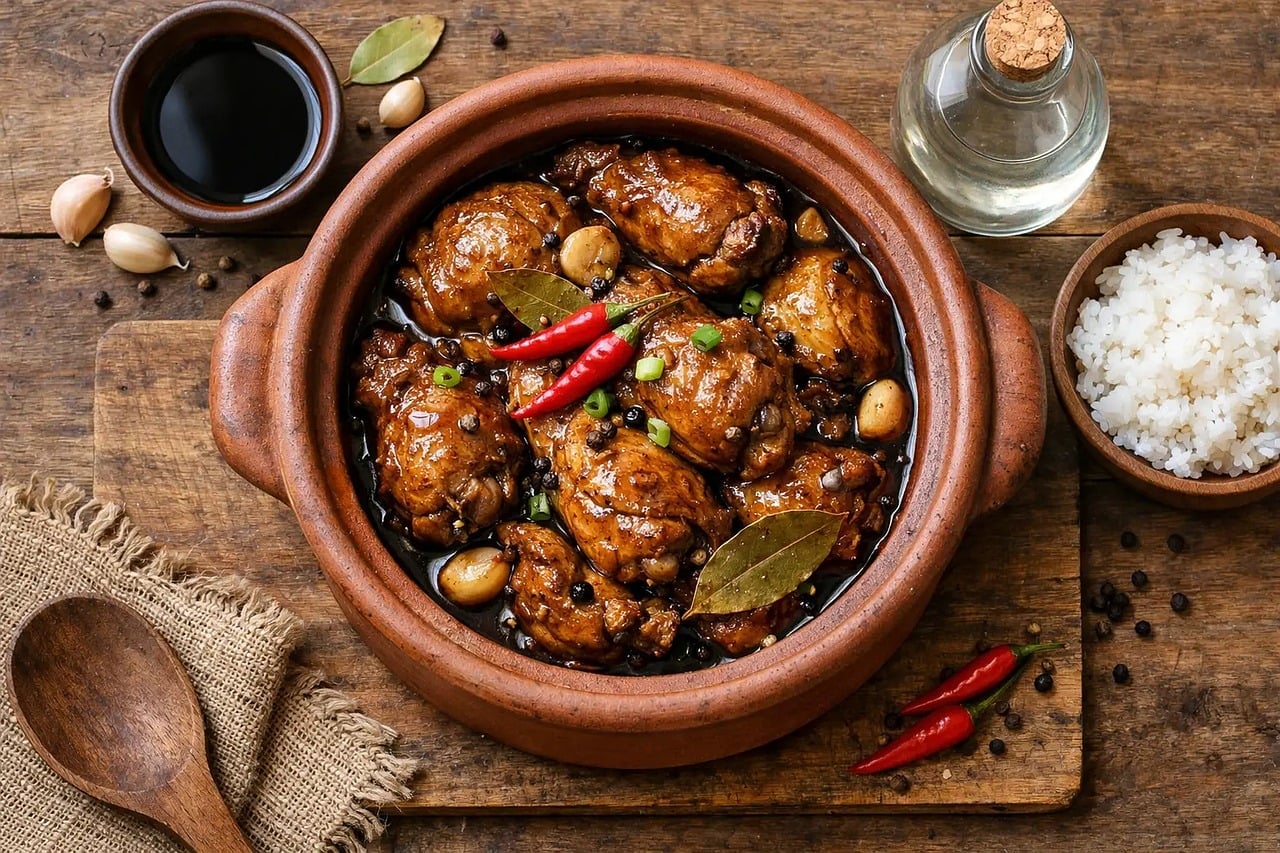
Filipino food is gaining more visibility in Canada, with dishes like ube desserts, chicken adobo and lumpia reaching wider audiences. The growth reflects both Canada's Filipino communities and a broader appetite for regional cuisines with strong identity and comforting flavours.
Ube has often been the visual entry point because its purple colour stands out in cakes, soft serve and pastries. But the trend goes beyond eye catching sweets. Savoury dishes with vinegar, garlic, soy and pepper show the range and depth that make Filipino food so memorable.
For a final slide, this trend brings both colour and cultural context. A vivid ube dessert or a plate of adobo offers a satisfying close because it represents not just a single ingredient, but a wider expansion of what mainstream Canadian dining now includes.



Leave a Reply