
Space changes more than movement and sleep. It also quietly rewires one of the most familiar human experiences: the way food tastes.
Your nose does less of the work in orbit
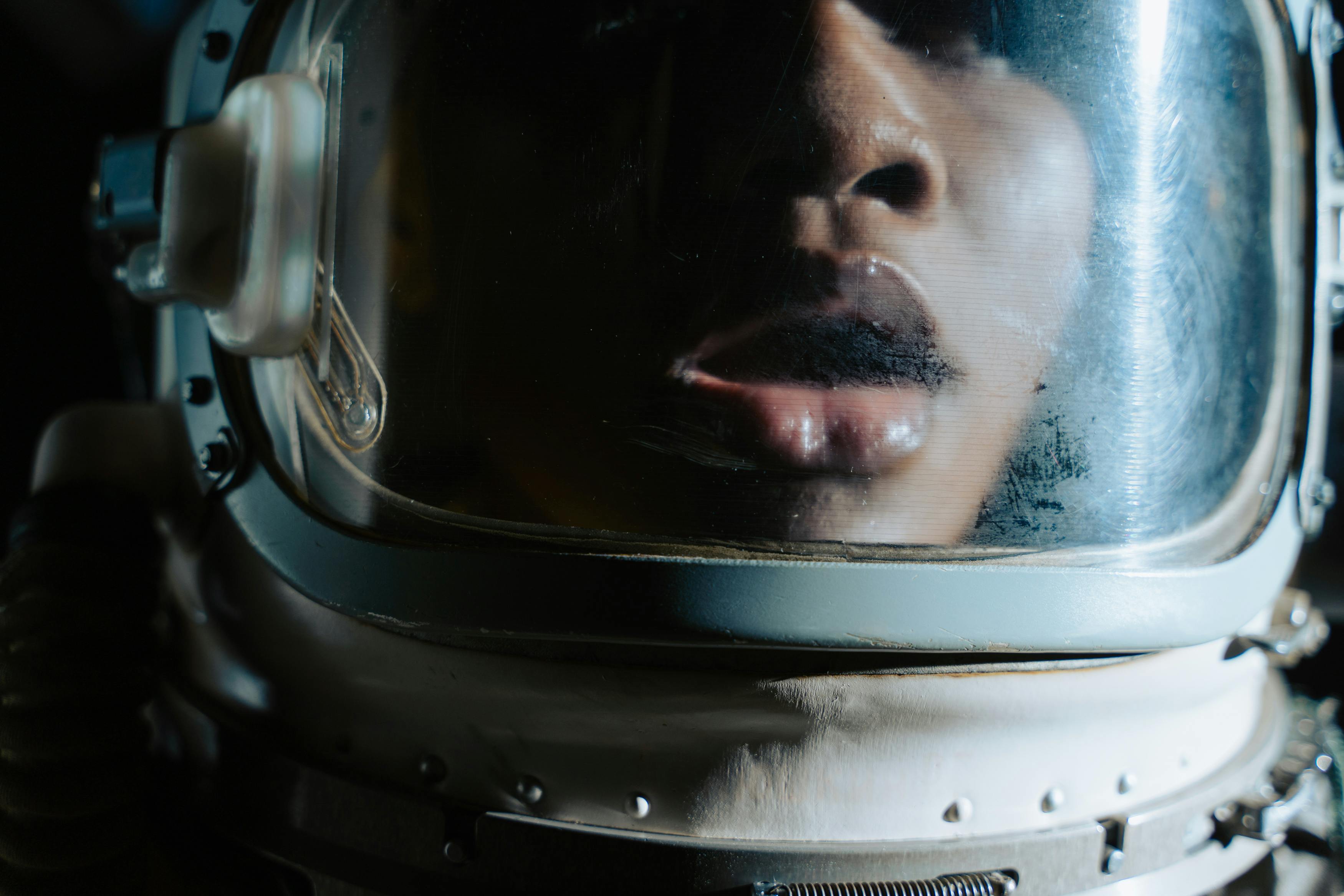
The first surprise is that taste loss in space is often really a smell problem. Flavor depends heavily on aromas traveling from the mouth to the nose, and that process changes when the body enters microgravity.
Astronauts experience a headward fluid shift because bodily fluids no longer pool in the legs the same way they do on Earth. Many describe it as feeling like a head cold or nasal congestion. When the nose feels stuffy, subtle aromas become harder to detect, and foods seem flatter.
NASA crews have repeatedly reported craving stronger seasonings for this reason. Former astronauts have often reached for hot sauce, salsa, and sharply seasoned foods because bold flavors cut through reduced aroma perception better than delicate ones.
Basic tastes still work, but they can seem less vivid

Here is the key distinction: the tongue still detects sweet, salty, sour, bitter, and umami in space. Zero gravity does not switch those receptors off, but the overall impression of food can feel weaker or less rounded.
Researchers studying astronauts and analog environments have found that sensory perception changes under stress, confinement, and altered physiology. In orbit, that means a familiar meal may register as recognizable, yet less satisfying than it would on Earth.
This is why menu design for space missions focuses on intensity and balance. Foods with acid, spice, and savory depth tend to perform better than mild dishes. Tomato-based meals, seasoned meats, and strongly flavored spreads are often more appealing than lightly seasoned options.
Texture matters more when flavor seems muted

When taste becomes less exciting, texture starts pulling extra weight. Crunch, chew, creaminess, and moisture become major parts of the eating experience, especially when aroma cues are reduced.
Space agencies have long had to think carefully about texture because crumbs and floating particles can interfere with equipment. That is one reason tortillas became a favorite on the International Space Station. They are practical, neat, and versatile in a way crumbly bread is not.
Texture also affects appetite. A meal that feels dry, sticky, or awkward to handle can be less enjoyable even if the flavor is acceptable. In microgravity, where food handling already requires effort, pleasing texture can make the difference between eating enough and losing interest.
Spicy foods often become stars of the menu
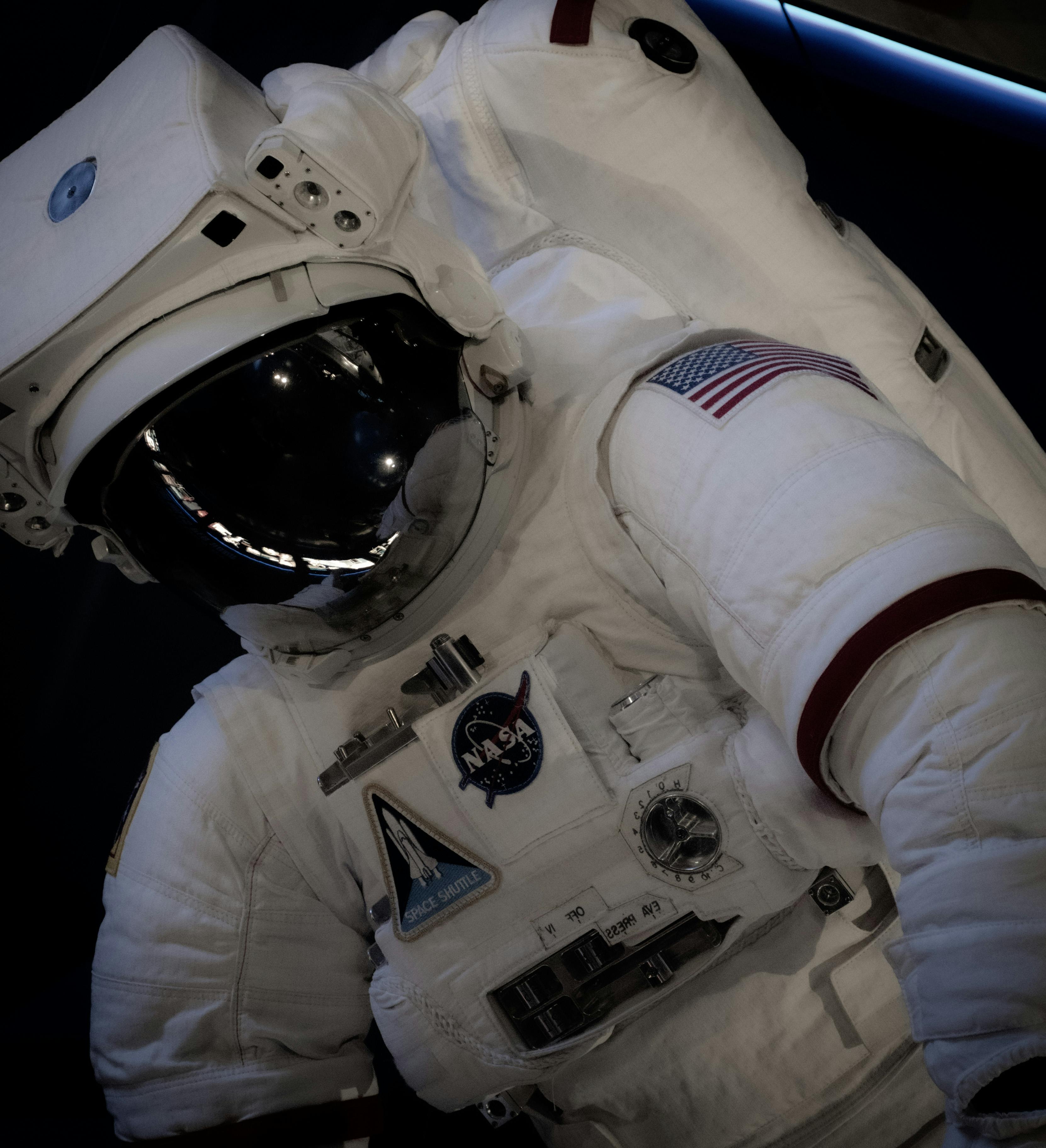
Many astronauts do not just tolerate spicy food in orbit. They actively want it. That pattern has been reported for decades and fits what scientists know about diminished aroma and the appeal of strong sensory signals.
Capsaicin, the compound that gives chili peppers their heat, is not a taste in the strict sense. It stimulates pain and heat receptors. That makes it useful in space because even when aroma seems dulled, the burn remains vivid and noticeable.
This helps explain the popularity of hot sauce aboard missions. Astronaut stories frequently mention sauces, horseradish, and punchy condiments that make meals feel livelier. Strong spice can restore excitement to eating, which matters when crews depend on consistent nutrition for performance and health.
Packaging and preparation shape taste too

Not every flavor change in space comes from human biology. Some of it comes from how food must be engineered, stored, and served. Space food often arrives thermostabilized, freeze-dried, vacuum-sealed, or irradiated to keep it safe and shelf-stable.
Those methods are effective, but they can affect aroma release, moisture, and texture. A dish that tastes bright when freshly cooked on Earth may seem softer, denser, or less fragrant after long storage and rehydration in orbit.
Temperature adds another layer. Foods served warm usually release more aroma than cold ones, which is one reason heating matters so much for perceived flavor. In space, preparation options are limited, so menu planners work hard to preserve variety and sensory appeal within tight technical constraints.
Appetite, mood, and health are part of the flavor story
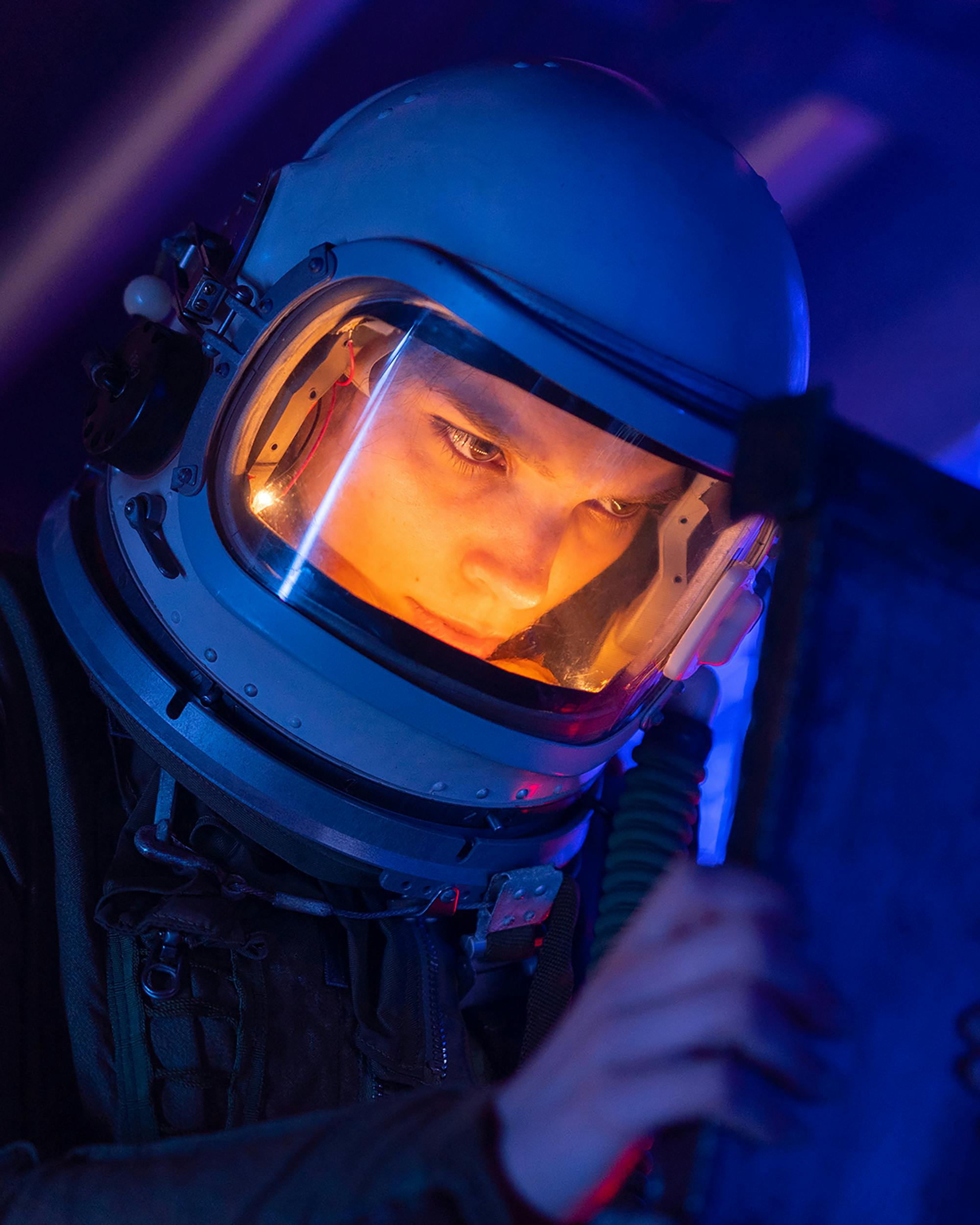
Taste in space is not just about the tongue and nose. Appetite is shaped by workload, sleep disruption, stress, motion sickness, and overall adaptation to life in orbit. During the first days of a mission, some astronauts simply do not feel like eating much.
That matters because reduced intake can affect body mass, muscle maintenance, and mission performance. According to space nutrition research, keeping astronauts interested in food is a serious operational issue, not a minor comfort concern.
The future of long missions to the Moon or Mars will likely push food design even further. Scientists are studying fresher ingredients, better preparation systems, and more personalized menus. The goal is simple but important: make food appealing enough that crews will actually want to eat well, even millions of miles from home.



Leave a Reply