
What lands on a plate can carry a passport of its own. In Canada, that passport is shaped by law, history, geography, and public debate.
"Canadian" on a label is often a legal claim, not a cultural one
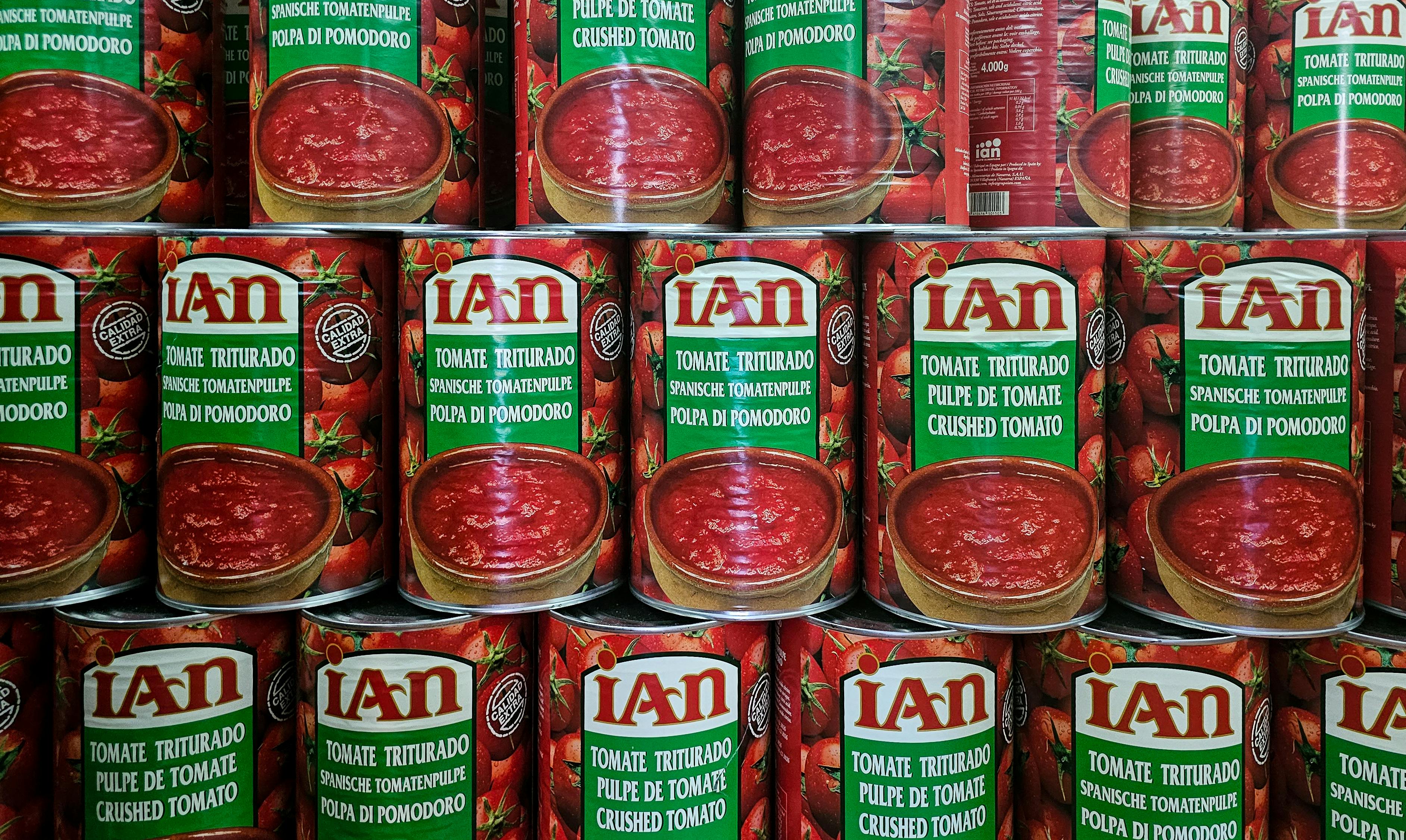
The first thing to understand is that "Canadian" food can be defined by regulation before it is defined by memory. The Canadian Food Inspection Agency and federal labeling rules play a major role in deciding when producers can use terms like "Product of Canada" or "Made in Canada."
That distinction matters. "Product of Canada" generally means nearly all major ingredients, processing, and labour are Canadian, while "Made in Canada" can still apply when imported ingredients are transformed here. Those phrases sound similar to shoppers, but legally they describe very different things.
A frozen pizza, for example, may be made in Ontario with imported tomatoes and spices, yet still qualify under a manufacturing claim. By contrast, a block of cheddar made from Canadian milk and processed domestically fits a much stronger origin standard. So one major fact is simple: official "Canadian-ness" often starts with packaging law.
Agriculture and geography shape the national food identity
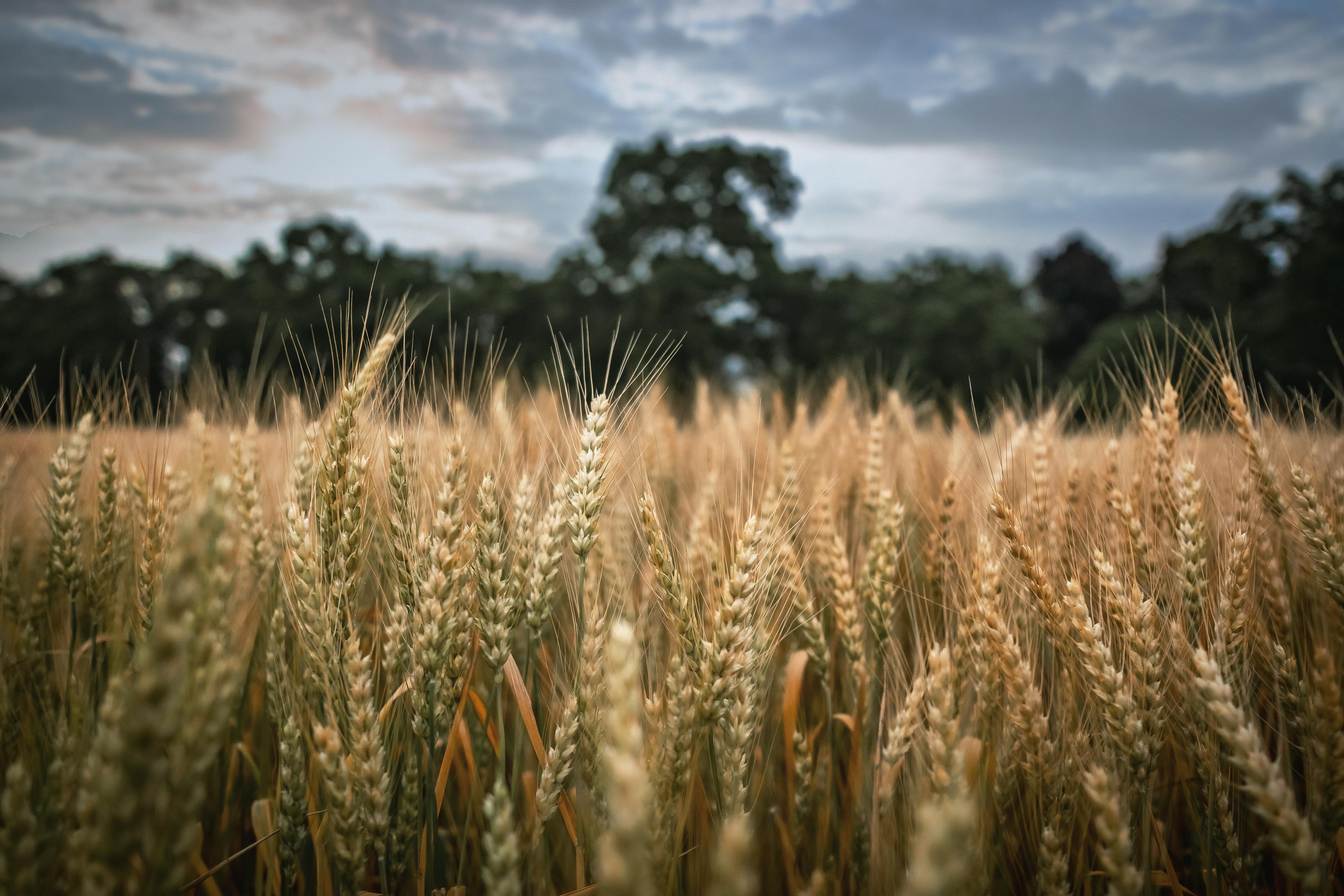
A country this large does not produce one unified cuisine in the same way smaller nations sometimes do. Canada decides what feels nationally representative by looking, in part, at what grows, swims, or is raised across its regions.
Prairie wheat, Atlantic lobster, Pacific salmon, Quebec maple syrup, wild blueberries, canola, and dairy are not just ingredients. They are tied to climate, land use, export history, and local economies. Statistics Canada data on agricultural output helps explain why some foods become symbolic while others remain niche.
Geography also limits the story. Citrus, coffee, cacao, and many spices are central to everyday Canadian eating, but they are not native production staples. That means national food identity is often built from a mix of domestic raw materials and imported tastes, which makes the Canadian standard broader than a simple farm map.
Indigenous food traditions are foundational, not optional

Any serious definition of Canadian food begins before Confederation. Indigenous foodways shaped how people harvested, preserved, traded, and understood ingredients across this land long before modern Canada existed.
Foods such as bannock, wild rice, Arctic char, berries, moose, seal, corn, beans, squash, and maple products are part of that story, though each carries its own regional and cultural context. It is important not to flatten hundreds of First Nations, Inuit, and Métis traditions into one national menu.
Recent museum, academic, and culinary work in Canada has pushed this point more clearly into public view. When chefs and historians talk about "Canadian" cuisine now, many argue that Indigenous knowledge is not a side note. It is one of the deepest tests of authenticity available.
Immigration has changed the benchmark for authenticity
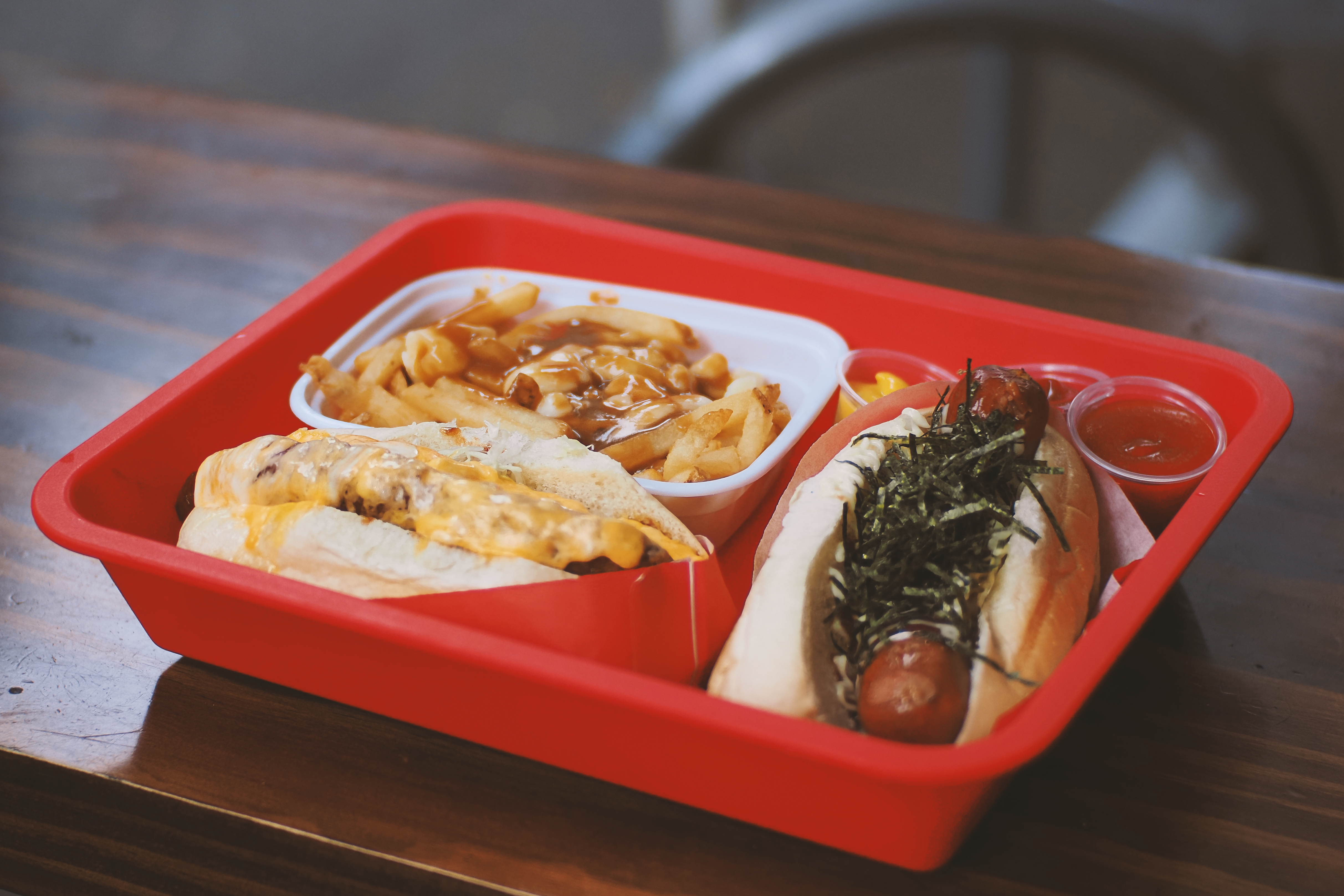
Canada does not decide food identity by purity. In practice, it often decides it by endurance, adoption, and community scale. That is why foods with roots elsewhere can become unmistakably Canadian over time.
Butter chicken poutine, Montreal bagels, Nanaimo bars, Hawaiian pizza, California rolls made for North American diners, and ginger beef from Calgary all show this pattern. Some were invented in Canada, while others were transformed here in response to local tastes, available ingredients, or multicultural city life.
This is not confusion. It is the logic of a settler society shaped by migration. When a dish is created in Canada, sold across generations, and woven into daily life, many Canadians accept it as part of the national food canon, even if its ancestry crosses several borders.
Public recognition matters almost as much as formal rules

Not every food becomes "Canadian" because Ottawa says so. Public attachment, tourism, restaurant culture, and media storytelling all influence which dishes rise to national status.
Poutine is the clearest case. It began as a regional Quebec dish, but decades of repetition in cookbooks, food television, chain menus, and travel writing turned it into a country-wide symbol. The same is true, in different ways, for tourtière, Caesar cocktails, peameal bacon, and butter tarts.
Branding matters here as much as heritage. Provincial marketing boards, festivals, and destination campaigns help fix certain foods in the public mind. In other words, Canadian food is partly decided by who keeps telling the story, and whether enough people recognize the claim as believable.
There is no single authority that settles the question forever

The final fact is the most revealing: no one institution has complete control over what counts as Canadian food. Regulators govern labels, historians examine origins, chefs reinterpret tradition, and consumers decide what survives.
That is why arguments persist. Is a dish Canadian because it was invented here, because its ingredients are domestic, because communities embrace it, or because it reflects the country's values of regional diversity and cultural mixing? Often, the answer is yes to more than one standard.
So Canada decides food identity through overlap, not a single test. A food may be legally Canadian, culturally Canadian, regionally Canadian, or commercially Canadian without satisfying every category at once. That flexible system can be messy, but it is also a remarkably accurate portrait of the country itself.


Leave a Reply