
Chefs love eating out, but they do not read menus like most diners. They look for warning signs hidden in plain sight.
Fish on Monday

A chef's first question is rarely whether fish sounds delicious. It is whether the restaurant has strong seafood turnover and truly fresh deliveries. In many markets, the old rule about avoiding fish on Monday came from weekend supply gaps, when restaurants were more likely to be serving product delivered days earlier.
That advice is less absolute now because modern logistics have improved. Still, many chefs remain cautious with seafood at restaurants that are not known for it. Delicate fish deteriorates quickly in texture, aroma, and flavor, and even careful cooking cannot fully disguise age once the flesh starts losing its clean, firm character.
Industry buyers often note that high-volume seafood houses move inventory fast, while generalist restaurants may carry fish more slowly. Chefs know that a beautiful menu description means little if the kitchen is trying to stretch expensive perishable stock. If they do order fish, they usually choose places with a clear reputation for sourcing and turnover.
Truffle Oil Everything

The word truffle can make any dish sound luxurious, which is exactly why many chefs distrust it. A large share of truffle oil used in restaurants is not made by infusing real truffles but by adding synthetic aroma compounds that create an aggressive, one-note scent.
Professional cooks often describe that smell as overpowering rather than refined. Instead of adding depth, it can flatten a dish and mask weak ingredients underneath. Fries, pasta, and pizza become vehicles for perfume rather than balanced food, which is one reason chefs frequently skip anything heavily marketed around truffle oil.
This skepticism is rooted in ingredient literacy. Real truffles are expensive, seasonal, and subtle, so many chefs would rather order a dish that highlights honest produce, butter, herbs, or cheese. When a menu leans on truffle oil to signal luxury, experienced diners sometimes read it as a shortcut rather than craftsmanship.
Well-Done Steak at a Midrange Spot

Chefs judge steakhouses by how they treat beef, but they also know where quality gets hidden. Ordering a steak well-done can make it harder to detect whether the cut was exceptional to begin with, because prolonged cooking tightens the meat and strips away some of the nuance in texture and fat.
At midrange restaurants, that creates a second concern: value. If a place is not a serious steak destination, the kitchen may rely on sauces, compound butters, or heavy sides to do the work. Chefs usually prefer to spend that money on dishes where technique matters more than the raw ingredient's prestige price.
Many chefs will still order steak when the restaurant has a strong reputation for sourcing, aging, and precise cooking. What they often avoid is the generic, expensive steak sitting on a broad menu full of unrelated cuisines. To them, that can signal a crowd-pleaser item with a high markup and uneven execution.
Off-Menu Specials with Vague Descriptions

Specials can be exciting, but chefs listen carefully to how they are presented. If a server gives a long, enthusiastic pitch that stays vague on ingredients, preparation, or origin, experienced diners sometimes suspect the dish was designed to move inventory that needs to be sold quickly.
That does not mean every special is a warning sign. Good restaurants use specials to showcase seasonal produce, a fresh catch, or a cook's creativity. The difference is clarity. Chefs tend to trust specials when the staff can explain exactly what the dish is, why it is available that night, and what makes it timely.
Restaurants manage food cost tightly, and specials are one classic tool for reducing waste. Chefs understand that reality because they have used the same strategy in their own kitchens. When a special sounds more like a sales script than a clearly defined plate, many of them simply move on to something else.
Hollandaise at Brunch Rush

Brunch looks relaxed in the dining room, but behind the scenes it can be one of the most chaotic services of the week. That is why many chefs approach hollandaise with caution, especially in busy spots where eggs Benedict is flying out and sauce may be sitting too long in less-than-ideal holding conditions.
Hollandaise is an emulsion of egg yolks, butter, and acid, and it is notoriously fragile. It can split, congeal, or drift into the temperature danger zone if handled carelessly. Food safety agencies have long stressed careful time and temperature control for egg-based sauces, and chefs know how easy it is for standards to slip during a slammed brunch service.
In strong kitchens, hollandaise can be excellent. But chefs often ask themselves whether the restaurant is detail-oriented enough to make and hold it properly. If the operation already looks stretched, they may choose simpler egg dishes that put less pressure on both the line cooks and the sauce.
Towering Desserts No One Finishes
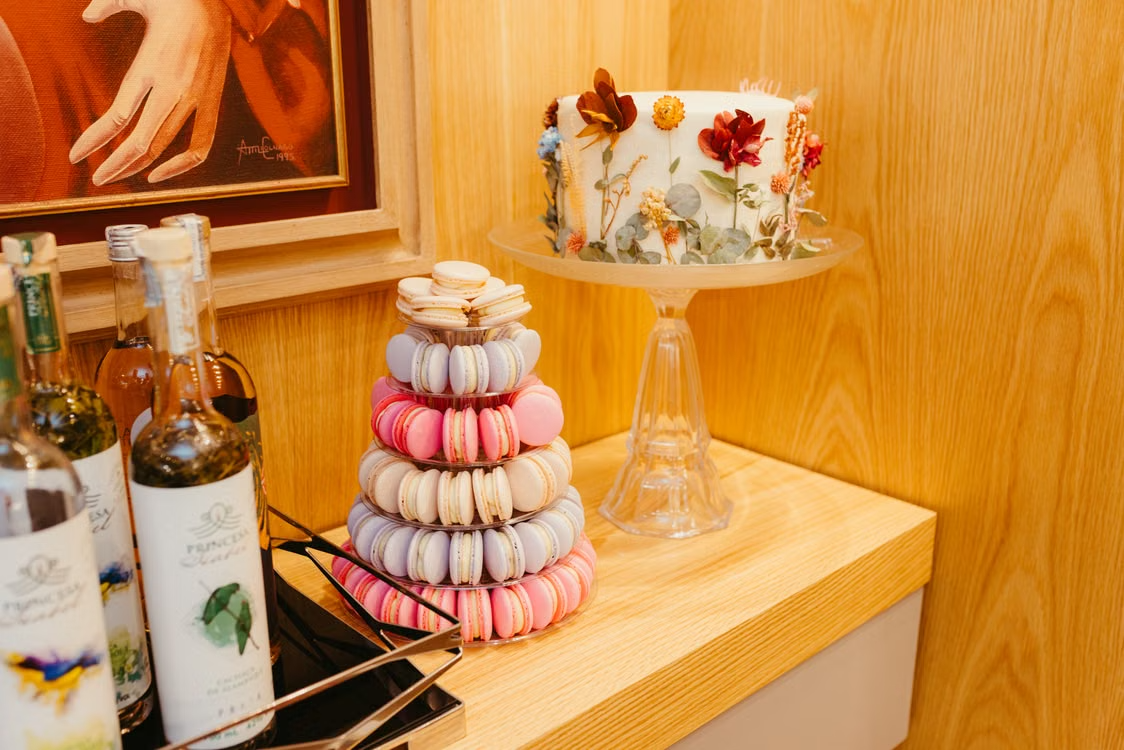
Dessert tells chefs a lot about a restaurant's priorities. When the final course arrives as an oversized construction loaded with syrup, whipped topping, and gimmicky garnishes, many professionals suspect the goal is spectacle and margin rather than flavor, balance, or pastry skill.
Restaurant consultants have long observed that desserts can be among the highest-markup items on a menu. Chefs know that giant slices of cake and skillet cookies are often designed for sharing and impulse ordering, which is smart business. It is less impressive, however, when size becomes a distraction from stale cake, freezer burn, or overly sweet components.
For that reason, many chefs gravitate toward concise desserts with clear technique. A well-made tart, sorbet, or custard reveals far more than a sugar bomb dressed for social media. In their view, the best sweets feel deliberate, fresh, and proportionate, not engineered to leave half the plate untouched.



Leave a Reply