
The foods most linked to cancer risk are not always rare or exotic. In many cases, they are everyday staples that become more concerning because of how often people eat them and how they are processed.
Processed Meats

Few foods have been studied as closely in this area as processed meats. Bacon, hot dogs, sausages, deli meats, and ham are regularly flagged by cancer specialists because they often contain preservatives such as nitrites and nitrates.
The World Health Organization's cancer research arm classified processed meat as carcinogenic to humans after reviewing a large body of evidence. The strongest link has been seen with colorectal cancer, though researchers continue studying possible effects on stomach and pancreatic cancers as well.
Part of the concern comes from compounds formed during processing and preservation. Nitrites can turn into N-nitroso compounds in the body, and these chemicals have long been associated with cancer development in animal and human research.
Doctors are not saying that one sandwich causes cancer. The issue is repeated exposure over time. People who eat processed meats often can lower risk by treating them as occasional foods rather than daily protein sources.
Red Meat Cooked at High Temperatures
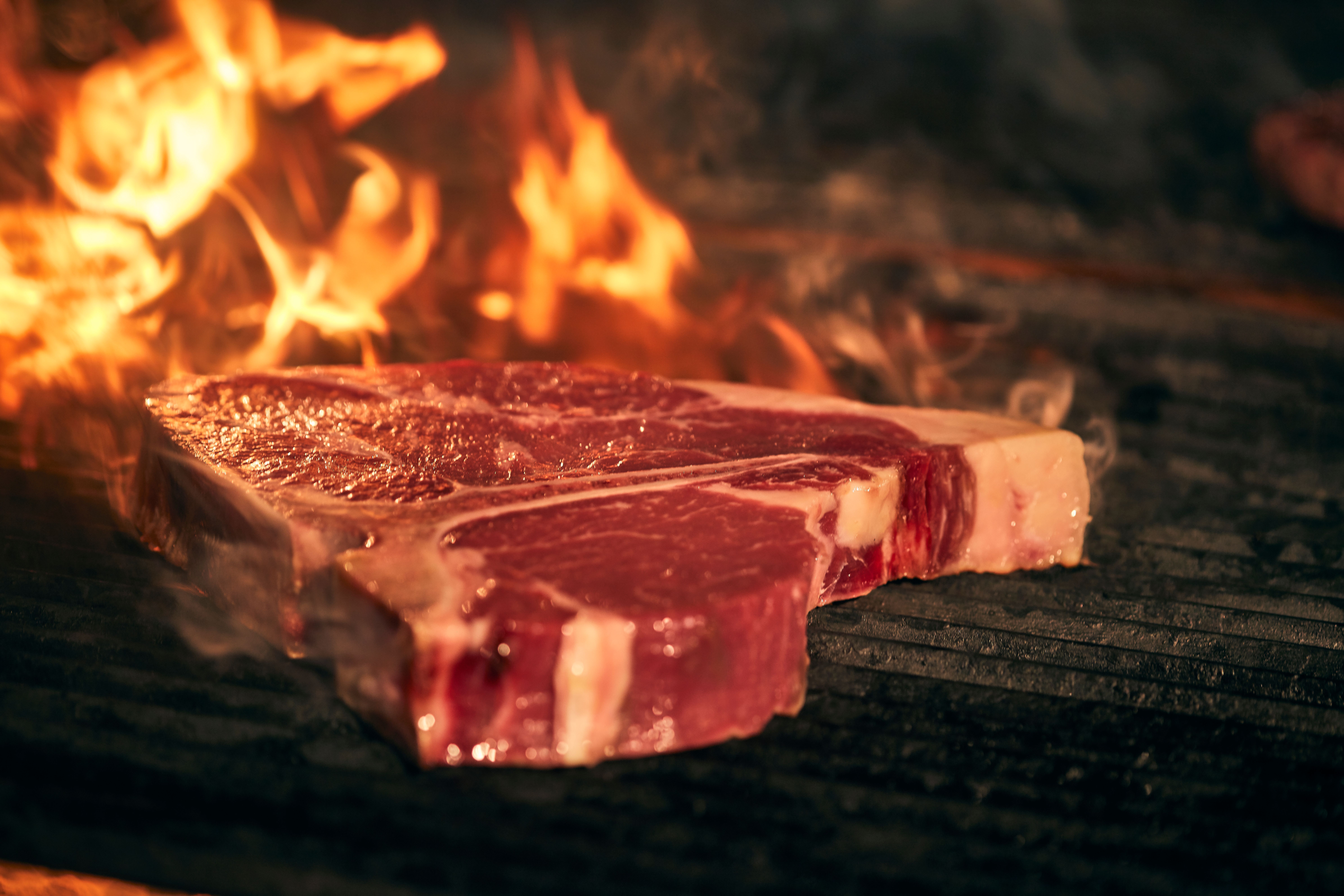
It is not only what you eat, but how you cook it. Beef, pork, and lamb can become more problematic when they are grilled, pan-seared, or charred at very high temperatures.
Researchers have focused on chemicals called heterocyclic amines and polycyclic aromatic hydrocarbons. These can form when muscle meats are cooked over intense heat or when fat drips onto flames and creates smoke that coats the food.
Several population studies have linked high intake of heavily cooked red meat with greater risk of colorectal, pancreatic, and prostate cancers. The evidence is not identical across every study, but the trend has been strong enough for many doctors to recommend moderation.
That does not mean people must stop eating red meat entirely. Better habits include smaller portions, lower-temperature cooking, avoiding blackened surfaces, and using methods like baking, stewing, or roasting more often than charring.
Alcohol

Alcohol surprises many people because it is a drink, not a food, yet doctors consistently include it in cancer risk discussions. Even moderate drinking has been tied to higher risk for several cancers, including breast, liver, colorectal, mouth, and esophageal cancers.
The main reason is ethanol and its breakdown product, acetaldehyde. Acetaldehyde can damage DNA and interfere with the body's ability to repair cells properly. Alcohol may also raise hormone levels and make it easier for other carcinogens, such as those in tobacco, to harm tissues.
Large public health reviews have found that cancer risk tends to rise with the amount consumed. While heavy drinking carries the greatest danger, researchers increasingly emphasize that there may be no completely risk-free level when cancer is the outcome being considered.
For people who drink, the practical message is reduction, not fear. Cutting back on frequency, portion size, and binge drinking can make a meaningful difference over time, especially when combined with other healthy lifestyle changes.
Ultra-Processed Foods

Ultra-processed foods are designed for convenience, shelf life, and taste, but those advantages may come with trade-offs. Packaged snack cakes, sugary cereals, instant noodles, chips, and many frozen ready meals often contain refined starches, additives, emulsifiers, excess salt, and unhealthy fats.
A 2024 study and several earlier observational studies found that diets high in ultra-processed foods were associated with increased risk for certain cancers, particularly colorectal cancer. Scientists are still sorting out whether the danger comes from the food additives themselves, the poor nutritional profile, or both.
Another issue is what these foods displace. People who rely heavily on ultra-processed products often eat fewer fruits, vegetables, beans, and whole grains, which are foods linked to lower cancer risk because they provide fiber and protective plant compounds.
Doctors usually focus on overall dietary pattern rather than demonizing a single packaged item. If most meals come from wrappers or drive-thrus, shifting even part of that intake toward minimally processed foods can improve long-term health.
Sugary Drinks and Excess Added Sugar

Sugar itself is not classified as a direct carcinogen, but doctors worry about what high sugar intake does to the body over time. Soft drinks, energy drinks, sweet teas, and heavily sweetened coffee beverages are major sources of excess calories with little nutritional value.
The strongest cancer connection here is indirect but important. Regular consumption of sugary drinks contributes to weight gain, insulin resistance, and obesity, all of which are established risk factors for multiple cancers, including endometrial, colorectal, breast after menopause, and liver cancer.
High-sugar diets may also promote chronic inflammation and metabolic stress. Some researchers are studying whether frequent spikes in insulin and blood glucose create an environment that helps tumors grow, though this area is still developing.
The safer takeaway is straightforward. Replacing sugary drinks with water, sparkling water, or unsweetened beverages can reduce calorie load quickly and support healthier body weight, which remains one of the most important cancer prevention steps.
Mold-Contaminated Grains, Nuts, and Corn
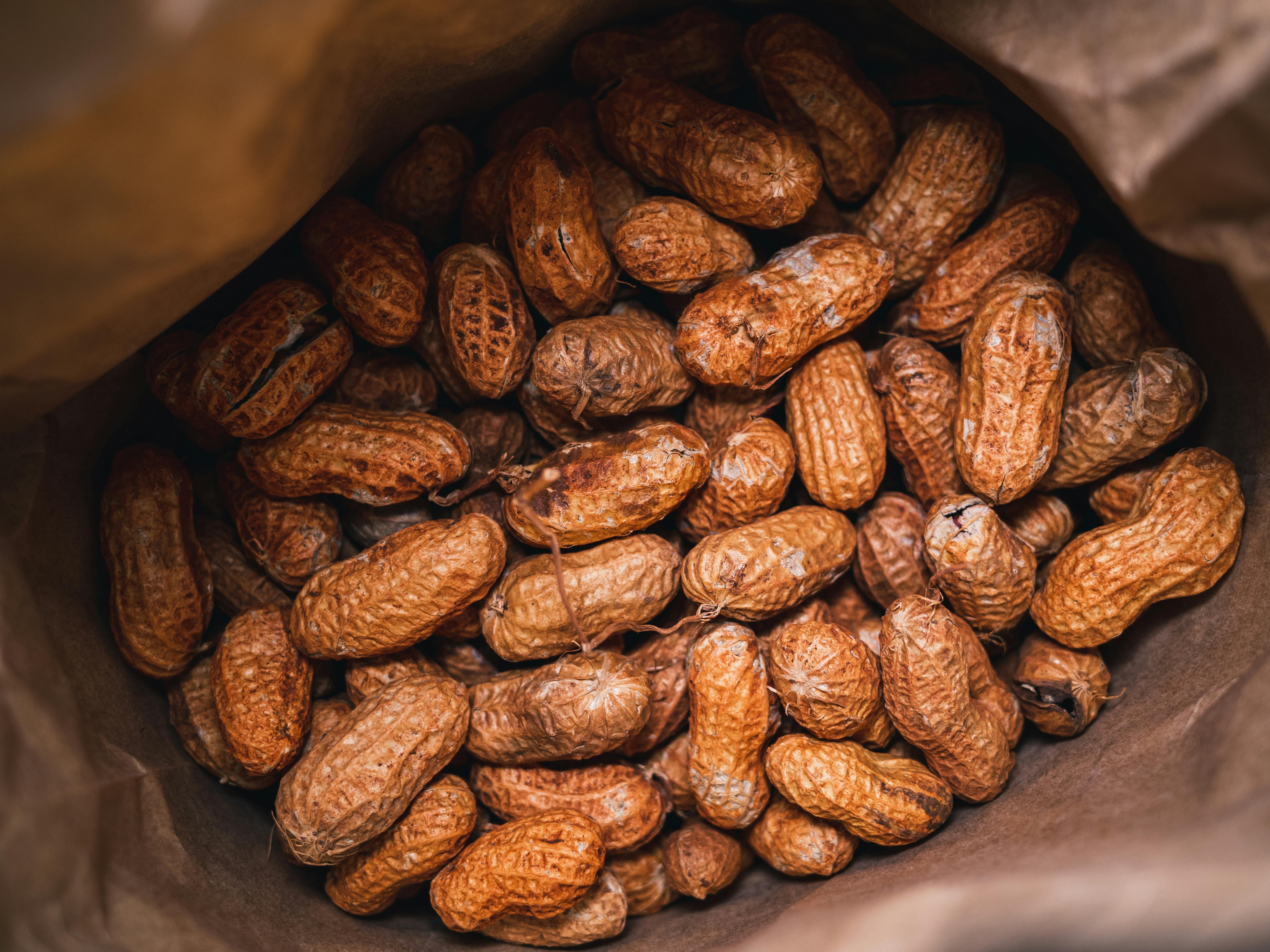
This risk gets less attention, but it matters globally. Certain grains, peanuts, tree nuts, and corn can be contaminated by molds that produce aflatoxins, which are among the most dangerous naturally occurring carcinogens known to medicine.
Aflatoxin exposure has been strongly linked to liver cancer, especially in regions where food storage conditions allow mold growth and where hepatitis infections are also common. Public health experts have spent years trying to reduce this risk through better crop monitoring and storage practices.
In many countries, food inspection systems keep aflatoxin levels low, but contamination can still occur. Consumers are most likely to encounter trouble through stale, damaged, or poorly stored foods, particularly items kept in warm, humid environments for too long.
Doctors view this as a reminder that food safety is part of cancer prevention too. Buying from reputable sources, storing foods properly, and discarding products that smell moldy or look discolored are simple habits that can reduce exposure.



Leave a Reply