
Chinese restaurant menus can feel timeless, but many of their biggest hits are surprisingly modern inventions. In fact, several staples of American Chinese dining were born far from China, shaped by immigration, commerce, and local taste.
Chop Suey
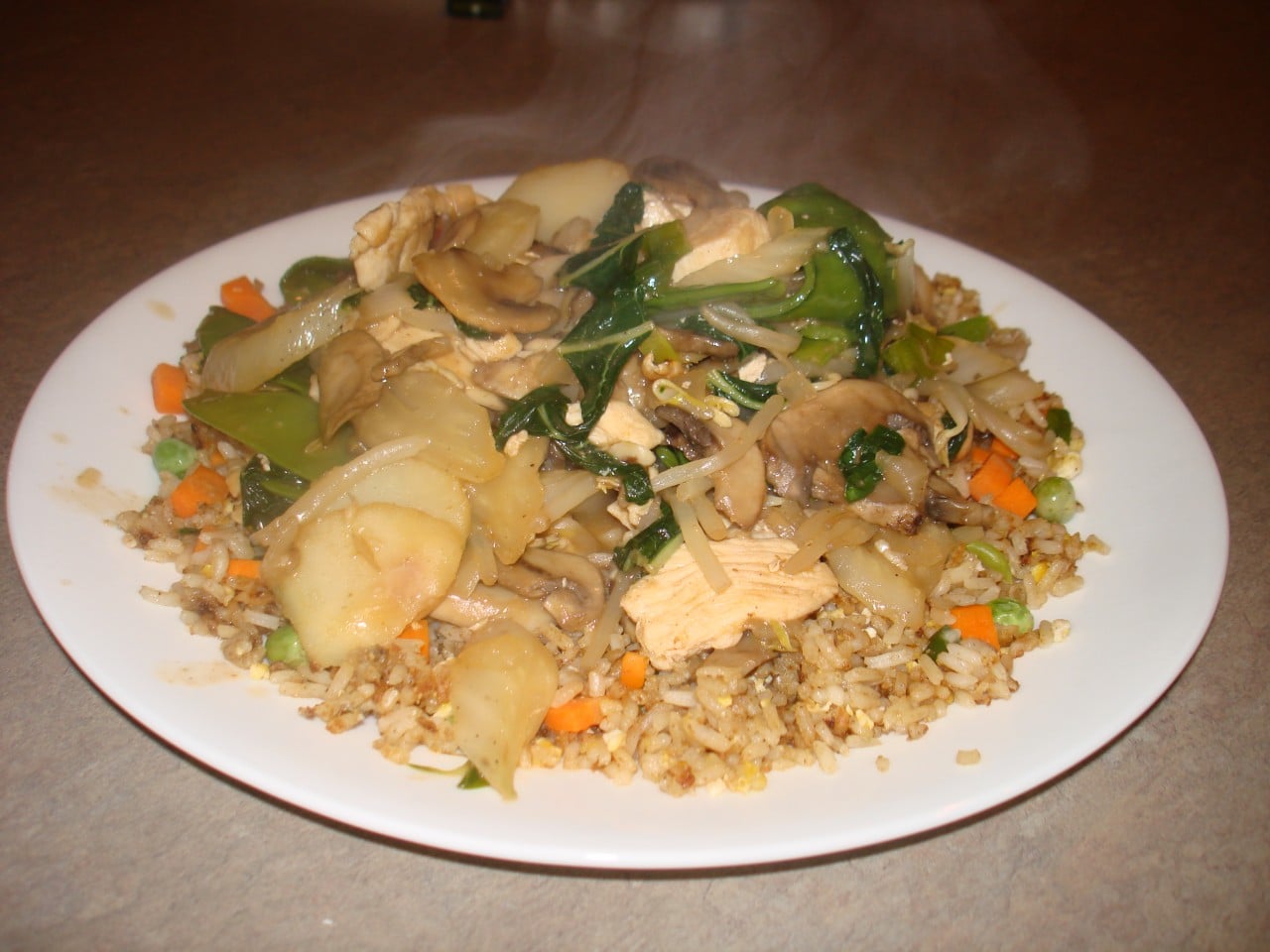
Few dishes better capture the story of American Chinese food than chop suey. It is often treated like an old-world classic, yet food historians widely agree it was created in the United States in the late 19th century, likely by Chinese cooks adapting to American diners.
Its name comes from a Cantonese phrase often translated as "mixed bits" or "odds and ends." That loose formula made it practical for restaurant kitchens. Meat, celery, onions, bean sprouts, and a glossy brown sauce could be combined quickly, using ingredients already on hand.
Chop suey spread fast during a period when Chinese immigrants faced deep discrimination but still found an economic foothold in restaurants. By the early 1900s, "chop suey houses" had become a national trend in cities from New York to San Francisco, serving a dish that felt exotic but accessible.
In China, however, chop suey is not a standard national favorite in the way many Americans assume. Its real significance is cultural. It reflects how immigrant cooks built a new cuisine under pressure, creating something distinct from traditional regional Chinese cooking.
Crab Rangoon
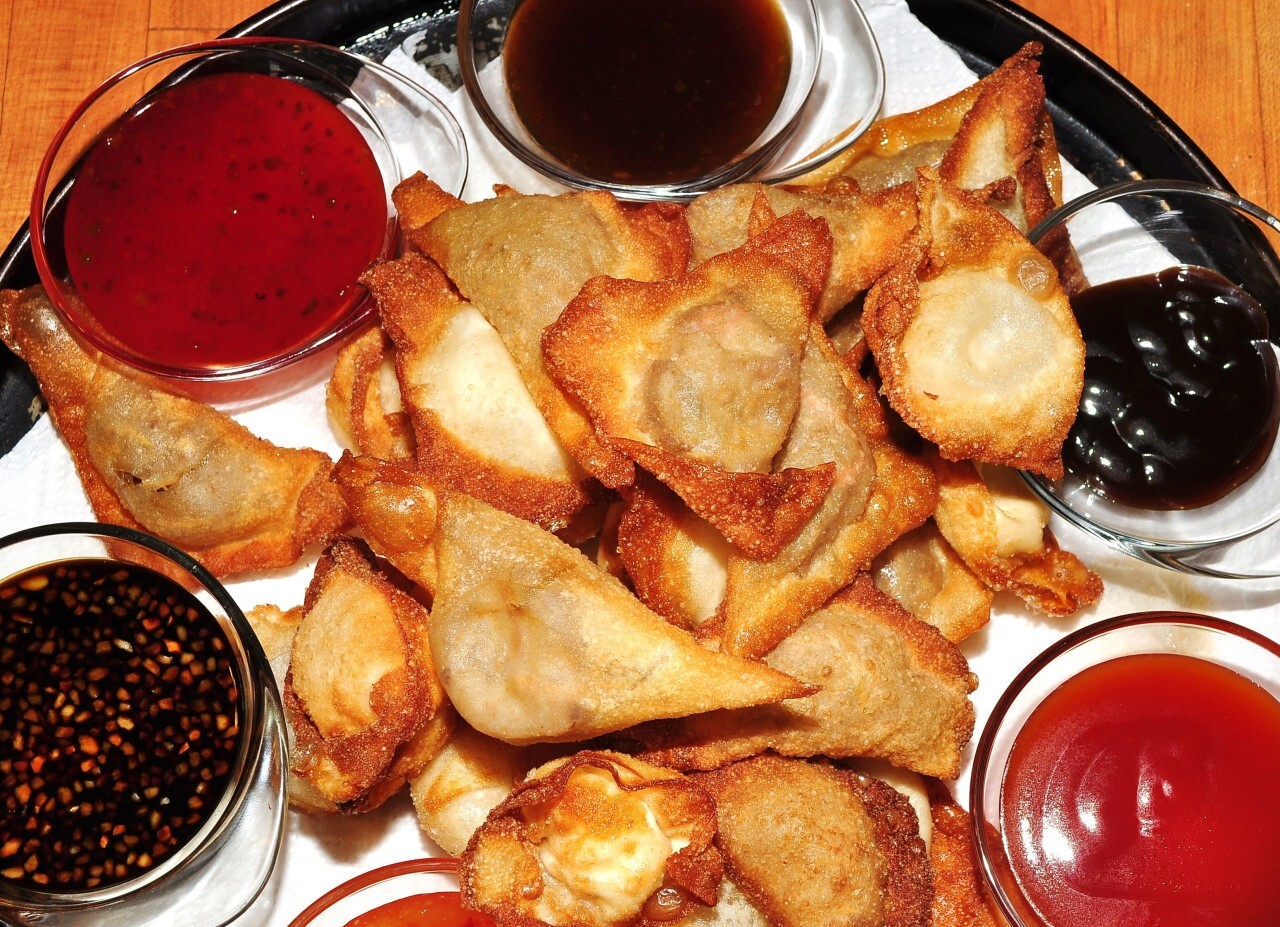
Crab Rangoon looks Chinese on a takeout menu, but its roots are far murkier and much more American. The dish, usually a fried wonton filled with cream cheese and a little crab or imitation crab, does not come from a traditional Chinese culinary lineage.
Cream cheese is the biggest clue. Dairy has never played a central role in most Chinese regional cuisines, especially in the Cantonese-American restaurant tradition where this appetizer often appears. The flavor profile is instead tied to mid-20th-century American tastes, where rich, creamy fillings were widely popular.
Many food writers trace Crab Rangoon to tiki-era dining in the United States, possibly linked to restaurants inspired by Polynesian themes rather than Chinese home cooking. Trader Vic's is frequently mentioned in that history, showing how Asian-adjacent branding often blurred culinary boundaries.
That helps explain why the dish feels familiar in the United States yet largely absent in China. Crab Rangoon is less a Chinese appetizer than a distinctly American restaurant invention, packaged inside a wonton wrapper to signal a broad, marketable idea of "Asian" food.
General Tso's Chicken
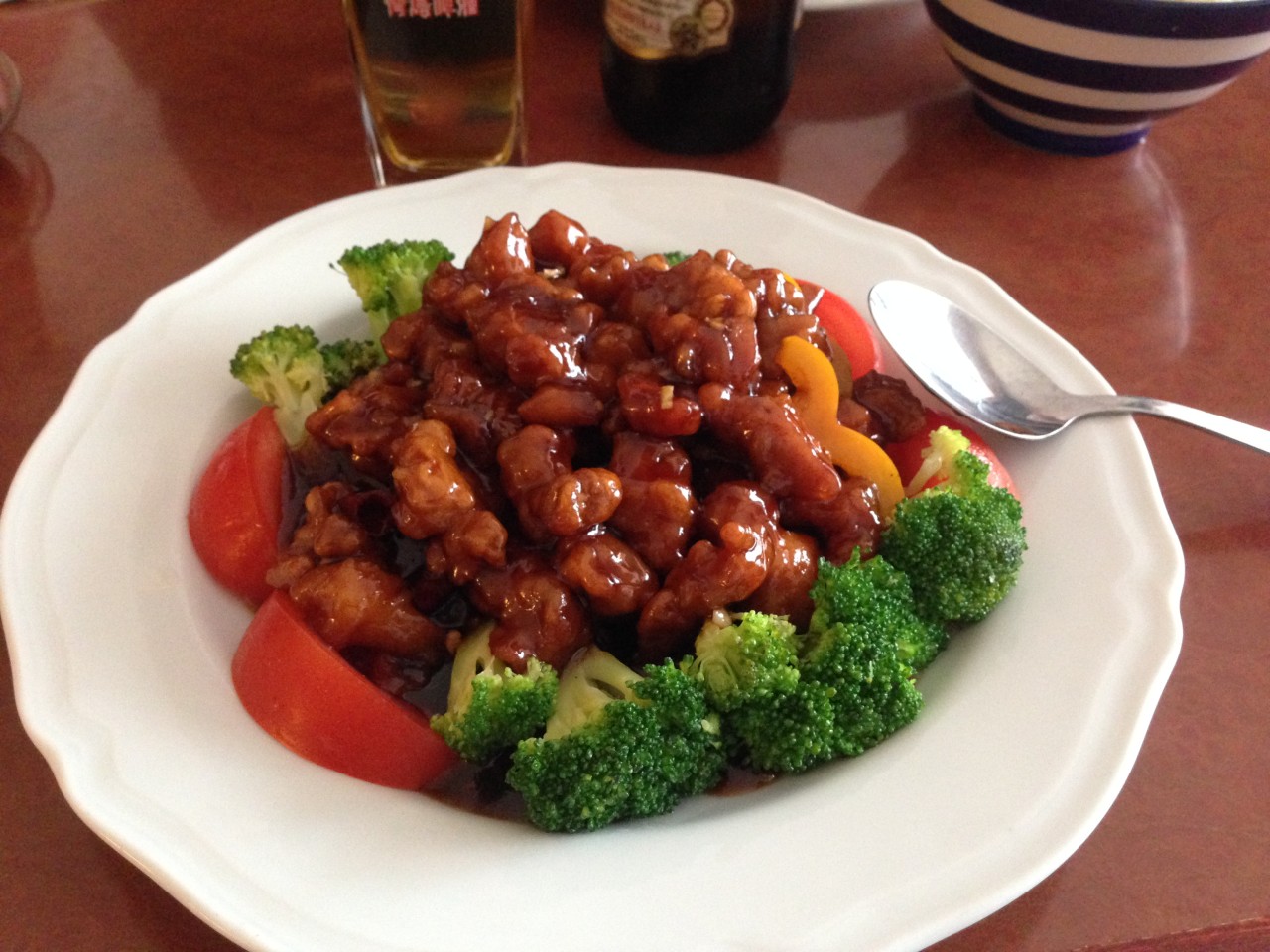
General Tso's Chicken may be one of the most famous "Chinese" dishes in North America, but it is not a common staple in China. The version most people know, battered chicken in a sweet, tangy, lightly spicy sauce, was developed outside mainland Chinese everyday cooking.
The dish is named after Zuo Zongtang, a 19th-century Qing dynasty military leader, but there is no clear evidence he ever ate anything like it. Culinary scholars often point to chef Peng Chang-kuei, a Hunan-born chef who created an earlier version in Taiwan in the 1950s.
That original dish was more savory and less sugary than the American standard. When Chinese chefs brought similar ideas to New York, especially in the 1970s, they adjusted the recipe to match local demand for sweetness, crunch, and bold sauce.
The result was a runaway success. General Tso's Chicken became a symbol of how immigrant food evolves in a new market, preserving a faint connection to Hunan cuisine while becoming, in practical terms, an American takeout icon.
Fortune Cookies

Fortune cookies are so closely tied to Chinese restaurants in the United States that many diners assume they came from China. In reality, they are widely believed to have been developed in California, with strong connections to Japanese American baking traditions.
Several origin stories compete, involving Los Angeles and San Francisco, but historians often note similarities to Japanese senbei-style cookies that contained messages. Before World War II, Japanese American businesses were making related products on the West Coast, long before fortune cookies became standard in Chinese restaurants.
Their widespread adoption by Chinese restaurants accelerated after the wartime incarceration of Japanese Americans devastated those businesses. Chinese restaurateurs, especially in California, were well positioned to continue and popularize the cookie for mainstream diners.
That history makes the fortune cookie a striking example of mistaken culinary identity. It is not an ancient Chinese custom but an American restaurant ritual shaped by immigration, displacement, and the branding power of the meal-ending surprise.
Beef and Broccoli
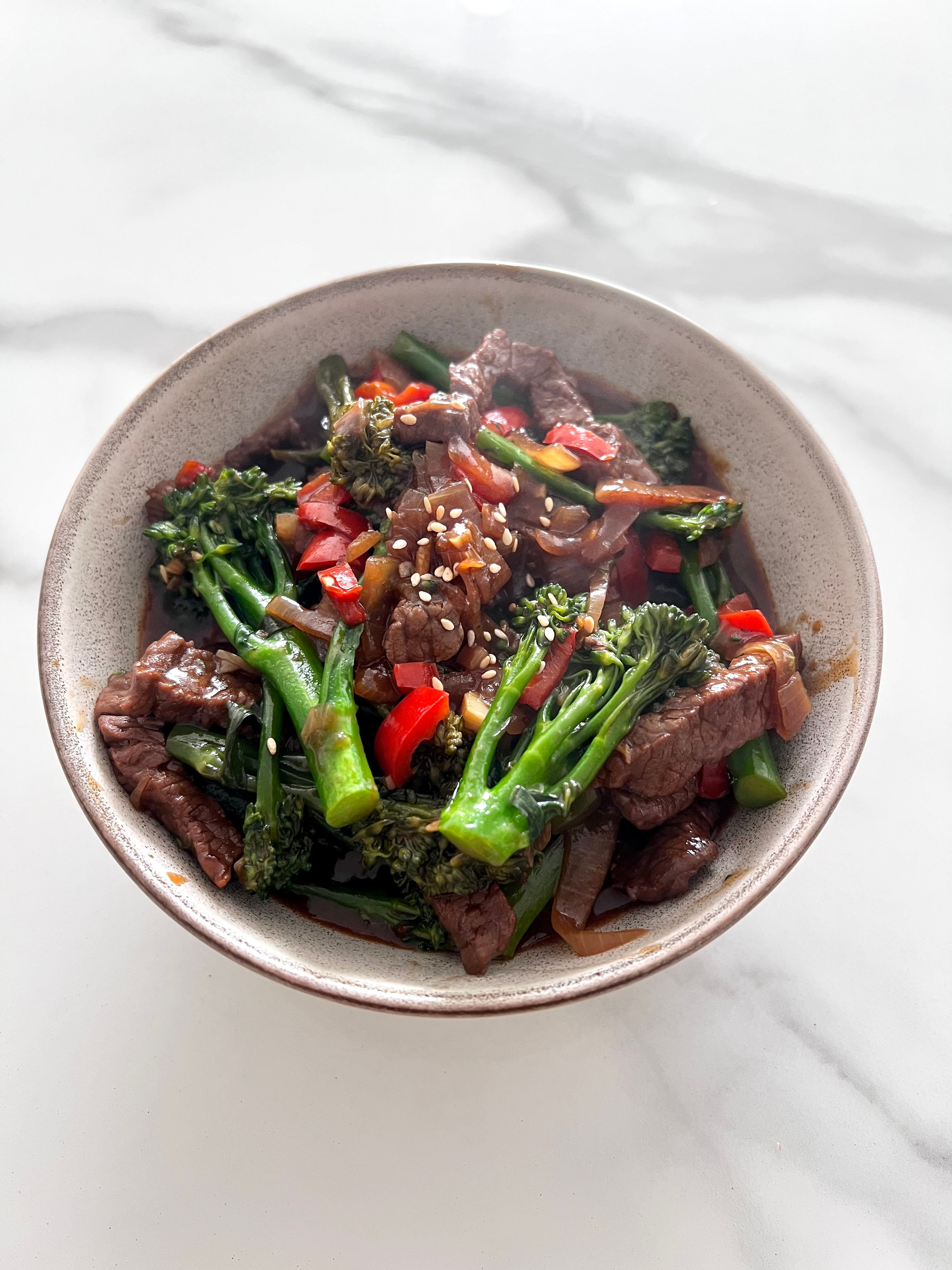
Beef and broccoli feels like a natural pairing, yet the dish is largely an American Chinese adaptation rather than a direct import from China. Traditional Cantonese cooking does feature stir-fried beef with Chinese broccoli, also called gai lan, but that vegetable differs from the thick green florets familiar in U.S. supermarkets.
When Chinese cooks in America could not easily source gai lan, they worked with standard broccoli instead. That substitution mattered. Broccoli has a milder taste and different texture, which helped the dish appeal to American diners looking for something both recognizable and slightly adventurous.
The sauce also evolved for that audience. Oyster sauce, soy sauce, stock, and cornstarch created a glossy finish, while the overall seasoning stayed gentler than many regional Chinese beef dishes. The result was simple, reliable, and easy to order even for cautious eaters.
So while beef with greens absolutely exists in Chinese cuisine, beef and broccoli as most Americans know it is a hybrid. It shows how one ingredient swap can create a new classic that feels traditional without truly being so.
Sweet and Sour Chicken

Sweet and sour flavors do exist in several Chinese regional traditions, especially in Cantonese cooking, but sweet and sour chicken as a deep-fried takeout staple is mainly a Western restaurant creation. The familiar version emphasizes battered meat and a bright, sugary sauce over nuance.
Its vivid red or orange glaze became part of the dish's appeal in North America. Pineapple, bell peppers, and heavily thickened sauce turned it into a complete visual and flavor package, designed to stand out on buffet lines and combination platters.
Earlier Chinese sweet-and-sour preparations were typically more restrained and often used pork or whole fish rather than boneless fried chicken chunks. As menus expanded in the United States, chicken became the easier sell because it was widely accepted and relatively affordable.
That adaptation helped the dish thrive. Sweet and sour chicken is best understood not as fake Chinese food, but as a product of Chinese diaspora cooking, where restaurant owners translated broad culinary ideas into something local customers would eagerly order again and again.


Leave a Reply