
For a few months in 2020, bread machines looked like the smartest appliance in Canada. Then the novelty faded, kitchens got crowded, and many of those purchases were quietly abandoned.
Cuisinart Compact Automatic Bread Maker CBK-110
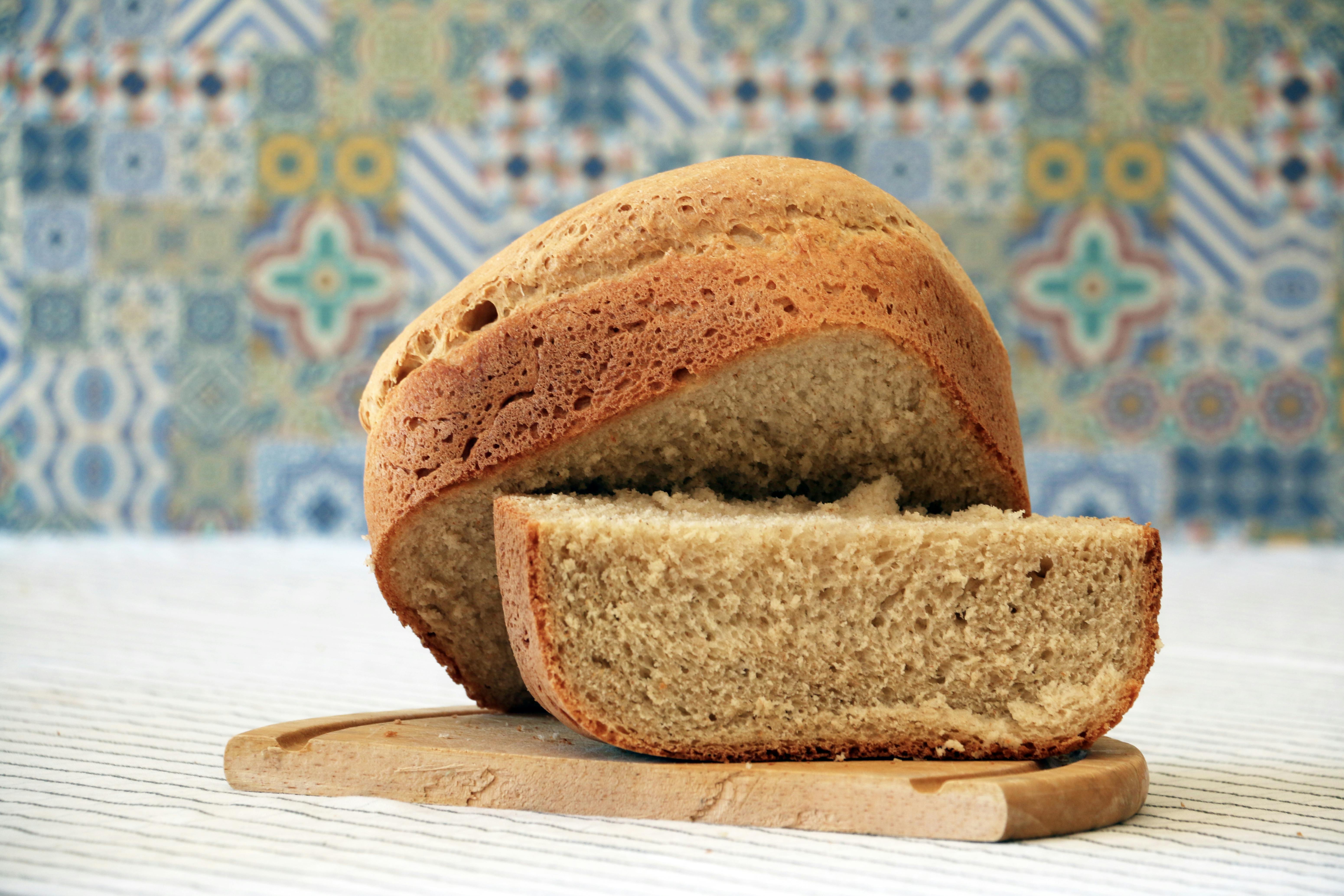
This was the practical pick for condo kitchens and smaller households. The Cuisinart CBK-110 promised compact size, simple controls, and reliable basic loaves, which made it especially appealing during the first lockdown wave.
Retailers across Canada repeatedly listed compact bread makers among fast-selling small appliances in spring 2020. Buyers were drawn to the idea of fresh bread without kneading, but many underestimated ingredient shortages, especially yeast and bread flour, which made regular use harder.
The machine itself was not the main problem. Owners often liked the 2 lb capacity, delay start, and dedicated settings, yet many found the loaf shape unusual for sandwich storage and the paddle baked into the base annoying for daily use.
Like many pandemic appliances, it solved an emotional need as much as a practical one. Once stores stabilized and work routines returned, the CBK-110 often ended up shelved because handier grocery options beat the cleanup, planning, and counter space tradeoff.
Breville Custom Loaf BBM800XL
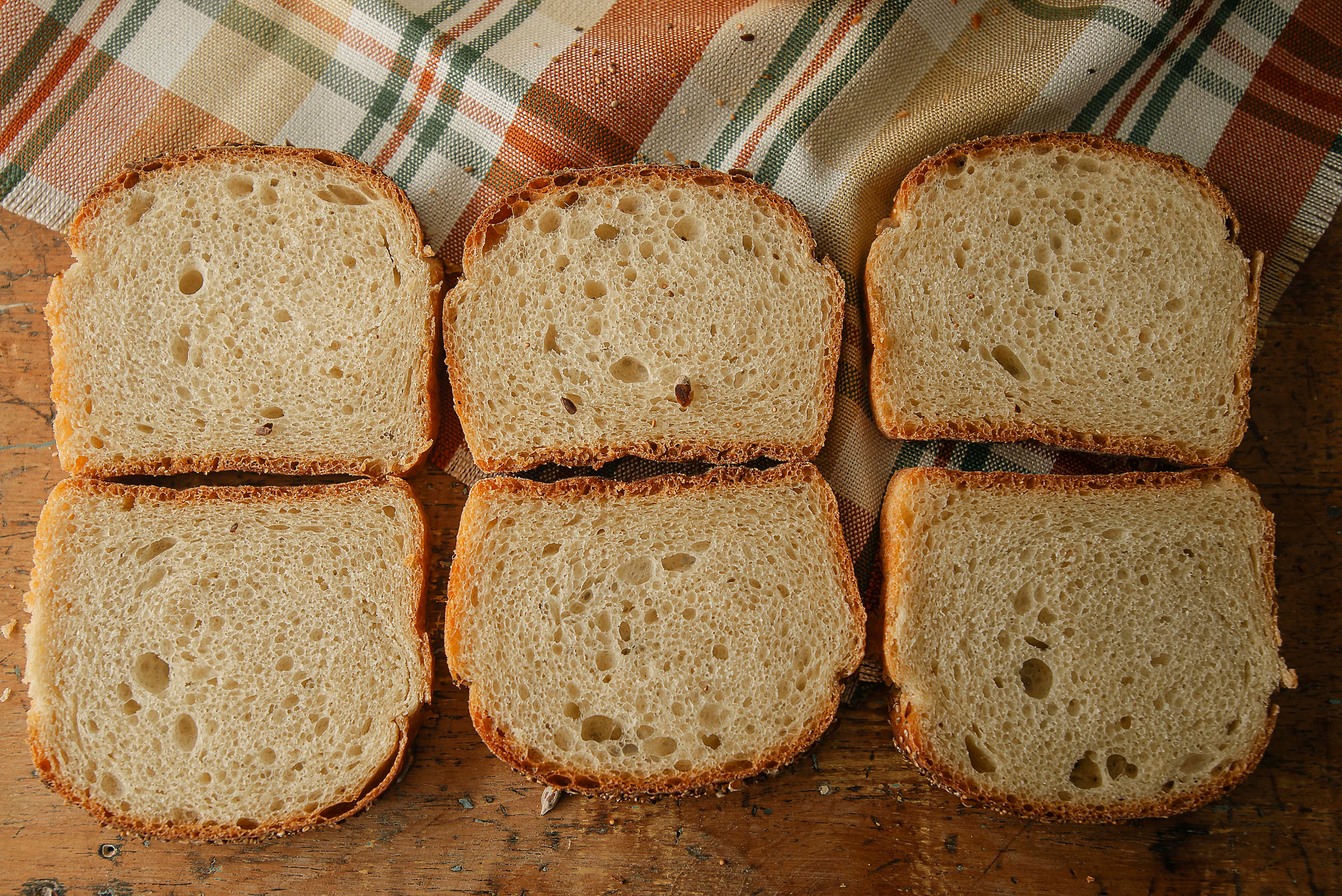
This was the premium dream purchase, the sort of machine people bought when they were determined to become serious home bakers. Breville marketed it with collapsible kneading paddles, custom programming, and a polished stainless steel look that suggested long-term value.
In 2020, premium kitchen gear benefited from a broader nesting trend. Consumers were spending less on travel and dining out, so a higher-end bread machine felt easier to justify, especially for households trying to recreate bakery-quality results at home.
Yet premium features can overwhelm casual users. The Breville offered substantial control over crust, timing, and recipe adaptation, but many owners only wanted a dependable white loaf and discovered they had paid for complexity they did not need.
Its size also mattered in Canadian kitchens, where storage can be tight. Once offices reopened and sourdough fever cooled, the machine's weight and footprint became harder to defend, particularly when a good artisan loaf from a local bakery required no effort at all.
Panasonic SD-YD250 Automatic Bread Maker
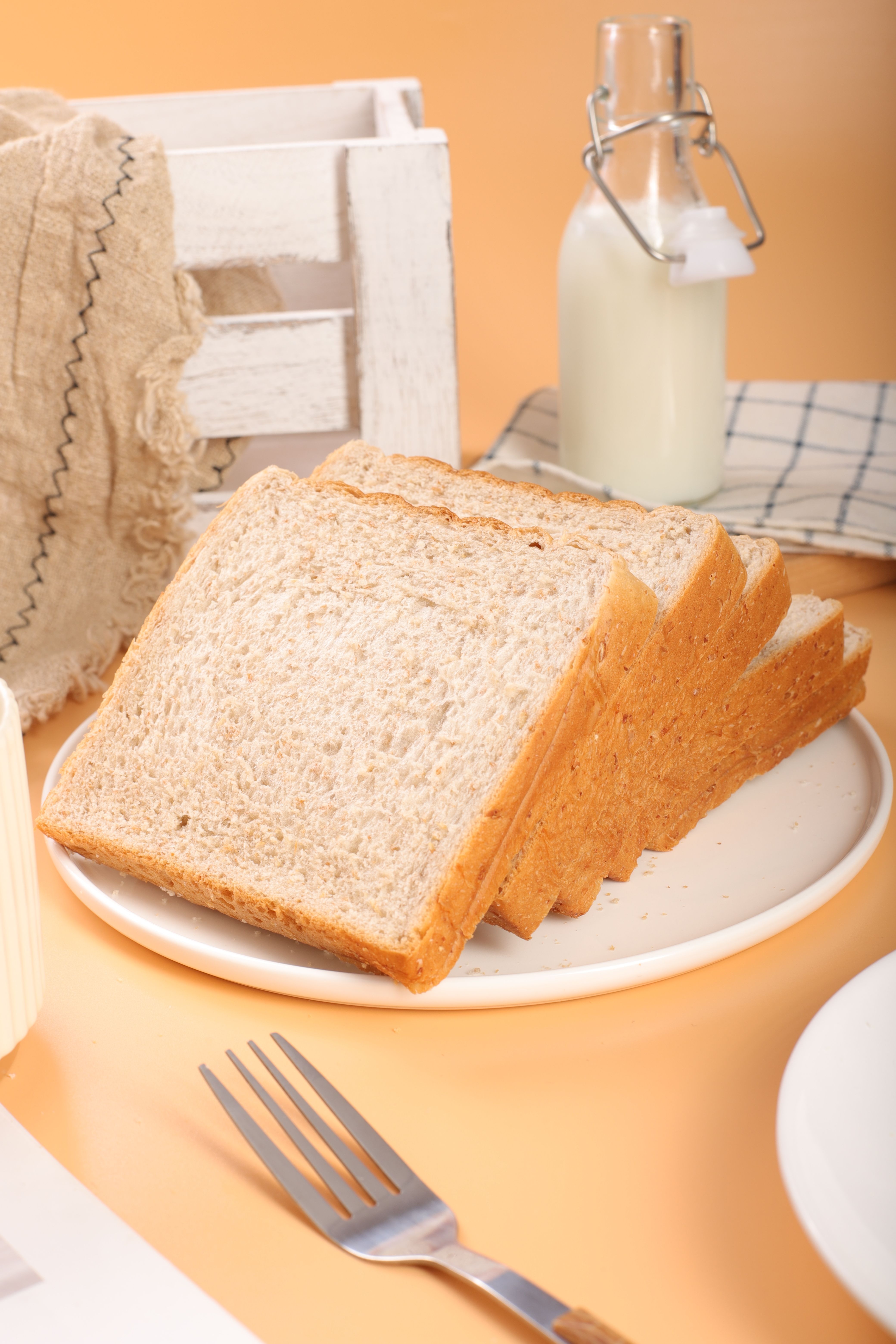
Panasonic built a strong reputation in bread machines long before 2020, and the SD-YD250 benefited from that trust. For many Canadians, this was the dependable legacy brand choice, bought because relatives or older reviews said Panasonic machines simply lasted.
That reliability was real, but durability does not guarantee daily use. The SD-YD250 included a yeast dispenser and broad cycle options, features that sounded ideal during lockdown when people imagined making whole wheat, French bread, and dough every week.
The reality was more routine. Many households used one or two successful loaves to prove the machine worked, then lost momentum once they realized bread making still required measuring, planning, and cleaning, even if the kneading happened automatically.
Another issue was changing taste. During the pandemic, many Canadians also discovered no-knead oven bread, which offered better crust and more flexibility with fewer mechanical limitations, making a dedicated bread machine feel less essential over time.
Hamilton Beach HomeBaker 29882
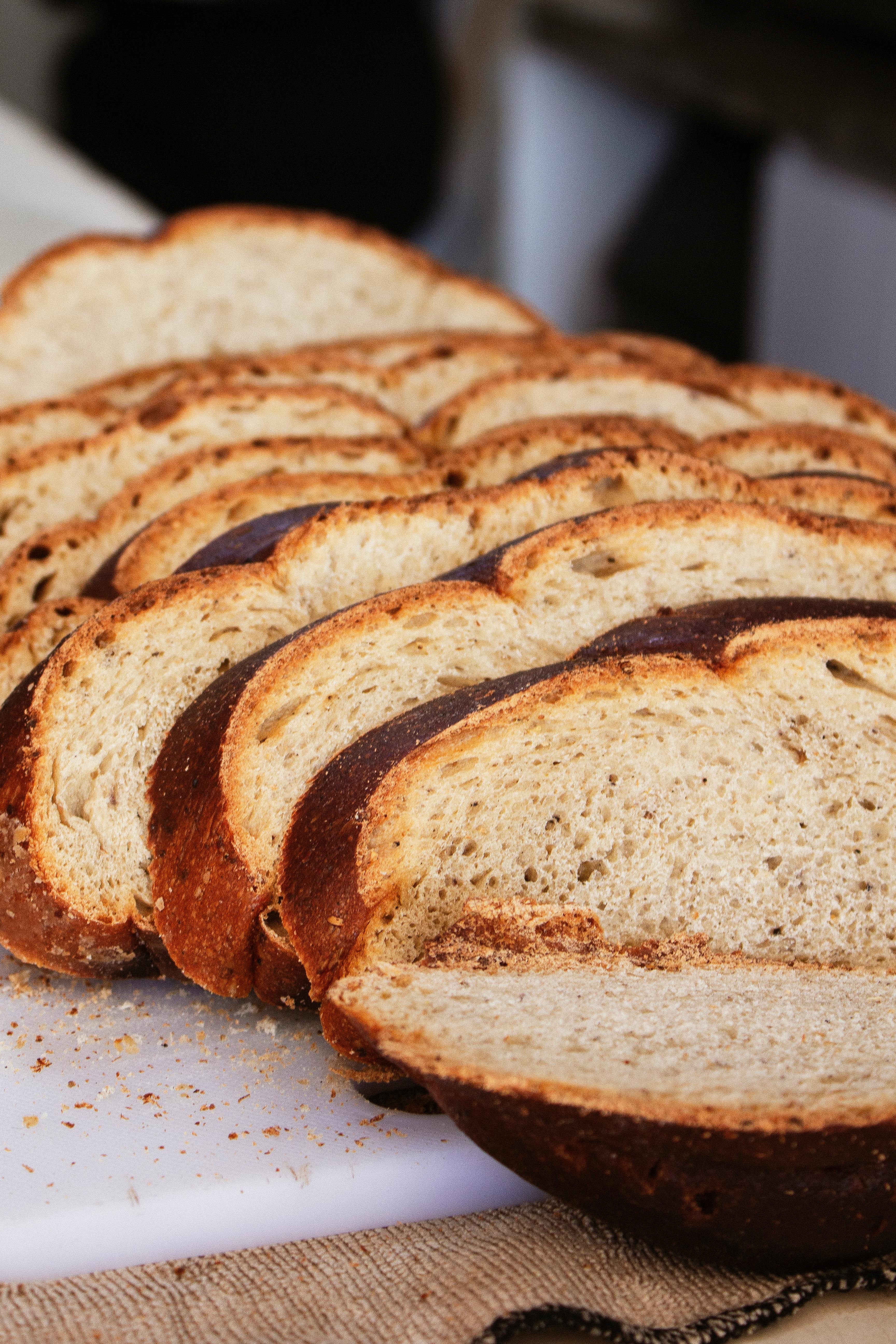
Here was the value option that made bread making feel accessible. Hamilton Beach has long appealed to budget-conscious buyers, and the 29882 fit the 2020 mood perfectly by offering familiar branding and a lower barrier to entry.
Affordable appliances often sell on optimism, and this one was no exception. Shoppers who were unsure whether bread making would become a hobby could rationalize the purchase more easily, especially during a period when home cooking was replacing restaurants and office lunches.
User feedback over time pointed to a common pattern. The machine generally handled basic loaves well enough, but performance inconsistencies, texture complaints, and noise during kneading made it easier for enthusiasm to fade after the first few attempts.
In many homes, the lower price did not create loyalty. It simply reduced regret. That meant the HomeBaker was often treated like a temporary pandemic experiment, useful in theory, but not compelling enough to earn permanent counter space in the long run.
Zojirushi Home Bakery Supreme BB-CEC20
This was the enthusiast's machine, admired for consistency and respected by serious bread makers. Zojirushi products often carry a near cult reputation, and in 2020 that reputation helped convince some Canadian buyers that paying more would guarantee a new habit.
The BB-CEC20 is widely praised for even baking, dual kneading blades, and strong dough performance. In expert circles, it often stands out as one of the better bread machines available, particularly for users who want sandwich loaves with reliable texture.
But excellence can still be mismatched with lifestyle. Many buyers were not experienced bakers at all. They were stressed consumers responding to empty shelves and domestic ambition, and a high-performing machine could not fix limited time, shrinking motivation, or scarce pantry staples.
As normal shopping resumed, the case for a specialist appliance weakened. The Zojirushi stayed impressive, yet impressive is not the same as frequently used, and that distinction explains why even highly rated models ended up stored away.
Oster Expressbake Bread Maker
The Oster Expressbake captured a very specific 2020 desire, which was speed. With branding centered on faster bread cycles, it appealed to people who wanted homemade bread quickly, without committing to the slower rhythms of traditional baking.
That promise mattered during lockdown because households were juggling remote work, childcare, and grocery uncertainty. A machine that suggested convenience and immediacy sounded more realistic than one requiring deeper learning, especially for first-time appliance buyers.
Still, fast cycles often create inflated expectations. Owners sometimes expected bakery-level flavor and texture from accelerated programs, then felt disappointed when results varied. The machine could produce usable loaves, but not always the romantic homemade experience people had imagined.
In the end, the Oster reflects the wider story of 2020 kitchen buying. Canadians did not just purchase appliances. They bought self-sufficiency, comfort, and routine. Once those emotional pressures eased, many bread makers, including this one, stopped feeling necessary.


Leave a Reply