
Maple syrup and pancake syrup are not the same thing, even though they often show up in the same kind of bottle. If you know what to look for, you can usually spot an imitation quickly, from the label to the way it pours and tastes.
Check the ingredient list
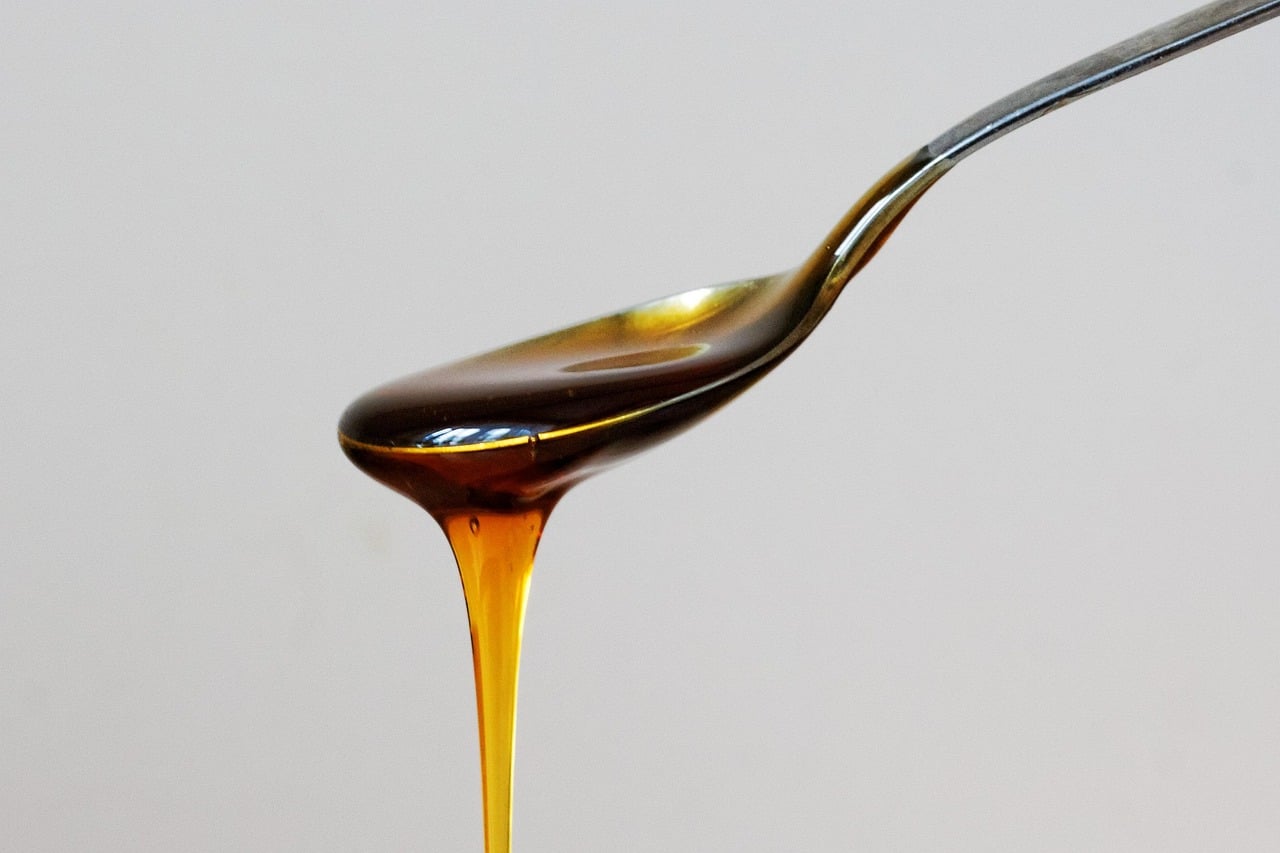
The fastest clue is the label. Pure maple syrup should list just one ingredient, maple syrup. According to the USDA, maple syrup is made by concentrating the sap of the maple tree, not by mixing in corn syrup, flavoring, or caramel color.
Imitation syrup usually tells on itself with a longer list. Common ingredients include corn syrup, high fructose corn syrup, cellulose gum, artificial maple flavor, and preservatives. If the bottle says "pancake syrup" or "table syrup" instead of "maple syrup," that is often a strong sign you are not getting the real thing.
Watch how it pours
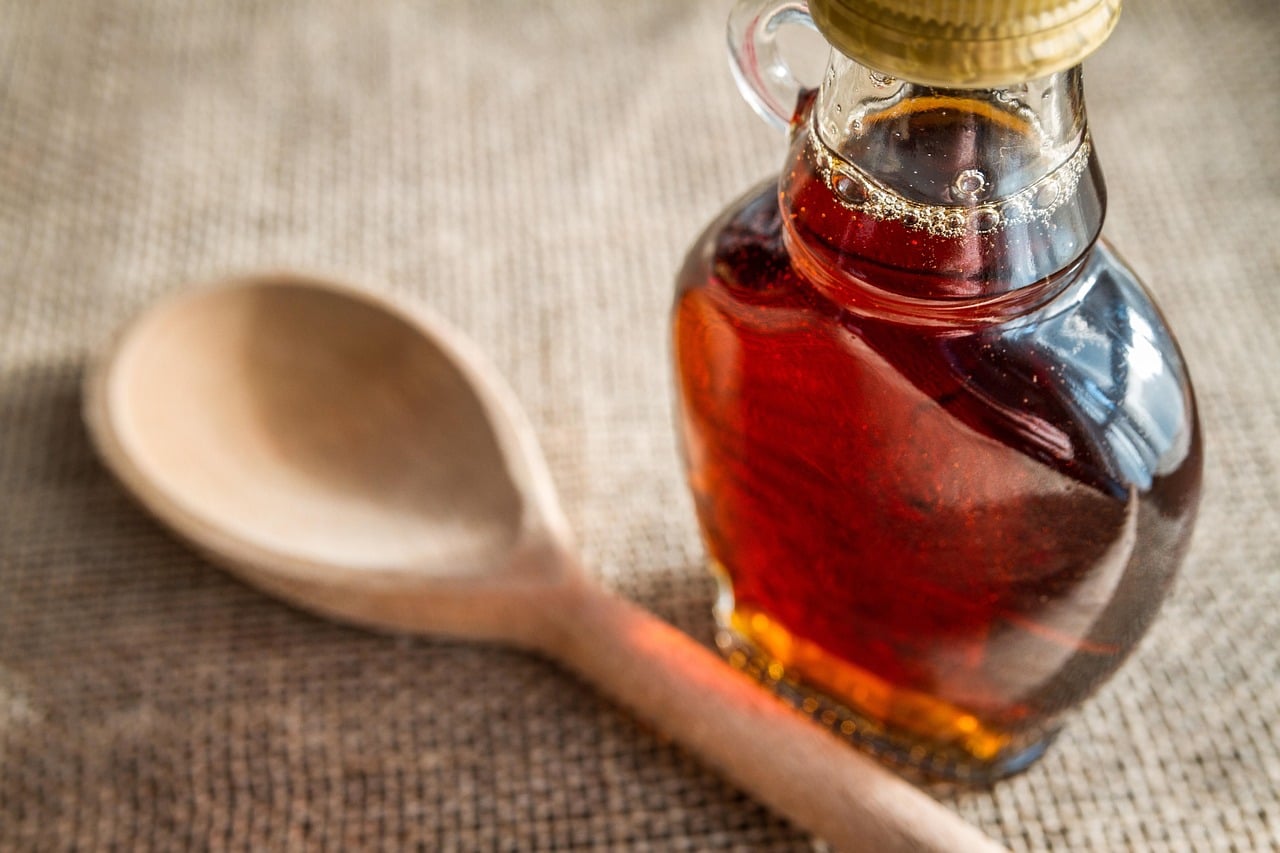
Texture surprises a lot of people. Real maple syrup is not as thick and sticky as many diners and breakfast chains have trained people to expect. It tends to pour in a smooth, fairly fluid stream, especially when warm.
Many imitation syrups are heavier because they rely on corn syrup and thickeners. They cling to the bottle, move slowly, and leave a gluey coating on the plate. A very dense pour does not automatically prove it is fake, but it is a useful visual clue when paired with other signs.
Pay attention to the taste
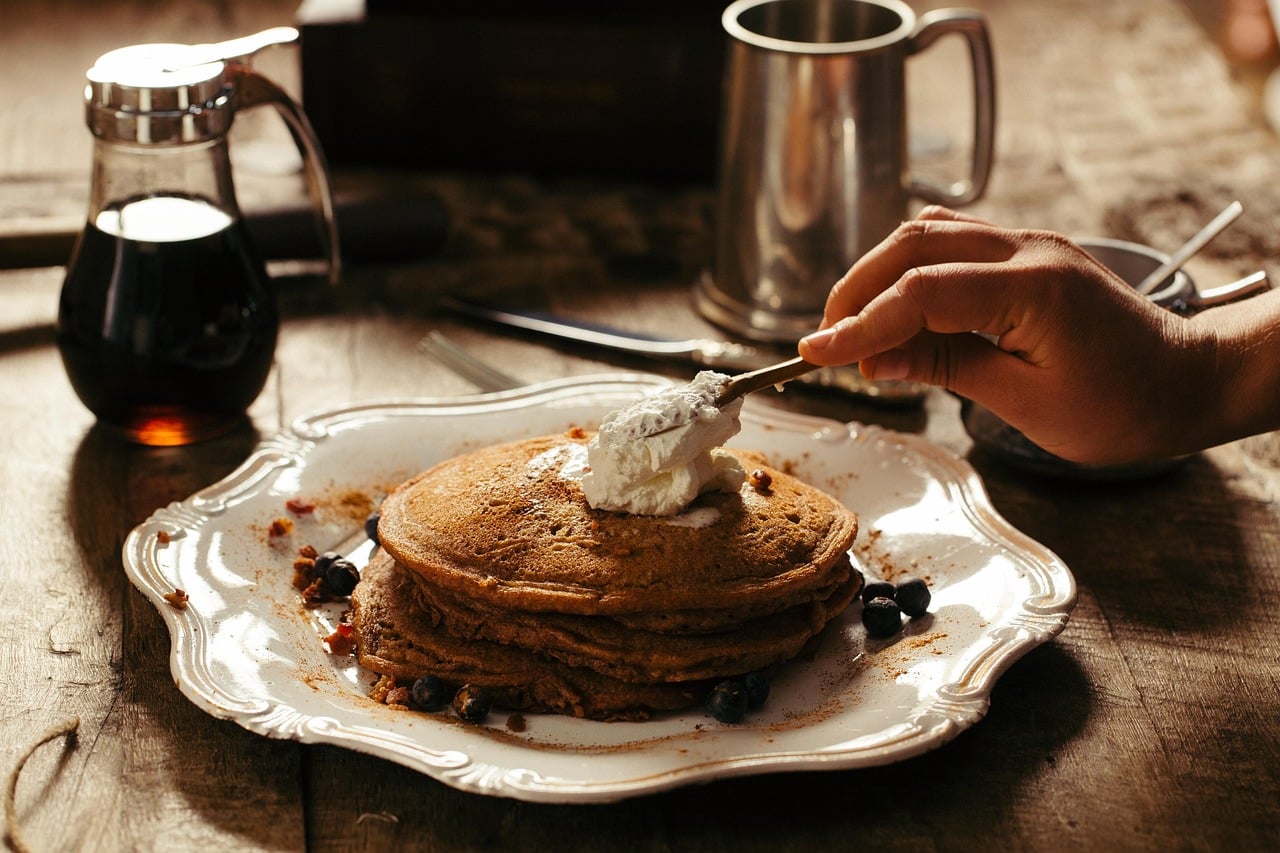
The flavor of real maple syrup is layered. Depending on the grade and when it was produced in the season, it can taste lightly vanilla-like, woody, caramelized, or a little earthy. It is sweet, but the sweetness is usually balanced by deeper notes.
Fake syrup often tastes flatter and more one-note. Instead of a developed maple flavor, you may get a strong sugary hit followed by an artificial aftertaste. If the syrup seems to mimic maple rather than actually taste like maple sap that has been boiled down, you are likely dealing with an imitation.
Notice the color and clarity
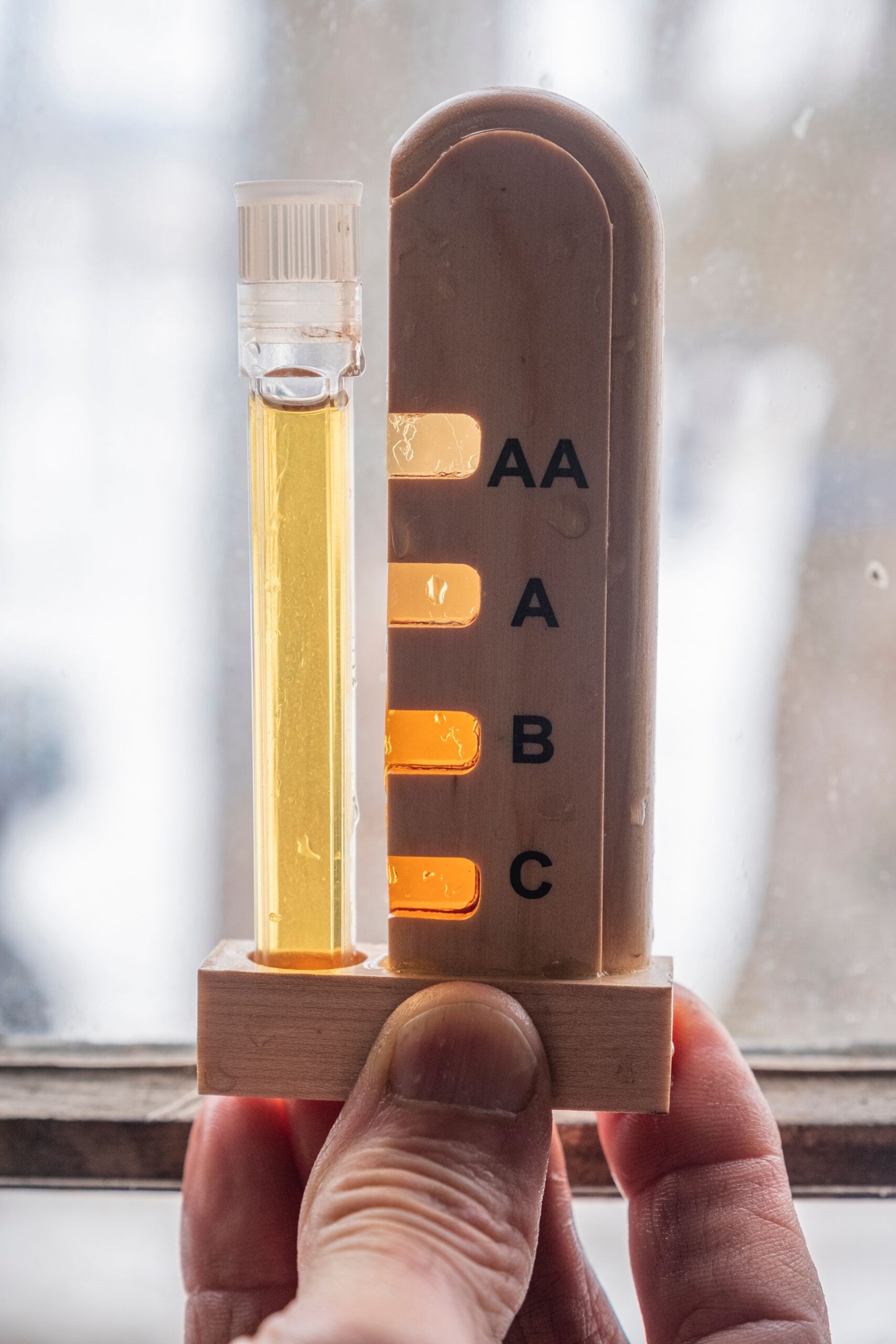
Pure maple syrup ranges from golden to very dark brown, and those differences can be perfectly normal. The USDA grading system includes Grade A Golden Color and Delicate Taste, Amber Color and Rich Taste, Dark Color and Robust Taste, and Very Dark Color and Strong Taste.
What matters more is whether the appearance fits natural syrup. Real maple syrup is usually clear, not cloudy, unless there is some harmless sediment in less filtered products. A syrup that looks oddly opaque, unnaturally glossy, or uniformly artificial can be another hint that it is a flavored table syrup.
Consider the price and packaging
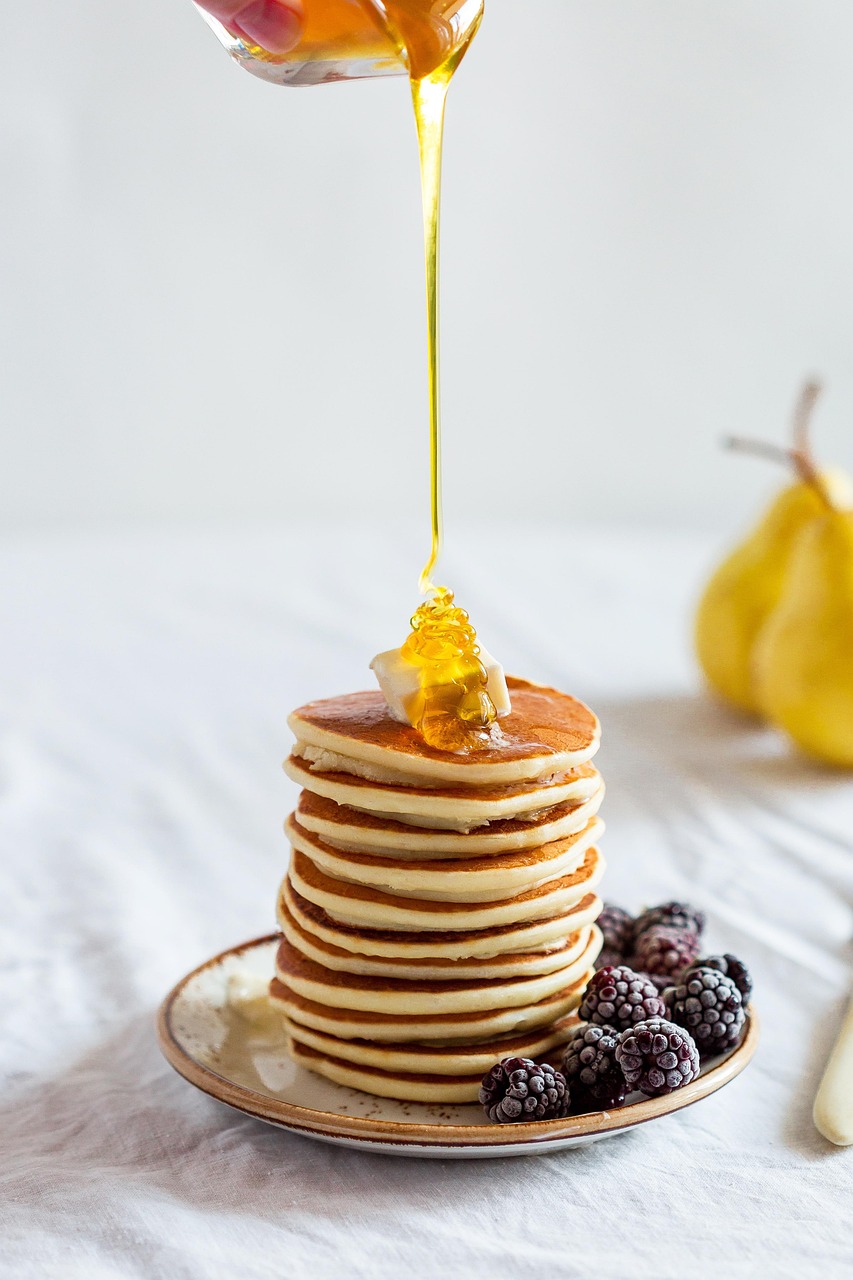
Real maple syrup takes a lot of sap and labor to make. The process is slow, seasonal, and tied to weather, which is one reason authentic maple syrup usually costs more than standard breakfast syrup at the store or on a restaurant table.
That does not mean every expensive bottle is genuine, but very cheap syrup in a squeeze bottle is often imitation. Packaging language matters here too. Phrases like "maple flavored" or "original syrup" are not the same as "pure maple syrup." When the wording gets vague, the product usually is too.


Leave a Reply