
A salad can be crisp and colorful but still leave you hungry an hour later. The fix is usually not more lettuce, it is adding ingredients that bring protein, fiber, and healthy fats so the meal has more staying power.
Beans and lentils
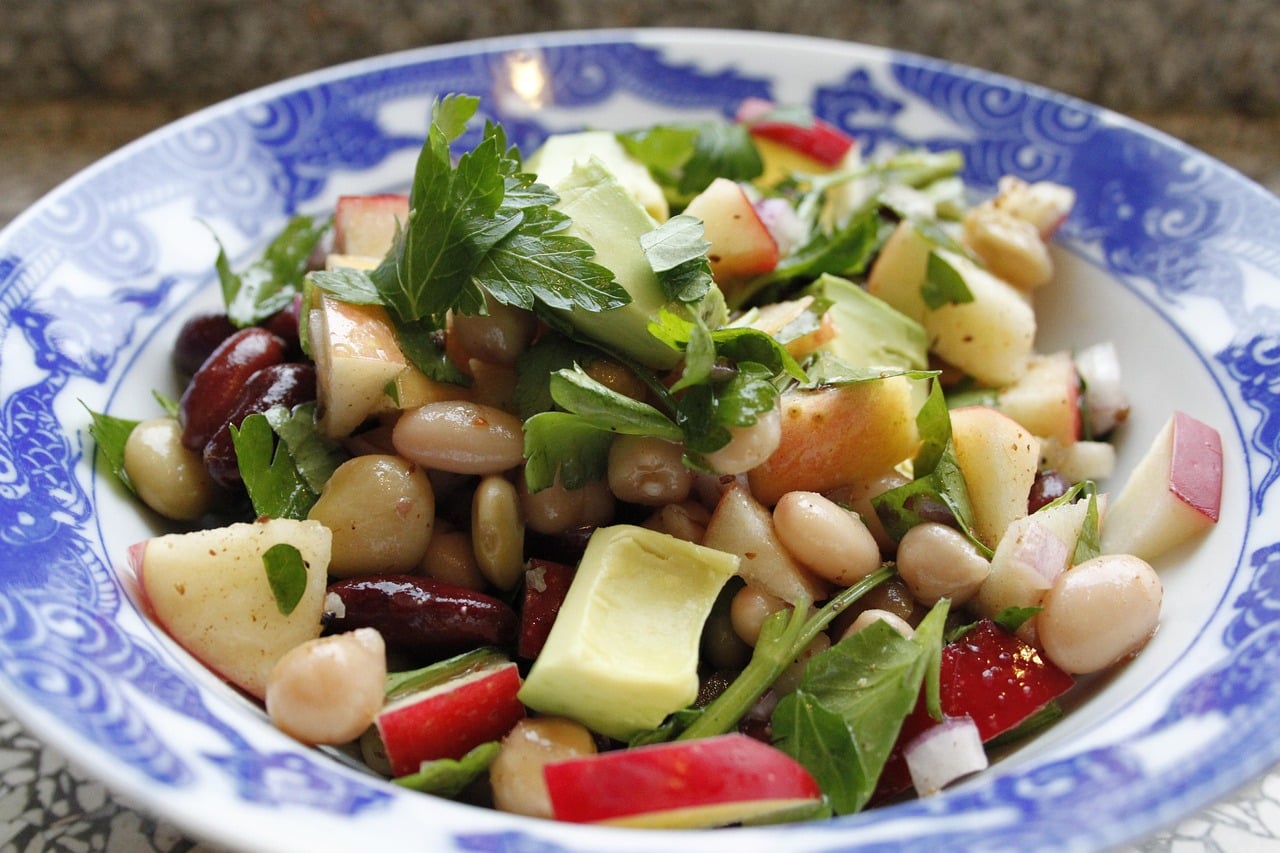
A bowl of greens becomes much more substantial when you add legumes. Beans and lentils bring the kind of slow-digesting mix of fiber and plant protein that helps a salad feel like a real meal instead of a side dish.
The USDA notes that a ½ cup of cooked black beans has about 8 grams of protein and around 7.5 grams of fiber. Lentils are similarly useful, with a ½ cup of cooked lentils providing about 9 grams of protein and nearly 8 grams of fiber. That combination can help support fullness because fiber adds bulk and protein digests more slowly than plain vegetables.
They also fit easily into many salad styles. Chickpeas work well with cucumbers and tomatoes, black beans suit corn and avocado, and lentils pair nicely with roasted carrots, herbs, and a mustard vinaigrette.
Whole grains
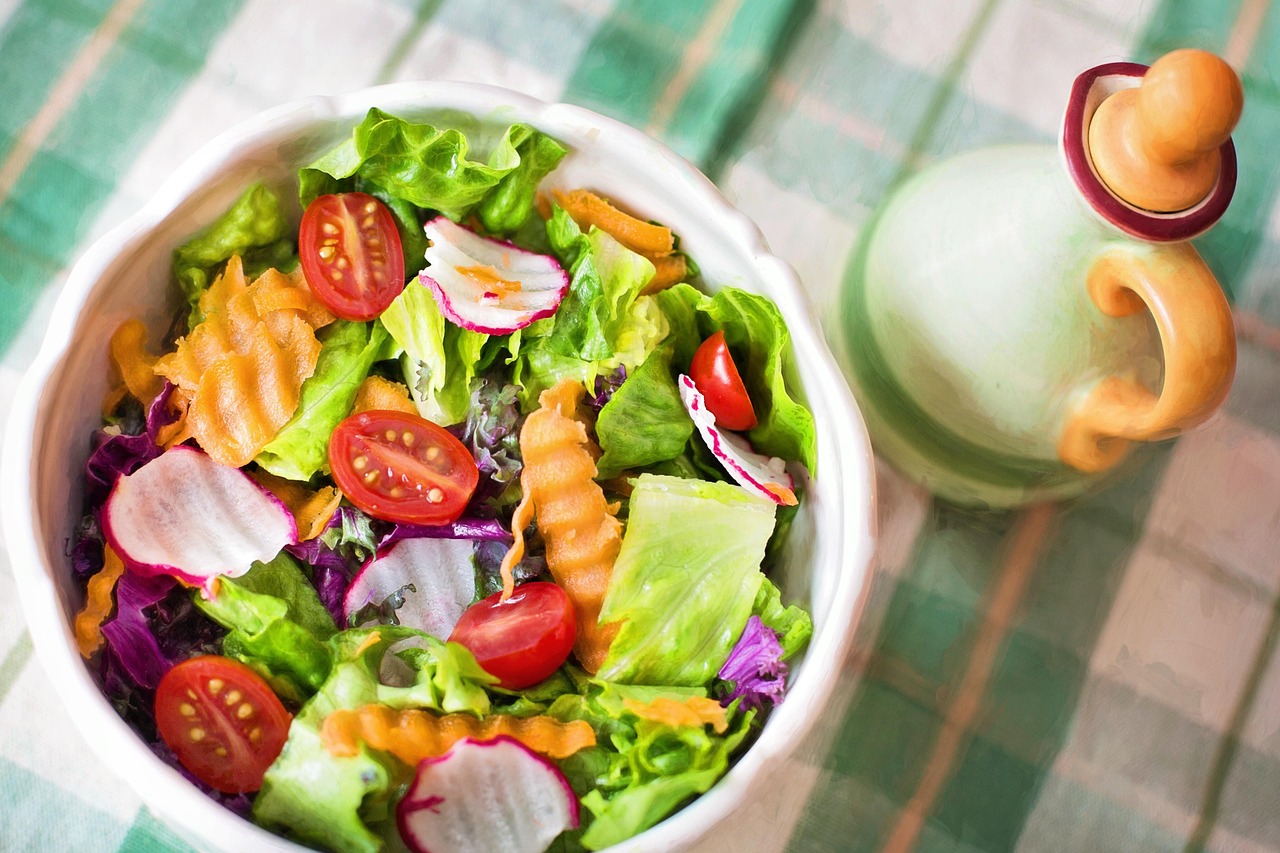
If your salad feels more like garnish than lunch, whole grains can change that quickly. They add chew, warmth or heartiness, and a steadier source of energy than greens alone.
According to the USDA, 1 cup of cooked quinoa contains about 8 grams of protein and around 5 grams of fiber. Cooked brown rice and farro can also make a salad more satisfying, especially when paired with vegetables and a flavorful dressing. Whole grains bring complex carbohydrates, which the body breaks down more gradually than refined grains.
Texture matters here as much as nutrition. Quinoa can lighten a chopped salad, farro adds a pleasantly firm bite, and barley gives a soup-like grain salad a fuller feel. Even a modest scoop can make the meal feel balanced.
Eggs
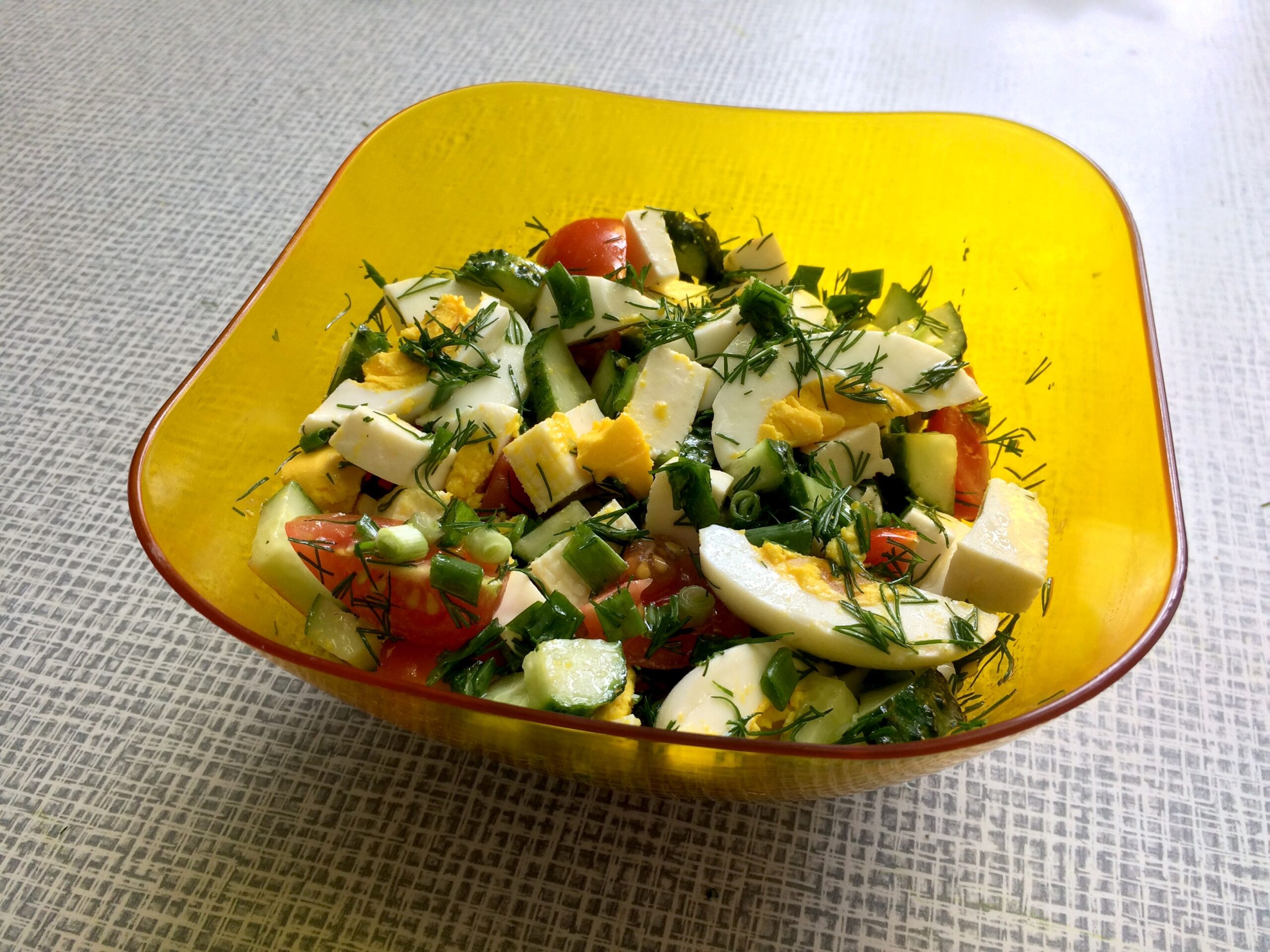
Eggs are one of the simplest ways to turn a light salad into a meal with real staying power. They add protein, richness, and a familiar flavor that works with everything from spinach to grain bowls.
The USDA says one large egg has about 6 grams of protein. Hard-boiled eggs are especially practical because they can be cooked ahead, sliced in seconds, and added to salads without extra prep. Their protein can help a vegetable-heavy meal feel more complete.
They also improve satisfaction in a sensory way. A jammy yolk or firm chopped egg adds creaminess that can reduce the need for heavy dressing. Paired with crunchy greens, roasted vegetables, or potatoes, eggs make salads feel far less sparse.
Nuts and seeds
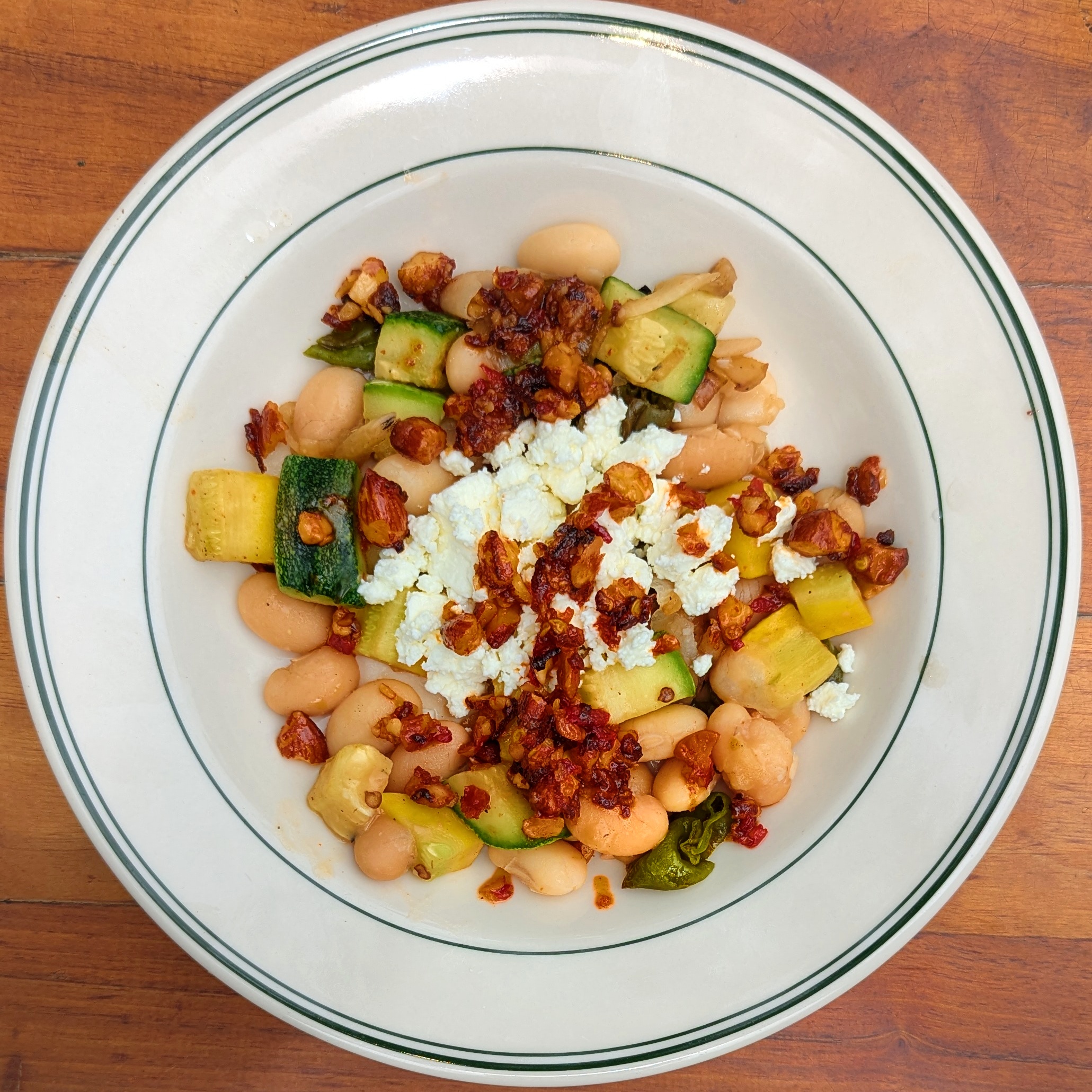
Sometimes the difference between a forgettable salad and a filling one is a small handful of crunch. Nuts and seeds are compact, but they bring a lot to the bowl.
The USDA reports that 1 ounce of almonds has about 6 grams of protein and roughly 3.5 grams of fiber. Seeds can help in a similar way. Pumpkin seeds, sunflower seeds, chia seeds, and hemp seeds can add protein, healthy fats, and texture, all of which can make a salad more satisfying and more interesting to eat.
This is also one of the easiest upgrades to keep on hand. Toasted walnuts work well with apples and blue cheese, sunflower seeds suit chopped salads, and pumpkin seeds are especially good with roasted squash and greens.
Avocado and cheese
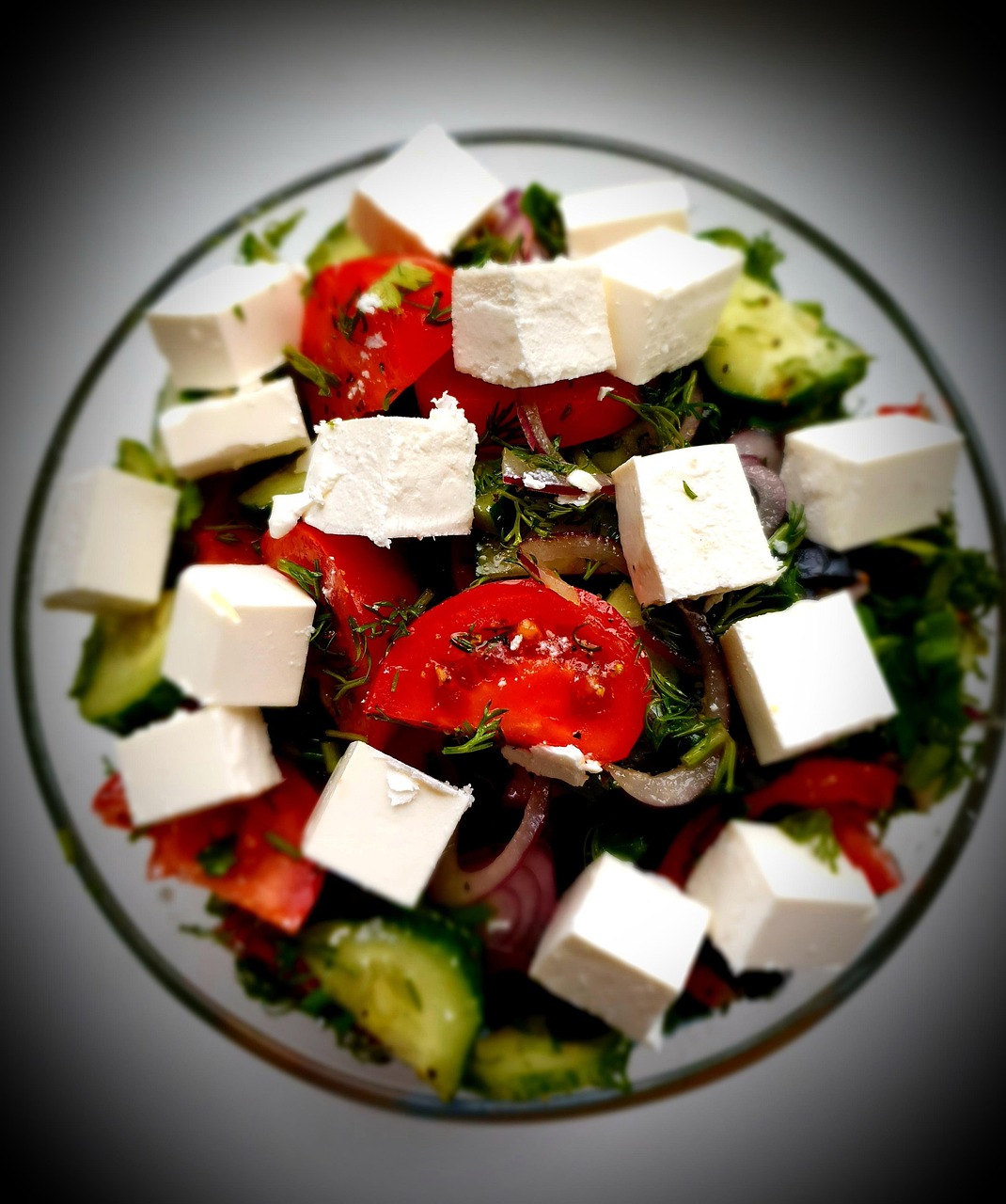
A filling salad is not only about protein. Fat plays a major role in satisfaction, and ingredients like avocado and cheese can give a salad the richness that helps it feel complete.
According to the USDA, ⅓ of a medium avocado provides fiber and heart-healthy unsaturated fat. Cheese can also contribute protein along with flavor. A small amount of feta, cheddar, or goat cheese can go a long way because it adds saltiness and creaminess that make a salad more meal-like.
Used together or separately, these ingredients round out a bowl that might otherwise feel thin. Avocado pairs well with beans and citrus, while cheese can sharpen grain salads or simple greens, creating a more balanced and lasting meal.



Leave a Reply