
Seafood at chain restaurants can be forgettable. But when fried shrimp is crisp and sweet, or lobster salad is chilled, rich, and well-balanced, diners notice quickly.
Red Lobster

If any chain has built its name on accessible seafood, it is Red Lobster. That alone does not guarantee a memorable plate, but it does explain why diner feedback so often circles back to this brand when fried shrimp is the topic. Across reviews, menu discussions, and customer roundups, Red Lobster is repeatedly mentioned as a dependable place for shrimp that arrives hot, crunchy, and seasoned enough to stand on its own before the first dip in cocktail sauce.
Part of the appeal is variety. Red Lobster has long leaned into shrimp in multiple formats, including hand-breaded fried shrimp, shrimp trio platters, and combination meals that let customers pair crisp shrimp with fish, lobster, or scampi. Diners often praise the contrast between the light shell and the tender interior, noting that the breading usually clings well rather than sliding off after one bite. That may sound like a small detail, but for fried seafood it is often the difference between a satisfying order and one that feels mass-produced.
The chain also gets credit for portioning. In customer comments, one of the most common positives is that shrimp entrees feel substantial enough to justify the price, especially when paired with sides and the brand's famous Cheddar Bay Biscuits. That matters because fried shrimp can disappoint when pieces are too small or heavily breaded. At Red Lobster, diners frequently describe the shrimp as reasonably plump and less filler-heavy than what they expected from a national chain.
On the lobster side, Red Lobster is not primarily known for a classic deli-style lobster salad, but diners still point to lobster-forward cold dishes and seafood salad-style offerings when they appear seasonally or in limited combinations. The chain's advantage is ingredient familiarity. Customers already associate the brand with lobster, so when chilled lobster mixtures or salad-based pairings surface, they earn attention more readily than they might elsewhere. For diners who want the safest chain pick for fried shrimp and a seafood brand with enough lobster credibility to inspire confidence, Red Lobster remains one of the clearest recommendations.
Bonefish Grill
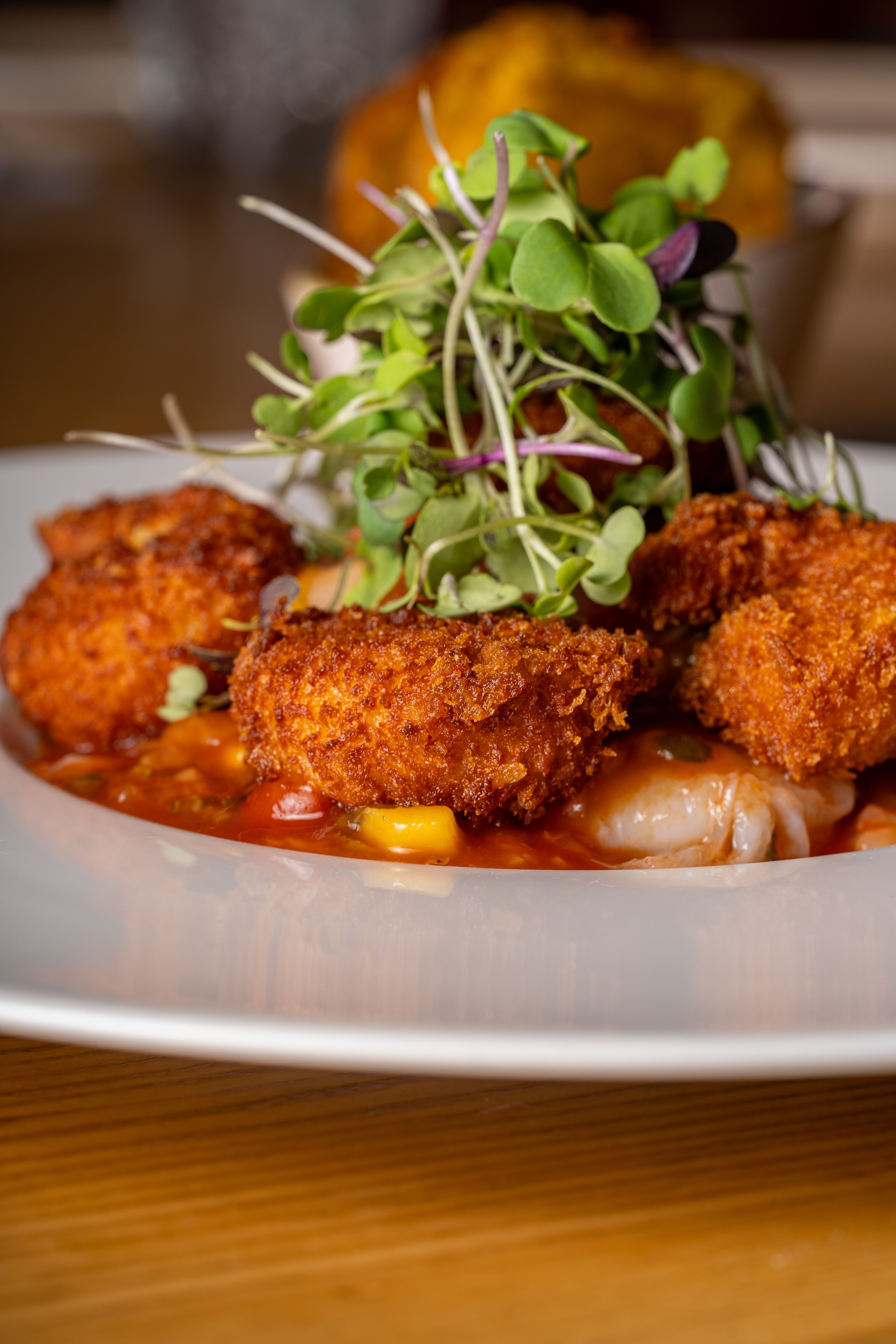
Bonefish Grill tends to attract diners who want chain-restaurant convenience with a more polished seafood presentation. That distinction matters when fried shrimp or lobster salad enters the conversation, because the restaurant's reputation rests less on volume and more on execution. Diners regularly describe Bonefish as a place where seafood feels treated with a bit more restraint, meaning lighter breading, cleaner plating, and flavors that do not bury the ingredient itself.
Its fried shrimp options are often praised for exactly that reason. Instead of delivering a thick, greasy coating, Bonefish usually aims for a crisp exterior that lets the shrimp's sweetness come through. Customer reviews often mention texture first, which is a strong sign. People notice when fried shrimp snaps lightly under the fork and still stays moist inside. In a category where overcooked seafood is common, Bonefish earns repeat approval for avoiding that pitfall more often than many casual competitors.
Another reason diners keep this chain in the discussion is menu balance. Bonefish Grill has built a following around seafood starters and composed entrees, and that experience carries over to shrimp dishes. Sauces are often used with more control, whether spicy, citrusy, or creamy. That helps fried shrimp feel like part of a full dish rather than an afterthought on a plate of fries. For guests who care about how seafood works with greens, grains, or vegetables, Bonefish's approach tends to feel more intentional.
Lobster salad is less universal on the standard menu, but when lobster appears in specials, seasonal salads, or seafood combinations, diner reaction is typically favorable because the chain has already established trust in ingredient handling. Reviews often highlight freshness, temperature, and proportion, especially in chilled seafood preparations where any imbalance is obvious. That is why Bonefish remains worth watching for lobster salad-style offerings. According to diners, it is one of the chains most likely to deliver a composed seafood dish that feels restaurant-crafted rather than assembly-line built.
Legal Sea Foods
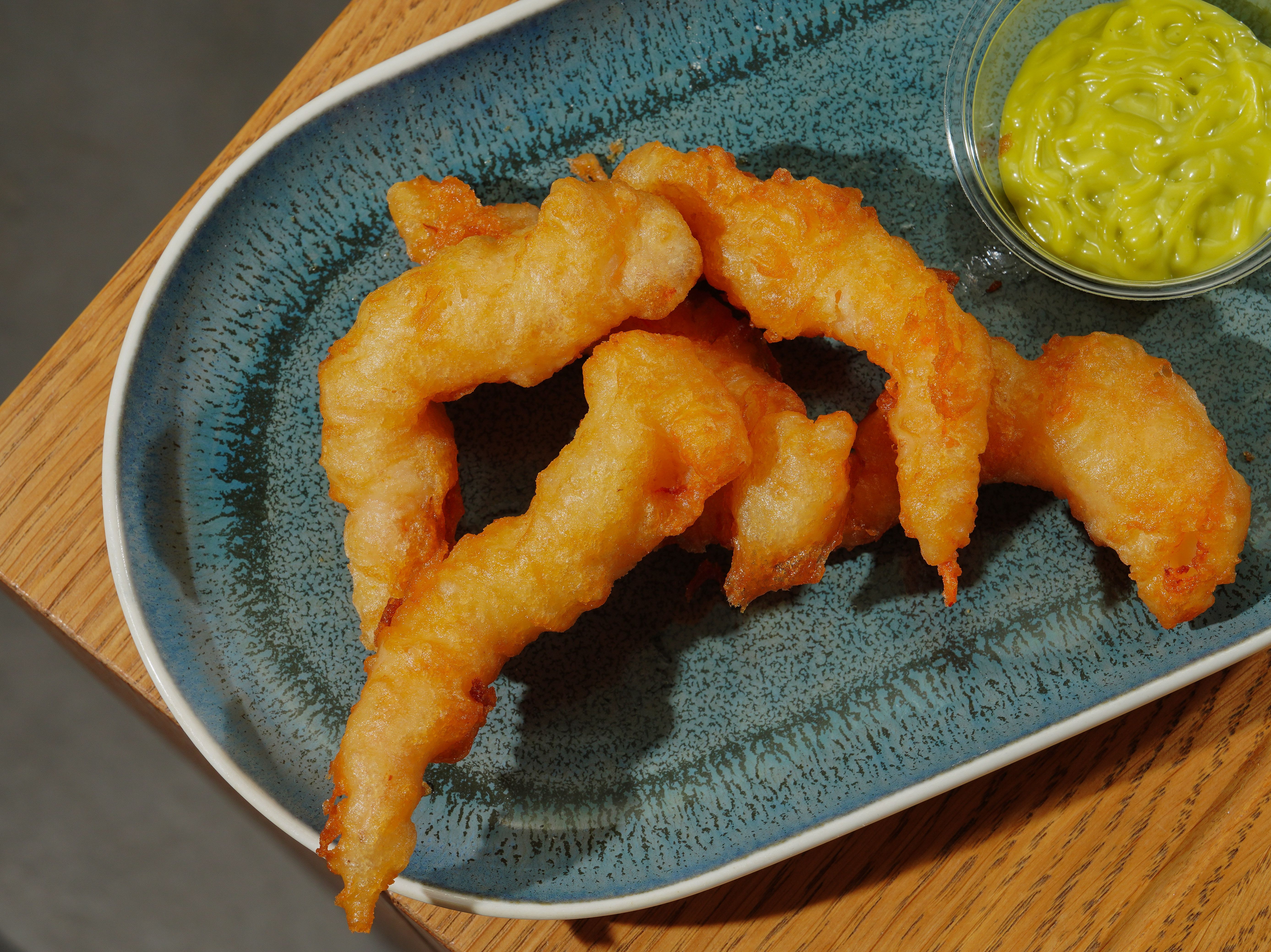
Some chains earn praise because they are widespread, and some earn it because they have a serious seafood reputation. Legal Sea Foods belongs firmly in the second group. Diners who discuss fried shrimp and lobster salad with any level of scrutiny often bring this chain up because it carries a stronger connection to coastal seafood culture than many casual national brands. That reputation creates higher expectations, but customer feedback suggests the restaurant usually meets them.
When diners praise the fried shrimp here, they often focus on the seafood itself rather than just the breading. That is an important distinction. At Legal Sea Foods, reviews frequently point to shrimp that tastes clean and fresh, with a coating that adds crunch without overwhelming the natural flavor. Many customers also appreciate that the fry tends to be even and controlled, not dark or oil-heavy. In practical terms, that means each piece feels more carefully cooked and less like it sat under heat lamps before service.
The chain's lobster salad credentials are even stronger. Legal Sea Foods is one of the few restaurant groups whose name immediately signals enough seafood authority for diners to trust a chilled lobster preparation. Lobster salad succeeds or fails on proportion and restraint. Too much mayonnaise, too little lobster, or rough handling can ruin it. Diners routinely compliment Legal Sea Foods for keeping the focus on the lobster, often mentioning generous chunks, balanced dressing, and a texture that stays delicate instead of turning mushy.
There is also the matter of regional expectations. In markets where customers know what New England-style seafood should taste like, mediocre lobster salad gets spotted quickly. Legal Sea Foods benefits from operating in that cultural context, and diners seem to reward it for consistency. Whether served on greens, in a roll-adjacent format, or as part of a seafood plate, its lobster salad preparations are often described as polished and properly seasoned. For people who want chain reliability without sacrificing seafood standards, Legal Sea Foods stands out as one of the safest orders on this list.
Joe's Crab Shack
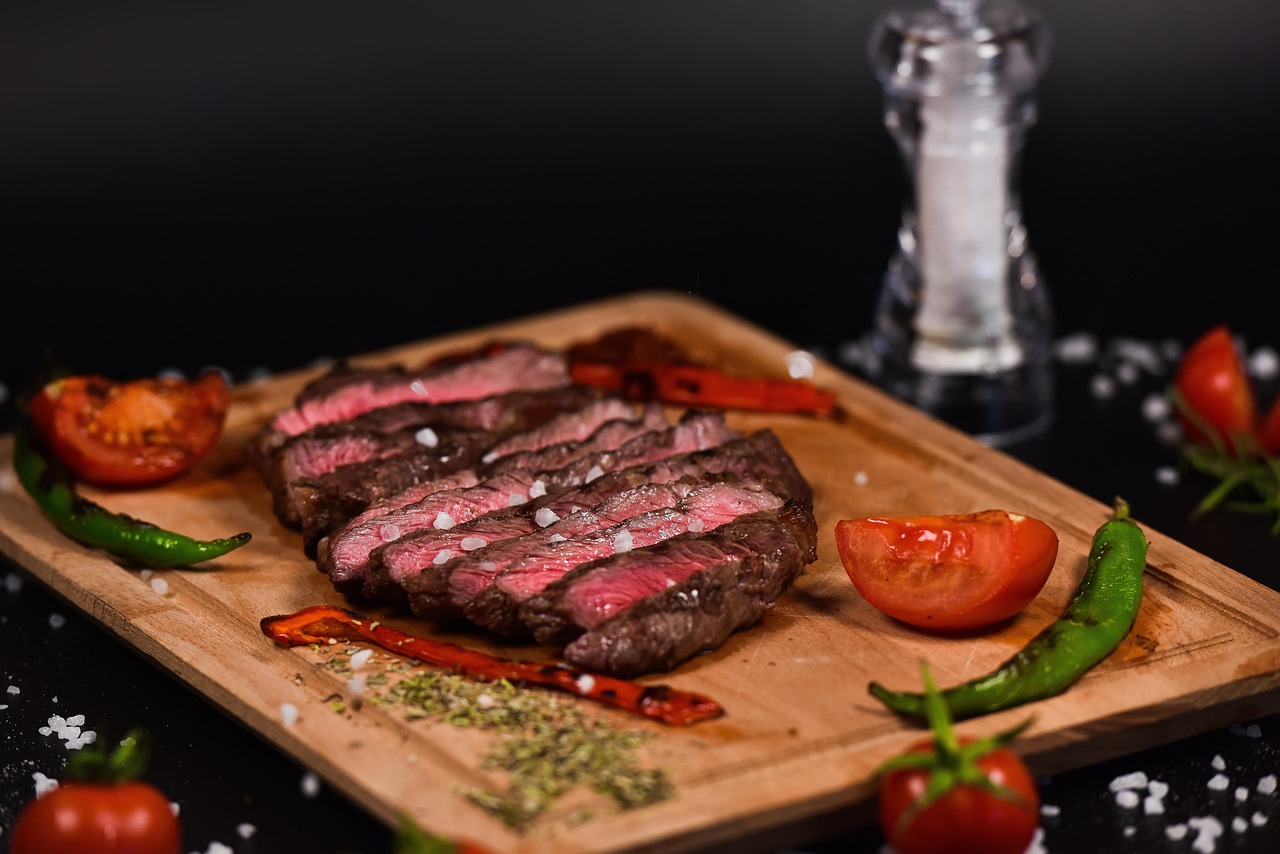
Joe's Crab Shack works from a different angle. It is not trying to be understated or formal, and that actually helps its fried seafood appeal. Diners often visit expecting bold flavors, generous baskets, and a fun, casual atmosphere, so when the fried shrimp delivers on crunch and portion size, it fits the experience perfectly. In customer feedback, Joe's is frequently described as the kind of place where fried seafood feels indulgent in the best way.
Its fried shrimp earns attention because of its straightforward satisfaction factor. Diners regularly mention a pronounced crunch, solid seasoning, and the comfort-food pleasure of pairing shrimp with fries, slaw, or hush puppies. Unlike some chains that chase a lighter seafood profile, Joe's tends to embrace the basket-and-platter format. That gives the shrimp a more craveable, shareable identity. For many customers, that is exactly what makes it worth ordering, especially in a group setting where familiar seafood favorites matter.
Texture and consistency also come up often in diner comments. While casual seafood chains can vary from location to location, Joe's fried shrimp tends to get favorable marks for arriving crisp and visibly cooked to order. People also appreciate that the shrimp usually feels substantial enough to bite into, instead of disappearing under a thick shell of breading. In a value-conscious dining environment, that kind of consistency is a meaningful advantage.
Lobster salad is not the chain's headline item, but lobster-based salads and chilled seafood combinations have appeared in various seasonal or limited-time menus over the years. Diners who enjoy these offerings often describe them as approachable rather than refined, with familiar dressings and broad appeal. That is not a criticism. It is part of the chain's strength. Joe's Crab Shack makes seafood feel accessible to people who may not order lobster often, and according to diners, that accessibility can translate into surprisingly satisfying lobster salad-style dishes when they are on the menu.
McCormick & Schmick's
McCormick & Schmick's is the chain on this list that most clearly leans into the traditional seafood-house model. Diners often come here expecting a step up from everyday casual dining, and that expectation shapes how fried shrimp and lobster salad are judged. Fortunately for the chain, customer feedback suggests it generally performs well in both categories, especially among guests who care about presentation, seafood quality, and a more classic style of service.
Its fried shrimp is often described in diner reviews as crisp, golden, and less greasy than typical chain fare. That may sound like standard praise, but in seafood it matters enormously. Shrimp cooks quickly, so any lapse in timing can leave it rubbery. McCormick & Schmick's tends to earn credit for preserving a tender center while still delivering a proper crunch. Guests also note that sauces and sides are usually chosen to complement the shrimp, not overwhelm it, which gives the dish a more balanced feel.
The lobster salad side of the menu is where the chain's seafood-house identity becomes especially useful. Chilled lobster preparations require confidence and ingredient quality because there is nowhere to hide mistakes. Diners who order lobster salad or lobster-based composed salads here often praise the clean flavor, generous lobster pieces, and measured use of dressing. That measured approach is crucial. A strong lobster salad should taste luxurious but not heavy, and reviews suggest the chain understands that difference.
Another factor working in its favor is menu flexibility. McCormick & Schmick's often rotates seafood based on season and sourcing, which means lobster salad may not appear in the same form year-round at every location. Still, diners tend to see that variability as a positive sign of a seafood-focused operation rather than a weakness. When a chain can execute both fried shrimp and chilled lobster dishes with care, it earns trust. According to diners, McCormick & Schmick's has done enough over time to make those orders feel like smart bets rather than risky experiments.



Leave a Reply