
Food history is full of sweeping stories about empires, trade, and famous chefs, but some of its most memorable books zoom in on much stranger territory. These five titles stand out for their narrow, surprising subjects and for what they reveal about the way people eat, work, and think.
Consider the fork

A fork seems too ordinary to deserve a full cultural history, which is exactly why Bee Wilson's Consider the Fork: A History of How We Cook and Eat feels so surprising. First published in 2012, the book turns kitchen tools into the main characters, from pots and knives to chopsticks and the fork itself.
Wilson shows that tools shape habits as much as recipes do. A spoon changes how soup is eaten, a stove changes what can be cooked, and refrigeration changes what stays on the table. What makes the book unusual is its premise: the history of food can be told through equipment, not ingredients.
Salt

Few books sound as stark as Mark Kurlansky's Salt: A World History. Published in 2002, it takes a single mineral and follows it across centuries of trade, labor, preservation, and power. That narrow focus is the source of its strange charm.
The book explains how salt mattered long before modern refrigeration, when it helped preserve meat, fish, and other foods. Kurlansky also traces the way salt influenced economies and governments, turning a common seasoning into a force in political and commercial history. It is an odd concept for a food book, but a revealing one.
Cod
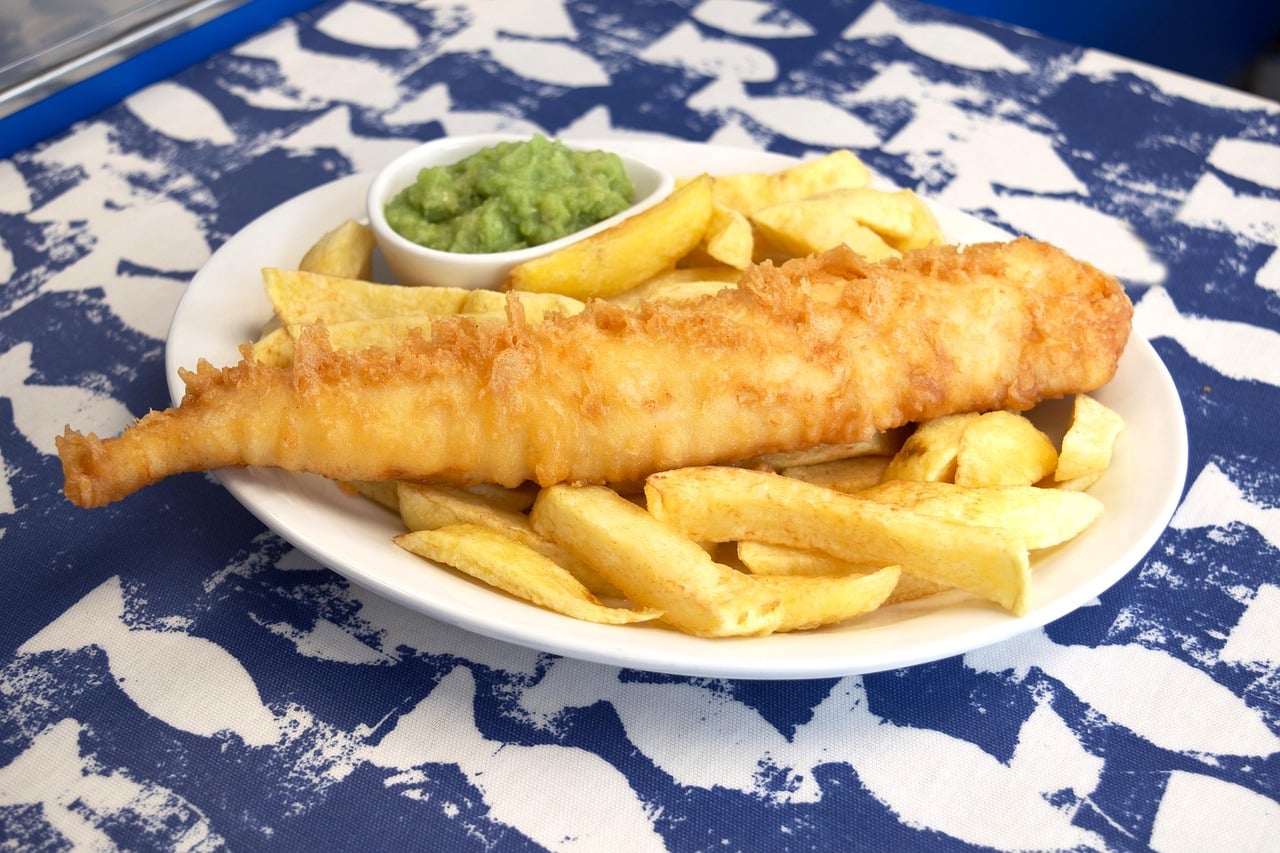
A plain white fish does not look like the star of an epic historical narrative, yet Mark Kurlansky made it one in Cod: A Biography of the Fish that Changed the World. Published in 1997, the book follows cod through exploration, commerce, and diet.
Its strangeness comes from the scale of its claim. Kurlansky argues that cod was not just dinner but a driver of Atlantic history, especially in the North Atlantic fisheries that linked Europe and North America. The result is a food history book that makes one fish feel unexpectedly central to the modern world.
Milk

Milk is familiar, but Deborah Valenze's Milk: A Local and Global History shows how complicated that familiarity really is. Published in 2011, the book traces milk from small scale local production to a global industry shaped by science, sanitation, transport, and marketing.
What makes this title unusual is the way it treats milk as both nourishment and controversy. Valenze explores questions of purity, safety, infant feeding, and industrial change, all through a food many people barely think about. The book turns an everyday staple into a lens on trust, health, and modern life.
Bananas

A banana is easy to peel and easy to ignore, which makes Dan Koeppel's Banana: The Fate of the Fruit that Changed the World such a curious read. Published in 2008, the book takes one of the most common supermarket fruits and uncovers a much bigger story.
Koeppel examines cultivation, global trade, disease, and the dominance of the Cavendish banana in export markets. The book is strange in the best way because it treats a familiar snack as a fragile product of botany and commerce. By the end, the banana looks less simple and far more historical than it first appears.



Leave a Reply