
Some snacks are national. Others never really leave home.
In Atlantic Canada, a handful of beloved treats still feel like regional secrets, unavailable or inconsistent on shelves elsewhere in the country.
Moon Mist Ice Cream

Few flavors say Atlantic Canada faster than Moon Mist. The pastel trio of banana, grape, and bubblegum sounds strange to outsiders, yet in Nova Scotia and nearby provinces it is a deeply familiar taste tied to childhood summers, roadside canteens, and family trips.
The flavor is most closely associated with Scotsburn and later regional dairy producers that kept it alive as local food culture shifted. Its staying power comes from nostalgia, but also from the fact that no major national brand has seriously standardized it for coast-to-coast distribution.
That matters because ice cream distribution is expensive and tightly regional. Freezer logistics, retailer space, and uncertain demand all work against unusual flavors. For large chains in Ontario or Western Canada, Moon Mist can look like a novelty. In the Maritimes, it is simply normal.
Chicken Bones Candy
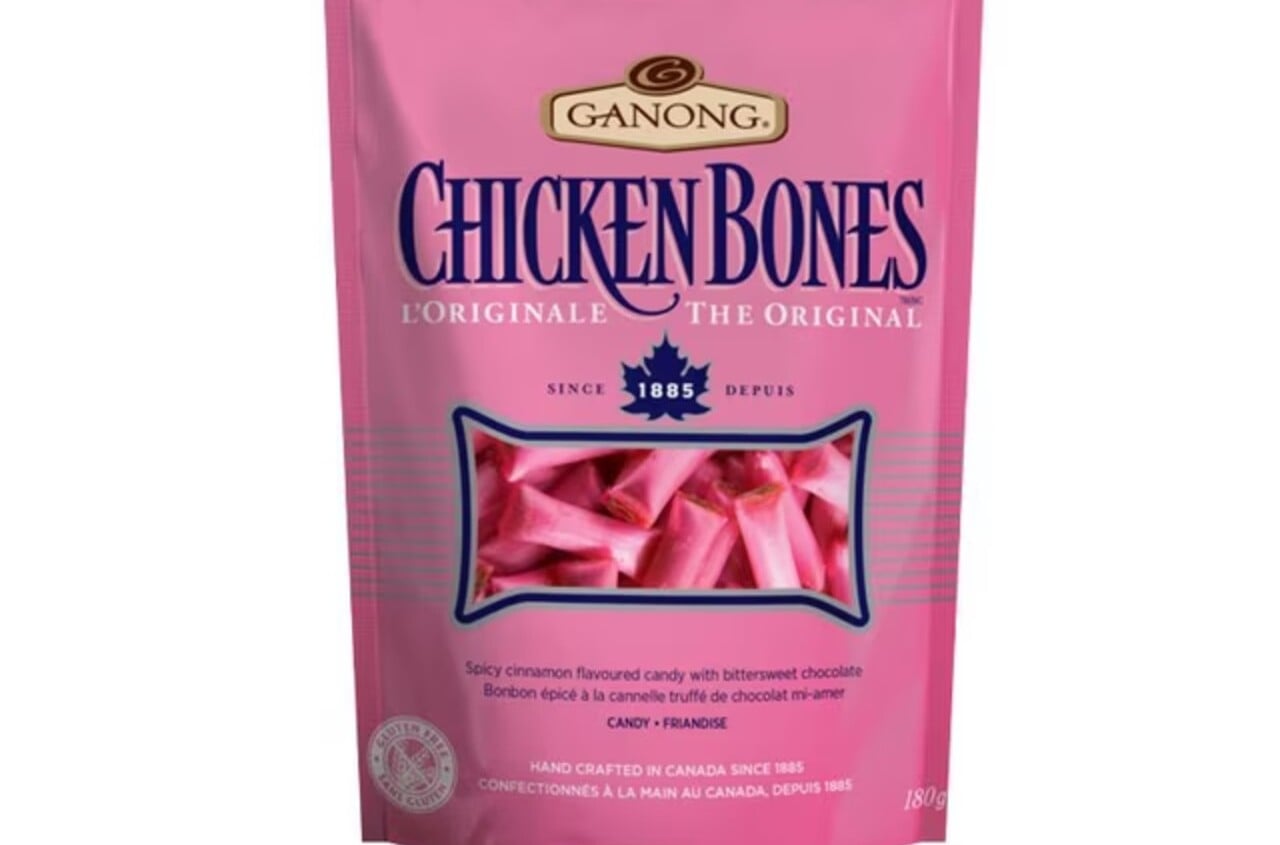
Chicken Bones is one of the oldest and oddest candies still strongly linked to Atlantic Canada. Made by Ganong in New Brunswick, the pink cinnamon hard shell with a chocolate center has been around since the late 1800s and remains especially visible during the Christmas season.
Its name alone can confuse shoppers unfamiliar with East Coast traditions. That is one reason it has never become a reliable national checkout-lane candy, despite the strength of the Ganong brand and its long place in Canadian confectionery history.
Seasonality is another factor. Retailers outside the region often focus holiday shelf space on faster-turning mass brands with predictable demand. Chicken Bones survives because it has a devoted base, not because it fits modern candy marketing. That kind of loyalty is powerful, but it is also highly local.
Covered Bridge Storm Chips
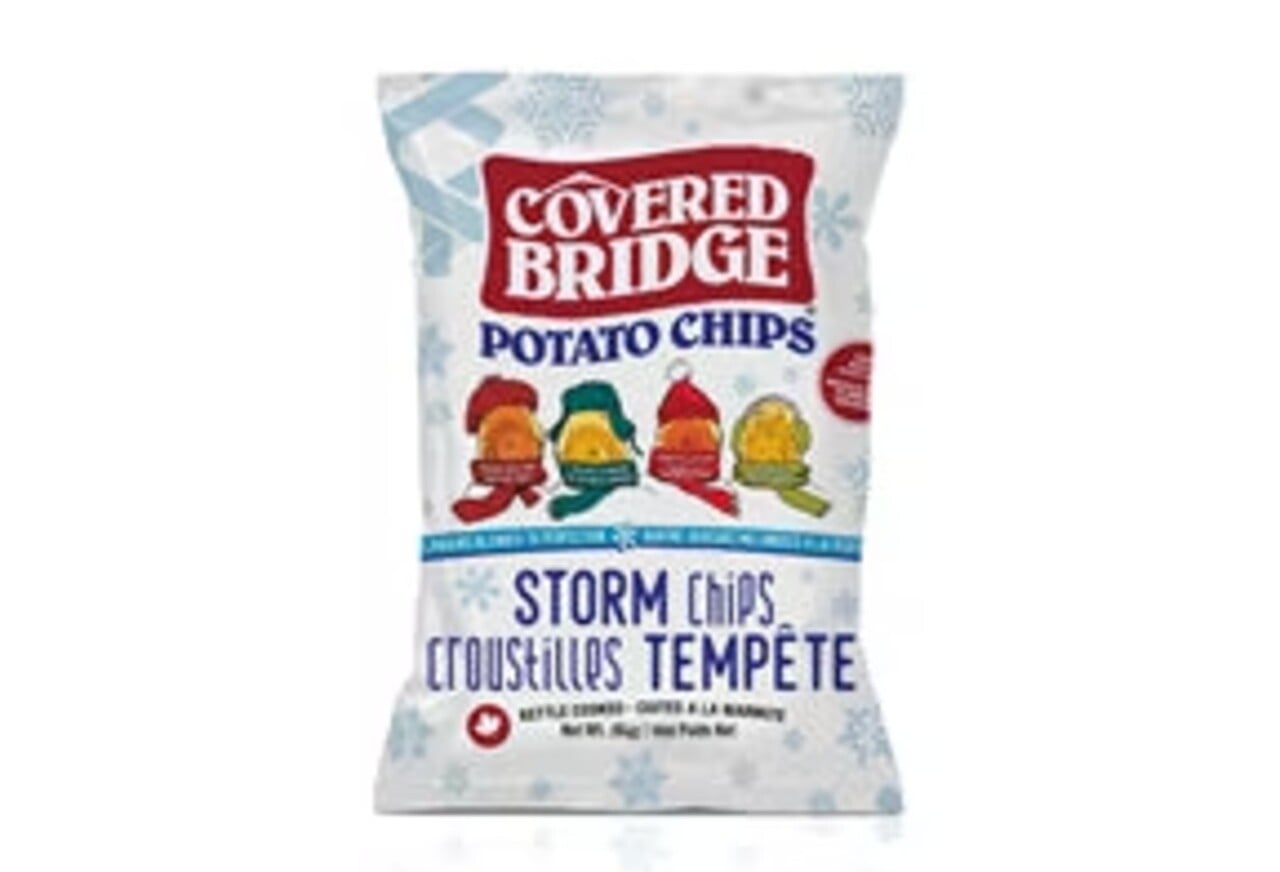
Storm Chips turned a regional joke into one of Canada's smartest snack launches. Covered Bridge, based in New Brunswick, packaged several chip flavors together, echoing the way people sometimes dump partial bags into one bowl during storm season when everyone is stuck inside.
The product gained attention well beyond the East Coast, but availability has remained uneven in many provinces. Limited runs, regional retailer relationships, and the company's smaller production scale compared with multinational chip giants have all shaped where the bags actually appear.
There is also the question of identity. Storm Chips works because it feels Maritime, right down to the weather reference. When regional snacks travel too far, they sometimes lose the context that made them special. Covered Bridge has managed the branding well, but broad, permanent national penetration is still a different challenge.
Hodge Podge Sauce and Dressings Chips Pairings
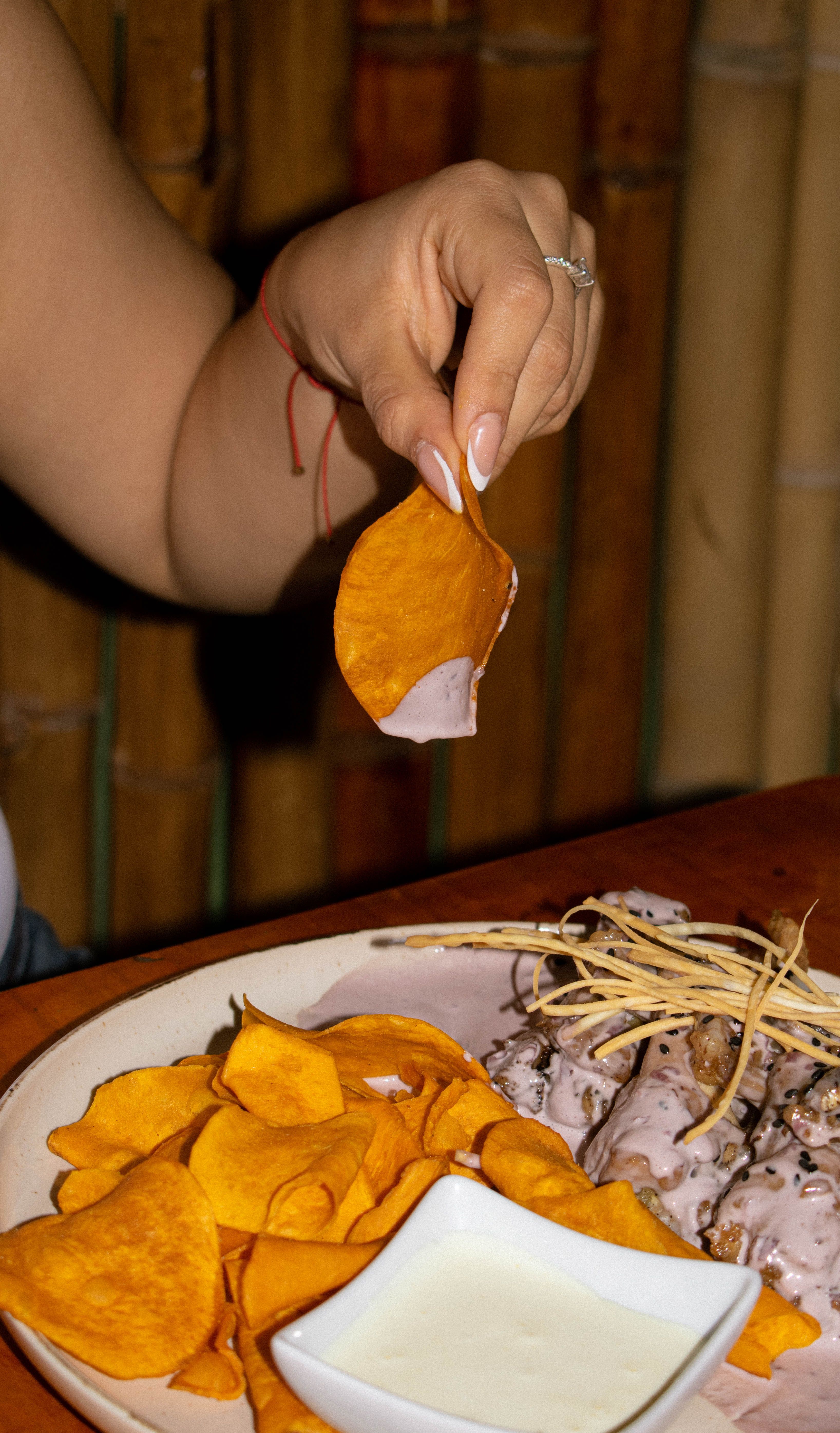
Not every hard-to-find Maritime snack is a single packaged item. Sometimes it is a whole way of snacking. Across the region, small-batch chip brands, seafood spreads, and old-style dressings often show up in combinations that are common locally but nearly invisible in central Canadian grocery culture.
One example is the enduring popularity of snack tables built around regional potato chips, mustard pickles, chow, and creamy spreads served with crackers or fresh bread. These are not always marketed as signature products, yet they reflect a food system shaped by church suppers, corner stores, and local processors.
That makes them hard to export as neatly as a chocolate bar or soda. Large chains want standardized products with long shelf lives and clear category labels. Maritime snack culture often resists that model. It is built on habit, local sourcing, and brands that never needed national expansion to stay relevant.
Purity Hard Bread and Traditional Sweet Pairings
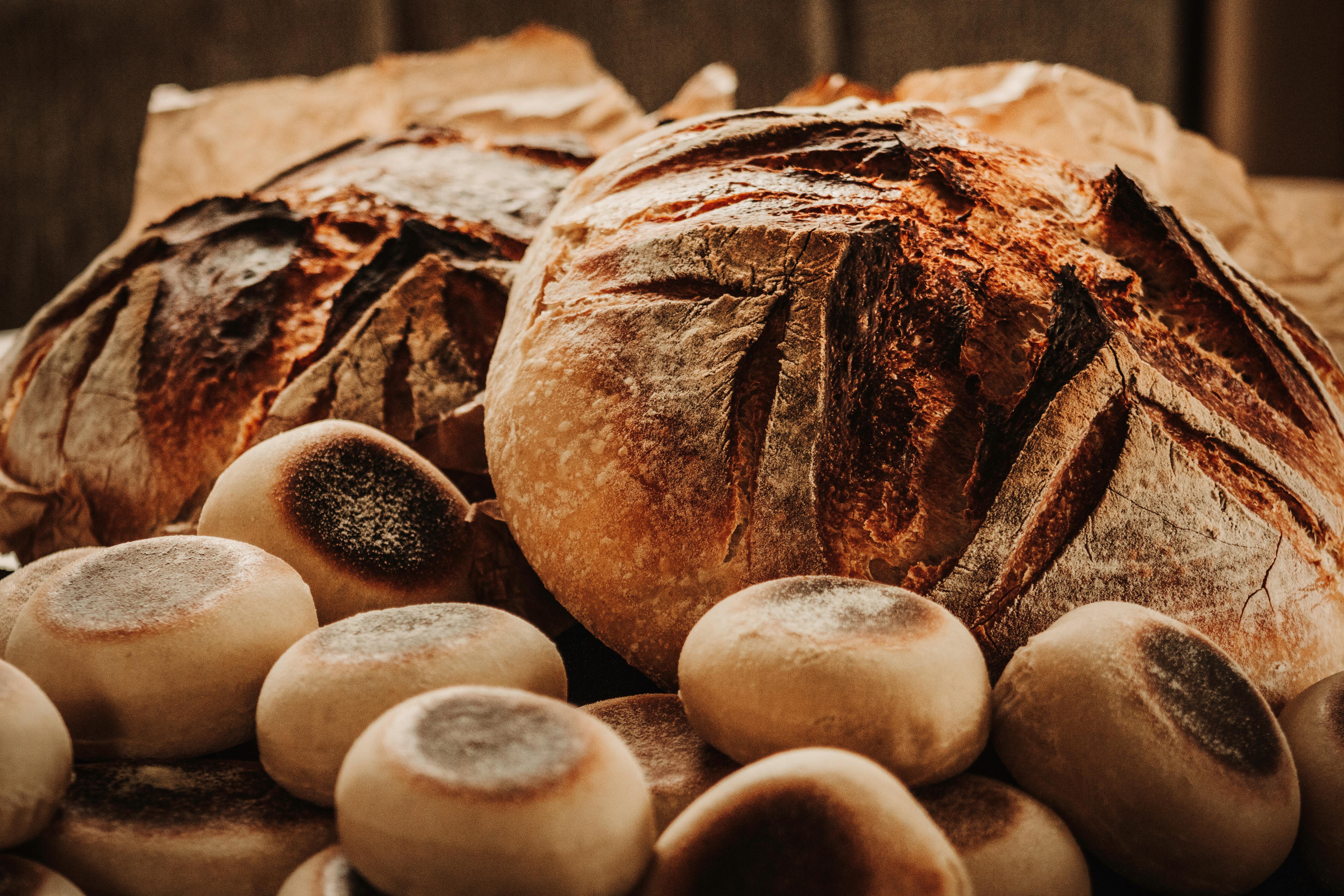
Although Purity is a Newfoundland name, its products have long circulated through Atlantic households and remain difficult to find consistently across most of Canada. Hard bread, in particular, carries enormous cultural weight, whether eaten plain, with butter, or alongside molasses and tea.
To outsiders, it can seem too plain to inspire loyalty. In practice, that simplicity is exactly the point. Traditional foods often survive because they are versatile, shelf-stable, and bound to memory. Hard bread fits all three, which helps explain why it remains essential in many East Coast kitchens.
Distribution beyond Atlantic Canada has improved in specialty shops, but broad supermarket presence is still limited. The same is true for classic sweet pairings that travel with it, including molasses-based treats and regional baked goods. These foods are less about novelty than continuity, and that rarely scales quickly in modern retail.




Leave a Reply