
A great recipe can still disappoint if the measuring is off by just a little. Chefs know that some ingredients are far less forgiving than others.
Flour
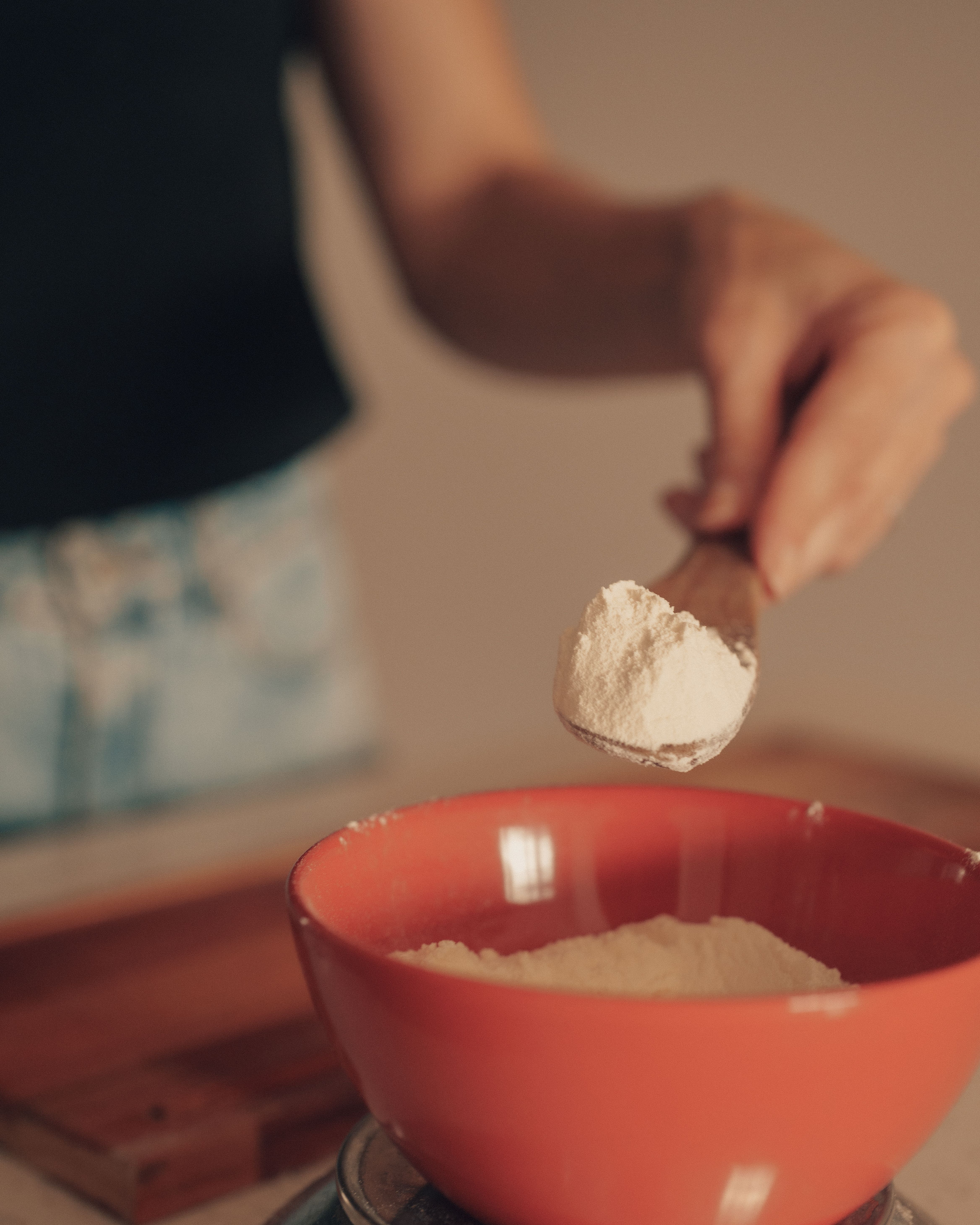
Flour looks harmless, but it is one of the biggest troublemakers in home baking. Many people dip the measuring cup straight into the bag, scoop hard, and level it off. That packs the flour down and can add far more than the recipe intended.
Professional bakers usually weigh flour because volume changes with humidity, storage, and even how recently the bag was shaken. A cup of all-purpose flour can vary significantly depending on how it is filled. That difference is often what turns tender muffins into dense ones.
If you are using cups, spoon the flour into the cup and level it with a straight edge. Do not tap the cup on the counter. Chefs point out that this one habit alone can improve cookies, cakes, pancakes, and biscuits immediately.
Salt

Salt is not just about making food taste salty. It controls balance, sharpens sweetness, and affects how dough behaves. Yet many cooks treat all salt as interchangeable, even though kosher salt, table salt, and flaky sea salt measure very differently by volume.
A teaspoon of fine table salt contains much more salt than a teaspoon of coarse kosher salt. That is why a dish can become over-seasoned fast when the wrong kind is used. Restaurant cooks often season by hand, but they know exactly which salt they are working with.
For precision, chefs recommend matching the salt type listed in the recipe or measuring by weight when possible. In baking, even a small salt mistake can alter flavor and fermentation. In sauces and soups, it can overwhelm every other ingredient.
Brown Sugar
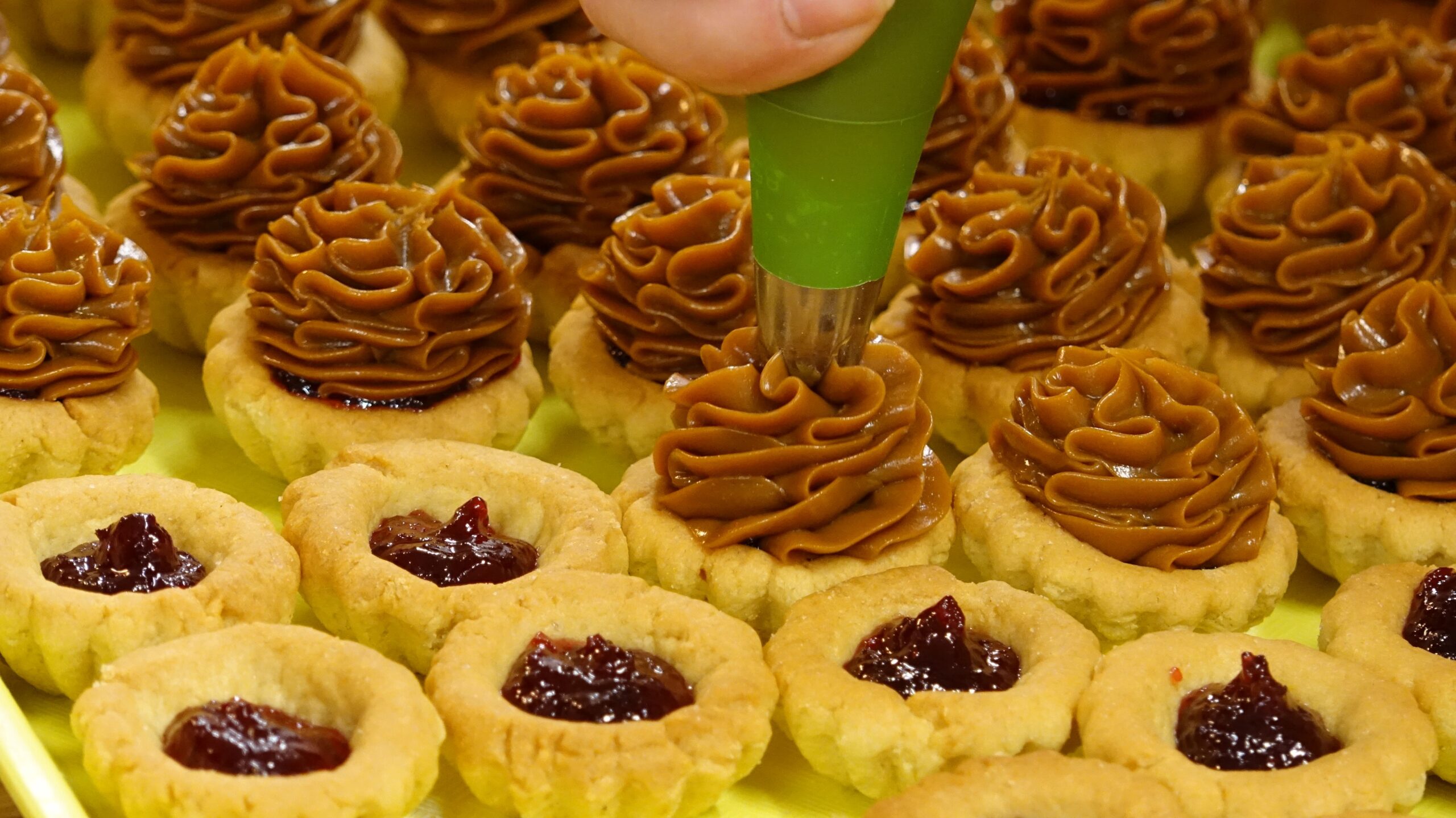
Brown sugar is one of the few ingredients many recipes specifically tell you to pack, but people still do it inconsistently. Some press lightly, others compress it firmly, and that changes sweetness and moisture. Since brown sugar contains molasses, the variation affects more than taste.
In cookies, too little brown sugar can reduce chewiness and produce a drier crumb. Too much can make the dough spread differently and brown faster. Chefs often notice that inconsistent sugar packing is behind batches that look unlike the photo in the recipe.
The fix is simple: pack it firmly and evenly into the cup unless the recipe says otherwise. Better yet, weigh it. A scale removes guesswork and helps keep baking results consistent from one batch to the next.
Rice

Rice is often measured casually, but chefs treat it with much more respect. The issue is not only how much rice you use, but how much water matches it. Even a small imbalance can leave the grains hard, gummy, or unevenly cooked.
Different rice types absorb water differently. Long-grain white rice, jasmine rice, basmati, and short-grain rice should not all be measured and cooked the same way. According to culinary instructors, many home cooks rely on one universal ratio that simply does not fit every variety.
Chefs recommend using the same measuring tool for both rice and water, rinsing when appropriate, and following the ratio meant for that specific type. In large kitchens, rice is often weighed for consistency. At home, that same habit can make weeknight meals much more reliable.
Peanut Butter
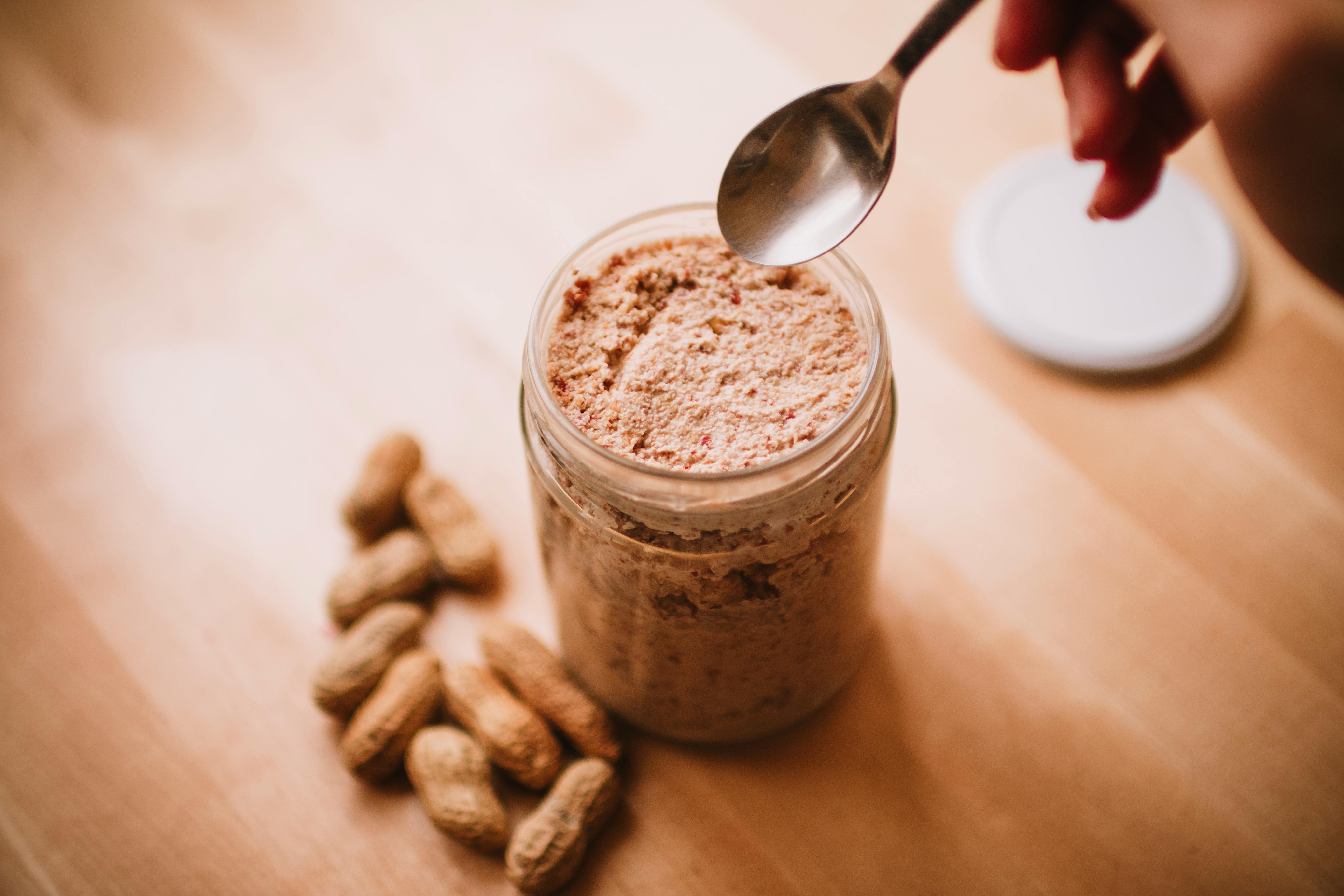
Peanut butter is thick, sticky, and surprisingly difficult to measure accurately. A spoonful can hold air pockets, while a measuring cup can trap product along the sides. That means the amount that reaches the bowl may be quite different from what you thought you added.
In sauces, dressings, and baking batters, that difference matters. Too much peanut butter can make a sauce heavy or a cookie dough overly dense. Too little can flatten flavor and weaken the rich texture the recipe depends on.
Chefs often suggest weighing sticky ingredients whenever possible. If you must use a cup or spoon, lightly oil the measuring tool first so the full amount slides out. It is a small trick, but it brings much better accuracy and less waste.




Leave a Reply