
A few words on a package can make almost any food look smarter, cleaner, and better for you. The trouble is that many of the most trusted labels are vague, loosely regulated, or easy to misunderstand.
Natural
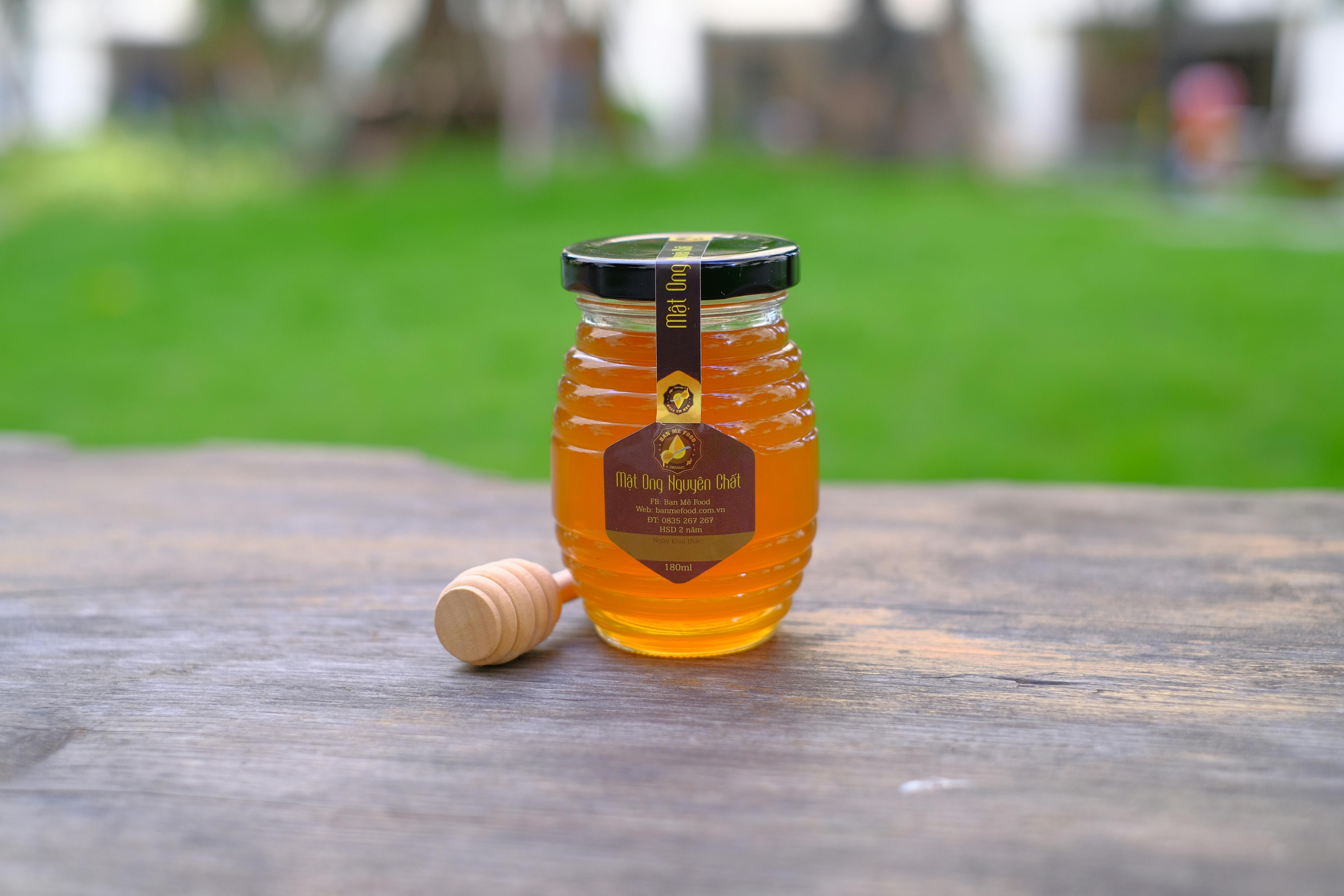
"Natural" sounds reassuring because it suggests food is close to its original form. In practice, that impression is often far stronger than the label itself.
In the United States, the FDA has never created a fully formal definition for "natural" on most packaged foods. The agency has generally treated it to mean nothing artificial or synthetic was added that would not normally be expected. That leaves a lot of room for interpretation.
A cereal made with refined grains, added sugar, and highly processed oils may still use the word if its ingredients fit that loose standard. Shoppers often read "natural" as meaning minimally processed, nutritious, or environmentally friendly, but those ideas are not guaranteed by the label.
Multigrain
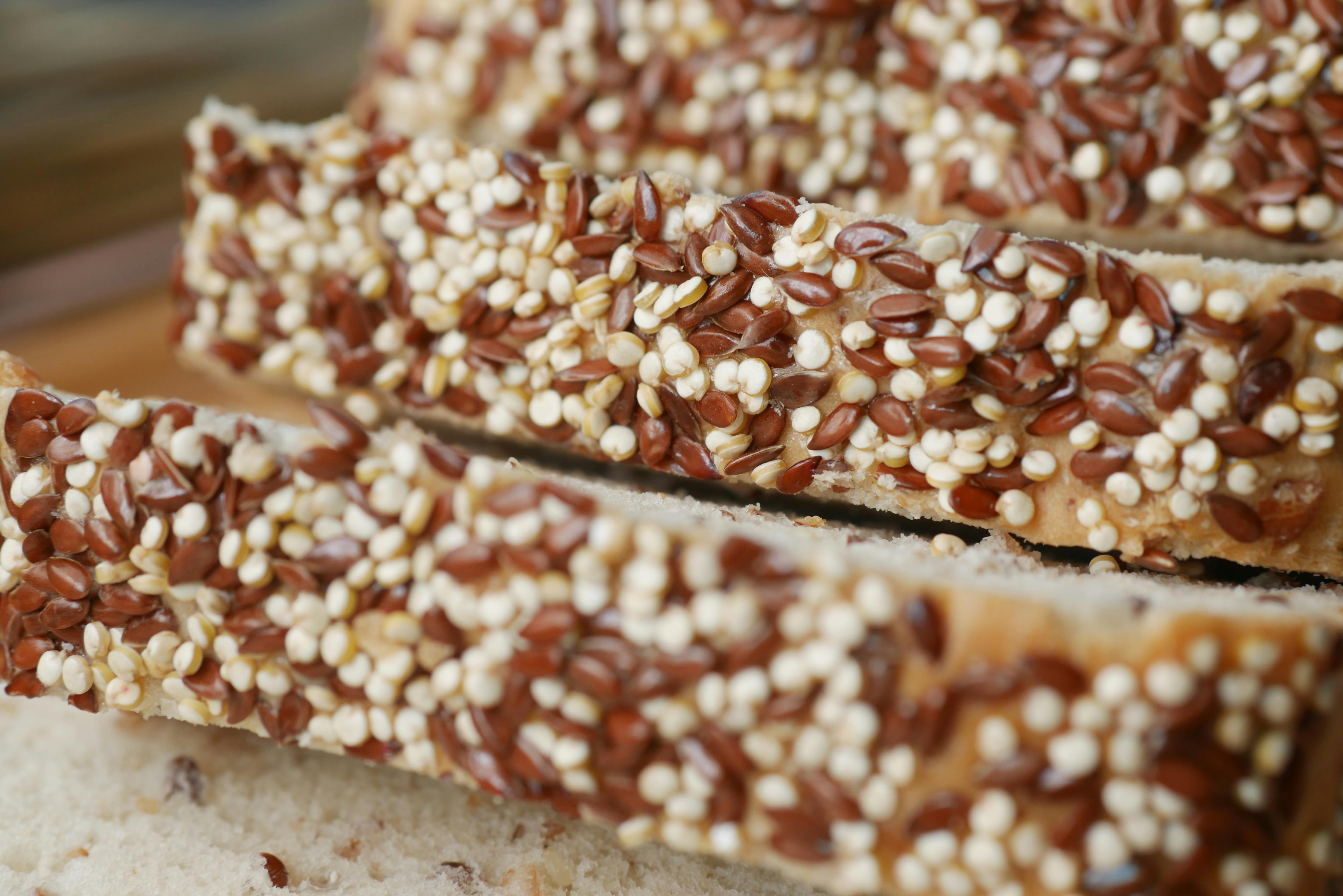
"Multigrain" gives the impression of wholesome bread packed with fiber-rich grains. The reality is simpler and less impressive: it usually just means more than one grain is present.
Those grains can still be mostly refined, which strips away much of the bran and germ where fiber and nutrients are found. A loaf can contain wheat, corn, and barley and still behave nutritionally a lot like white bread if the grains are heavily processed.
The better clue is "100% whole grain" or "100% whole wheat," along with a fiber count that supports the claim. If the first ingredient says "enriched wheat flour," the product may wear a healthy-looking label while delivering less satiety and fewer nutrients than expected.
Made With Real Fruit

This phrase works because it is technically true and emotionally persuasive at the same time. A fruit snack, breakfast bar, or sweetened yogurt may contain some fruit, but not enough to make it a strong source of fruit nutrition.
A small amount of puree or concentrate can justify the claim even when sugar remains the dominant feature. According to consumer watchdog reviews and product label analyses, many "fruit" products contain more added sweetener than actual fruit by weight in a serving.
Real fruit brings fiber, water, vitamins, and plant compounds in a natural package. A strawberry pastry made with fruit filling is not nutritionally comparable to a bowl of berries, even if the front label shows bright fruit imagery and confident health language.
Light

"Light" sounds like a shortcut to a better choice, but the term only tells you a product is reduced in something compared with a reference food. Under FDA rules, that often means ⅓ fewer calories or 50% less fat, though context matters.
What it does not promise is overall healthfulness. Light salad dressing may cut fat while adding sugar, starches, or sodium to preserve texture and flavor. Light peanut butter often has less fat but can include added sugar and similar calorie totals per serving.
This is why comparison matters more than the word itself. Read the standard version beside the light version and look at serving size, calories, sodium, added sugars, and protein before assuming the lighter package is the smarter buy.
Gluten-Free

For people with celiac disease, gluten-free labeling is medically essential. For everyone else, it is often treated as a general wellness badge, even though gluten-free does not automatically mean healthier.
Many gluten-free packaged foods rely on refined rice flour, potato starch, or tapioca starch to mimic texture. That can mean less fiber, less protein, and a faster blood sugar rise than a whole-grain product containing gluten.
A gluten-free cookie is still a cookie, and a gluten-free cracker can still be highly processed and salty. Unless you need to avoid gluten for a diagnosed reason or clinician-guided plan, the better focus is usually whole foods, ingredient quality, and overall nutrition, not the absence of one protein.




Leave a Reply