
Food rules for kids have shifted a lot in one generation. Many older moms served certain staples because they were common, affordable and considered normal at the time, while newer guidance from groups like the American Academy of Pediatrics and the CDC has made many parents rethink them.
Juice in a sippy cup

For many families, juice once read as healthy because it came from fruit. That helped make apple juice and fruit punch lunchbox regulars, even for very young kids who drank them throughout the day.
Current guidance is much stricter. The American Academy of Pediatrics says fruit juice offers no nutritional benefit to children under age 1 and should not be included in their diet. For older children, the group recommends firm limits because juice packs sugar without the fiber whole fruit provides.
That shift explains the eye rolling. What once looked wholesome now raises concerns about excess sugar, tooth decay and filling up on drinks instead of food. A photo of a brightly colored sippy cup captures that generational gap perfectly.
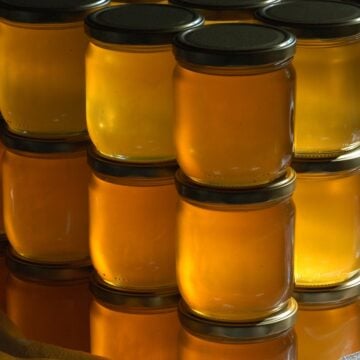
Honey before age 1
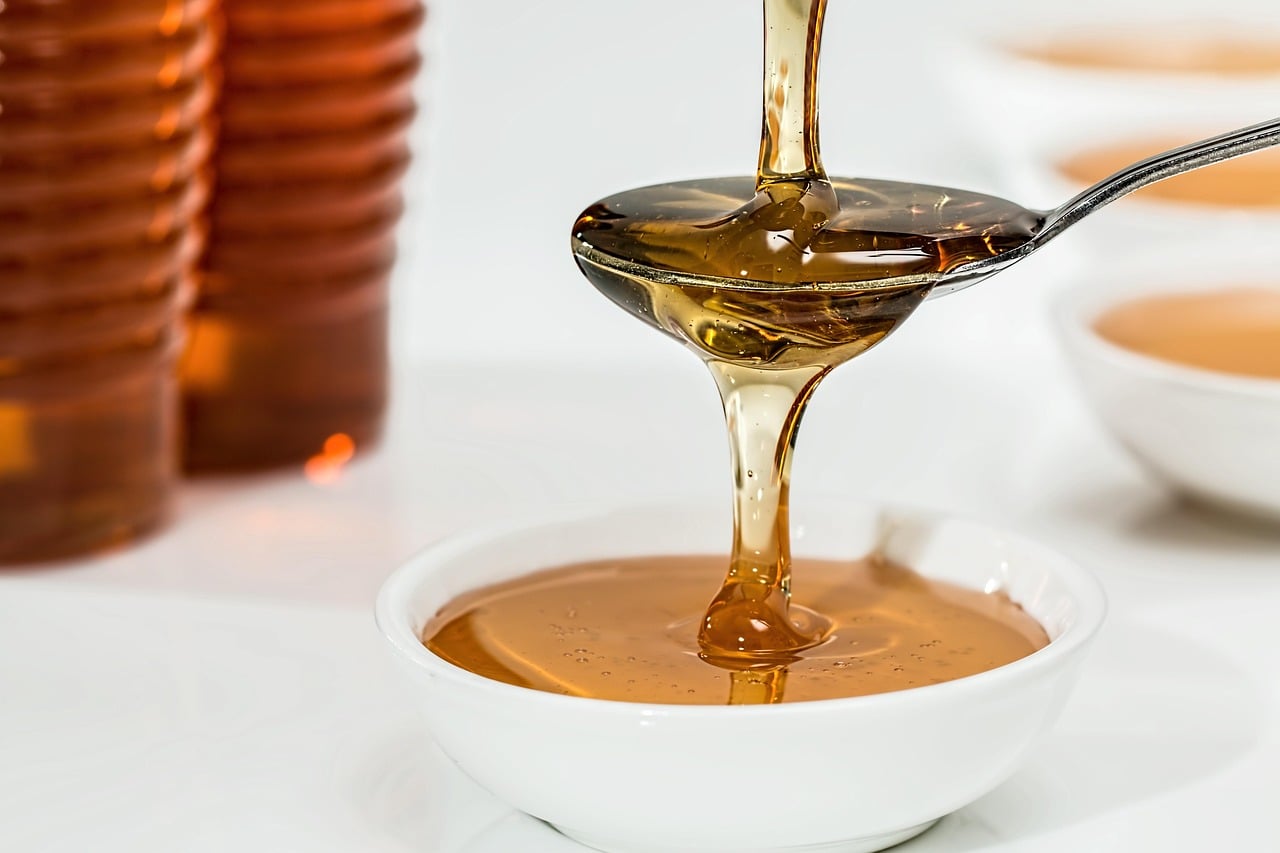
A dab of honey on toast or stirred into cereal used to seem harmless, and sometimes even soothing when a baby had a cough. Older parents often treated it as a natural pantry staple rather than something to avoid.
Today, the CDC says honey should not be given to infants younger than 12 months. The reason is infant botulism, a rare but serious illness caused by toxins that can form after babies ingest spores of Clostridium botulinum.
This is one of the clearest examples of advice changing because of better safety messaging, not because past parents were careless. To a modern parent, though, a spoonful of honey for a baby can look startling in a way it might not have decades ago.
Hot dogs in coin shaped slices
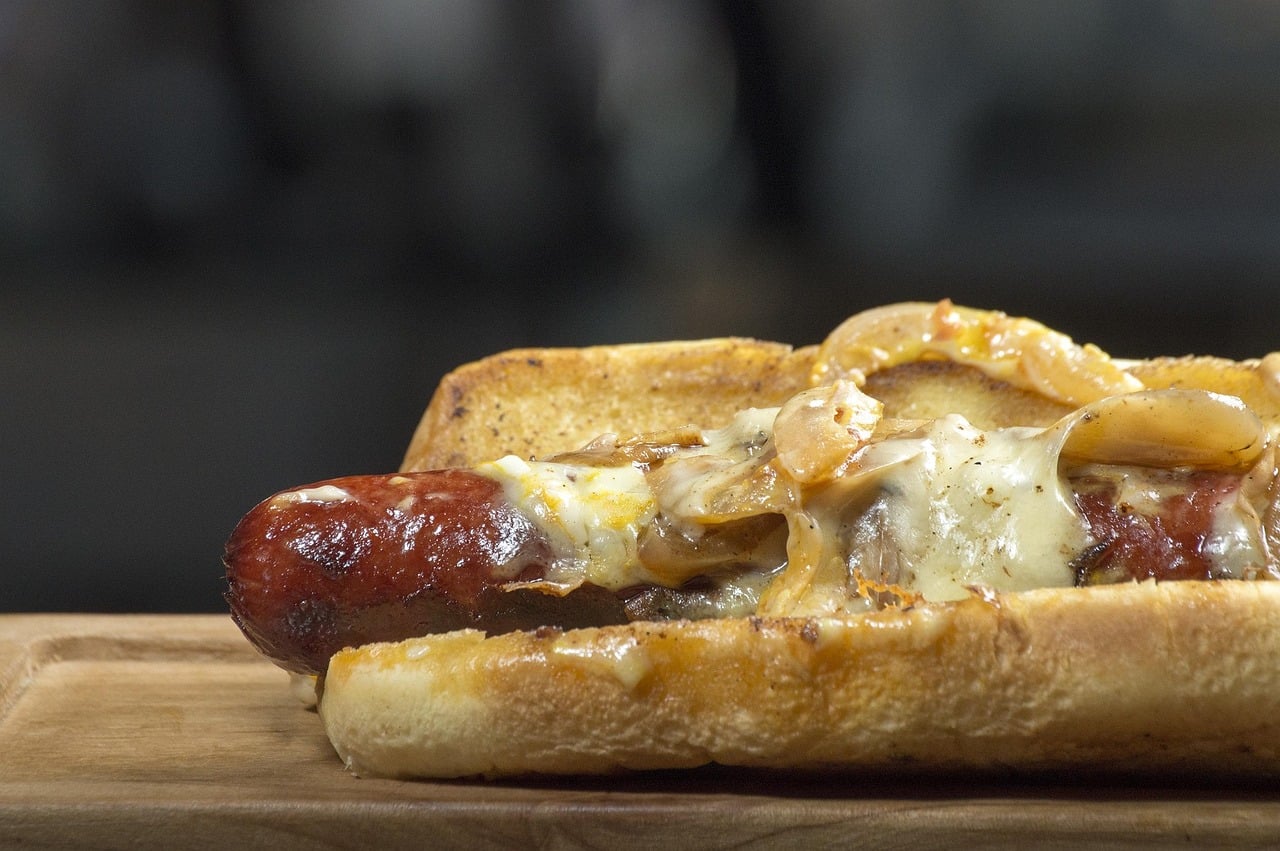
Hot dogs have long been a fast, cheap kid food, especially for rushed weeknights and backyard meals. Many adults remember eating them sliced into neat little rounds that seemed easier for small children to chew.
Now that exact shape is widely flagged as a choking hazard. The American Academy of Pediatrics has warned that foods like hot dogs can block a child's airway, and safer preparation means cutting them lengthwise and into small irregular pieces rather than round coins.
That change can make old habits look surprisingly risky. The food itself is familiar, but the way it was served is what stands out today. One close-up image of sliced hot dogs tells the whole story.
Rice cereal in the bottle
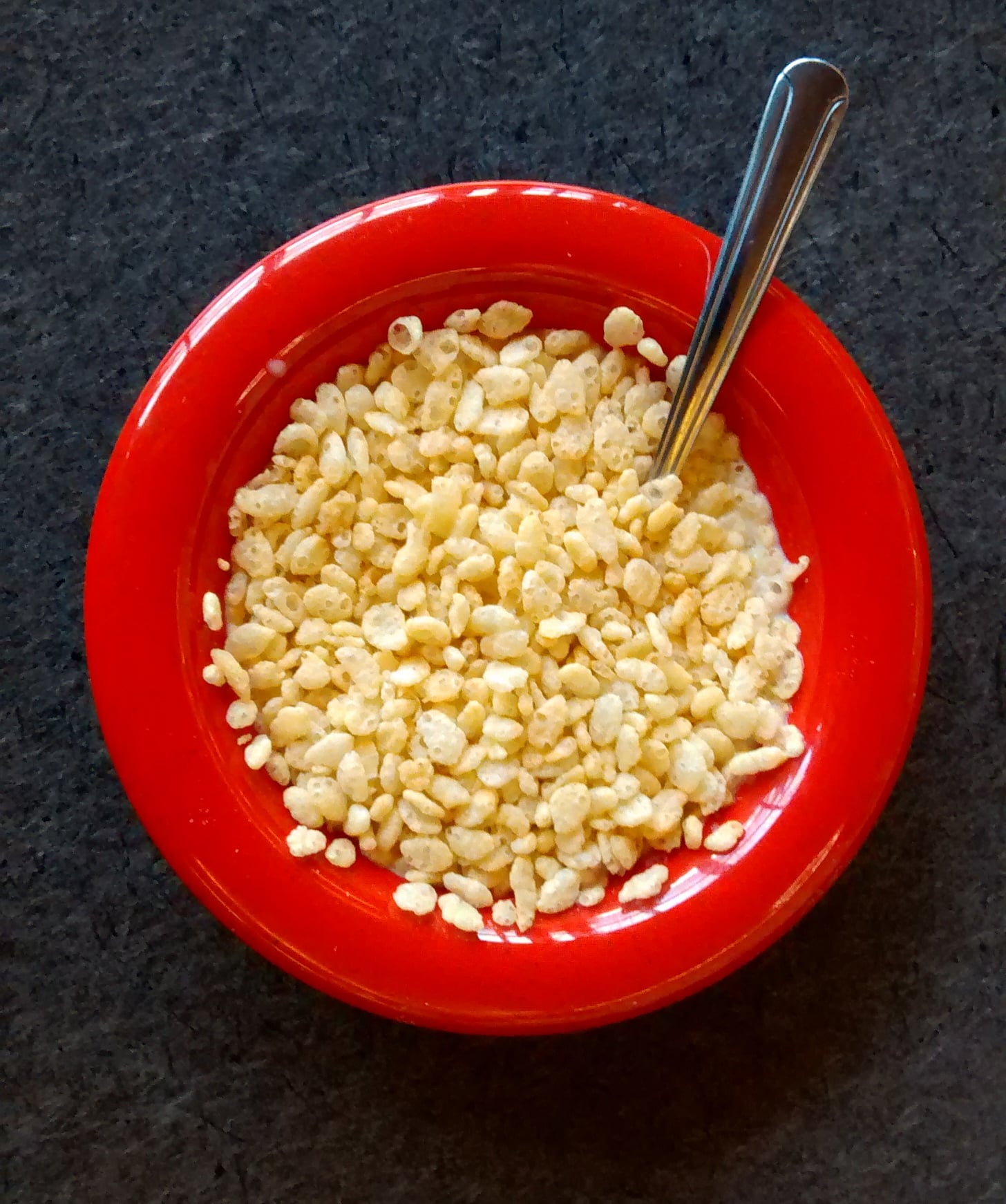
For years, adding rice cereal to a bottle was common advice for babies thought to be extra hungry or poor sleepers. Some families also saw it as an early step toward solids.
The American Academy of Pediatrics advises against putting cereal in a bottle except when medically indicated and directed by a pediatrician. Feeding guidance now stresses developmental readiness for solids, usually around 6 months, rather than using thicker bottles to encourage sleep or fullness.
There is also a second issue modern parents bring up more often. The FDA has noted concerns about inorganic arsenic in rice and has encouraged variety in infant grains. That has helped turn rice cereal from default first food into a more debated choice.
Whole grapes for little kids
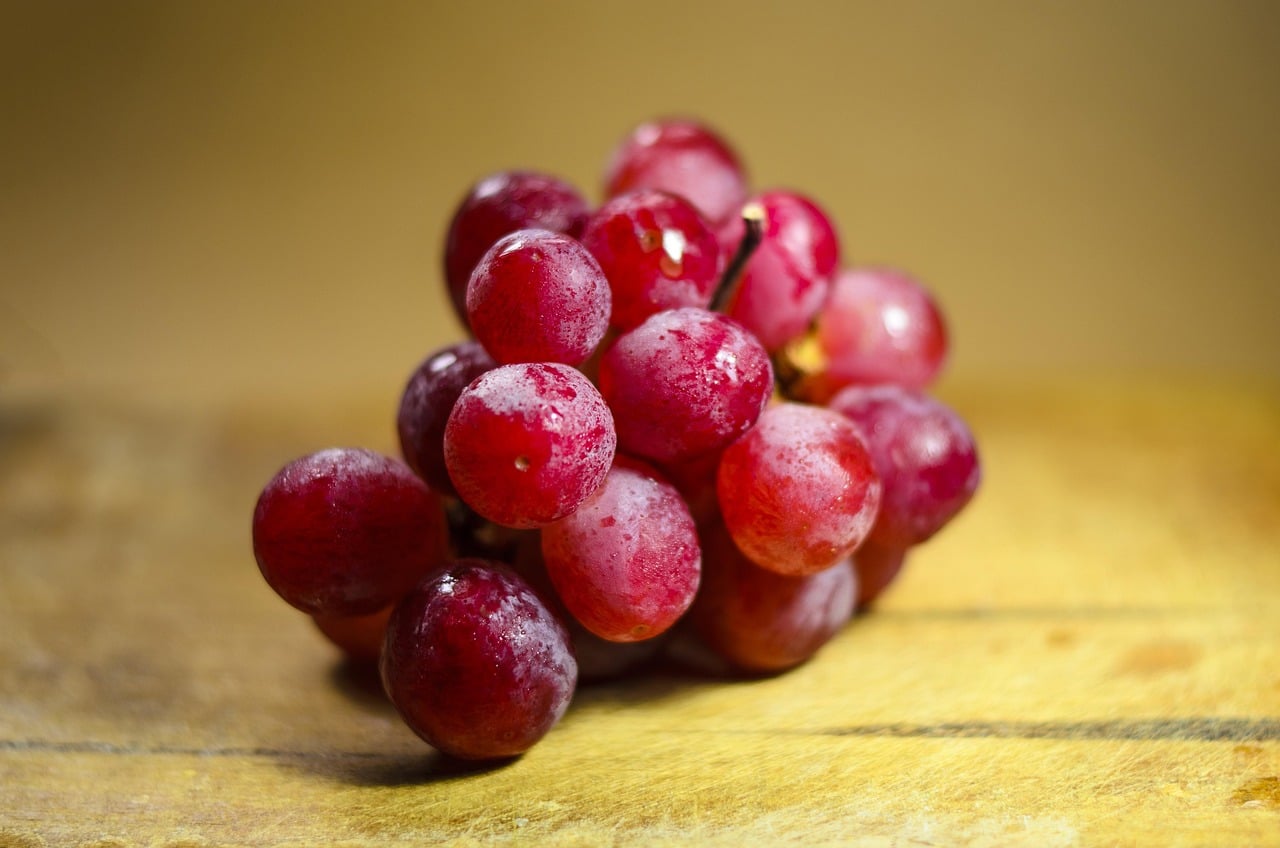
A bowl of grapes can look like one of the healthiest snacks on the table. That is part of why older moms often handed them over with little concern, especially if the child seemed old enough to chew.
Pediatric safety advice now treats whole grapes much more cautiously for young children because of choking risk. The recommendation is to cut grapes into quarters lengthwise before serving them to smaller kids, since their round, firm shape can seal the airway.
It is a useful ending point because it shows how even fresh produce is not automatically worry free. The big change is not that grapes became bad, but that parents now hear far more specific advice about how a healthy food should be prepared.


Leave a Reply