
Canada's food reputation goes far beyond maple syrup. In several categories, the country has produced record-breaking foods that are as impressive in scale as they are revealing about Canadian agriculture and community spirit.
The heaviest pumpkin ever grown
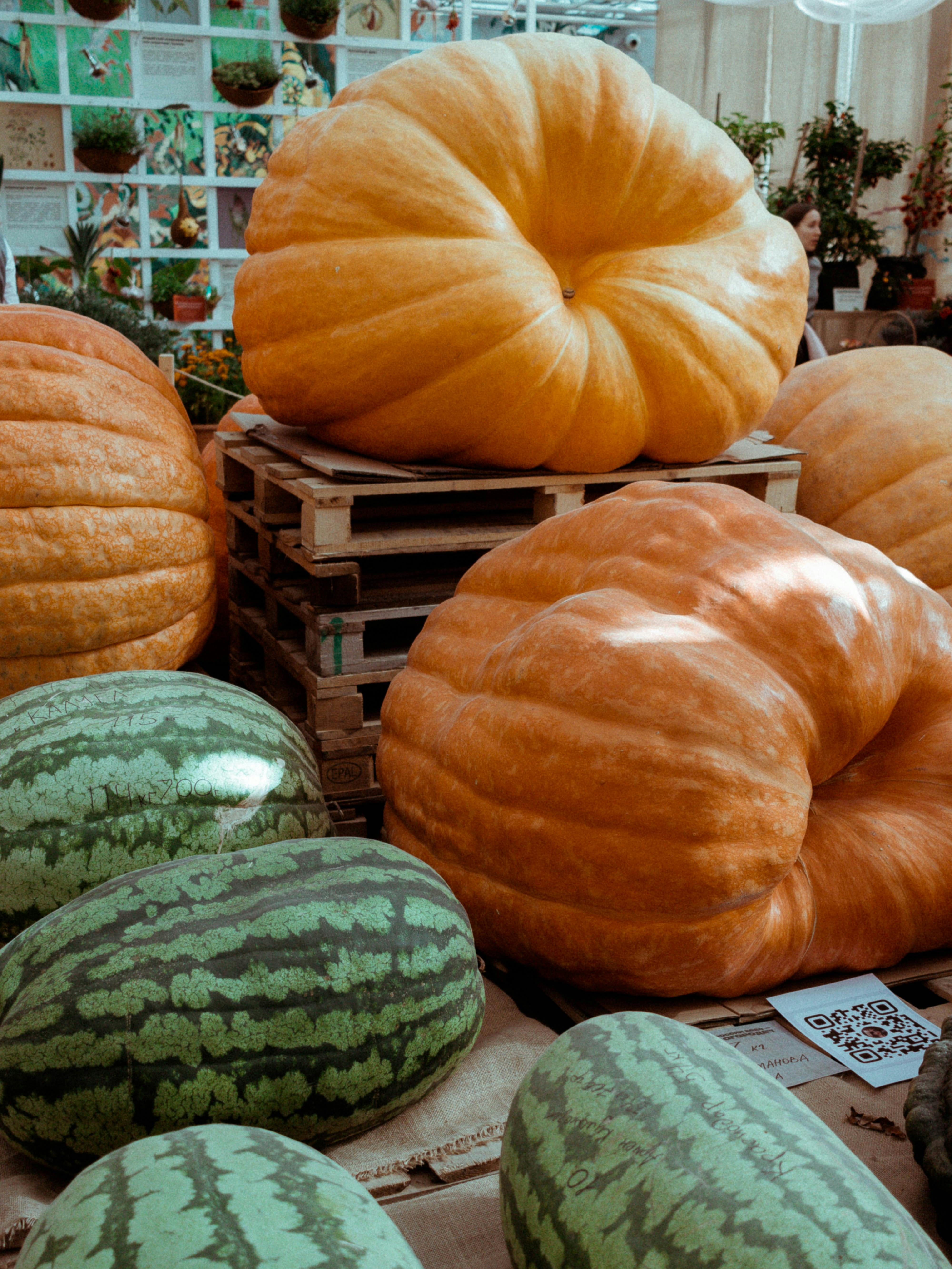
Few foods capture fall spectacle like a giant pumpkin, and Canada has had a starring role in that world. In 2016, grower Mathias Willemijns of Quebec set a world record with a pumpkin weighing 2,624.6 pounds, a figure that stunned competitive growers across North America.
That record was confirmed at a weigh-off in Belgium, but its Canadian connection matters. Willemijns was living and growing in Quebec, where the climate, seed selection, soil management, and relentless care all contributed to an outcome that growers describe as the result of science as much as luck.
Giant pumpkin cultivation is intensely technical. Serious growers monitor water uptake, protect the fruit from stress, and manage vines with near-laboratory precision. Canada's place in this niche shows how advanced and competitive its horticultural community has become.
The largest poutine ever assembled
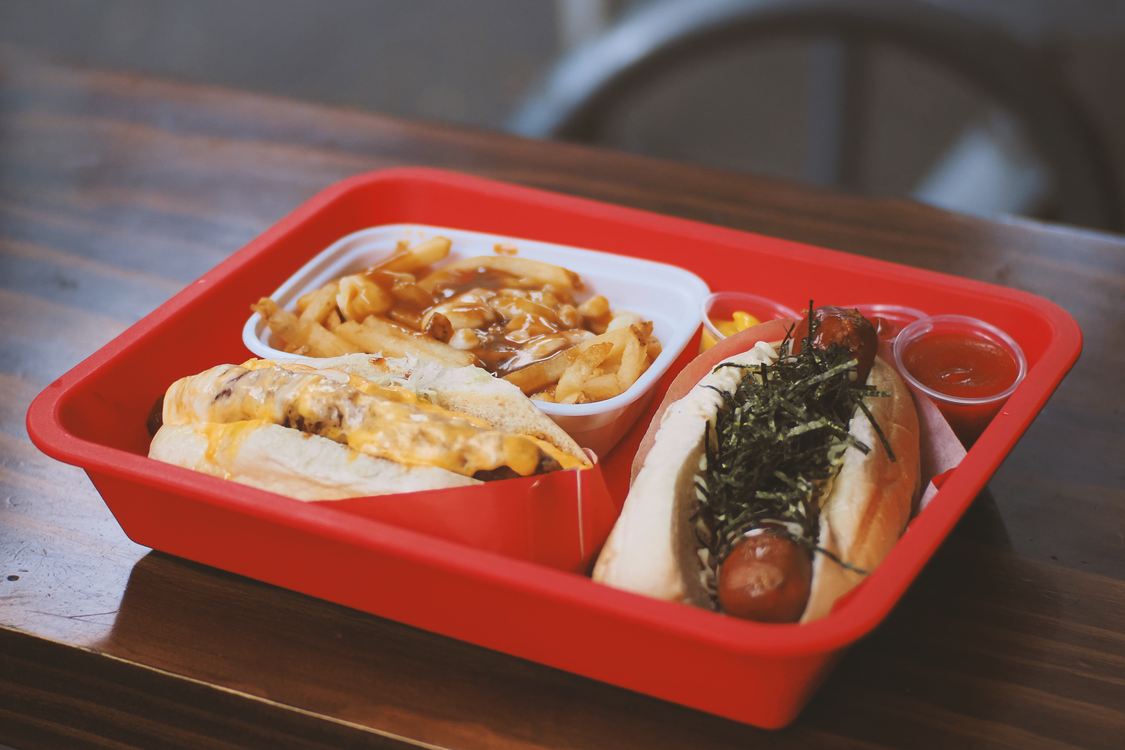
Poutine began in Quebec as a humble combination of fries, cheese curds, and gravy, but it has also become a record-setting event food. In 2014, a team in Drummondville, Quebec, created the largest poutine ever made, weighing more than 6,000 pounds and drawing international attention.
The achievement was not just about piling ingredients into a tray. Organizers had to preserve the dish's recognizable structure and edible quality, which is a key standard in many record attempts. That meant proper curds, usable gravy, and fries prepared on a truly industrial scale.
This record also underscored poutine's evolution from regional snack to national symbol. What was once diner fare is now discussed by chefs, food historians, and tourism boards as one of Canada's defining culinary exports.
The biggest blueberry harvest credentials
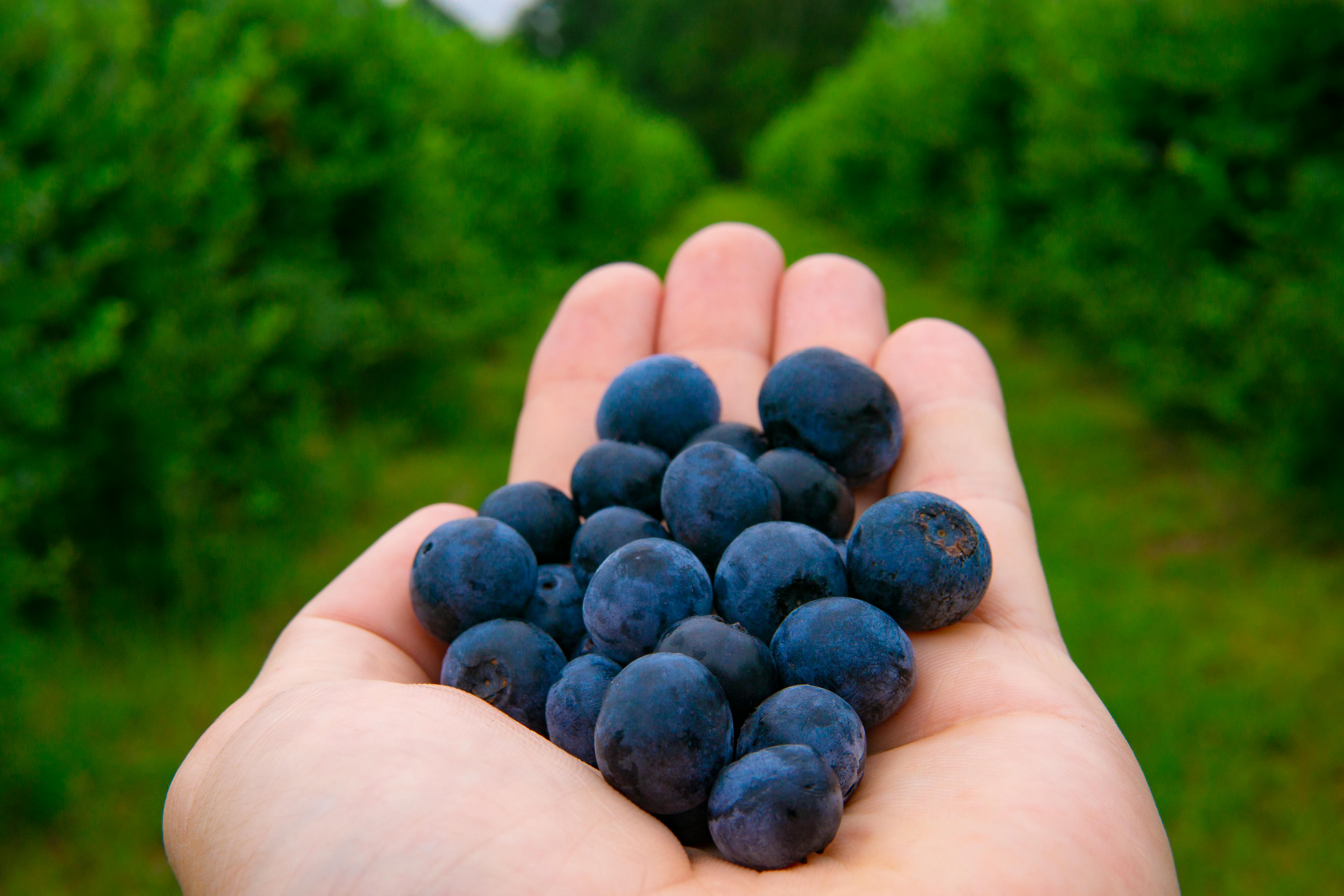
Canada's global blueberry standing is not a novelty record but a production powerhouse story. The country has long ranked among the world's leading producers of both wild and cultivated blueberries, with British Columbia and Atlantic Canada playing especially important roles in that dominance.
Wild blueberries, in particular, are central to Canada's food identity. Provinces such as Nova Scotia and New Brunswick have built industries around them, supplying frozen, fresh, dried, and processed fruit to markets around the world. That scale gives Canada a practical claim to world-class status in the berry trade.
Industry experts often point to Canada's climate and well-developed processing systems as major advantages. The result is a blueberry sector that is not merely large, but internationally influential in pricing, supply, and product quality expectations.
The largest butter tart contest culture
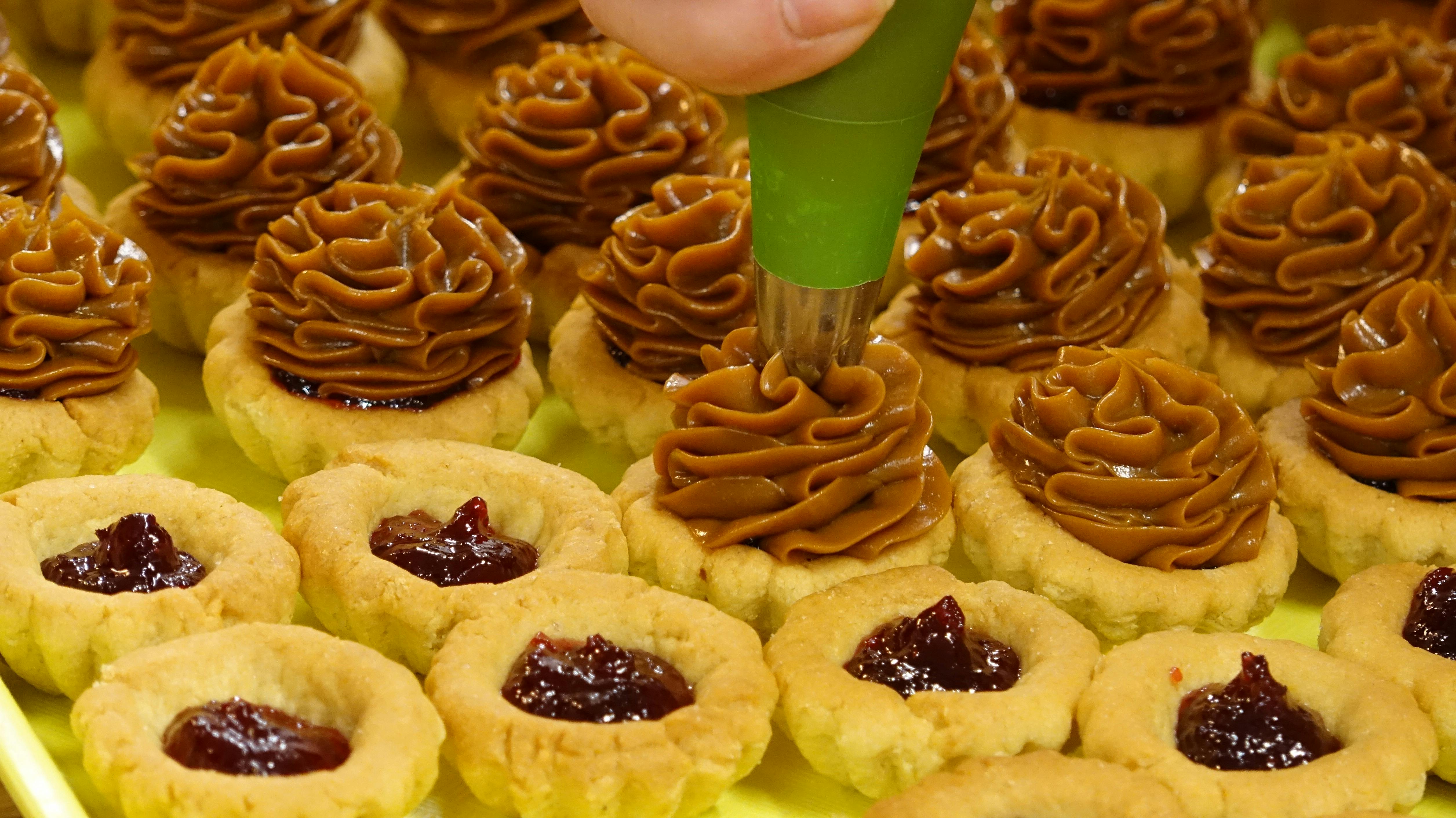
Some records are not a single giant object but a category a country has made unmistakably its own. Butter tarts, one of Canada's classic desserts, have inspired enormous baking competitions and festivals, especially in Ontario, where they are treated with the seriousness usually reserved for major regional foods.
The Midland Butter Tart Festival has repeatedly been described as the world's largest event dedicated to butter tarts. It brings together bakers, vendors, judges, and thousands of visitors, turning a simple pastry into a large-scale celebration of heritage and culinary craftsmanship.
That distinction matters because food records are often cultural as well as numerical. In Canada, butter tarts have moved from home kitchens to competitive stages, proving that national identity can be measured not only in pounds and gallons, but in enduring public devotion.
The giant Nanaimo bar and dessert ambition

The Nanaimo bar is one of Canada's most recognizable no-bake desserts, and it has inspired oversized record attempts that reflect the country's affection for iconic sweets. Named after Nanaimo, British Columbia, the layered bar has become a national staple with an identity strong enough to fuel public spectacle.
Large-format Nanaimo bar events have been used to promote tourism, civic pride, and regional heritage. What makes these attempts notable is that the dessert's layered structure must still be maintained: crumb base, custard-style middle, and chocolate top. That is harder than it sounds at scale.
More broadly, the Nanaimo bar shows how Canadian food records often blend novelty with authenticity. The point is not simply to make something huge, but to preserve the character of the original dish while turning it into a memorable public event.


Leave a Reply