
Food trends rarely arrive all at once. They build through new technology, shifting prices, climate pressure and changing habits, then suddenly feel like the new normal.
By 2027, the strongest shifts in food are likely to be the ones already moving from niche shelves into mainstream kitchens. These five trends stand out because they connect convenience, sustainability and better use of ingredients in ways everyday shoppers can actually see.
Precision fermented dairy
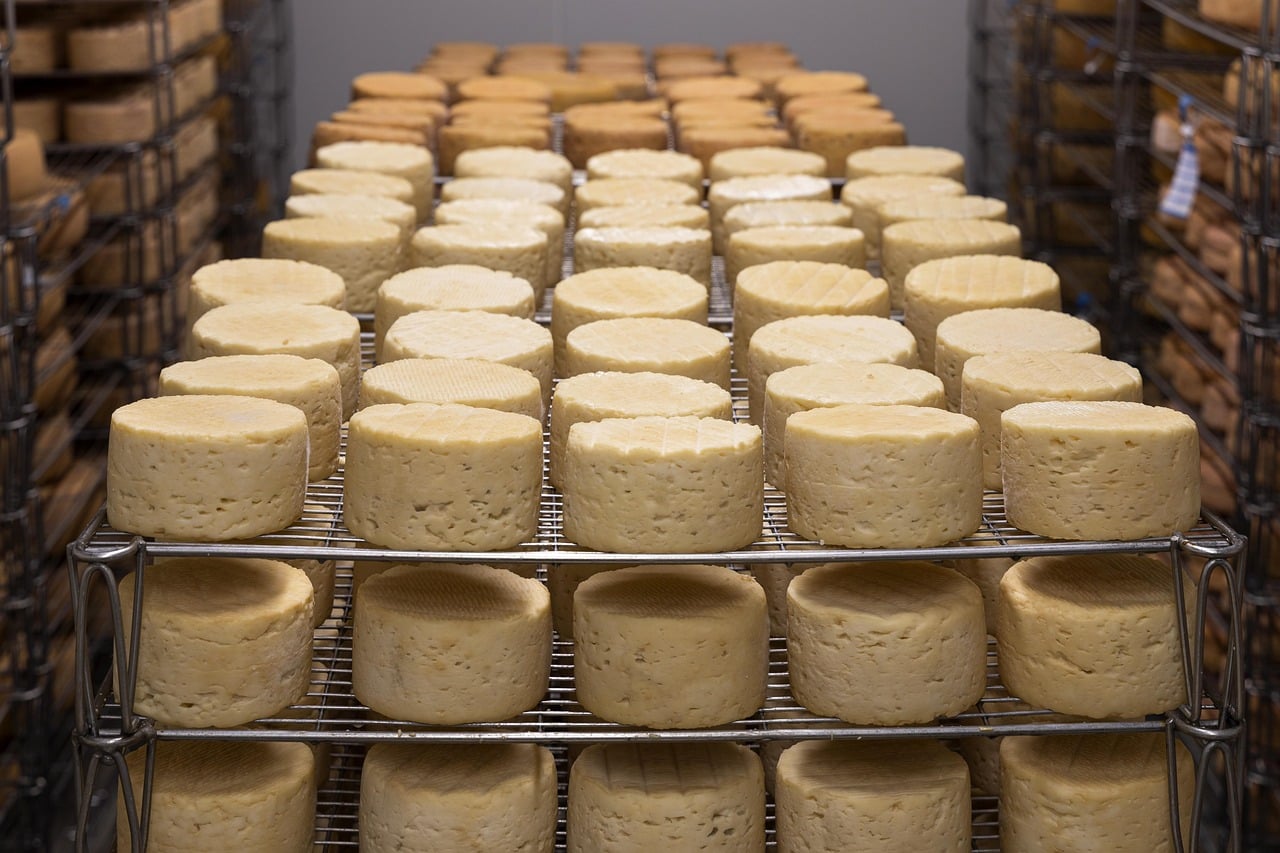
Milk without cows sounds futuristic, but the idea is already moving into the real food economy. Precision fermentation uses microbes to produce proteins that are molecularly similar to the whey or casein found in conventional dairy.
That matters because it can create cream cheese, ice cream or milk proteins with familiar texture and function, without relying on a herd. Companies in this space have drawn attention from major food manufacturers because the process fits products people already know how to use.
By 2027, this trend could grow as brands aim to cut emissions, reduce land use and diversify supply chains. The biggest test will not be novelty. It will be cost, taste and whether shoppers see these foods as practical items for the weekly grocery run.
Upcycled ingredients

One of the clearest signs of where food is heading is the industry's effort to waste less while making products people want to buy. Upcycled foods turn ingredients that might otherwise be discarded, like fruit pulp, spent grain or imperfect produce, into flours, snacks and pantry staples.
This is more than a clever sustainability label. It gives manufacturers a way to recover value from byproducts while offering consumers foods with a strong real world story behind them.
By 2027, expect to see upcycled ingredients move beyond specialty crackers and into baking mixes, pasta, beverages and frozen foods. As supply chains become more efficient, the appeal will be simple: less waste, more usable food and products that feel both modern and sensible.
AI guided meal planning

For many households, the hardest part of dinner is not cooking. It is deciding what to make, buying the right amount and avoiding spoilage. That is where AI driven meal planning is starting to matter.
Retailers, recipe platforms and smart kitchen apps are using data to suggest meals based on dietary goals, budget, time and what is already in the fridge. In plain terms, the software acts like a practical planner rather than a novelty bot.
By 2027, this could become a standard part of grocery shopping, especially as connected devices and loyalty apps get better at predicting repeat purchases. The real advantage is efficiency: fewer forgotten ingredients, tighter budgets and meal ideas that fit how people actually live.
Climate resilient crops
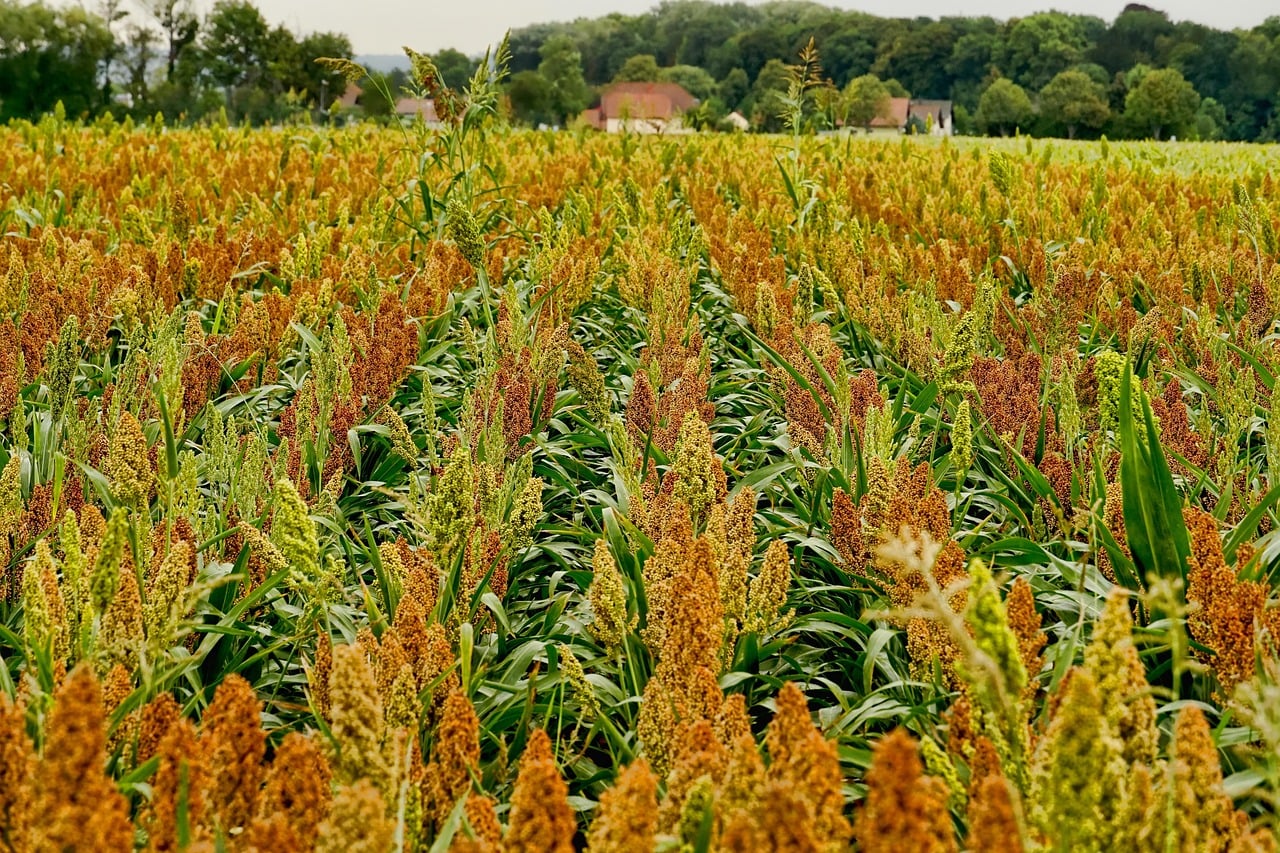
The next big food trend may come from fields that look familiar, but grow different staples. Climate resilient crops such as millet, sorghum, teff and drought tolerant legumes are getting fresh attention as heat, water stress and volatile weather affect agriculture worldwide.
These grains and pulses have long histories in many cuisines, which gives them an advantage over purely experimental foods. They are not inventions. They are established ingredients being rediscovered for a new set of pressures.
By 2027, they could appear more often in cereals, snack bars, side dishes and restaurant menus as brands look for ingredients that are hardy and nutritionally useful. Their rise would reflect a bigger shift: food choices shaped not just by taste, but by what agriculture can reliably produce.
Protein from fungi and plants
The plant based boom has matured, and that is exactly why this category still matters. Instead of chasing novelty alone, newer products are focusing on cleaner ingredient lists, better texture and protein sources that feel less heavily processed.
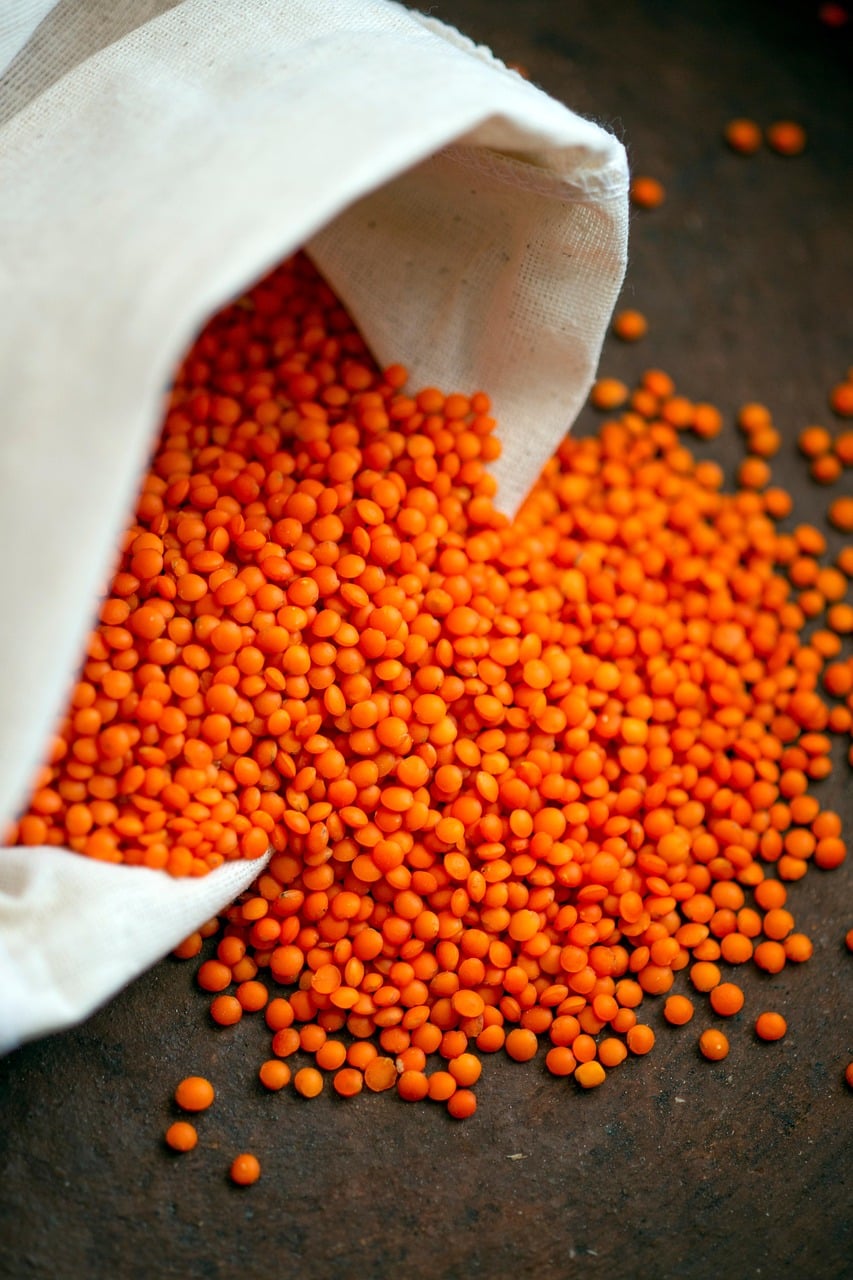
Fungi based protein, often made from mycelium, is especially notable because it can deliver a meatlike bite without depending on livestock. At the same time, beans, peas and lentils remain central because they are familiar, versatile and relatively affordable.
By 2027, the winners in alternative protein may be the products that stop trying to be technological spectacles and start fitting everyday meals. Think cutlets, bowls, sauces and quick lunches that deliver protein in forms people can understand and enjoy.



Leave a Reply